
The evolution of the global financial landscape has brought Bitcoin from the fringes of experimental technology to the forefront of modern investment portfolios. For many, Bitcoin represents more than just a digital currency; it is a hedge against inflation, a decentralized store of value, and a revolutionary asset class that operates outside the traditional banking system. However, for the uninitiated, the process of “opening an account” can seem shrouded in technical jargon and security concerns. Unlike a traditional savings account at a local branch, a Bitcoin account—often referred to as a wallet or an exchange account—requires a specific set of steps to ensure both accessibility and security.
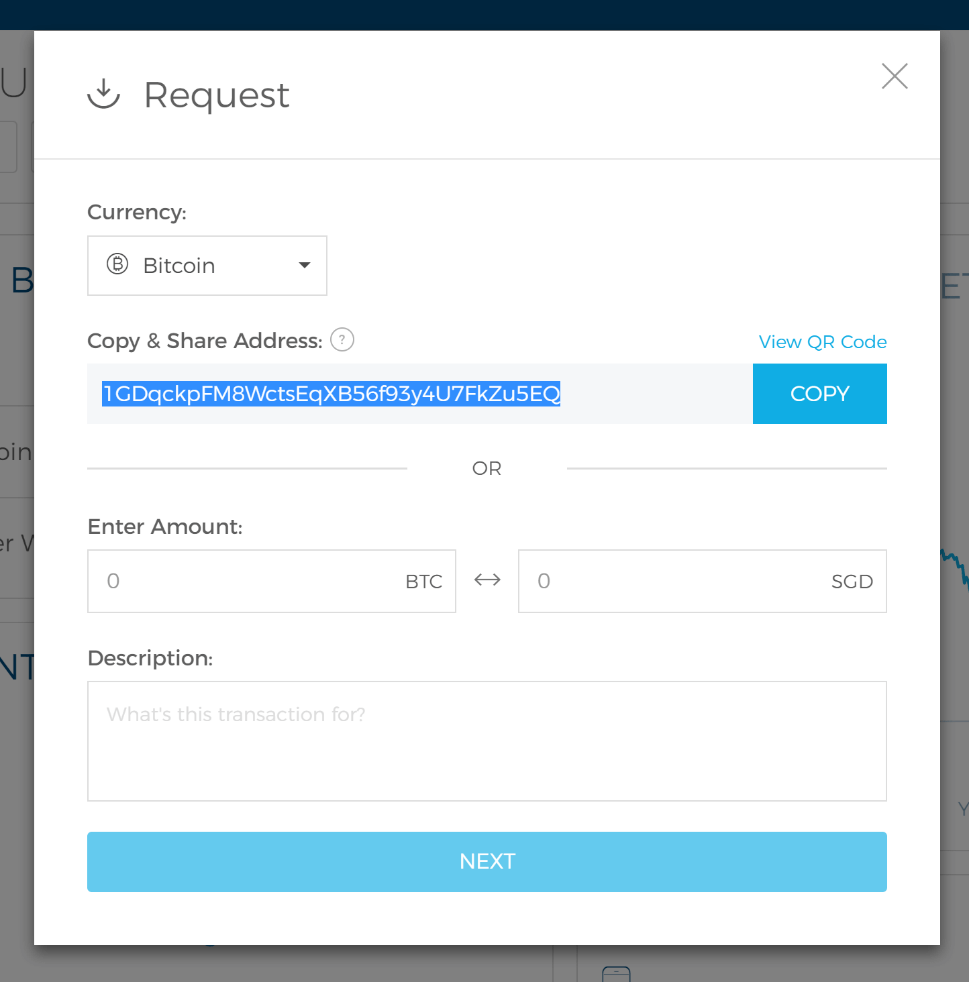
This guide provides a professional and comprehensive roadmap for individuals looking to integrate Bitcoin into their financial strategy, covering everything from platform selection to long-term security protocols.
Understanding the Fundamentals of Bitcoin as a Financial Asset
Before diving into the technical steps of opening an account, it is crucial to understand what you are actually opening. In the traditional financial world, your bank manages your ledger and secures your funds. In the world of Bitcoin, the responsibility of “being your own bank” falls largely on the user.
Why Bitcoin Belongs in a Modern Portfolio
Financial advisors and institutional investors increasingly view Bitcoin as “digital gold.” Its finite supply—capped at 21 million coins—makes it a deflationary asset in an era of aggressive fiat currency printing. Integrating Bitcoin into a diversified portfolio is not merely about speculation; it is about asset allocation. By holding an asset that is uncorrelated with traditional equities and bonds, investors can potentially reduce overall portfolio volatility while capturing significant upside growth.
The Difference Between Wallets and Exchanges
The first hurdle for new investors is distinguishing between an exchange account and a private wallet. An exchange (such as Coinbase, Kraken, or Binance) is a platform where you buy and sell Bitcoin using traditional currency (fiat). When you leave your Bitcoin on an exchange, the exchange holds the “private keys” on your behalf. This is known as custodial ownership.
A private wallet, on the other hand, allows for self-custody. This is a software or hardware tool that stores your private keys, giving you absolute control over your funds without a middleman. For most beginners, the journey starts with an exchange account due to its ease of use, but the ultimate goal for significant holdings is often a transition to self-custody.
Choosing the Right Platform for Your Financial Goals
The platform you choose to facilitate your Bitcoin transactions will serve as your primary interface with the crypto market. Selecting a reputable provider is the most critical decision in the early stages of your investment journey.
Centralized Exchanges (CEXs): The Gateway for Beginners
Centralized exchanges are the most common entry point because they offer a user experience similar to online banking or brokerage platforms. When selecting an exchange, consider the following financial metrics:
-
Liquidity: Ensure the platform has high trading volume so you can buy or sell at market prices without significant “slippage.”
-
Fee Structures: Be aware of maker/taker fees, withdrawal fees, and spread. Some platforms offer “no-fee” trading but hide their costs in a higher buy price.
-
Regulatory Compliance: Choose platforms that are licensed in your jurisdiction and adhere to strict financial regulations, as this provides a layer of legal protection.
Security and Insurance
A professional investor prioritizes the safety of their capital. Investigate whether the exchange stores the majority of user funds in “cold storage” (offline) and whether they carry insurance against cyber-attacks. Reputable exchanges often undergo third-party audits to prove their reserves, a practice known as Proof of Reserves (PoR).
Step-by-Step Guide to Setting Up Your Account
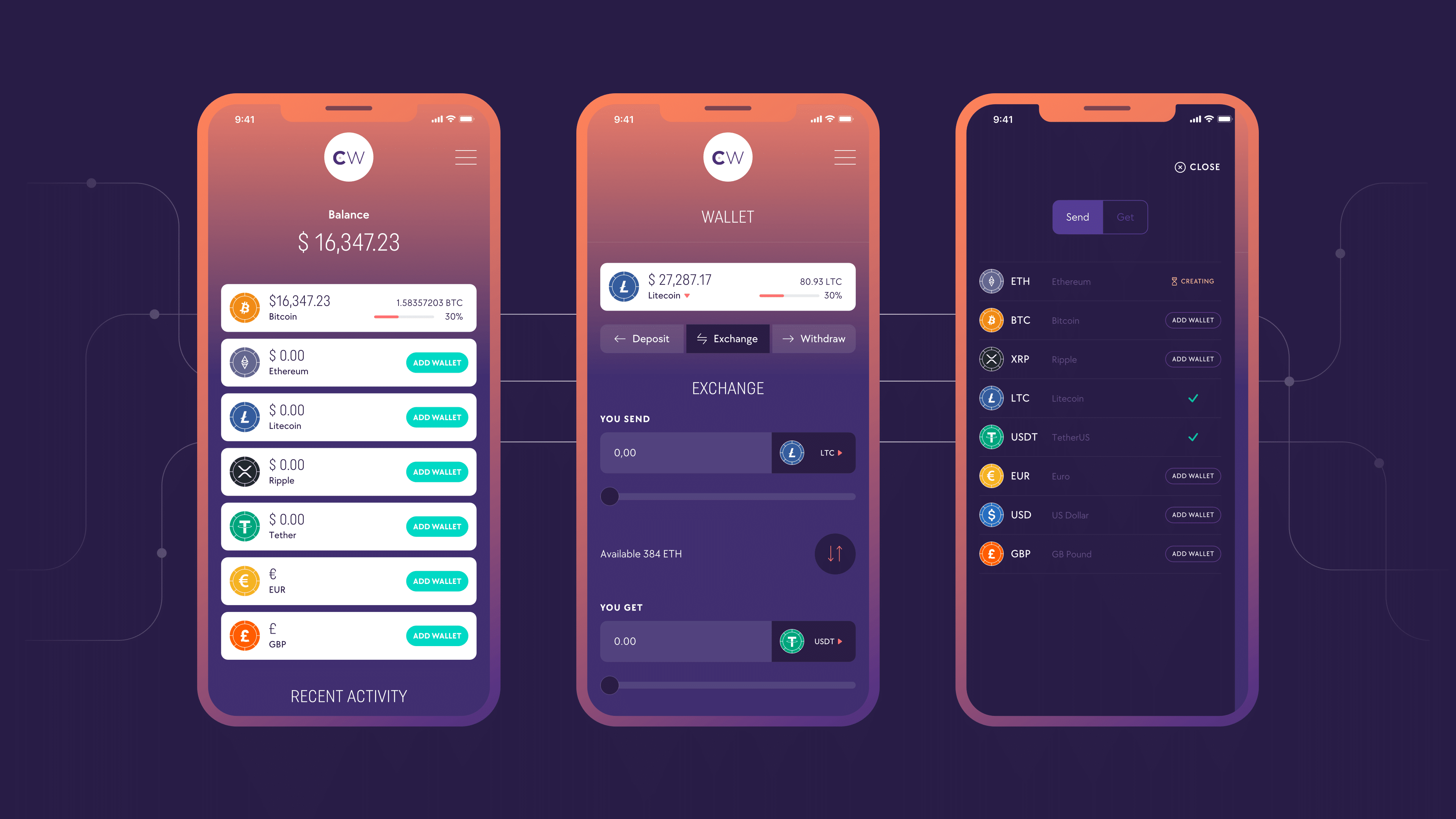
Once you have selected a platform that aligns with your financial objectives, the onboarding process begins. This process is highly standardized among reputable providers to meet global anti-money laundering (AML) requirements.
Registration and Identity Verification (KYC)
To open a Bitcoin account on a regulated exchange, you must undergo a Know Your Customer (KYC) process. This is a legal requirement designed to prevent financial crimes.
-
Sign Up: Provide a professional email address and create a robust, unique password.
-
Identity Verification: You will be required to upload a government-issued ID (passport or driver’s license) and often a “selfie” to verify your identity in real-time.
-
Proof of Residency: Some platforms require a utility bill or bank statement to confirm your tax jurisdiction.
While this may feel intrusive compared to the anonymous origins of Bitcoin, it is a necessary step for any platform that bridges the gap between traditional banking and digital assets.
Linking Your Bank Account and Funding Your Portfolio
After verification, you need to move capital into the account. Most professional platforms offer several methods:
-
ACH Transfers / SEPA: These are typically the most cost-effective methods, often featuring zero or low deposit fees.
-
Wire Transfers: Best for moving large sums of capital quickly, though banks may charge an outgoing wire fee.
-
Debit/Credit Cards: While convenient, these often carry the highest fees (sometimes 3-5%) and are generally discouraged for serious investors looking to maximize their cost basis.
Securing Your Digital Wealth
Opening the account is only the beginning; securing it is a continuous obligation. Because Bitcoin transactions are irreversible, a security breach can lead to a total loss of funds with no recourse for recovery.
Best Practices for Account Security
A professional approach to security involves multiple layers of defense:
-
Two-Factor Authentication (2FA): Never use SMS-based 2FA, as it is vulnerable to “SIM swapping” attacks. Instead, use an app-based authenticator (like Google Authenticator or Authy) or, ideally, a physical security key like a YubiKey.
-
Whitelisting Addresses: Enable “address whitelisting” on your exchange account. This feature ensures that Bitcoin can only be withdrawn to specific, pre-approved wallet addresses, adding a mandatory waiting period for any new addresses.
-
Email Security: Use a dedicated email for your financial accounts and secure that email with the same level of rigor as the exchange account itself.
Transitioning to Self-Custody
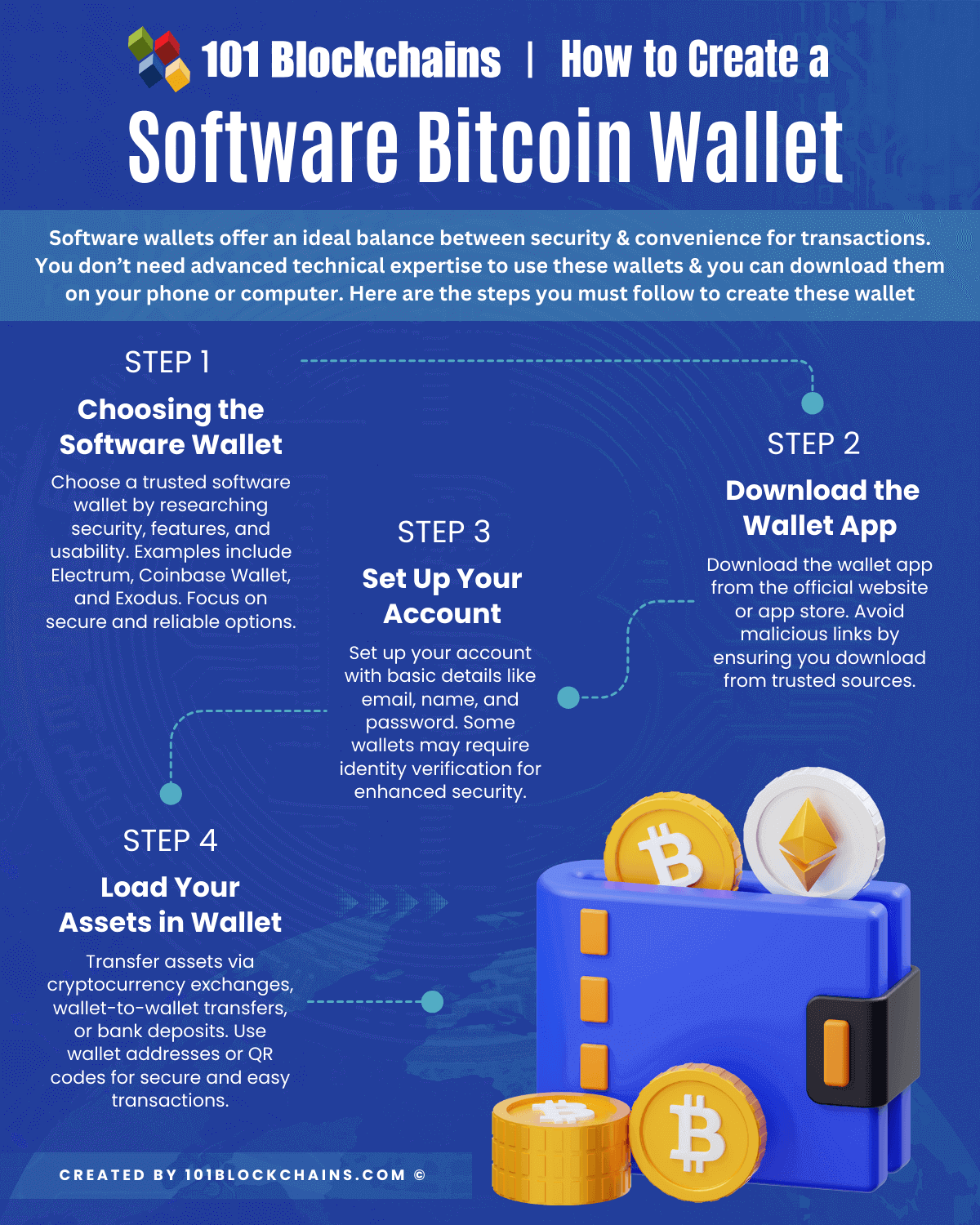
As your Bitcoin balance grows, you should consider the adage: “Not your keys, not your coins.” Moving your assets from an exchange to a hardware wallet (like a Ledger or Trezor) removes the “exchange risk.” A hardware wallet keeps your private keys offline, making it virtually impossible for hackers to steal your funds via the internet. This step is the hallmark of a sophisticated Bitcoin investor.
Developing a Long-Term Investment Strategy
With a funded and secured account, the final step is determining how you will interact with the market. Bitcoin is known for its volatility, and having a disciplined financial plan is the only way to navigate the “boom and bust” cycles.
Dollar-Cost Averaging (DCA) vs. Lump Sum
For most individuals, Dollar-Cost Averaging is the most effective strategy. This involves investing a fixed amount of money at regular intervals (e.g., $200 every month) regardless of the price. This approach mitigates the risk of “timing the market” and lowers the average cost per coin over time. Conversely, a lump sum investment may be appropriate if the market is in a significant drawdown, but it requires a higher tolerance for short-term volatility.
Monitoring and Rebalancing
Bitcoin should be viewed as part of a broader financial ecosystem. As its value increases, it may become a disproportionately large percentage of your net worth. Professional investors periodically “rebalance”—selling a portion of their Bitcoin to lock in gains and reallocating those funds to other assets, or vice versa if Bitcoin’s price drops significantly.
Tax Implications and Reporting
In almost every jurisdiction, Bitcoin is treated as property or a capital asset. This means that every time you sell Bitcoin, or even use it to purchase a good or service, you are triggering a taxable event. It is essential to use portfolio tracking software or keep meticulous records of your “basis” (the price at which you bought) and your sale price. Many modern exchanges provide tax report exports, which are vital for remaining compliant with national tax authorities.
Conclusion
Opening a Bitcoin account is the first step toward participating in a global financial shift. By approaching the process with the same diligence as you would a traditional brokerage account—focusing on reputable platforms, rigorous security, and a disciplined investment strategy—you position yourself to benefit from the growth of digital assets. While the technology behind Bitcoin is complex, the path to ownership is increasingly accessible, provided you prioritize security and education at every stage of the journey.
aViewFromTheCave is a participant in the Amazon Services LLC Associates Program, an affiliate advertising program designed to provide a means for sites to earn advertising fees by advertising and linking to Amazon.com. Amazon, the Amazon logo, AmazonSupply, and the AmazonSupply logo are trademarks of Amazon.com, Inc. or its affiliates. As an Amazon Associate we earn affiliate commissions from qualifying purchases.