
In the increasingly interconnected world of travel, the flight number stands as a critical identifier, a digital key unlocking a wealth of information about your journey. Far from being a mere alphanumeric code, it’s the linchpin for everything from online check-ins and real-time flight tracking to gate changes and baggage claims. For modern travelers, understanding where and how to quickly retrieve this vital piece of information using contemporary digital tools is not just convenient—it’s essential for a stress-free experience. This article delves into the technological landscape that helps you locate your flight number efficiently, ensuring you’re always a step ahead in your travel plans.
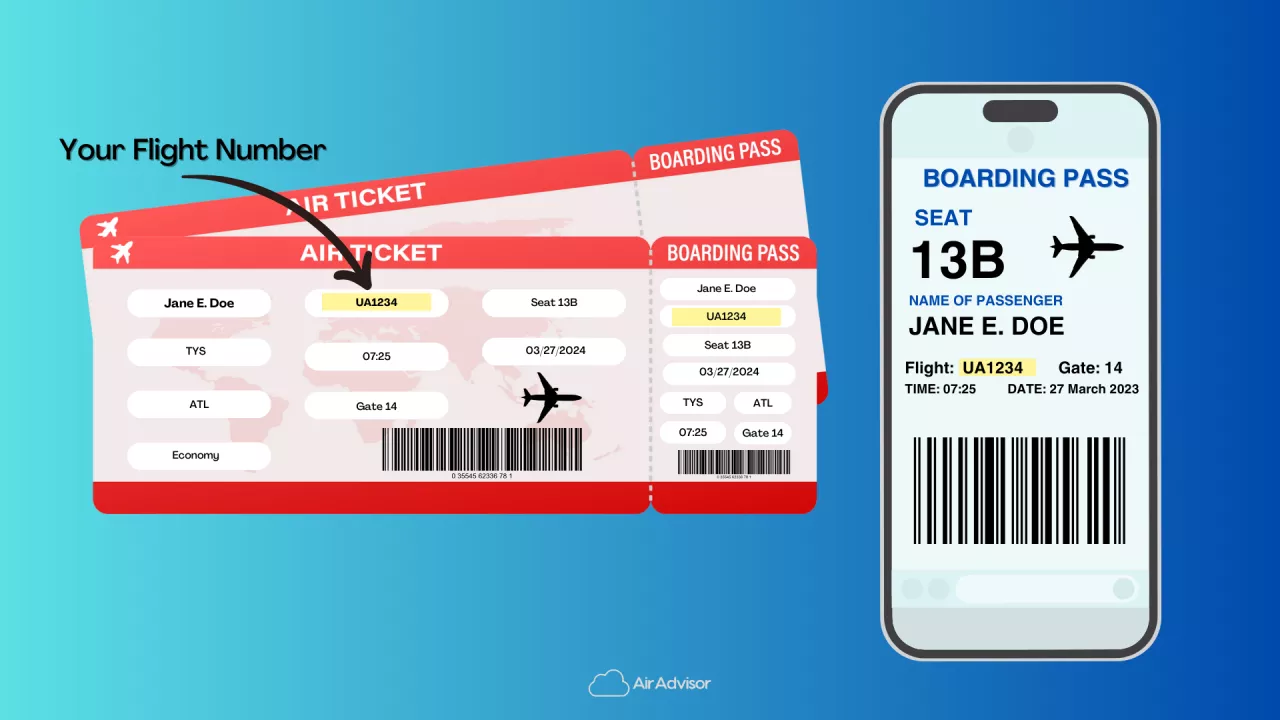
Understanding the Importance of Your Flight Number in the Digital Age
The flight number, a unique designator assigned by an airline to a particular flight route, is more than just an arbitrary sequence. It is the central piece of data that drives countless technological systems within the aviation and travel industries. Without it, the seamless flow of information that travelers have come to expect would grind to a halt.
More Than Just a Code: Its Role in Travel Tech
At its core, your flight number is the primary identifier that connects you to a vast network of information and services. Consider its multifaceted roles:
- Online Check-in: Most airlines require your flight number (alongside your booking reference or e-ticket number) to access your reservation and complete the check-in process from your computer or mobile device. This pre-departure step saves time and often allows for early seat selection.
- Real-time Flight Tracking: Sophisticated flight tracking applications and websites rely on the flight number to provide up-to-the-minute details on departure and arrival times, delays, gate changes, and even the aircraft’s current position. This technology is invaluable for both travelers and those picking them up.
- Airline Mobile Apps: Virtually every major airline offers a dedicated mobile app. Once you input your flight number (or allow the app to scan your boarding pass), it becomes your personalized travel assistant, pushing notifications about boarding gates, delays, and even connecting flight information.
- Airport Information Displays: The large screens at airports that show arrivals, departures, and gate assignments are all organized by flight number. Knowing yours allows for quick navigation through bustling terminals.
- Automated Customer Service: When interacting with airline chatbots or even human customer service representatives, providing your flight number is often the first step to quickly accessing your booking details and resolving queries.
- Baggage Information: In some cases, especially with delayed or lost luggage, the flight number helps airline staff trace the bag’s journey and provide updates.
The proliferation of these digital tools has elevated the flight number from a simple reference to a crucial component of modern travel logistics. Its consistent use across platforms ensures data accuracy and accessibility, empowering travelers with control and information at their fingertips.
Preventing Travel Headaches with Digital Preparedness
Having your flight number readily accessible through digital means is a powerful preventative measure against common travel frustrations. Imagine the scenario: you’re at a crowded airport, there’s a last-minute gate change, or your flight is delayed. Panicking and scrambling for information can be avoided with proper digital preparedness.
- Proactive Delay Management: Flight tracking apps that use your flight number can alert you to delays or cancellations even before the airline officially announces them. This allows you to adjust your plans, notify contacts, or explore alternative options proactively.
- Seamless Rebooking: In instances of missed connections or significant disruptions, an airline’s app, fueled by your flight number, might offer immediate rebooking options or instructions, streamlining what could otherwise be a chaotic experience.
- Enhanced Peace of Mind: Knowing you have quick access to your flight details, regardless of where you are or what unexpected event arises, significantly reduces travel anxiety. This digital safety net provides a sense of control over an often unpredictable journey.
In essence, the flight number, when utilized within the ecosystem of modern travel technology, transforms from a passive identifier into an active tool for managing and optimizing your travel experience, preventing potential headaches before they even begin.
Primary Digital Gateways to Your Flight Number
Locating your flight number is typically a straightforward process, thanks to the array of digital channels that now serve as repositories for your travel information. These gateways are designed for user-friendliness and accessibility, ensuring you can find what you need quickly, whether you’re planning months ahead or rushing to the airport.
Your Booking Confirmation: The Digital Paper Trail
The most reliable and universally available source for your flight number is your booking confirmation. After purchasing a ticket, whether directly from an airline or through a travel agency, you will always receive a confirmation.
- Email Confirmation: This is the default method for almost all bookings. Search your email inbox for keywords like “flight confirmation,” “booking details,” “e-ticket,” or the airline’s name. The flight number (e.g., AA123, BA456) is usually prominently displayed alongside your departure and arrival times, dates, and booking reference number. It will often appear as “Flight” followed by the airline code and numbers.
- Airline Websites and Travel Agency Portals: If you booked directly, logging into your account on the airline’s official website or the Online Travel Agency (OTA) where you made the purchase will grant you access to your entire booking history. Look for a “My Trips,” “Manage Booking,” or “Upcoming Travel” section. Your flight details, including the number, will be listed under the specific reservation.
- PDF E-tickets: Some airlines or travel agents send a PDF attachment with the e-ticket. This document contains all the granular details of your flight, including the flight number, typically under each flight segment. It’s a good practice to save this PDF to your mobile device or cloud storage for offline access.
These digital “paper trails” are the first and most fundamental points of reference, providing a comprehensive overview of your itinerary and the crucial flight number.
Airline Official Websites and Mobile Apps: Direct Access
Beyond the initial confirmation, airlines themselves offer robust digital platforms designed to manage your travel.
- Website “Manage Booking” Features: Every airline website has a “Manage Booking,” “My Trips,” or “Check-in” section. By entering your last name and your Passenger Name Record (PNR), booking reference, or e-ticket number (also found in your confirmation email), you can pull up your itinerary. Your flight number will be clearly visible here, often with additional features like seat selection, baggage allowance, and meal preferences.
- Airline-Specific Mobile Applications: These apps are indispensable for frequent flyers and even occasional travelers. Once downloaded and an account is created (or logged into), you can often import your booking using the same PNR or by simply scanning a barcode if you have one. The app will then display your flight number prominently, along with real-time updates, boarding passes, and even terminal maps. Many apps offer push notifications for gate changes, delays, and boarding times, making the flight number an active element in your personalized travel alerts.
Utilizing an airline’s direct digital channels ensures you receive the most accurate and up-to-date information straight from the source.
Online Travel Agency (OTA) Platforms: A Centralized Hub
If you booked your flight through an Online Travel Agency like Expedia, Booking.com, Kayak, or Google Flights, their platforms also serve as excellent repositories for your flight number.
- Accessing Your Account: Similar to airline websites, logging into your account on the OTA’s platform will lead you to a section dedicated to “My Trips” or “Upcoming Bookings.” All your flight segments, including their respective flight numbers, will be listed here.
- Email Confirmations from OTAs: OTAs also send their own booking confirmation emails. These emails are typically very detailed and will clearly state the flight number for each leg of your journey, often formatted with the airline code followed by the numerical sequence.
- Integrated Tools: Some OTAs integrate flight tracking or notification services directly into their platforms, leveraging your flight number to provide status updates within their ecosystem.
OTAs offer the convenience of managing multiple bookings (flights, hotels, car rentals) in one place, making them a centralized hub for all your travel-related digital information, including the all-important flight number.
Leveraging Advanced Tech for Real-time Flight Number Retrieval and Tracking
Beyond the basic confirmation emails and airline portals, a new generation of sophisticated technological tools offers advanced ways to access, track, and manage your flight number and associated information in real time. These innovations leverage vast data networks to provide unparalleled insight and convenience.
Dedicated Flight Tracking Applications: Beyond the Basics
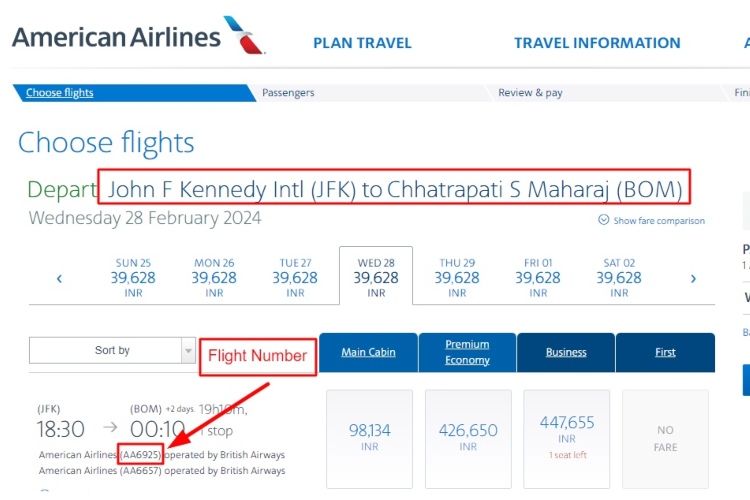
Flight tracking apps are perhaps the most powerful tools for actively monitoring your flight once you have its number. These applications go far beyond simply telling you the flight number; they use it as a query to pull detailed, dynamic data.
- FlightAware, FlightStats, Plane Finder: These are popular examples of flight tracking services available as web platforms and mobile apps. By inputting your flight number, you gain access to a wealth of information:
- Current Aircraft Location: See the plane’s real-time position on a map.
- Estimated Departure/Arrival Times: Get updated forecasts, including actual gate push-back and touchdown times.
- Gate Information: Crucial for large airports, often updated dynamically.
- Aircraft Details: Information about the specific plane, including type, age, and even its past routes.
- Delay Notifications: Receive push alerts for changes to your flight’s status, often before official airport announcements.
- Weather Conditions: Local weather at your departure and arrival airports.
- How They Work: These apps aggregate data from air traffic control systems, radar feeds, and airline operational data, processing it through sophisticated algorithms to present it in an easily digestible format. Your flight number is the direct link to this real-time data stream. For travelers picking up friends or family, these apps, fed by the flight number, eliminate uncertainty and allow for precise timing.
Smart Assistants and Voice Commands: Hands-Free Information
The rise of voice-activated smart assistants has extended the convenience of retrieving flight information to a hands-free experience.
- Google Assistant, Siri, Alexa: These AI-powered assistants can often pull your flight details directly from your linked email accounts (Gmail for Google Assistant, Mail app for Siri) or calendar entries.
- Integration: If your flight confirmation email is in an inbox accessible by your assistant, simply asking, “Hey Google, what’s my flight number?” or “Siri, what’s the status of my flight?” can often yield the answer.
- Third-Party Skills/Apps: Many flight tracking apps or airline apps offer integrations (e.g., Alexa skills). Once enabled, you can ask your smart speaker, “Alexa, ask FlightAware for flight AA123,” and it will verbally provide the latest status.
- Benefits: This hands-free approach is particularly useful when driving, cooking, or when your phone is not immediately accessible, demonstrating how AI tools are streamlining access to travel-critical information.
Calendar Integrations and Digital Wallets: Automated Reminders
Modern operating systems and financial tools offer smart integrations that automatically extract and display your flight numbers, providing proactive reminders and easy access.
- Google Calendar, Apple Calendar: If your flight confirmation email is in a supported inbox, these calendar apps can often automatically detect flight details and add them as events. The calendar entry will typically include the flight number, departure/arrival times, and often a link to flight status.
- Apple Wallet, Google Pay: Many airlines allow you to add your mobile boarding pass to your digital wallet. Once added, this pass not only contains a scannable barcode but also clearly displays your flight number, gate, and boarding time. These digital wallets often surface relevant passes on your lock screen when you are near the airport or your flight is approaching, making the flight number instantly accessible with a swipe.
- Digital Travel Planners (e.g., TripIt, WorldMate): These dedicated apps are designed to organize your entire itinerary. By forwarding your confirmation emails to them, they parse the data, including flight numbers, and create a master itinerary. They also integrate with flight tracking services, providing status updates directly within your personalized travel plan.
These advanced technological solutions move beyond passive information storage, actively bringing your flight number and associated details to the forefront of your digital life, minimizing effort and maximizing preparedness.
Troubleshooting Digital Roadblocks and Maintaining Data Security
While digital tools have revolutionized access to flight information, occasional glitches can occur, and the importance of safeguarding your personal and travel data cannot be overstated. Understanding how to troubleshoot common issues and maintain digital security is crucial in our connected travel ecosystem.
When Digital Tools Fail: Offline Backups and Human Touchpoints
Even the most robust digital systems can encounter issues. Internet outages, app crashes, or a dead phone battery can leave you feeling stranded. Having a backup plan is paramount.
- Offline Backups:
- Screenshots: Always take screenshots of your e-ticket, boarding pass, and flight details and save them to your phone’s photo gallery. These are accessible even without an internet connection.
- Printed Documents: For critical information like your flight number, booking reference, and passport details, a physical printout of your itinerary remains an invaluable failsafe. Keep it in a separate bag or wallet.
- Written Notes: Jotting down your flight number, PNR, and airline contact number in a small notebook can be a lifesaver if all electronic devices fail.
- Airport Kiosks and Information Desks: Most airports have self-service kiosks where you can retrieve your booking details and print boarding passes using your booking reference or passport, even if you can’t access your phone. Airport information desks and airline check-in counters are also human touchpoints that can assist you.
- Customer Service: If you’re completely stuck, contacting the airline’s customer service via phone (ideally using a number you’ve noted down or found on an airport sign) is always an option. They can look up your flight number using your name and other identifying details.
Relying solely on digital access without considering potential points of failure can add unnecessary stress. A blend of digital convenience and analog redundancy is the most robust approach to travel preparedness.
Safeguarding Your Travel Data: Best Practices in a Connected World
Your flight number, combined with your name and booking reference, can be used to access sensitive personal information and even modify your booking. Protecting this data is critical.
- Strong, Unique Passwords: Use complex, unique passwords for all your airline, OTA, and email accounts. Consider using a password manager to securely store them.
- Two-Factor Authentication (2FA): Whenever available, enable 2FA for your travel-related accounts. This adds an extra layer of security, typically requiring a code from your phone in addition to your password.
- Beware of Phishing: Be extremely cautious of emails or messages purporting to be from airlines or travel agencies, especially if they ask for personal information or payment. Always check the sender’s email address for legitimacy and look for inconsistencies or typos. It’s safer to navigate directly to the official website rather than clicking links in suspicious emails.
- Public Wi-Fi Risks: Avoid accessing sensitive travel information (like logging into your airline account) over unsecure public Wi-Fi networks. These networks are often vulnerable to eavesdropping. If you must use public Wi-Fi, consider using a Virtual Private Network (VPN) for encryption.
- Physical Security of Devices: Keep your phone, laptop, and other devices secure. Enable lock screens with strong passcodes or biometric authentication. If a device is lost or stolen, use remote wipe features if possible.
- Shred Old Boarding Passes: Physical boarding passes and luggage tags often contain your flight number and booking reference. Once your journey is complete, shred them to prevent identity theft.
In an era where travel data is frequently targeted by malicious actors, being vigilant about digital security is not merely a suggestion but a necessity for safeguarding your personal information and ensuring a smooth, secure journey.
The Future of Flight Information: AI and Predictive Analytics
The landscape of travel technology is constantly evolving, with artificial intelligence (AI) and predictive analytics poised to further revolutionize how we access and interact with our flight information. These emerging technologies promise even greater personalization, proactive assistance, and enhanced security, making the flight number an even more integral part of an intelligent travel ecosystem.
AI-Powered Travel Assistants: Personalized Flight Management
Imagine a future where your flight information is managed not just reactively but proactively by an intelligent assistant. AI is moving us towards this reality.
- Proactive Information Delivery: AI-powered assistants, integrated into airline apps or standalone travel platforms, could learn your travel patterns and preferences. They might automatically remind you of upcoming flights, suggest when to leave for the airport based on real-time traffic, or even recommend the best time to check in to secure a preferred seat, all driven by your flight number.
- Contextual Updates: Beyond basic delay notifications, AI could provide highly contextual updates. If your connecting flight is delayed, the AI might instantly re-route you, suggest alternative flights, or book you a hotel if an overnight stay becomes necessary, factoring in your loyalty programs and previous choices. The flight number would be the key input for these complex calculations.
- Personalized Recommendations: AI can leverage your flight number and destination to offer tailored recommendations for ground transportation, local attractions, or dining, integrating seamlessly with your itinerary.
- Natural Language Processing (NLP): Advancements in NLP will make interactions with these assistants incredibly intuitive. Instead of specific commands, you could simply ask, “What’s happening with my flight to London tomorrow?” and the AI would retrieve the flight number, status, and any relevant updates from your linked accounts.
These intelligent assistants will transform the flight number from a static identifier into a dynamic pivot for an entire suite of personalized, anticipatory travel services.
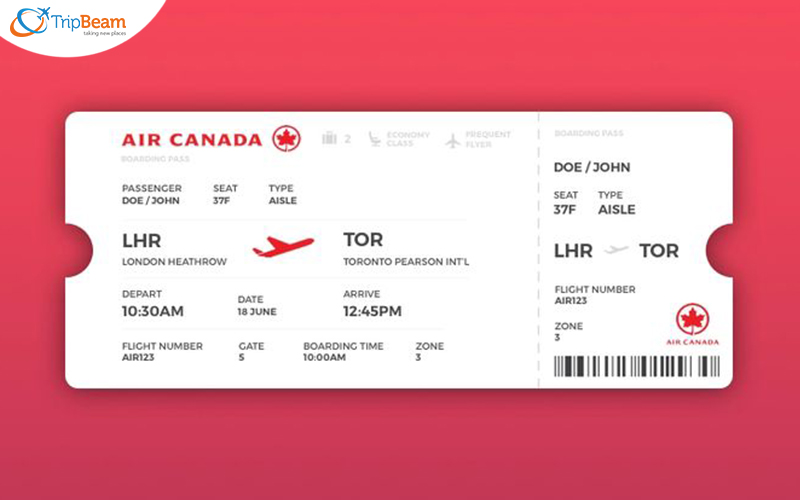
Blockchain and Decentralized Travel Data: Enhanced Transparency and Security
While still in nascent stages for mainstream travel, blockchain technology holds significant promise for the future of travel data, including how flight numbers are managed and secured.
- Immutable Records: Blockchain creates an unchangeable, transparent ledger of transactions. In travel, this could mean that once a flight booking, including its unique flight number, is recorded on a blockchain, it becomes incredibly difficult to tamper with. This enhances trust and reduces the potential for fraud.
- Enhanced Data Security and Privacy: Instead of your flight details being scattered across various airline databases, OTAs, and third-party trackers, a blockchain-based system could allow you to control access to your travel data more directly. Your flight number, linked to your digital identity, could be shared with relevant parties (airline, airport security, customs) only when necessary and with your explicit permission, reducing exposure to breaches.
- Streamlined Processes: Blockchain could facilitate faster, more secure data sharing between different entities in the travel ecosystem (airlines, airports, security agencies). This could lead to quicker check-ins, smoother security screenings, and more efficient baggage handling, as all parties have verifiable access to the same flight-specific information in real time.
- Decentralized Flight Tracking: Imagine a future where flight status updates are not solely dependent on a single airline’s system but are validated across a decentralized network. This could lead to even more reliable and censorship-resistant flight tracking, with your flight number serving as the public key to access this trusted information.
The integration of blockchain, coupled with AI, could usher in an era where retrieving your flight number is not just easy, but also part of a highly secure, transparent, and intelligent travel experience, truly encapsulating the power of cutting-edge technology to redefine our journeys.
In conclusion, the humble flight number, a seemingly simple code, is in fact a cornerstone of modern travel technology. From basic email confirmations to advanced AI assistants and future blockchain innovations, understanding its role and mastering the digital tools to access it empowers travelers with unprecedented control, foresight, and peace of mind in their journeys.
aViewFromTheCave is a participant in the Amazon Services LLC Associates Program, an affiliate advertising program designed to provide a means for sites to earn advertising fees by advertising and linking to Amazon.com. Amazon, the Amazon logo, AmazonSupply, and the AmazonSupply logo are trademarks of Amazon.com, Inc. or its affiliates. As an Amazon Associate we earn affiliate commissions from qualifying purchases.