
In an increasingly digital economy, the phrase “cash is king” is heard less frequently than it once was. However, for millions of individuals, physical currency remains a vital component of daily financial management. Whether you are a gig economy worker receiving tips, a small business owner handling daily takings, or someone who simply prefers the Tangibility of paper money, the question of “where can I deposit cash near me” is one that requires a nuanced understanding of modern financial infrastructure.
As traditional bank branches continue to consolidate, the methods for moving physical cash into a digital ledger have evolved. No longer restricted to a teller window during banking hours, consumers now have access to a sophisticated network of ATMs, retail partnerships, and peer-to-peer technologies designed to bridge the gap between physical and digital assets.
Traditional Banking Infrastructure: ATMs and Branch Networks
The most direct answer to the question of cash deposits remains the traditional brick-and-mortar financial institution. Despite the rise of fintech, the physical presence of banks and credit unions provides the most secure and often the most cost-effective way to manage cash.
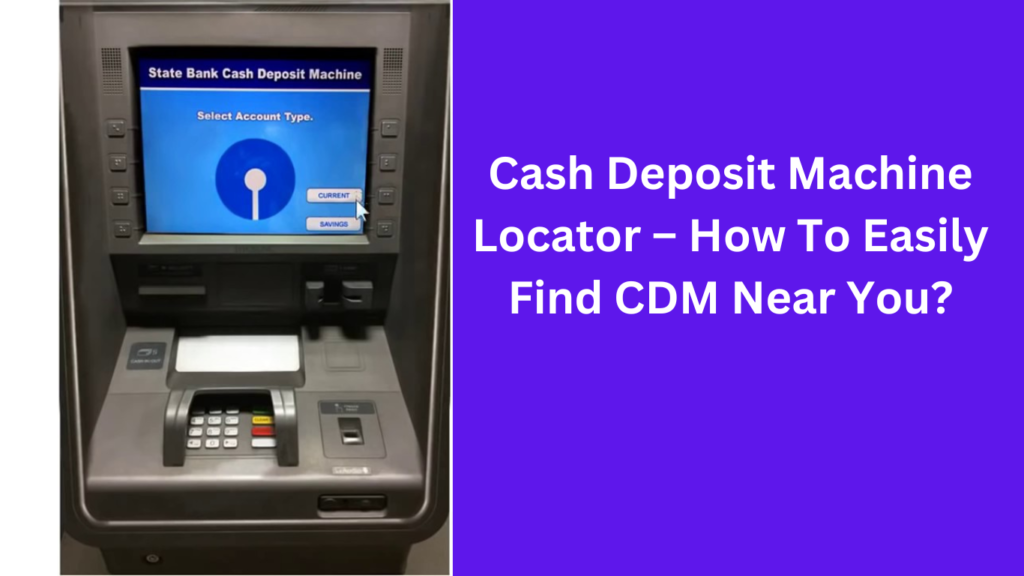
Deposit-Enabled ATMs: The 24/7 Solution
The most common way to deposit cash outside of business hours is through an Automated Teller Machine (ATM). However, not all ATMs are created equal. To deposit cash, you must locate an “image-clearing” or “deposit-enabled” ATM that belongs to your bank’s network.
Modern ATMs have largely moved away from the envelope-based system of the past. Today’s machines utilize advanced scanners that count bills in real-time, providing immediate confirmation of the deposit amount. For the user, this means higher accuracy and, in many cases, immediate availability of at least a portion of the funds. When searching for a location, use your bank’s mobile app to filter for “Deposit-Taking ATMs” to ensure you don’t arrive at a machine that only dispenses cash.
In-Branch Deposits: Security and High-Value Limits
For significant sums of money, the safest route is always a physical branch. In-person deposits allow for immediate verification by a teller and provide a physical receipt that serves as a legal record of the transaction. Furthermore, ATMs often have daily deposit limits (ranging from $1,000 to $5,000 depending on the institution), whereas in-branch deposits are typically only limited by the bank’s internal anti-money laundering (AML) policies and federal reporting requirements, such as the Currency Transaction Report (CTR) for amounts over $10,000.
Credit Union Shared Branching
If you bank with a credit union, you may have access to a much larger network than a single brand. The CO-OP Shared Branch network allows members of participating credit unions to perform transactions—including cash deposits—at thousands of other credit union locations across the country. This is a powerful tool for those who travel or live in areas where their primary credit union does not have a physical presence.
The Rise of Digital-First Banking and Retail Cash Deposits
The explosion of “neobanks” and digital-first financial platforms (like Chime, Ally, and Varo) has created a unique challenge: how does a customer deposit cash when their bank has no physical buildings? The solution has been found in “Retail-as-a-Service” networks.
Retail Deposit Networks
Third-party networks like Green Dot (at the Register), VanillaDirect, and Western Union have partnered with major national retailers to turn every checkout lane into a potential bank teller. If you are looking for a place to deposit cash near you, chances are a major retailer is within a few miles.
Common participating retailers include:
-
CVS Pharmacy and Walgreens: Usually located on prime corners in suburban and urban areas.
-
Walmart: Ideal for large deposits, though service desk lines can be long.
-
7-Eleven and Family Dollar: Convenient for quick, small-batch deposits.
How the Process Works
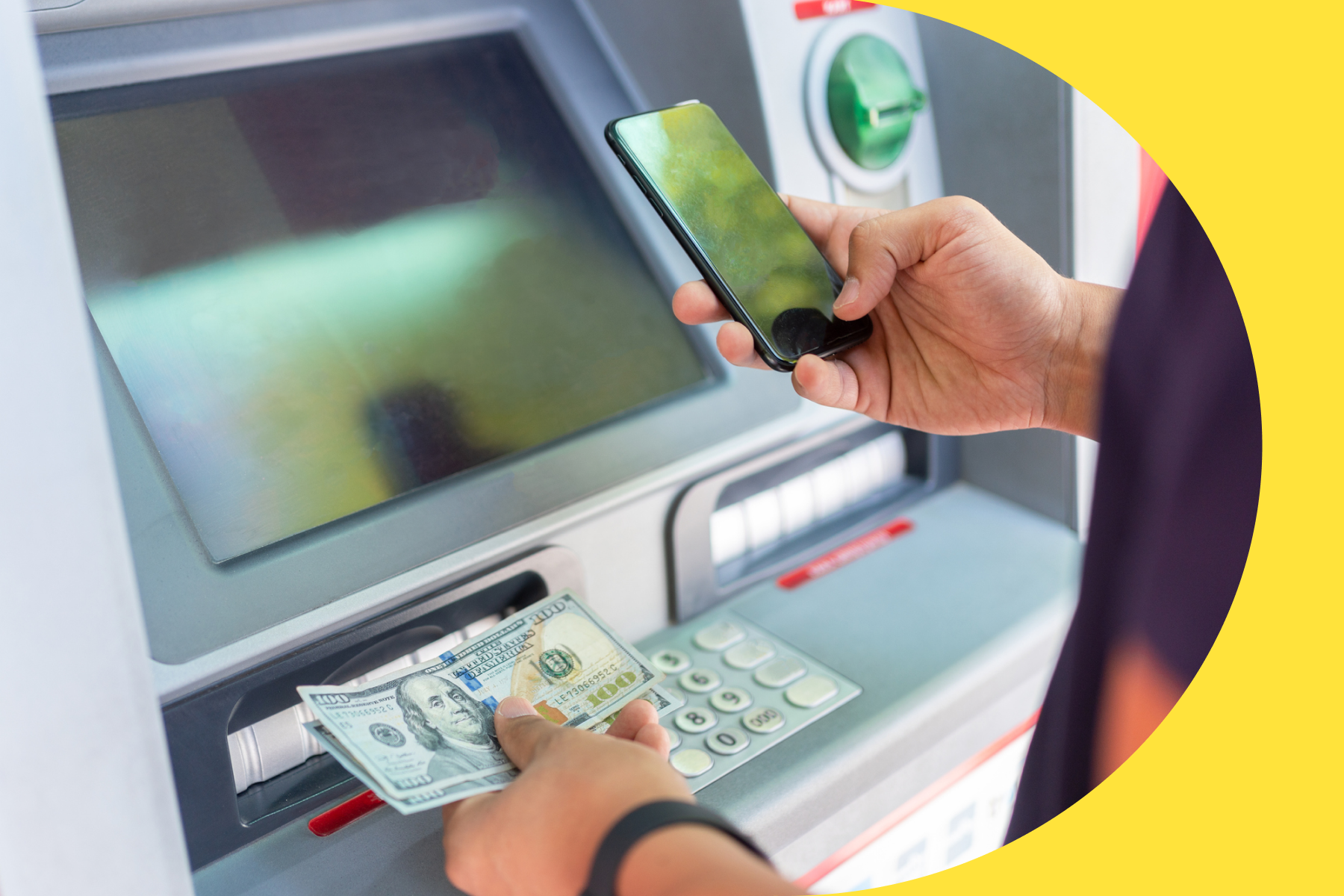
Depositing cash at a retailer is typically initiated through your bank’s mobile app. You will generally select “Deposit Cash,” which generates a unique barcode on your smartphone screen. You then take your cash and the barcode to the retailer’s cashier. The cashier scans the code, takes the cash, and the network transmits the data to your digital bank.
It is important to note that these transactions are rarely free. Most retail deposit services charge a fee ranging from $3.95 to $5.95 per transaction. While this is the price of convenience for digital banking users, it is a factor that must be weighed when managing personal liquidity.
Limits and Speed of Retail Deposits
Retail deposits often come with stricter limits than traditional banks. Many retailers limit deposits to $500 or $1,000 per transaction and may have daily or monthly caps to prevent fraud. While some transfers are “instant,” others may take up to 30 minutes to reflect in your balance. Always keep your paper receipt from the retailer until the funds are fully cleared in your digital account.
Utilizing Peer-to-Peer (P2P) Apps and Prepaid Tools
For those who operate primarily within the ecosystem of apps like Cash App, Venmo, or PayPal, depositing cash has become increasingly integrated into the daily routine. These platforms have recognized that to become a “primary” financial hub, they must accommodate physical currency.
Loading Funds via Cash App and Venmo
Cash App, in particular, has pioneered the “Paper Money Deposit” feature. Similar to neobanks, users can find participating merchants (such as Walgreens or 7-Eleven) through a map in the app. By showing a barcode to the cashier, the cash is instantly loaded onto the Cash App Card balance. Venmo has followed suit with similar functionality for its debit card holders. This method is particularly popular among younger demographics and the unbanked, as it bypasses the need for a traditional checking account entirely.
Prepaid Cards as a Bridge
Reloadable prepaid debit cards (like those from Netspend or Bluebird) serve as another bridge. These cards can be purchased and reloaded at thousands of locations. Once the cash is on the card, it can be linked to other financial apps or used to pay bills online. While often criticized for their fee structures, they provide a necessary entry point into the digital economy for those who rely on cash income.
Strategic Considerations: Fees, Speed, and Security
When deciding where to deposit cash, the “nearest” location may not always be the “best” location. Strategic financial management requires looking at the total cost and the timing of the transaction.
Availability of Funds (Clearing Times)
The “float”—the time between when you hand over the cash and when you can actually spend the money—varies significantly.
-
Bank ATMs: Usually offer immediate availability for at least the first $200–$500, with the rest clearing the next business day.
-
In-Branch: Generally instant for the full amount.
-
Retail Networks: Can be instant but may take up to an hour.
-
Mobile App Transfers: If you deposit cash at a store to a P2P app and then want to transfer that to a traditional bank, you may face an additional 1–3 day delay unless you pay an “instant transfer” fee.
Security Best Practices
Handling cash carries inherent risks that digital transfers do not. When choosing a location:
-
Environment: If using an ATM, choose one located inside a grocery store or a well-lit bank vestibule rather than a standalone machine in a dark parking lot.
-
Verification: Always count your cash twice before approaching the counter or machine.
-
Documentation: Never leave a deposit location without a receipt. If a machine malfunctions or a cashier makes an error, that slip of paper is your only proof of the transaction.
-
Privacy: Be mindful of “shoulder surfers” who may try to see your PIN or the amount of cash you are carrying.
Future Trends in Cash Management and Digital Integration
The landscape of cash deposits is in a state of flux. As we look toward the future, the integration of physical and digital finance will likely become even more seamless.
The Decline of Branches and the Evolution of ATMs
As banks close physical branches to save on overhead, they are investing heavily in “Interactive Teller Machines” (ITMs). These are advanced ATMs that allow you to video-chat with a live teller. This provides the security and high-limit capabilities of a branch visit but with the 24/7 convenience of an ATM. We can expect to see these machines popping up in non-traditional locations like transit hubs and office complexes.
Central Bank Digital Currencies (CBDCs) and Cash
While still in the experimental phase in many countries, the development of Central Bank Digital Currencies could eventually change how we view “depositing” cash. In a future where digital “cash” is issued directly by the government, the process of moving physical bills into a digital wallet might be facilitated by government-sanctioned kiosks or even post offices, further expanding the network of “where” one can manage their money.

Financial Inclusion and the Persistence of Cash
Despite the push toward a cashless society, a significant portion of the population remains “underbanked.” Regulators are increasingly pushing back against businesses that refuse to accept cash, ensuring that physical currency remains a legal tender that must be accounted for. This means that the infrastructure for depositing cash is unlikely to disappear; rather, it will continue to shift from traditional bank lobbies to the retail environments where we already spend our time and money.
In conclusion, finding a place to deposit cash near you is easier than ever, provided you know where to look. Whether you utilize the robust security of a traditional bank, the widespread convenience of a retail partner, or the tech-forward approach of a P2P app, the ability to convert physical labor and sales into digital liquidity is a cornerstone of modern personal finance. By understanding the fees, limits, and security protocols of each method, you can ensure your hard-earned cash is safely and efficiently moved into your digital accounts.
aViewFromTheCave is a participant in the Amazon Services LLC Associates Program, an affiliate advertising program designed to provide a means for sites to earn advertising fees by advertising and linking to Amazon.com. Amazon, the Amazon logo, AmazonSupply, and the AmazonSupply logo are trademarks of Amazon.com, Inc. or its affiliates. As an Amazon Associate we earn affiliate commissions from qualifying purchases.