
In the complex landscape of personal finance, car insurance often represents one of the most consistent and significant recurring expenses for the average household. While many consumers are drawn to the convenience of direct-to-consumer digital platforms, these “click-and-buy” solutions often prioritize speed over comprehensive coverage and cost-efficiency. For the financially savvy individual, navigating the insurance market requires a more nuanced approach. This is where a car insurance broker becomes an invaluable asset in a broader wealth management and risk mitigation strategy.
Unlike captive agents who represent a single insurance company, independent brokers work for the client. They possess the market access and technical expertise to audit your specific risk profile and match it with the most competitive products available. Finding the right broker is not merely about finding a salesperson; it is about establishing a professional relationship with a consultant who can safeguard your assets while optimizing your cash flow.

Understanding the Financial Value of an Independent Broker
Before beginning the search, it is essential to understand why a broker is a superior choice for your financial health compared to going direct. In the realm of personal finance, “value” is often conflated with “lowest premium,” but a true professional understands that the cheapest policy is often the most expensive one at the time of a claim.
The Broker vs. Agent Distinction
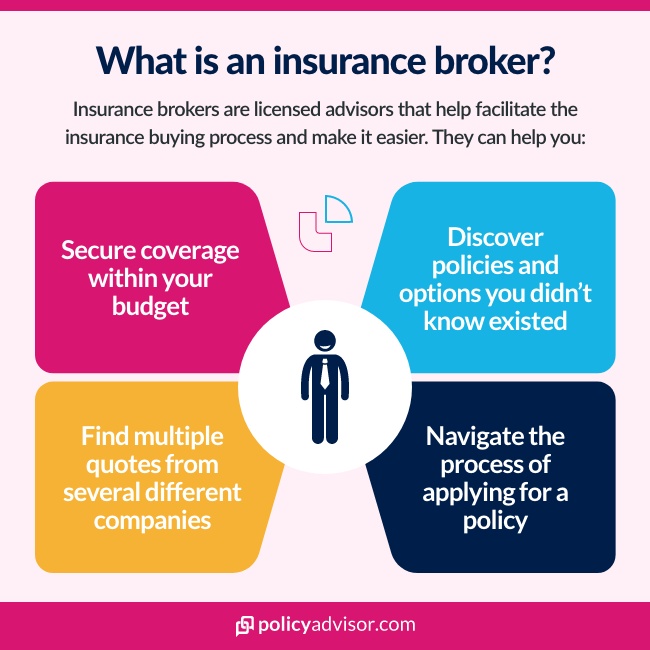
A captive agent is an employee or exclusive representative of one insurance carrier. Their primary loyalty is to the brand they represent. A broker, conversely, acts as a legal representative of the consumer. This distinction is critical because it introduces a level of fiduciary-like responsibility. A broker has access to dozens of different carriers—ranging from global giants to niche, high-net-worth specialists—allowing them to shop your profile across the entire market to find the optimal price-to-protection ratio.
Mitigating Long-Term Risk
A significant part of personal finance is risk management. A car insurance broker does more than find a low rate; they conduct a thorough gap analysis of your current coverage. They look for vulnerabilities such as inadequate liability limits that could expose your personal savings or property to lawsuits in the event of a catastrophic accident. By securing the right levels of uninsured motorist coverage and umbrella liability integration, a broker ensures that one mistake on the road doesn’t derail your entire financial future.
Where to Start Your Search for a Qualified Broker
Finding a high-quality broker requires a systematic approach, moving beyond simple internet searches to deeper professional vetting. Because your insurance portfolio is a component of your financial security, you should treat the selection process with the same rigor you would use when hiring an accountant or a financial advisor.
Leverage Professional Networks and Referrals
The most reliable way to find a competent broker is through word-of-mouth recommendations from other professionals in the financial sector. Ask your mortgage broker, tax professional, or estate attorney for recommendations. These professionals often work in tandem with insurance brokers to ensure their clients’ assets are protected. A referral from a trusted financial source usually leads to a broker who understands the complexities of asset protection and high-limit requirements.
Utilize State Regulatory Databases
Every car insurance broker must be licensed by the state in which they operate. Before engaging with a firm, visit your state’s Department of Insurance website. These portals allow you to verify a broker’s license status and, more importantly, check for any history of disciplinary actions or consumer complaints. A clean regulatory record is the baseline requirement for any professional managing your financial risks.
Industry Designations and Specializations
Look for brokers who have invested in their professional development through advanced certifications. Designations such as Chartered Property Casualty Underwriter (CPCU) or Certified Insurance Counselor (CIC) indicate a high level of technical expertise. These titles are not easily earned and signify that the broker has a deep understanding of policy language, risk assessment, and the legalities of insurance contracts. In the world of finance, specialized knowledge translates to better-structured policies and fewer surprises during the claims process.
Evaluating the Broker’s Financial Impact and Methodology
Once you have a shortlist of potential brokers, the next phase is a formal evaluation of their process. A broker’s value is demonstrated through their methodology—how they analyze your needs and how they interact with the marketplace.
The Initial Risk Audit
A top-tier broker will not simply ask for your current “dec page” (declarations page) and try to beat the price. Instead, they will conduct a comprehensive interview regarding your financial situation. They will ask about your commuting habits, the drivers in your household, your total asset base, and your future financial goals. This holistic approach ensures that the insurance policy is integrated into your total financial plan. If a broker is only interested in your current premium, they are likely a “quote-chaser” rather than a strategic advisor.
Transparency in Compensation
In the interest of financial transparency, it is important to understand how your broker is compensated. Most brokers earn a commission paid by the insurance carrier, which is typically a percentage of the premium. Some brokers may charge a separate consulting fee, particularly for complex portfolios. Neither model is inherently better, but a professional broker should be willing to discuss their compensation structure openly. This transparency builds trust and ensures that the broker’s recommendations are motivated by your best interests.
Access to “A-Rated” Carriers
The financial strength of the insurance company itself is paramount. A broker should primarily work with carriers rated “A” (Excellent) or higher by credit rating agencies like A.M. Best. These ratings indicate the insurer’s ability to pay claims and maintain financial stability during economic downturns. A broker who can only provide quotes from “non-standard” or low-rated carriers may be putting your financial recovery at risk in the event of a major loss.
Strategic Questions to Ask Potential Brokers
To distinguish a mediocre broker from a high-performing financial partner, you must ask targeted questions during the initial consultation. These questions are designed to reveal the depth of their market access and their commitment to client advocacy.
“How many carriers will you shop my policy with?”
A broker with a limited stable of three or four carriers offers little more value than a captive agent. A robust brokerage should have access to 15 or more carriers, including regional players that often offer more competitive rates for specific demographics or geographic areas.
“How do you handle claims advocacy?”
This is perhaps the most critical question. When an accident occurs, the direct-to-consumer model leaves you to negotiate with a billion-dollar corporation’s claims department on your own. A dedicated broker acts as your advocate. They should have a dedicated claims liaison or a process for stepping in if a carrier is unfairly denying a claim or providing a low-ball settlement. This advocacy is a “hidden” financial benefit that can save you thousands of dollars in out-of-pocket costs.
“What is your process for annual renewals?”
Insurance markets are volatile, and rates fluctuate based on carrier loss ratios and inflation. A proactive broker does not just let your policy auto-renew. They should have a system in place to re-market your policy if your premium increases beyond a certain percentage, ensuring that you are always paying a fair market rate without you having to initiate the search yourself.
Integrating Technology and Professional Service
While the human element of a broker is essential for strategy, the best modern brokers utilize technology to enhance the client experience. When choosing a broker, look for those who balance traditional expertise with digital efficiency.
Client Portals and Digital Audits
A forward-thinking broker provides digital tools that allow you to view your entire insurance portfolio in one place. This transparency is vital for personal financial tracking. Being able to access ID cards, policy documents, and billing schedules through a secure portal ensures that you stay organized and never miss a payment, which could negatively impact your credit score or insurance history.
Data-Driven Rate Monitoring
Some brokers now use sophisticated software that monitors the market in real-time. If a new carrier enters the market or an existing carrier changes its “appetite” for a driver of your profile, the broker is alerted. This proactive use of technology ensures that your car insurance remains a “set and monitor” component of your finances rather than a “set and forget” one.

Conclusion: The Long-Term Financial Synergy
Finding a car insurance broker is a strategic move that pays dividends over time. By moving away from the transactional nature of direct insurance shopping and toward a professional advisory model, you gain access to expert risk assessment, broader market options, and vigorous claims advocacy.
In the broader context of money management, the goal is to protect what you have worked hard to build. A car insurance broker serves as a frontline defender of your net worth, ensuring that your liabilities are capped and your premiums are optimized. By following a rigorous selection process—verifying credentials, seeking professional referrals, and demanding transparency—you can secure a partner who will provide peace of mind and measurable financial value for years to come. Ultimately, the right broker doesn’t just find you a policy; they provide a tailored financial shield for the journey ahead.
aViewFromTheCave is a participant in the Amazon Services LLC Associates Program, an affiliate advertising program designed to provide a means for sites to earn advertising fees by advertising and linking to Amazon.com. Amazon, the Amazon logo, AmazonSupply, and the AmazonSupply logo are trademarks of Amazon.com, Inc. or its affiliates. As an Amazon Associate we earn affiliate commissions from qualifying purchases.