
In an era dominated by instant digital transfers, peer-to-peer payment apps, and cryptocurrency, the traditional paper check remains a surprisingly resilient fixture of the global financial landscape. Whether it is a federal tax refund, a payroll check from a local employer, or a thoughtful gift from a relative, millions of individuals find themselves holding a physical slip of paper that needs to be converted into spendable cash.
The question “where can I cash my check near me?” is more than a matter of geographic proximity; it is a question of financial strategy. Depending on where you choose to go, the process can range from being entirely free to costing a significant percentage of the check’s face value. This guide explores the diverse landscape of financial institutions, retail outlets, and digital tools available to help you navigate the complexities of check cashing while protecting your bottom line.
Traditional Banking Institutions: The Most Cost-Effective Choice
For those looking to maximize the amount of money they keep, traditional banks and credit unions are almost always the superior option. These institutions are designed to handle negotiable instruments and typically offer the lowest fees—or no fees at all—provided you follow specific protocols.
Cashing at Your Own Bank or Credit Union
If you maintain a checking or savings account, your first stop should always be your own financial institution. Most banks allow customers to cash checks drawn on any bank for free, provided the funds are verified or there is a sufficient balance in the account to cover the check if it bounces. This is the most professional and secure way to handle liquidity, as it also allows you to deposit a portion of the funds directly into your savings, fostering better long-term financial health.
Cashing at the Issuing Bank
If you do not have a bank account, you can still visit a bank to cash a check—specifically, the bank that issued the check. You can identify the issuing bank by looking at the logo or the name printed on the front of the check. While banks are not legally required to cash checks for non-customers, many will do so for a flat fee (typically ranging from $5 to $15) or a small percentage of the total. This is often cheaper than specialized check-cashing stores and ensures that the funds are legitimate and available immediately.
Understanding “Hold” Policies
It is important to understand that even at a bank, your funds may not be available instantly. Under the Federal Reserve’s Regulation CC, banks can place “holds” on deposited checks, especially if the amount is large or the account is new. If you need cash immediately, verify the bank’s availability policy before finalizing the transaction.
Retailers and Grocery Stores: Convenience and Low Fees
For many, the most convenient answer to “where can I cash my check near me?” lies in the local grocery store or a big-box retailer. These businesses offer check-cashing services as a “loss leader” or a convenience service to encourage customers to shop while they have cash in hand.
Major National Retailers
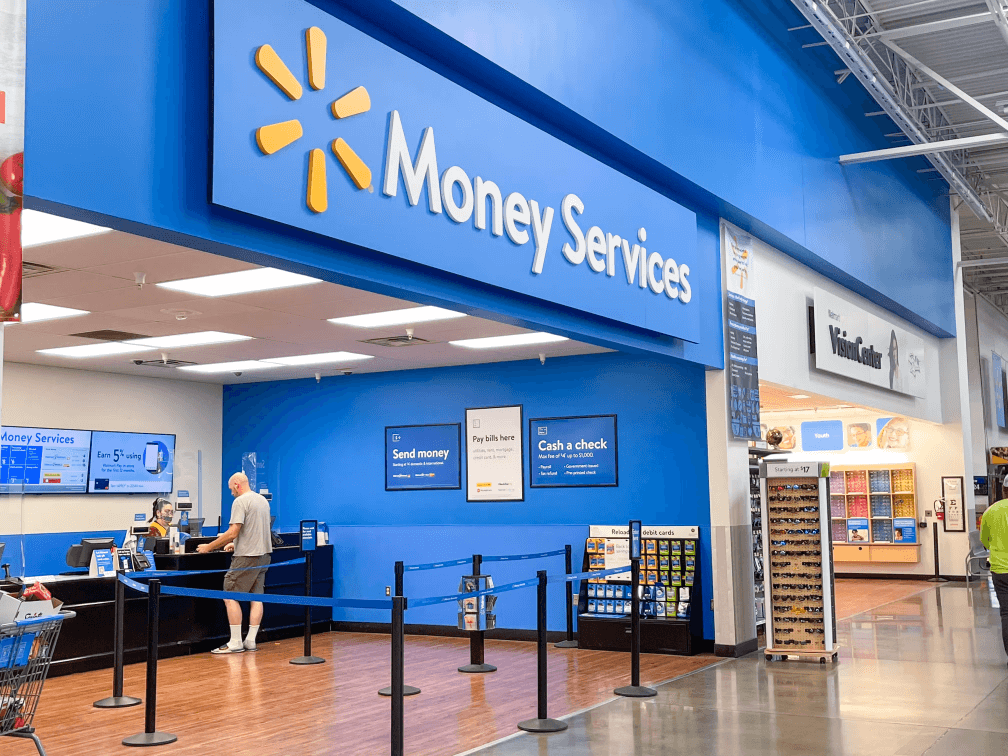
Retail giants like Walmart have revolutionized the check-cashing market for the unbanked and underbanked. Walmart, for instance, offers cashing for payroll, government, tax, and even some insurance checks. Their fee structure is usually transparent, often charging a flat rate for checks up to a certain amount (e.g., $4 for checks up to $1,000). This is significantly more affordable than the predatory rates often found at specialized “fringe” financial centers.
Regional Grocery Chains
Many regional grocery chains, such as Kroger, Publix, and H-E-B, provide similar services through their “Money Services” or customer service desks. These locations are ideal for individuals who work non-traditional hours, as grocery stores are often open earlier and later than standard bank branches. However, be aware that many grocery stores have strict limits on the type of checks they accept; they rarely accept personal checks (checks written from one individual to another) due to the higher risk of fraud.
Pharmacies and Convenience Stores
While less common, some large-scale pharmacy chains and 24-hour convenience stores offer basic check-cashing services. These should be approached with caution, as their fees may be higher and their limits lower than those of a dedicated grocery store or bank.
Dedicated Check-Cashing Services: Speed and Accessibility

When banks are closed and retail stores cannot verify a specific type of check, specialized check-cashing outlets fill the gap. These businesses exist specifically to provide immediate liquidity, but that service comes at a premium price.
24/7 Check-Cashing Outlets
In urban environments, franchises like PLS, Money Mart, and Check Into Cash offer 24/7 availability. This is a critical resource for workers on the night shift or those facing immediate financial emergencies. The primary advantage here is the lack of “red tape”—they are often willing to cash a wider variety of checks, including handwritten personal checks and out-of-state checks, which banks and retailers might reject.
Payday Loan Centers and Their Fee Structures
It is vital to distinguish between simple check cashing and payday lending, though they often happen under the same roof. When cashing a check at these locations, you will likely pay a percentage of the check (often 1% to 5% or more). While this may seem small, cashing a $2,000 payroll check with a 3% fee results in a $60 loss—a significant amount for a working household. Use these services strategically and only when lower-cost options are unavailable.
The Role of Post Office and Money Orders
In some regions, the local post office or specialized “remittance” centers can assist, especially if the check in question is a government-issued money order. These locations are highly regulated and provide a secure environment for financial transactions, though they are less versatile than a standard bank.
Digital Solutions and Mobile Apps: The Virtual “Near Me”
In the digital age, “near me” doesn’t have to mean a physical walk to a brick-and-mortar store. Your smartphone can serve as a portable teller, allowing you to cash or deposit checks from your living room.
Mobile Deposit via Banking Apps
If you have a bank account, the most efficient way to “cash” a check is via a mobile deposit app. By taking a photo of the front and back of the endorsed check, you can initiate a transfer into your account. While this doesn’t put physical cash in your hand instantly, it avoids travel time and fees. Many modern “neobanks” (like Chime or Varo) offer “Instant Deposit” features for a small fee, making funds available within minutes rather than days.
Prepaid Card Apps and Third-Party Services
For those without a traditional bank account, apps like PayPal, Venmo, and Netspend offer “Cash a Check” features (often powered by Ingo Money). Users can take a photo of the check and choose between two options: “Money in Minutes” (for a fee, usually around 1% to 5%) or “Money in Days” (usually free if you can wait 10 days). The funds are then loaded onto a prepaid debit card or into a digital wallet, which can be used at an ATM or for online purchases.
Security and Fraud Prevention in Digital Cashing
When using digital tools, security is paramount. Ensure you are using a secure, private Wi-Fi connection and that the app is an official version. Digital check cashing also requires a high-quality camera and a well-lit environment to ensure the check’s MICR line (the numbers at the bottom) is legible for the software.
Important Considerations: Fees, Documentation, and Safety
Regardless of where you choose to cash your check, certain “rules of the road” apply across the financial sector. Being prepared will save you time and prevent the frustration of being turned away.
Required Documentation and Identification
You cannot cash a check without valid, government-issued photo identification. This typically includes a driver’s license, a state ID, a passport, or a military ID. Some retailers may also require a secondary form of identification or a social security number for tax reporting purposes if the check amount exceeds a certain threshold (usually $600 or $1,000).
Understanding the Total Cost of Liquidity
Before handing over your check, always ask for the total fee. Some places charge a flat “transaction fee” plus a “percentage fee.” For example, a store might charge $2 plus 1.5% of the check’s value. On a $500 check, that’s $9.50. Over the course of a year, these fees can add up to hundreds of dollars—money that could otherwise be directed toward savings or investments.
Safety and Privacy Concerns
Walking out of a check-cashing store or a grocery store with a large amount of physical cash carries inherent risks. Whenever possible, try to cash checks during daylight hours, bring a friend, and be discreet when counting your money. This is one of the primary reasons financial advisors recommend using a bank account; the ability to move funds digitally is not only cheaper but significantly safer than carrying large sums of currency.

Conclusion
Navigating the world of check cashing requires a balance of convenience, speed, and cost. While “near me” might lead you to the closest convenience store, a 10-minute drive to your issuing bank or using a mobile app could save you a significant portion of your hard-earned money. By understanding the different tiers of financial services—from traditional banks to digital wallets—you can make informed decisions that support your immediate needs while protecting your long-term financial stability.
aViewFromTheCave is a participant in the Amazon Services LLC Associates Program, an affiliate advertising program designed to provide a means for sites to earn advertising fees by advertising and linking to Amazon.com. Amazon, the Amazon logo, AmazonSupply, and the AmazonSupply logo are trademarks of Amazon.com, Inc. or its affiliates. As an Amazon Associate we earn affiliate commissions from qualifying purchases.