
In the world of investing, timing is often just as important as the asset itself. For the uninitiated, the stock market can seem like a chaotic, 24-hour engine of global finance. However, for those focused on equities, bonds, and traditional commodities, the market operates within a strictly defined schedule. Understanding when the market closes is not merely about knowing when the lights go out on the trading floor; it is about understanding liquidity, volatility, and the strategic windows that institutional and retail investors use to execute their trades.

For the modern investor, the question “When does the market close?” has several layers. While there is a standard answer for major U.S. exchanges, the reality involves pre-market sessions, after-hours trading, global time zone overlaps, and the unique 24/7 nature of decentralized assets like cryptocurrency.
Understanding the Standard Trading Session
The heartbeat of the global financial system resides in the major U.S. exchanges: the New York Stock Exchange (NYSE) and the NASDAQ. For most retail investors, the “market” refers to these two institutions.
The Core Hours of the NYSE and NASDAQ
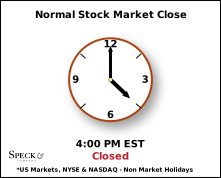
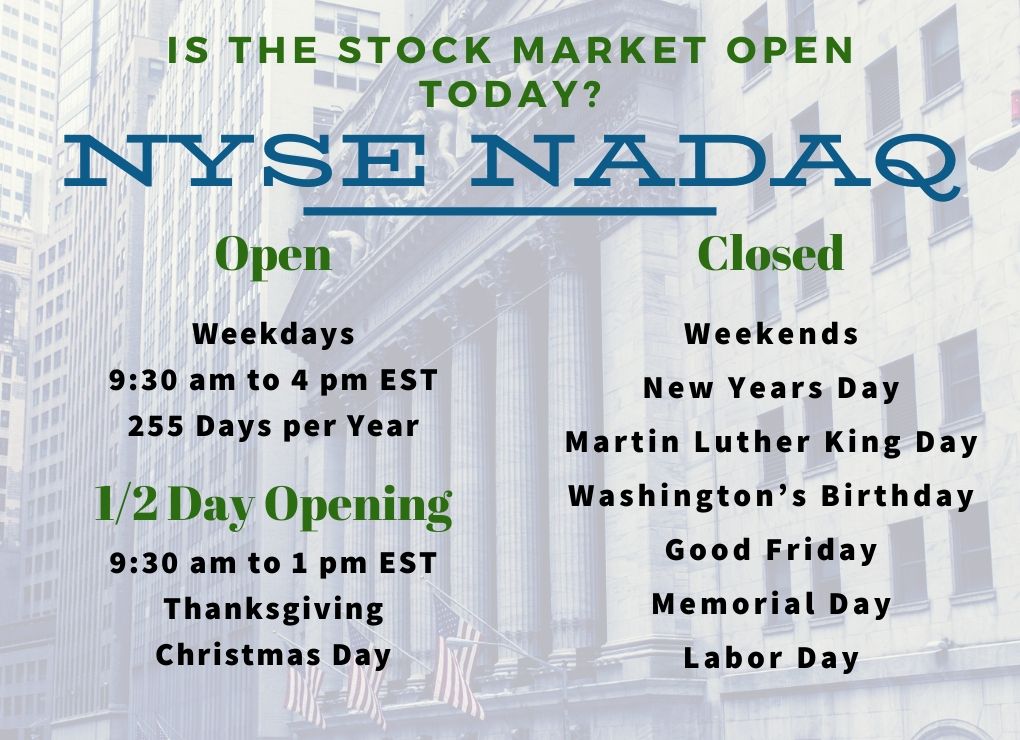
The standard trading session for the NYSE and NASDAQ is from 9:30 AM to 4:00 PM Eastern Time (ET), Monday through Friday. These hours represent the period of highest liquidity, meaning there are more buyers and sellers active during this window than at any other time of the day. Because of this high volume, the “bid-ask spread”—the difference between what a buyer is willing to pay and what a seller is willing to accept—is typically at its narrowest, making it the most cost-effective time to trade.
The Significance of the Opening and Closing Bells
The opening and closing bells are more than just ceremonial traditions. They mark the beginning and end of the “continuous trading” session. The closing bell at 4:00 PM ET triggers the “closing auction,” a sophisticated process where the exchange matches as many buy and sell orders as possible to determine the official closing price of a stock. This closing price is critical because it is used by mutual funds to calculate their Net Asset Value (NAV) and by analysts to chart historical performance. For many institutional investors, the final minutes of the trading day are the most important, as they rebalance portfolios and finalize positions before the day ends.
Beyond the Bell: Extended Hours Trading
While the primary market “closes” at 4:00 PM ET, the digital nature of modern finance means that trading does not actually stop. This is known as extended-hours trading, which allows investors to react to news that occurs outside of the standard 9:30 AM to 4:00 PM window.
How Pre-Market and After-Hours Sessions Work
The after-hours session typically runs from 4:00 PM to 8:00 PM ET. Similarly, there is a pre-market session that begins as early as 4:00 AM ET and runs until the official opening at 9:30 AM. These sessions are conducted via Electronic Communication Networks (ECNs), which automatically match buy and sell orders.
Most major brokerage platforms now offer access to extended hours, but the experience is significantly different from the standard day session. During these hours, trading volume is much lower. Most institutional players and retail investors are not active, which can lead to wild price swings based on very little news.
Risks and Rewards of Trading Outside Standard Hours
The primary reason investors use the after-hours market is to react to corporate earnings reports or major economic news that breaks after the 4:00 PM bell. If a company reports stellar earnings at 4:15 PM, its stock price might jump 10% in the after-hours session.
However, the risks are substantial. Because there are fewer participants, liquidity is thin. This results in wider bid-ask spreads, meaning you might have to pay a significant premium to buy a stock or accept a lower price to sell it. Furthermore, the price movements seen in the after-hours session do not always hold when the regular market opens the following morning. It is not uncommon for a stock to soar in the after-hours only to “gap down” once the full weight of the market’s liquidity returns at 9:30 AM.
Global Market Clocks: When the World Trades
For the diversified investor, the U.S. market is only one piece of the puzzle. The global financial system is a relay race, with one market closing as another opens across different time zones.
Major International Exchanges and Time Zones
Understanding the closing times of international markets is essential for those trading foreign stocks or tracking global economic health.
- London Stock Exchange (LSE): Operates from 8:00 AM to 4:30 PM Greenwich Mean Time (GMT).
- Tokyo Stock Exchange (TSE): Trades from 9:00 AM to 3:00 PM Japan Standard Time (JST), notably including a lunch break from 11:30 AM to 12:30 PM.
- Hong Kong Stock Exchange (HKEX): Generally trades from 9:30 AM to 4:00 PM local time, also featuring a midday break.
The overlap between these markets—such as the early morning hours in New York when the London market is still open—often sees a spike in volatility and volume, particularly in the currency (Forex) markets.
The 24/7 Nature of the Cryptocurrency Market
In stark contrast to traditional equity markets, the cryptocurrency market never closes. Whether it is 3:00 AM on a Tuesday or noon on Christmas Day, Bitcoin, Ethereum, and other digital assets are tradeable. This 24/7 cycle has fundamentally changed the psychology of modern trading, removing the “cooling-off” period that the daily close provides to traditional markets. For investors in this niche, the concept of a “closing price” is usually pegged to 12:00 AM UTC to maintain a standard for daily reporting.
Market Holidays and Early Closures
Even during the work week, the market does not always follow its standard schedule. Federal holidays and specific seasonal traditions can alter when the market closes or whether it opens at all.
Federal Holidays and the Trading Calendar
The NYSE and NASDAQ observe several federal holidays in the United States, during which the markets are closed entirely. These include:
- New Year’s Day
- Martin Luther King, Jr. Day
- Presidents’ Day
- Good Friday
- Memorial Day
- Juneteenth
- Independence Day (July 4th)
- Labor Day
- Thanksgiving Day
- Christmas Day
When these holidays fall on a weekend, the market usually closes on the preceding Friday or the following Monday. Being aware of these dates is crucial for managing “margin” positions and ensuring that you aren’t caught in a liquidity trap over a long weekend.
The Phenomenon of Half-Day Trading
There are specific days when the market closes early, typically at 1:00 PM ET. The most notable examples occur on the day after Thanksgiving (Black Friday) and sometimes on Christmas Eve, depending on which day of the week it falls. These early closures usually see very low trading volume, as many institutional traders take the day off. Low volume can lead to “choppy” price action, where small trades have an outsized impact on price movement.
Strategic Considerations for the Market Close
For seasoned investors and day traders, the final hour of the trading day—often called “The Power Hour”—is the most critical time for strategy.
Why Volatility Spikes at 4:00 PM ET
The period leading up to the 4:00 PM close often sees a surge in volatility. This is driven by institutional rebalancing. Pension funds, ETFs, and mutual funds that are required to track specific indices must ensure their holdings reflect the index’s composition by the time the market closes. Furthermore, day traders who do not wish to hold positions overnight must liquidate their holdings before the bell, adding to the flurry of activity. This concentration of volume can create opportunities for profit, but it also carries higher risk for those caught on the wrong side of a sudden price swing.
Executing Orders: MOC (Market-on-Close) vs. Limit Orders
How you choose to exit a position at the close matters. Many professional investors use “Market-on-Close” (MOC) orders. An MOC order guarantees that the trade will be executed as close to the official closing price as possible. These are particularly useful for those who want to ensure they are fully “out” of a position before the day ends.
In contrast, retail investors are often encouraged to use Limit Orders. A limit order allows you to set a specific price at which you are willing to sell. If the market becomes overly volatile in the final seconds before 4:00 PM, a limit order protects you from selling at an unexpectedly low price during the “closing auction” chaos.
Conclusion
Knowing when the market closes is a fundamental requirement for anyone serious about managing their money. While the 4:00 PM ET bell signals the end of the standard session for U.S. stocks, the modern financial landscape is a complex web of extended hours, global sessions, and 24/7 digital asset trading.
By understanding these timelines, investors can better manage their risks, take advantage of liquidity windows, and avoid the pitfalls of low-volume trading. Whether you are a long-term investor or a tactical trader, the clock is just as important as the ticker symbol. Successful wealth management requires not just knowing what to buy, but knowing exactly when the window of opportunity opens—and when it slams shut.
aViewFromTheCave is a participant in the Amazon Services LLC Associates Program, an affiliate advertising program designed to provide a means for sites to earn advertising fees by advertising and linking to Amazon.com. Amazon, the Amazon logo, AmazonSupply, and the AmazonSupply logo are trademarks of Amazon.com, Inc. or its affiliates. As an Amazon Associate we earn affiliate commissions from qualifying purchases.