
The intersection of tax policy and personal finance has rarely been as buzzed-about as the recent proposals regarding a “no tax on tips” policy. For millions of Americans working in the hospitality, beauty, and service sectors, the prospect of taking home 100% of their gratuities without federal intervention is a potentially life-changing financial shift. However, moving from a campaign slogan to an implemented IRS regulation is a complex journey. Understanding the timeline, the financial mechanics, and the broader economic implications is essential for anyone whose livelihood depends on the generosity of customers.
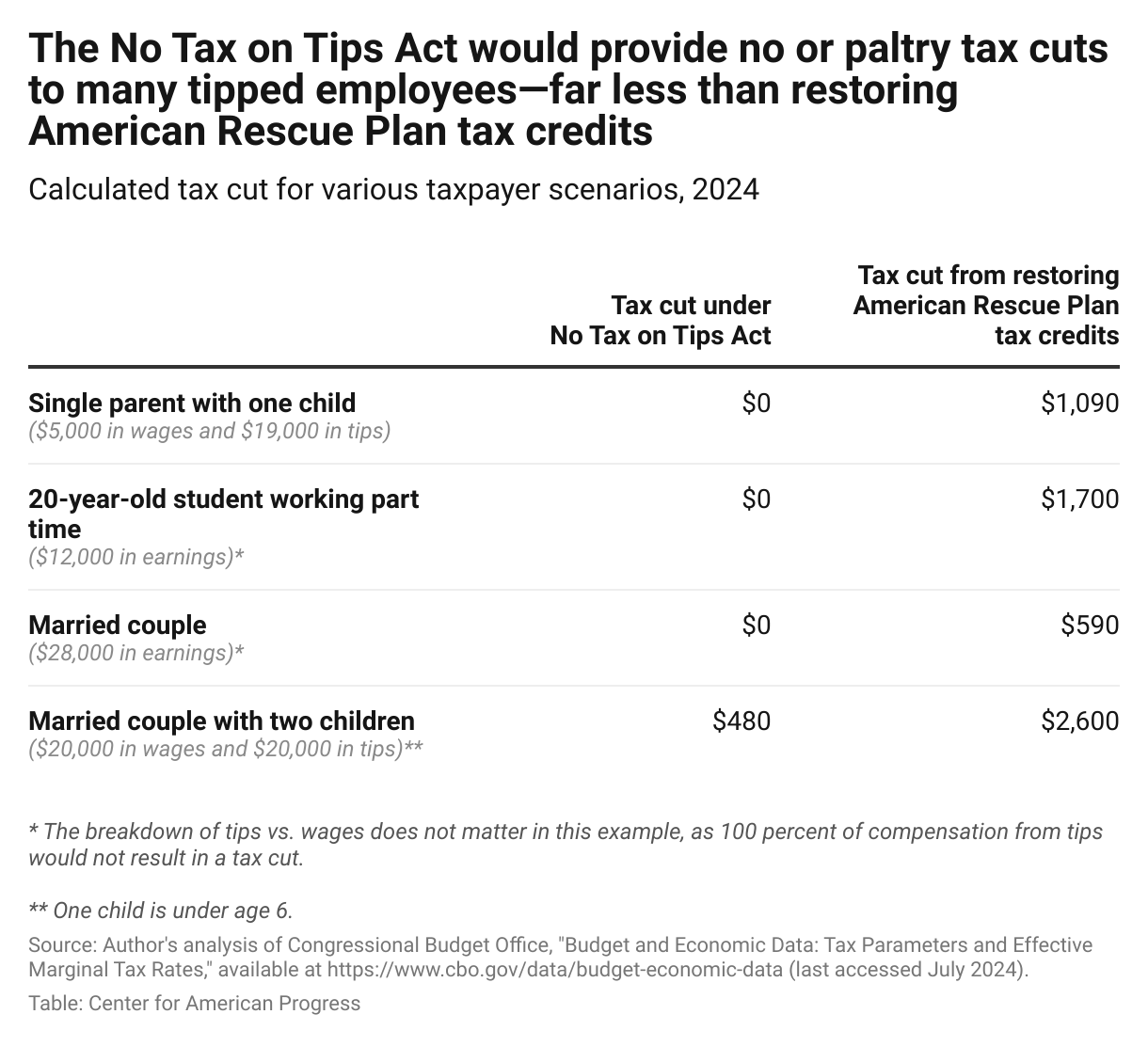
Understanding the “No Tax on Tips” Proposal: Context and Current Status
To answer the question of when this policy might start, one must first understand that it is currently in the legislative proposal stage. As of mid-2024, the concept has gained significant bipartisan interest, appearing in various policy platforms. However, it is not yet the law of the land.
The Legislative Roadmap: How a Proposal Becomes Law
In the United States, tax laws are governed by the Internal Revenue Code. For a “no tax on tips” policy to take effect, Congress must pass a bill—such as the “No Tax on Tips Act”—which must then be signed into law by the President. Typically, major tax overhauls are bundled into larger reconciliation bills or year-end legislative packages.
If such a bill were passed in late 2024 or early 2025, the earliest “start date” would likely be the beginning of the following tax year (January 1, 2026). However, some provisions can be made retroactive, though this is less common for payroll-related tax changes due to the administrative burden on employers.
Current Tax Regulations vs. Proposed Changes
Under current IRS guidelines, all tips are considered taxable income. This includes cash tips, tips added to credit card charges, and non-cash tips (like tickets or items of value). Employees are required to report tips to their employers, who then withhold Social Security, Medicare, and federal income taxes.
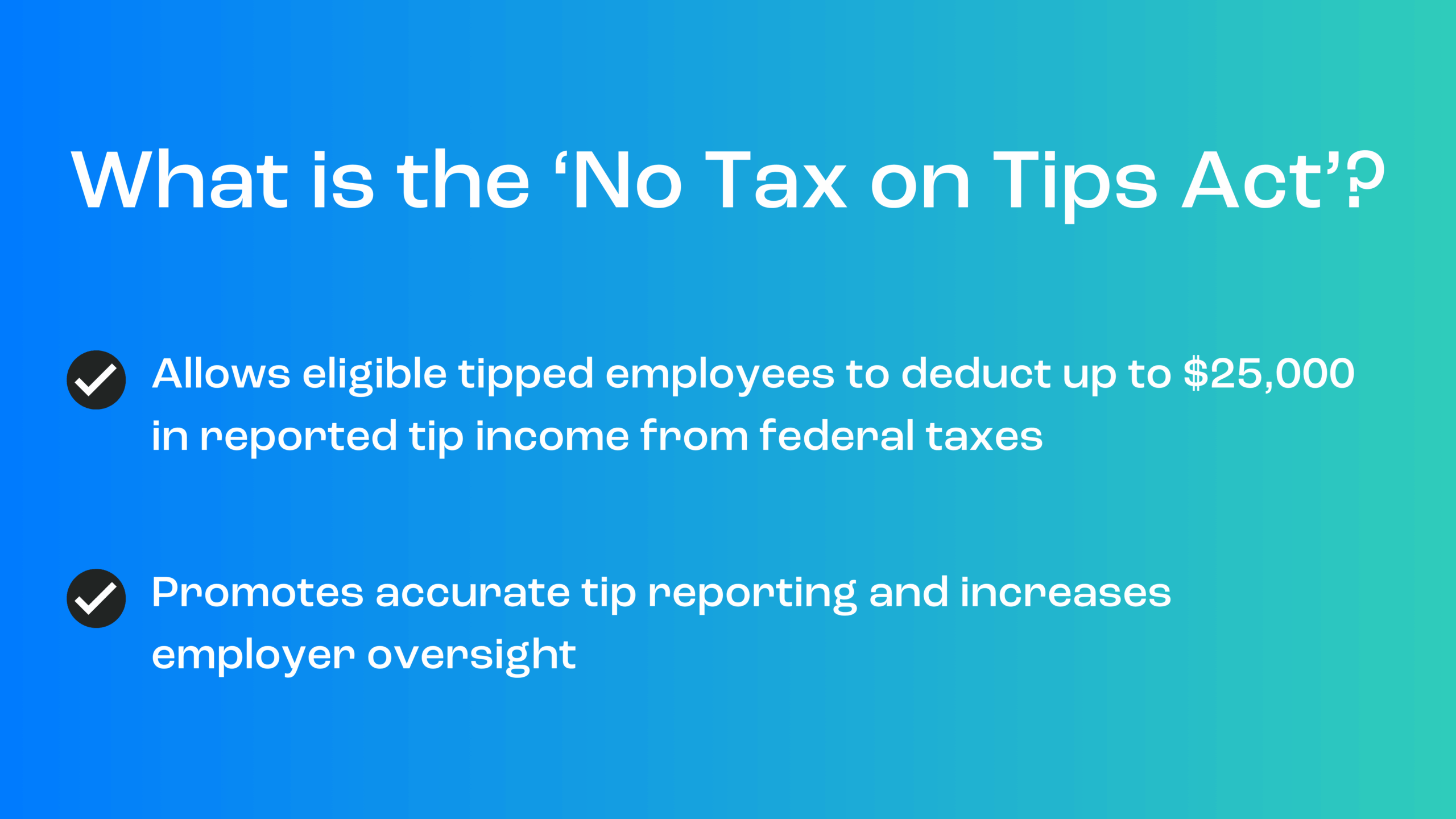
The proposed change aims to exempt these earnings from federal income tax. Some versions of the proposal also suggest exempting tips from payroll taxes (Social Security and Medicare), though this is more controversial because it impacts future retirement benefits.
The Financial Impact on Service Workers and Tipped Professionals
For the individual service worker, the elimination of taxes on tips represents a direct increase in liquidity. In the world of personal finance, this is equivalent to a significant raise without a change in job title or hours worked.
Calculating Potential Increases in Take-Home Pay
Consider a server in a high-volume restaurant earning $30,000 a year in tips. Under current laws, after federal income tax and the employee’s share of FICA (7.65%), that server might be losing $5,000 to $7,000 annually to taxes on those tips alone.
If the “no tax on tips” policy starts, that $5,000 to $7,000 stays in the worker’s pocket. From a wealth-building perspective, if that additional income were diverted into a Roth IRA or a high-yield savings account, it could transform a service-level income into a foundation for long-term financial independence.
Long-term Financial Planning: Social Security and Retirement Concerns
While “no tax” sounds exclusively positive, there is a nuance that financial advisors are watching closely. Social Security benefits are calculated based on your reported “taxable earnings” throughout your life. If tips are no longer taxed and therefore not reported as part of the Social Security wage base, service workers might find themselves with significantly lower monthly benefits when they reach retirement age.
Financial planning for service workers under this new regime would require a shift toward private retirement accounts (like IRAs) to compensate for the potential reduction in federal social safety nets.
Business Strategy and the Evolving Landscape of Hospitality Finance
The “no tax on tips” policy doesn’t just affect the person receiving the tip; it reshapes the financial ecosystem of the business itself. Business owners and CFOs in the hospitality sector must prepare for how this change will affect their payroll structures and tax credits.
How Employers Might Adjust Base Wages
One of the primary concerns for business finance experts is “wage compression” and “base wage adjustments.” If tips become tax-free, they become exponentially more valuable than base hourly wages, which remain taxable. This could lead to a shift where employers lower base wages (where legal under minimum wage laws) or where employees demand more “tipped” shifts over managerial or non-tipped roles.
Businesses will need to re-evaluate their compensation packages to ensure that non-tipped staff (like kitchen workers or “back of house” employees) are not financially disadvantaged compared to their tax-exempt colleagues in the “front of house.”
Accounting and Payroll Software Integration
The implementation of a “no tax on tips” rule would require a massive overhaul of payroll accounting software. Currently, systems are designed to aggregate tips and wages to calculate withholding.
Financial tools and software providers (like Gusto, ADP, or Square Payroll) would need to update their algorithms to treat tips as a separate, non-taxable line item while still potentially tracking them for state tax purposes (unless states follow the federal lead). For small business owners, this transition will require careful coordination with CPAs to ensure compliance during the transition year.
Macroeconomic Implications: Inflation, Deficits, and Consumer Behavior
When looking at the “Money” niche from a high level, we must consider the broader economic ripple effects. Removing a segment of income from the tax base has consequences for the federal budget and the value of the dollar.
The Federal Deficit and Tax Revenue Gaps
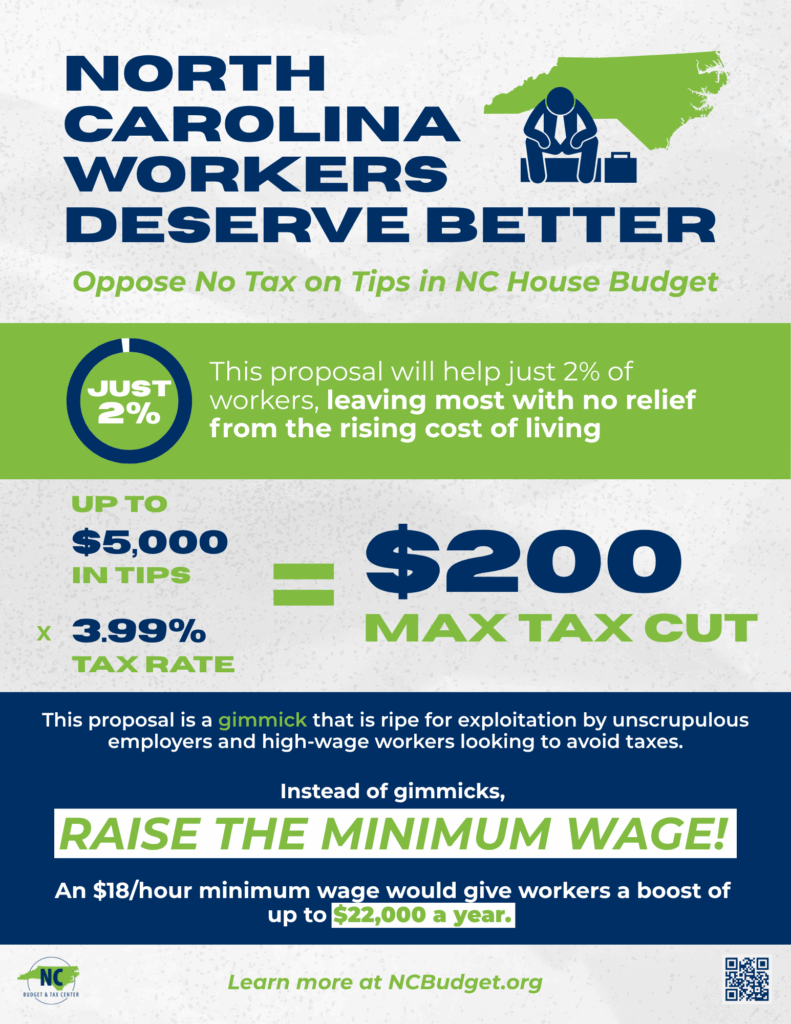
Estimates from non-partisan budget groups suggest that eliminating taxes on tips could reduce federal tax revenue by $150 billion to $250 billion over ten years. In the context of the federal deficit, this revenue must either be made up through other taxes, spending cuts, or increased borrowing. Investors and market analysts watch these figures closely, as significant increases in the deficit can influence interest rates and inflationary pressures.
Potential Shifts in Gratuity Culture and Pricing
If consumers know that their tips are tax-free for the recipient, will they tip more or less? There is a psychological component to financial transactions. Some economists argue that “tax-free tips” might lead to “tip inflation,” where customers feel more empowered to reward service. Conversely, businesses might use the policy as an excuse to raise menu prices, knowing that the “net pay” of their staff has effectively increased due to the tax break.
Preparing Your Finances for Potential Tax Shifts
While the “start date” for a no-tax-on-tips policy remains speculative until legislation is signed, savvy financial actors should begin preparing for a shift in the landscape.
Budgeting for Variable Income
The greatest challenge in the personal finance of service workers is the volatility of income. Tips fluctuate by season, day of the week, and economic climate. If tips become the primary “untaxed” engine of a worker’s wealth, creating a “floor” budget becomes even more critical.
Workers should use financial tools and apps to track their average daily tip intake. By understanding the “effective” increase in their pay once taxes are removed, they can more accurately allocate funds toward emergency savings—which should ideally cover 3–6 months of expenses, regardless of tax status.
Consulting with Financial Professionals
If you are a high-earning tipped professional—such as a fine-dining captain, a high-end stylist, or a casino host—the tax savings could be substantial enough to move you into a different investment bracket.
It is advisable to consult with a tax professional who understands the specific nuances of the service industry. They can help you determine if the lack of tax withholding on tips will result in an “underpayment” of other taxes (like state taxes) or if you need to adjust your withholding on your base hourly pay to avoid a surprise bill at the end of the year.
Conclusion
The question of “when will no tax on tips start” is currently answered by the pace of the American legislative process. While the potential for an early 2026 implementation exists, the financial implications are already being calculated by workers and business owners alike.
This policy represents a fundamental shift in how we value service-based labor. By turning tips into a tax-advantaged form of income, the government could provide an immediate boost to the “side hustle” economy and the traditional service sector. However, this windfall requires disciplined personal financial management to ensure that today’s tax savings don’t become tomorrow’s retirement shortfall. As the legislative dust settles, staying informed on the nuances of tax law will be the best way to ensure your money works as hard for you as you do for your customers.
aViewFromTheCave is a participant in the Amazon Services LLC Associates Program, an affiliate advertising program designed to provide a means for sites to earn advertising fees by advertising and linking to Amazon.com. Amazon, the Amazon logo, AmazonSupply, and the AmazonSupply logo are trademarks of Amazon.com, Inc. or its affiliates. As an Amazon Associate we earn affiliate commissions from qualifying purchases.