
In the realm of personal finance, few line items are as volatile or as psychologically taxing as the cost of airfare. For the savvy individual looking to optimize their portfolio and manage cash flow, understanding the “best time” to buy airline tickets is not merely a matter of luck; it is a strategic exercise in market timing, yield management analysis, and capital allocation.
Airlines employ some of the most sophisticated dynamic pricing algorithms in the global economy. These systems are designed to maximize revenue per available seat mile (RASM) by fluctuating prices based on demand, competitor movements, and historical data. To the consumer, this can feel like an erratic game of chance. However, from a financial perspective, there are discernible patterns and economic principles that, when mastered, can result in significant savings that can be redirected into investments, retirement accounts, or additional business ventures.
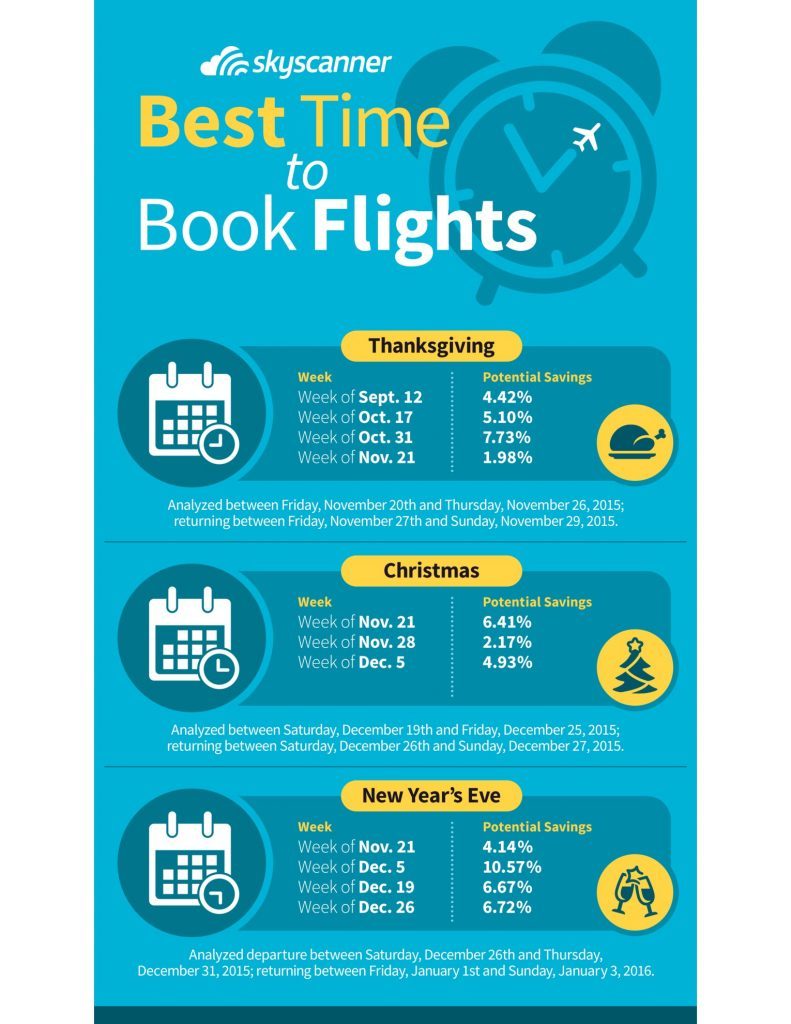
The Financial Landscape of Dynamic Pricing and Yield Management
To understand when to buy, one must first understand how airlines price their inventory. This is a study in microeconomics. Airlines do not sell “a seat”; they sell “buckets” of inventory. Each bucket represents a different price point for the same physical space on the aircraft.
Supply and Demand Cycles in Aviation
At its core, airfare is a commodity subject to the laws of supply and demand. Unlike physical goods, airline seats are “perishable” inventory. Once a plane takes off, any empty seat represents a 100% loss of potential revenue for that unit. Consequently, airlines use predictive modeling to ensure they fill as many seats as possible at the highest price the market will bear.
Early in the booking cycle, airlines release their lowest-priced buckets to secure a baseline of capital and ensure the flight is viable. As the departure date approaches and the supply of seats diminishes, the price for the remaining inventory typically increases, targeting business travelers whose demand is “inelastic”—meaning they are willing to pay a premium for specific dates and times, regardless of cost.
The Cost of Procrastination vs. Early Capital Commitment
From a money management perspective, there is a tension between “buying now” and “holding capital.” Buying a ticket six months in advance is an opportunity cost; that money could be earning interest in a high-yield savings account or an index fund. However, the “inflation” of airfare prices as the departure date nears usually far outstrips any 5% annual percentage yield (APY) you might earn on that cash. Therefore, the financial “ROI” on booking during the optimal window is significantly higher than the interest earned on holding the funds.
Strategic Timing: Identifying the Data-Driven Booking Windows
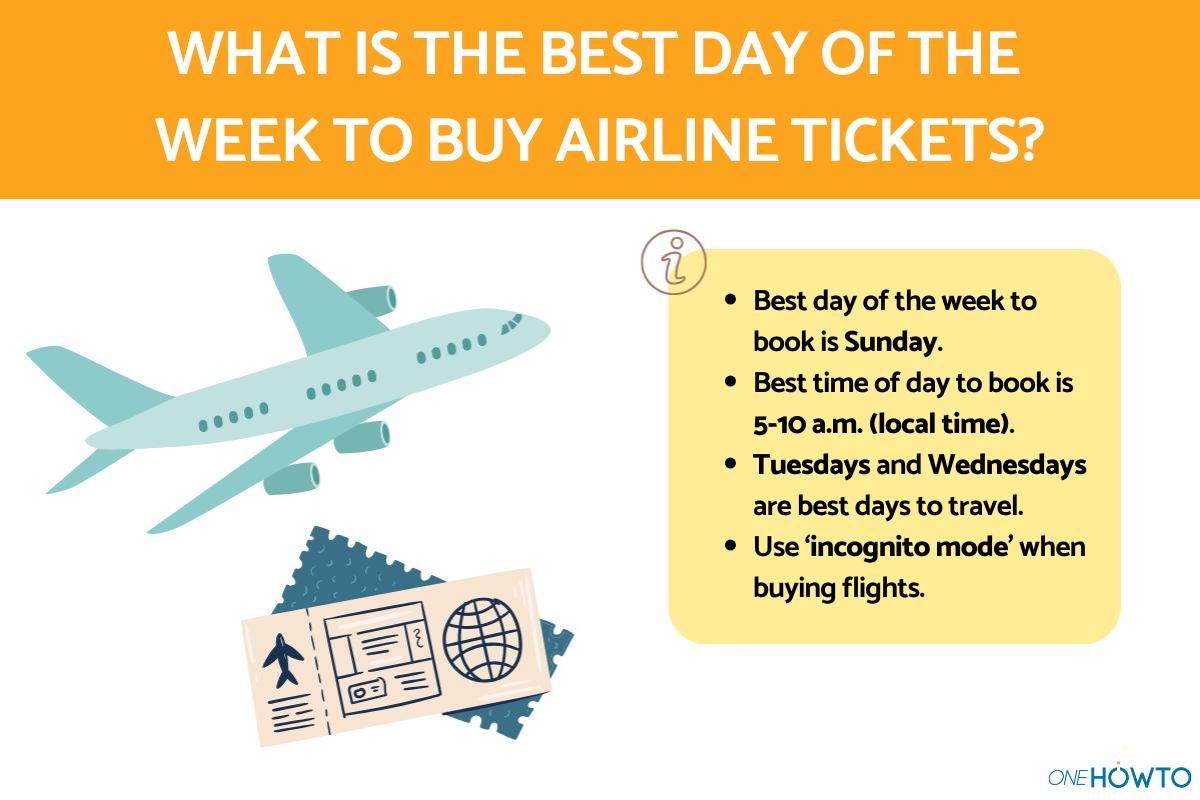
While the myth of “booking on a Tuesday at 3:00 AM” has been largely debunked by modern algorithmic shifts, there are still statistically significant “sweet spots” where the intersection of supply and demand creates the lowest price point for the consumer.
The Domestic Sweet Spot and Market Timing
For domestic travel within a single continent, the financial “Goldilocks” zone typically falls between one and three months before departure. During this window, airlines have a clear picture of their current load factors and will often adjust prices downward if a flight is underperforming.
If you book too early (more than six months out), you are often paying a “base rate” that hasn’t been adjusted for market competition. If you book too late (less than 21 days out), you fall into the “corporate booking” window where prices spike. In financial terms, the 21-day mark is a critical threshold; this is when many discounted fare classes are retired, and the airline shifts its strategy to capture high-margin, last-minute business revenue.
International Long-Term Planning and Currency Considerations
International travel requires a different financial strategy. Because these flights involve higher operational costs (fuel, landing fees, and staffing), airlines are more conservative with their pricing. The optimal booking window for international travel is generally four to eight months in advance.
Furthermore, the sophisticated traveler considers the “currency play.” When booking international carriers, fluctuating exchange rates can impact the “real cost” of a ticket. If the US Dollar is particularly strong against the Euro, booking a flight on a European carrier priced in Euros can result in a net discount when the transaction is cleared by your financial institution.

Seasonal Fluctuations and Budget Allocation
Budgeting for travel must account for “Peak” and “Shoulder” seasons. From a wealth management perspective, traveling during peak holidays (December or July) is a “high-cost/low-value” activity. By shifting travel to the “shoulder season” (the periods between peak and off-peak), a traveler can often secure premium cabin seating for the price of an economy ticket during peak season. This is a classic example of “lifestyle arbitrage”—getting more value for the same dollar by timing the market correctly.
Leveraging Financial Tools and Credit Optimization
Buying a ticket is only half of the financial equation. The method of purchase is equally vital for maximizing the return on your expenditure.
Travel Reward Systems and Points Arbitrage
For those focused on maximizing their net worth, credit card points and airline miles are a form of “private currency.” The best time to buy a ticket is often when you can achieve a high “cents per point” (CPP) valuation.
If a flight costs $1,000 but can be purchased for 50,000 miles, you are achieving a 2-cent-per-mile valuation. If that same flight drops to $500, but still costs 50,000 miles, the valuation drops to 1 cent. Financially, it makes more sense to pay cash when prices are low and save your “miles currency” for when cash prices are high. This type of arbitrage ensures that your liquid capital and your points-based assets are both working at peak efficiency.
Utilizing Price Tracking and Refund Protections
Modern financial tools allow consumers to hedge against price drops. Services that track prices and offer “price protection” are essential for the financially disciplined. Some premium credit cards and booking platforms now offer “price drop guarantees” where they will refund the difference if the price of a flight decreases after purchase. This removes the “timing risk” from the equation, allowing you to commit capital early while maintaining the upside of a potential market dip.
Business Finance and Corporate Travel Strategy
For entrepreneurs and business owners, the “best time to buy” is influenced by tax strategy and cash flow management. Airline tickets are often deductible business expenses, but they must be managed with the same rigor as any other operational cost.
Managing Reimbursable Expenses and Cash Flow
In a corporate environment, booking travel “just in time” can be a catastrophic waste of company capital. Establishing a “14-day or 21-day advance purchase” policy is one of the simplest ways to improve a company’s bottom line. By mandating that team members book during the optimal window, a business can reduce its travel overhead by 30% to 50% annually.
From a cash flow perspective, businesses might choose to book at the end of a fiscal quarter to maximize deductions or at the beginning of a quarter to preserve cash for other investments. The timing is not just about the price of the ticket, but where that expenditure fits on the balance sheet at that specific moment.
The Opportunity Cost of Flight Flexibility
When looking at the “best time” to buy, one must also calculate the “cost of flexibility.” Non-refundable tickets are cheaper but carry the risk of total loss. Fully refundable tickets carry a massive premium. For a business traveler, the “Money” decision involves calculating the probability of a meeting being canceled versus the premium paid for a flexible fare. Often, it is more financially sound to buy a non-refundable ticket and pay a change fee if necessary, rather than paying the 200% markup for a refundable ticket upfront. This is a classic risk-reward calculation used in insurance and derivatives trading.
Conclusion: The Disciplined Approach to Travel Spending
Ultimately, the best time to buy airline tickets is when the market price aligns with your personal or business “valuation” of that trip. By treating airfare as a financial asset rather than a simple consumer purchase, you can apply the principles of market timing, asset protection, and currency arbitrage to ensure you are never overpaying.
To summarize the financial strategy:
- Monitor the Windows: Target 1-3 months for domestic and 4-8 months for international.
- Evaluate the Currency: Use points when cash prices are high, and use cash when the ROI on points is low.
- Hedge Your Bets: Use tools that offer price protection to mitigate the risk of post-purchase price drops.
- Avoid the Inelastic Trap: Never book within the 21-day window unless the potential revenue from the trip far outweighs the exorbitant “last-minute” premium.
By maintaining this level of financial discipline, you transform travel from a draining expense into a well-managed component of your broader financial strategy. Savings in this area, compounded over time, represent a significant boost to your long-term wealth.
aViewFromTheCave is a participant in the Amazon Services LLC Associates Program, an affiliate advertising program designed to provide a means for sites to earn advertising fees by advertising and linking to Amazon.com. Amazon, the Amazon logo, AmazonSupply, and the AmazonSupply logo are trademarks of Amazon.com, Inc. or its affiliates. As an Amazon Associate we earn affiliate commissions from qualifying purchases.