
For most individuals and business owners, a vehicle represents the second-largest financial outlay after real estate. Consequently, the question of “where to buy cars” is not merely a matter of convenience or geographic proximity; it is a critical financial decision that impacts long-term wealth, liquidity, and asset depreciation. In an era of fluctuating interest rates and volatile used-car markets, understanding the financial landscape of automotive acquisition is essential for anyone looking to optimize their personal or corporate balance sheet.
This guide explores the primary avenues for car procurement through the lens of financial strategy, analyzing how different “locations”—from traditional showrooms to digital platforms—influence the total cost of ownership and the ultimate return on investment.
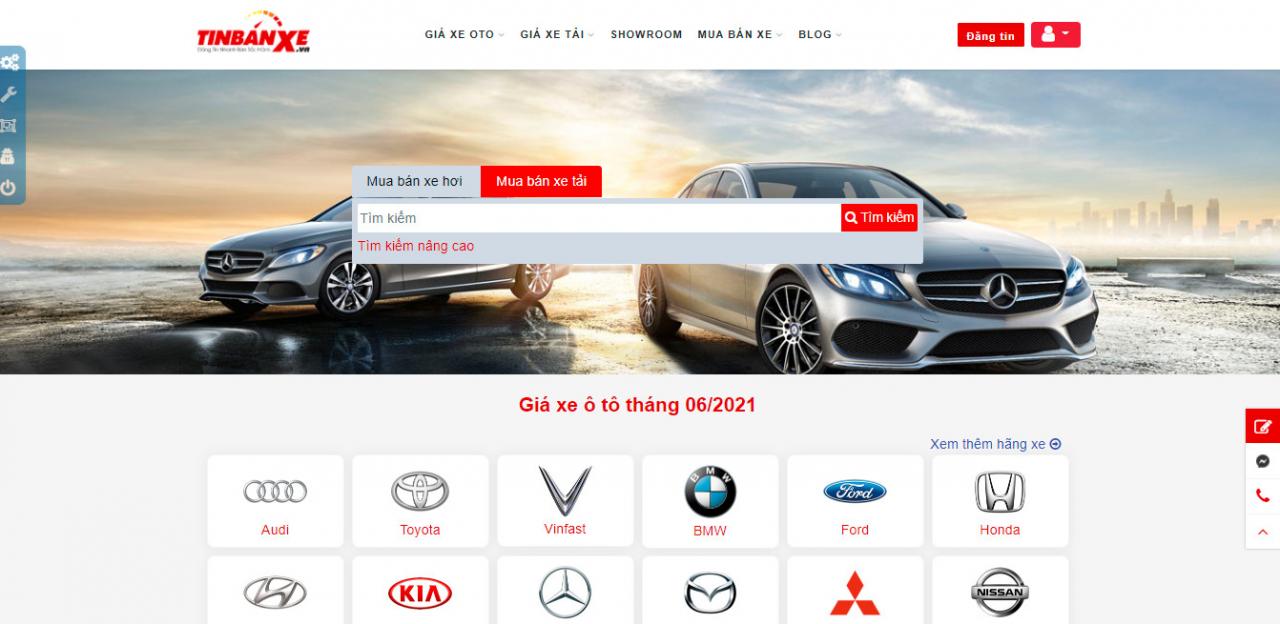
1. Traditional Dealerships vs. Private Sellers: Analyzing the Cost-Benefit Ratio
When deciding where to buy a car, the choice often begins with the fundamental divide between institutional sellers and individual private parties. From a financial perspective, this choice represents a trade-off between risk mitigation and raw purchase price.
The Premium of Professional Dealerships
Buying from a franchised or independent dealership typically carries a price premium. This markup covers the dealer’s overhead, including facility costs, staff commissions, and reconditioning expenses. However, for a buyer focused on financial security, this premium often translates to “insurance.” Dealerships are subject to consumer protection laws, such as “Lemon Laws” in many jurisdictions, and offer the convenience of on-site financing and trade-in opportunities. For a business, purchasing through a dealership can also simplify the tax documentation process for Section 179 deductions or depreciation schedules.
Private Party Transactions: High Risk, High Reward
If the primary goal is to minimize the initial capital outlay, the private market is often the most lucrative “location.” By removing the intermediary, buyers can often secure vehicles at “Blue Book” private-party values, which are significantly lower than retail. However, the financial risk is concentrated entirely on the buyer. Without a warranty or a return policy, a hidden mechanical failure can instantly evaporate any initial savings. Savvy investors in this space often mitigate this risk by budgeting for an independent Pre-Purchase Inspection (PPI), treating it as a necessary transaction cost to protect their principal investment.
2. Digital Marketplaces and E-commerce: Financing the Future of Car Buying
The rise of digital-first automotive retailers has shifted the “where” from a physical lot to a digital interface. Platforms like Carvana, Vroom, and specialized online auction sites have introduced a new level of transparency into automotive pricing, which has profound implications for a buyer’s financial strategy.
The Efficiency of the “One-Price” Model
Digital marketplaces often utilize a “no-haggle” or fixed-price model. For many consumers, the financial benefit here is the elimination of “information asymmetry”—the scenario where the seller knows more about the market value than the buyer. By using algorithmic pricing based on massive datasets, these platforms offer a price that is usually fair, if not the absolute lowest. From a financial planning perspective, this predictability allows for more accurate budgeting and eliminates the hidden fees often tacked on in the “F&I” (Finance and Insurance) office of traditional dealerships.
Geographic Arbitrage: Finding Lower Prices Across State Lines
One of the most powerful financial advantages of the digital era is the ability to engage in geographic arbitrage. Vehicle prices fluctuate based on regional demand; for example, a four-wheel-drive SUV may command a premium in the Northeast but be undervalued in a sun-belt state. By using national digital platforms, a buyer can purchase a vehicle in a lower-demand market and pay for shipping while still coming out ahead financially. This strategy requires a calculated look at the shipping-to-savings ratio, but for high-value luxury or specialty vehicles, the savings can be substantial.
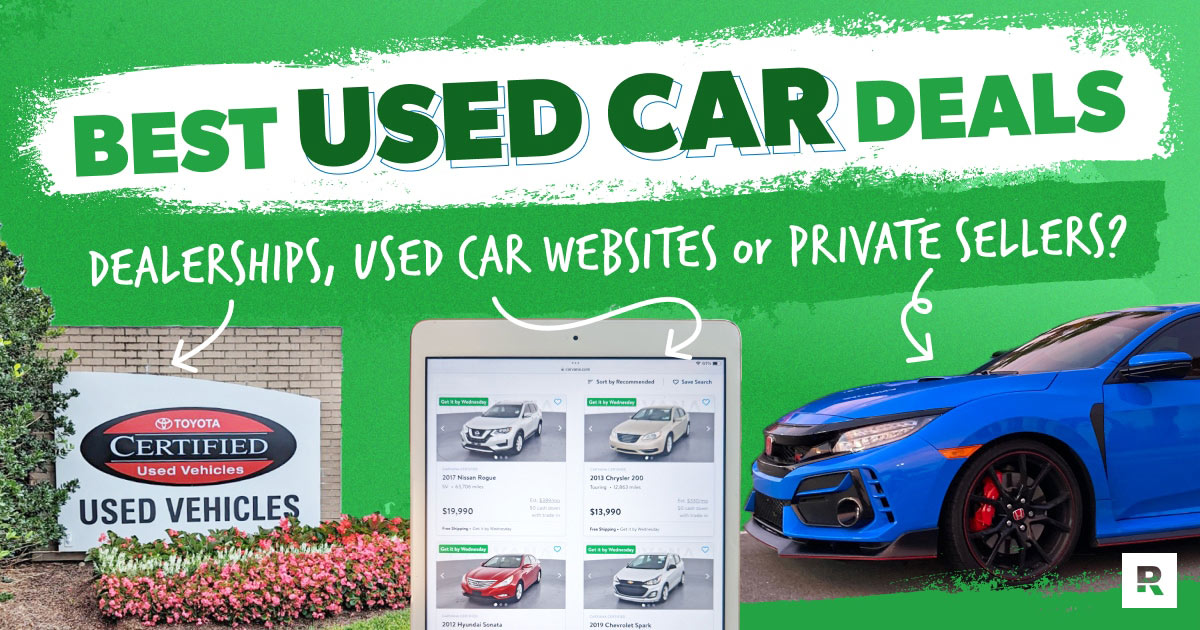
3. Certified Pre-Owned (CPO) and Fleet Sales: Strategies for Mitigating Depreciation
Depreciation is the single greatest “silent cost” of vehicle ownership. Where you buy your car determines where you sit on the depreciation curve. Strategic buyers often look toward Certified Pre-Owned (CPO) programs or fleet sales to optimize their asset’s value retention.
The Sweet Spot: Buying Three-Year-Old Assets
The steepest decline in a car’s value occurs within the first 36 months, with many vehicles losing 40% to 50% of their original MSRP. By focusing on CPO programs at brand-name dealerships, a buyer can acquire a vehicle that has already cleared the steepest part of the depreciation curve. Because these vehicles are inspected and backed by manufacturer warranties, they offer a “near-new” experience without the “new-car” financial hit. This is widely considered the most fiscally responsible way to own a modern vehicle, as it balances low maintenance costs with a stabilized resale value.
Tapping into Government and Corporate Auctions
For those focused on utility over aesthetics, government and corporate auctions are premier “locations” for car buying. When organizations refresh their fleets, they often offload well-maintained vehicles at wholesale prices. While these cars may have high mileage, they are typically serviced on strict schedules, which preserves the mechanical integrity of the asset. For a small business owner or a budget-conscious individual, buying from an auction can reduce the entry price to a fraction of the retail cost, allowing capital to be deployed elsewhere in more productive, appreciating investments.
4. Navigating Interest Rates and Leveraging Capital in Your Purchase
The “where” of buying a car is inextricably linked to the “how.” The financial institution providing the capital is just as important as the lot where the car is parked. In a high-interest-rate environment, the cost of borrowing can add thousands of dollars to the total price of the vehicle.
Credit Unions vs. In-House Financing
Where you secure your loan can change the financial viability of the entire purchase. Traditional dealerships often make a significant portion of their profit through “reserve”—the spread between the interest rate the bank gives them and the rate they charge the customer. Conversely, credit unions are member-owned and often provide the lowest APRs available. A strategic buyer will “buy” their financing at a credit union before they “buy” their car at a dealership, using the pre-approved loan as a leverage tool to ensure they aren’t overpaying for capital.
Calculating the Total Cost of Ownership (TCO)
Ultimately, the decision of where to buy must be guided by the Total Cost of Ownership. This includes the purchase price, the cost of financing, insurance premiums (which vary by vehicle type and age), maintenance, and projected depreciation. A car that is “cheap” to buy at a local used-only lot might have a high TCO due to poor fuel economy and rapid value loss.
Financial experts recommend the “20/4/10 rule” as a benchmark: put down at least 20%, finance for no more than four years, and keep total transportation costs (including insurance and fuel) under 10% of your gross monthly income. By applying this framework to the various buying locations mentioned above, you can ensure that your next vehicle purchase serves your lifestyle without compromising your financial future.
Conclusion
In the modern economy, “where to buy cars” is a multi-faceted question that requires a blend of market research, risk assessment, and rigorous financial planning. Whether you choose the safety and convenience of a CPO dealership, the high-value potential of a private sale, or the algorithmic efficiency of an online marketplace, the goal remains the same: to acquire a reliable asset at a price that respects your broader financial objectives. By treating a car purchase as a strategic capital allocation rather than an emotional impulse, you can navigate the automotive market with the confidence of a seasoned investor.
aViewFromTheCave is a participant in the Amazon Services LLC Associates Program, an affiliate advertising program designed to provide a means for sites to earn advertising fees by advertising and linking to Amazon.com. Amazon, the Amazon logo, AmazonSupply, and the AmazonSupply logo are trademarks of Amazon.com, Inc. or its affiliates. As an Amazon Associate we earn affiliate commissions from qualifying purchases.