
In the modern era of consumer packaged goods, few launches have disrupted the market with the velocity and scale of Prime Hydration. For brand strategists and marketing professionals, the question of when Prime was released is more than a matter of chronological record; it is a case study in the power of influencer equity, scarcity marketing, and the evolution of corporate identity in the digital age.
Prime did not merely enter the beverage market; it invaded it. By analyzing the specific milestones of its release and the strategic maneuvers that accompanied each phase, we can uncover the blueprint that allowed a startup to challenge legacy giants like Gatorade and Powerade within months of its inception.
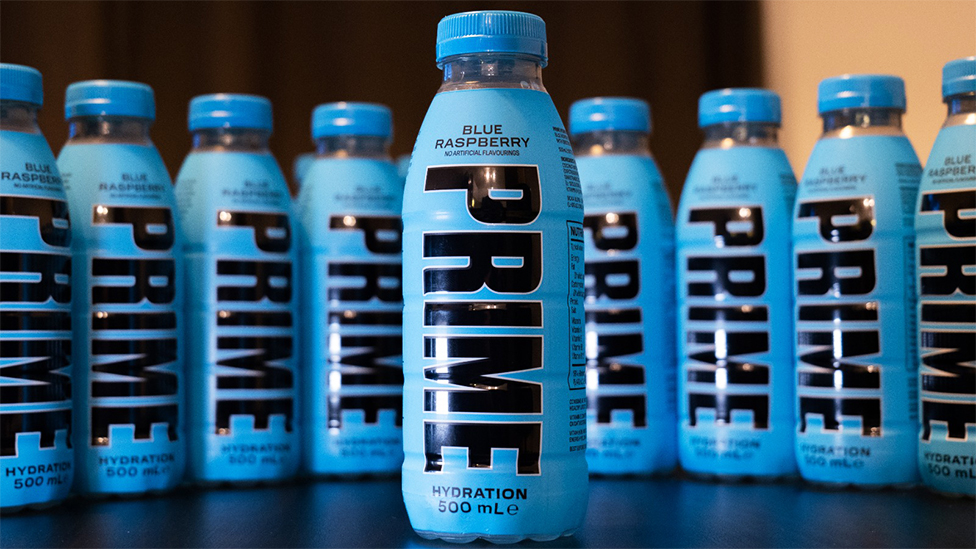
The Launch Timeline: From Digital Announcement to Global Retail Presence
The official journey of Prime began on January 4, 2022. While the product hit physical and digital shelves shortly thereafter, the brand’s release was preceded by weeks of calculated mystery. The founders, Logan Paul and KSI—two of the world’s most influential content creators—leveraged their combined audience of over 50 million subscribers to create a “blackout” period of speculation.
The Initial Drop: January 2022
On January 4, 2022, the brand was officially unveiled during a live stream that broke viewership records for promotional content. The initial release was focused exclusively on the United States market, targeting major retailers like Walmart, Target, and Kroger. From a brand strategy perspective, this was a deliberate move to establish a foothold in the world’s largest consumer market before attempting international expansion.
The initial product line consisted of Prime Hydration, a coconut-water-based beverage positioned as a healthier, more “lifestyle-oriented” alternative to traditional sports drinks. The messaging was clear: this was not just a drink for athletes, but a brand for the digital generation.
Transatlantic Expansion and the UK Craze
Following the unprecedented success in the United States, the brand moved to the United Kingdom in May 2022. This phase of the release is often cited by marketing analysts as the “frenzy period.” By the time Prime reached British soil, the hype generated by American social media had created a vacuum of demand.
When the product finally arrived in UK retailers like ASDA and Aldi, it resulted in scenes of consumer desperation that dominated headlines for weeks. This was not an accident of timing; it was the result of a “supply-lag” strategy. By delaying the UK release by four months, the brand allowed anticipation to reach a fever pitch, ensuring that the second major release would be even more impactful than the first.
The Brand Strategy: Leveraging Influencer Equity and Competitive Rivalry
The release of Prime is unique because its founders were previously bitter rivals in the boxing ring. The “release” of the brand was, in many ways, the culmination of a multi-year narrative arc that saw two global celebrities transition from enemies to business partners.
Transforming Competition into Collaboration
In the world of personal branding, conflict is a powerful driver of engagement. Paul and KSI utilized their historical rivalry to frame the release of Prime as a historic union. This “redemption arc” provided the brand with a soul—a narrative that consumers could buy into. When Prime was released, consumers weren’t just buying a hydration drink; they were buying a piece of a story they had followed for years.
From a brand strategy standpoint, this leveraged the concept of “shared equity.” By merging two distinct fan bases, the brand effectively doubled its day-one reach while minimizing the cost of customer acquisition. The release didn’t require a traditional $100 million ad spend because the founders were the advertising medium.
Community-Centric Marketing
Unlike traditional corporate brands that rely on top-down communication, Prime’s release was driven by bottom-up community engagement. Every flavor launch and regional rollout was treated as an “event.” The brand utilized platforms like TikTok and Instagram to encourage user-generated content, turning every customer into a brand ambassador. When the product was released in new territories, the “scout” culture—where fans would film themselves hunting for bottles in local stores—became a viral trend, providing the brand with millions of dollars in free impressions.

The Scarcity Principle: How Prime Mastered the Art of the “Hype Drop”
A critical component of the Prime release strategy was the mastery of artificial scarcity. In the early months of 2022, it was notoriously difficult to find a bottle of Prime on a retail shelf. While some critics attributed this to supply chain issues, brand experts recognized it as a classic “hype-drop” model borrowed from the streetwear industry.
Controlled Distribution as a Marketing Tool
By intentionally limiting the initial supply, the brand creators ensured that Prime remained a “Veblen good”—a product for which demand increases as the price (or difficulty of acquisition) rises. This scarcity transformed a $2 beverage into a status symbol. During the release phases in mid-2022, bottles were being resold on secondary markets like eBay for ten times their retail value.
This secondary market activity served as a powerful signal of brand health. It proved that the brand had successfully transcended the “influencer merch” category and had entered the realm of cultural phenomenon. For the corporate identity of Prime, this period was essential; it established the drink as a coveted item rather than a commodity.
The Resale Market and Social Proof
The release of Prime coincided with the rise of “resale culture” among Gen Z. By allowing the market to remain undersupplied, the brand encouraged a secondary economy. This provided immense “social proof.” When people see others standing in line at 5:00 AM or paying premium prices for a drink, the perceived value of the brand skyrockets. This psychological trigger was utilized perfectly during the 2022 and early 2023 rollout phases.
Corporate Identity and Diversification: Beyond the Hydration Bottle
As the brand moved past its initial release window, the focus shifted from “hype” to “sustainability.” To build a long-term corporate identity, Prime had to prove it could survive beyond the initial excitement of its founders’ fans.
Entering the Energy Drink Sector
In early 2023, approximately one year after the original release, the brand expanded its portfolio with Prime Energy. This was a pivotal moment in the brand’s strategic evolution. It signaled that Prime was not a one-hit-wonder but a legitimate competitor in the broader functional beverage category.
The release of Prime Energy was handled with a more professional, corporate tone. It targeted a slightly older demographic and focused on performance metrics, such as caffeine content and electrolyte balance. This diversification helped solidify the brand’s identity as a serious player in the CPG (Consumer Packaged Goods) space, capable of taking on giants like Monster and Red Bull.
Strategic Partnerships: Arsenal, UFC, and the Global Stage
To transition from an “influencer brand” to a “global brand,” Prime sought out institutional legitimacy. Following the 2022 release, the brand signed high-profile sponsorship deals with Arsenal FC, the UFC, and the Los Angeles Dodgers.
These partnerships were timed to coincide with the brand’s move into mass-market availability. By seeing the Prime logo on the kits of world-class athletes and in the Octagon, the general public began to associate the brand with professional performance rather than just YouTube stunts. This was a masterclass in “brand association,” moving the corporate identity from the digital screen to the stadium.

The Future of Prime: Sustainability and Market Longevity
Looking back at when Prime was released, it is clear that the brand’s success was not an accident of timing but a result of rigorous strategic planning. As the brand enters its third year, the challenge shifts from generating hype to maintaining market share.
The release phases are now focused on global saturation. Prime is moving into markets in South Africa, Australia, and the Middle East, using the same playbook of influencer-led excitement followed by retail expansion. However, the brand is also maturing. There is a growing focus on product quality, ingredient transparency, and sustainable packaging—all essential components of a lasting corporate identity.
In conclusion, the release of Prime on January 4, 2022, marked the beginning of a new chapter in brand strategy. It proved that in the 21st century, attention is the most valuable currency. By masterfully navigating the transition from a niche influencer project to a global retail powerhouse, Prime has set a new standard for how brands are born, released, and scaled in a hyper-connected world. For any marketer or entrepreneur, the Prime timeline is a reminder that while a product can be manufactured, a brand must be engineered.
aViewFromTheCave is a participant in the Amazon Services LLC Associates Program, an affiliate advertising program designed to provide a means for sites to earn advertising fees by advertising and linking to Amazon.com. Amazon, the Amazon logo, AmazonSupply, and the AmazonSupply logo are trademarks of Amazon.com, Inc. or its affiliates. As an Amazon Associate we earn affiliate commissions from qualifying purchases.