
For the savvy traveler and the fiscally conscious professional, an international plane ticket is more than just a pass to a new destination; it is a significant financial transaction that requires a calculated approach. In the realm of personal finance, travel costs often represent one of the largest annual discretionary expenditures. Therefore, understanding the nuances of when to purchase international airfare is not merely a matter of convenience—it is an exercise in capital management. By applying the same rigorous analysis to flight booking that one might apply to a stock market entry or a real estate investment, a traveler can save thousands of dollars over the course of a lifetime.
The Economics of International Airfare: Why Timing is a Financial Decision
The pricing of international airline tickets is a complex dance of supply, demand, and sophisticated algorithmic modeling known as dynamic pricing. Unlike domestic flights, which often see price fluctuations based on short-term demand spikes, international routes are governed by longer-term economic cycles and global logistical trends. Understanding these factors is the first step in optimizing your travel budget.
Understanding Dynamic Pricing and Yield Management
Airlines employ “yield management” strategies designed to extract the maximum possible revenue from every seat on an aircraft. These algorithms analyze historical data, current booking velocity, and even the browsing habits of potential customers. From a personal finance perspective, this means the price you see is rarely a reflection of the actual cost of the service, but rather a reflection of what the market is willing to bear at a specific moment. By timing your purchase, you are essentially looking for the “bottom” of the market—the point where the airline’s need to fill seats outweighs their desire to hold out for high-paying, last-minute business travelers.
The Opportunity Cost of Delayed Booking
In the world of investing, timing is everything. The same applies to international travel. Waiting too long to book a flight to London, Tokyo, or Sydney can lead to a 50% to 100% increase in the fare. This price hike represents a direct hit to your net worth. Conversely, booking too early can also be a mistake, as you lock in a price before the airline has released its promotional “sale” buckets. The financial objective is to identify the “Goldilocks Zone”—the window where prices are at their statistical minimum.
Determining the Ideal Booking Window for Global Destinations
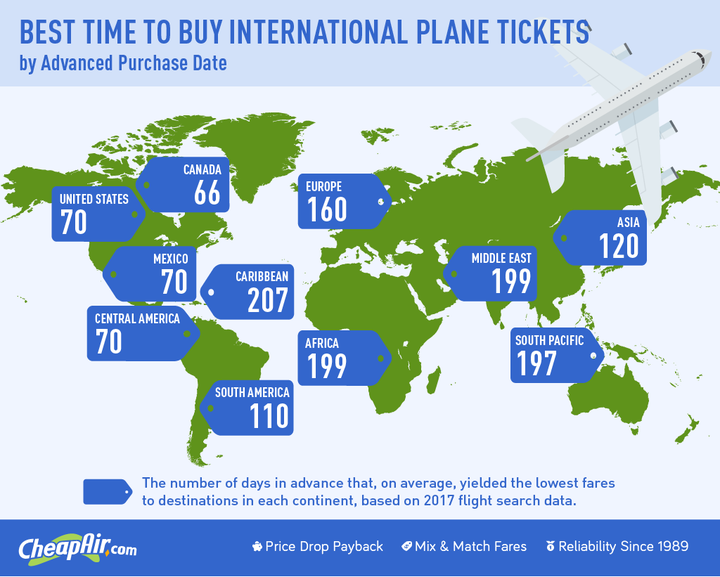
Data analysis from major financial and travel aggregators suggests that the optimal booking window for international travel is significantly wider than for domestic trips. While a domestic flight might be cheapest three to six weeks out, international routes require a much longer lead time to ensure fiscal efficiency.
Transatlantic and Transpacific Benchmarks
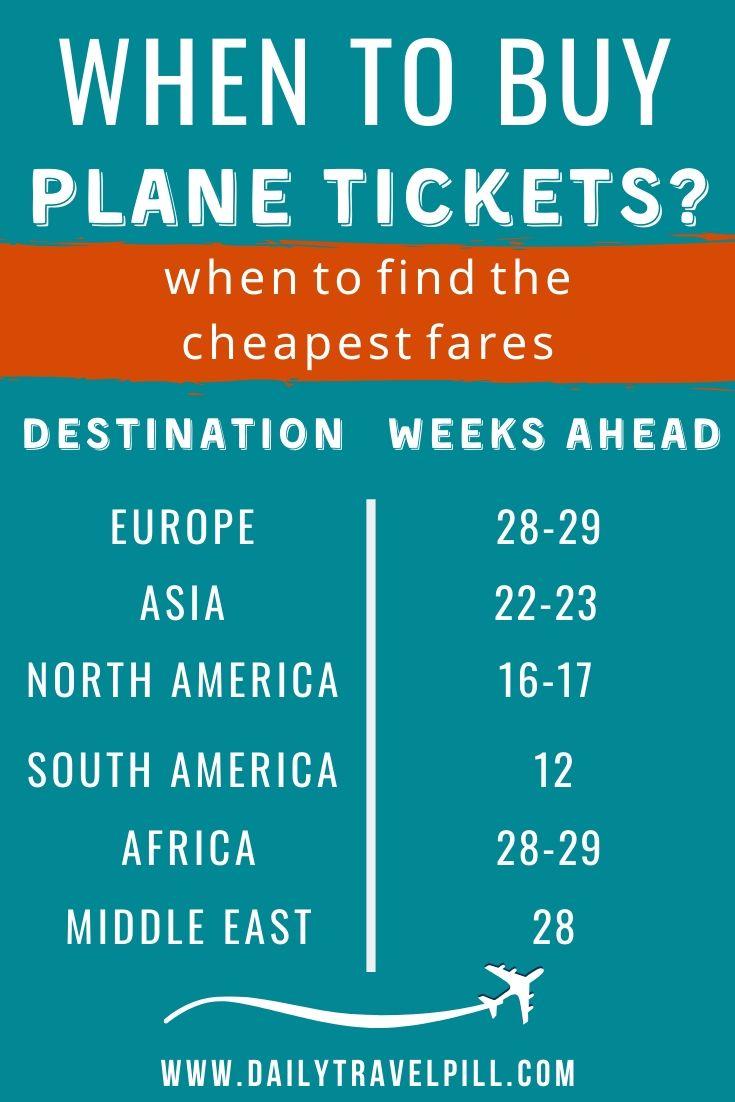
For travelers heading across the Atlantic from North America to Europe, the financial “sweet spot” generally falls between three and seven months before departure. During this window, airlines are attempting to establish a baseline occupancy for their wide-body jets and will often offer lower base fares to entice early planners. For transpacific routes—such as those to Japan, South Korea, or Australia—the window often stretches even further, sometimes requiring a commitment six to eight months in advance.
If you find yourself looking at flights during these periods, it is helpful to set a “strike price.” Just as an investor decides to buy a stock when it hits a certain valuation, a traveler should have a predetermined price in mind. When the fare hits that number, the purchase should be executed immediately to avoid the volatility of the final 60 days before departure.
Continental Variations: Europe, Asia, and South America
Not all continents follow the same economic rules. Traveling to South America often allows for a slightly shorter booking window—roughly two to four months—due to the higher volume of regional competition and different seasonal demand cycles. Conversely, travel to Southeast Asia often sees its best prices roughly five months out. Understanding these regional variations allows for better cash flow management, ensuring that you aren’t tying up capital in a plane ticket a year in advance when that money could be earning interest in a high-yield savings account.
Leveraging Financial Tools and Reward Systems for Better ROI
In modern personal finance, the “how” of a purchase is often as important as the “when.” To maximize the return on your travel investment, you must utilize the full suite of financial tools available to the digital consumer.
Price Tracking and Volatility Monitoring
Technology has democratized access to airline pricing data. Financial tools and apps now allow users to track specific routes and receive alerts when prices drop. Utilizing these tools transforms the booking process from a game of chance into a data-driven strategy. By monitoring the “volatility” of a route, you can see if a current price is a true outlier or simply part of the standard daily fluctuation. For an international trip costing $1,200, a 10% price drop is an instant $120 return on your time—a significant “hourly rate” for the few minutes spent setting up a price alert.
Credit Card Rewards and Points Optimization
The most efficient way to “buy” an international plane ticket is often not to use cash at all, but to utilize travel rewards. Strategic credit card usage is a pillar of modern personal finance. When booking international travel, the goal should be to maximize the “cents per point” (CPP) value.
For example, if a business class flight to Paris costs $4,000 or 80,000 points, your points are worth 5 cents each—a phenomenal return. However, if the same flight has a low cash price of $600, using points might only yield 0.75 cents per point, which is a poor financial move. In this scenario, it is better to pay cash and save your points for a high-value redemption later. Aligning your booking window with your reward strategy ensures that you are utilizing your assets in the most efficient manner possible.
Tactical Approaches to Booking Days and Seasons
Beyond the “months out” calculation, the specific day of the week and the season of travel play a massive role in the final invoice. This is where lifestyle design meets financial planning.
The “Off-Peak” and “Shoulder Season” Advantage
The concept of the “shoulder season”—the period between peak summer travel and the dead of winter—is a goldmine for the budget-conscious traveler. Traveling to Italy in May or September rather than July can result in airfare savings of 30% or more. From a financial perspective, this is the equivalent of buying an asset at a discount simply because the general public is distracted. If your professional life allows for flexibility, scheduling international trips during these windows is one of the most effective ways to reduce your annual cost of living without sacrificing the quality of your experiences.
Mid-Week vs. Weekend Cost Analysis
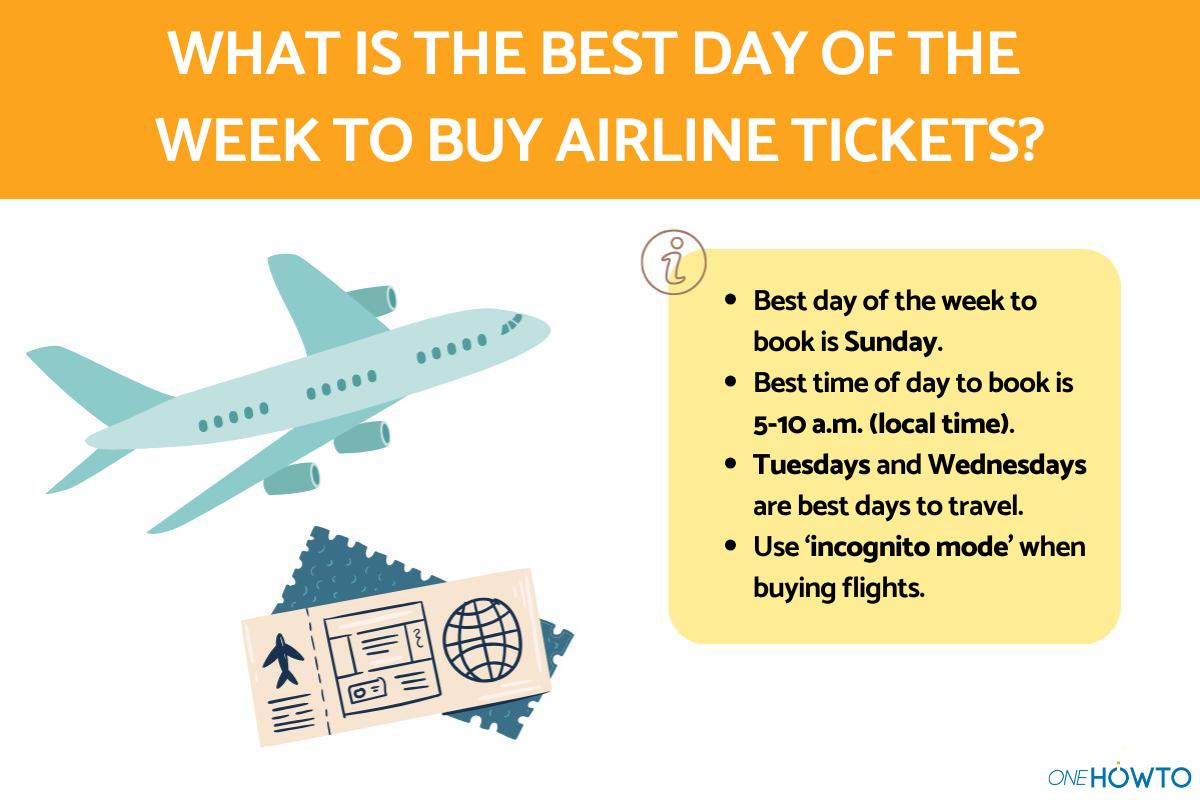
The data is consistent: flying on a Tuesday or Wednesday is almost always cheaper than flying on a Friday or Sunday. Airlines know that leisure travelers prefer to maximize their weekend time and that business travelers often return home on Thursdays and Fridays. By opting for a mid-week departure and return, you are effectively avoiding the “convenience tax” that airlines levy on the general population. When calculating the cost of a trip, factor in the extra day of unpaid leave or remote work versus the $300 savings on the flight; often, the mid-week flight provides a superior net financial outcome.
Risk Management in International Travel Purchases
Every major financial outlay carries risk. When buying international plane tickets, the risks range from price drops after purchase to unforeseen circumstances that prevent travel altogether.
Refundable vs. Non-Refundable Logic
A common dilemma is whether to pay a premium for a refundable ticket. In many cases, the price difference can be 50% or more. From a risk management standpoint, it is often more cost-effective to buy a non-refundable ticket and supplement it with a robust travel insurance policy or utilize the built-in protections offered by high-end credit cards. This allows you to keep your upfront costs low while still hedging against the possibility of cancellation.
The Financial Safeguard of Travel Insurance
Travel insurance should be viewed as a hedge against catastrophic loss. On an international trip, where the combined costs of flights, hotels, and tours can exceed $10,000, the small premium for insurance is a rational expense. It protects your “travel capital” from being liquidated due to illness, political unrest, or airline insolvency. When booking your ticket, perform a quick cost-benefit analysis of the insurance options available; if the coverage protects a significant portion of your liquid net worth, it is a sound investment.
In conclusion, knowing when to buy plane tickets international is a vital skill in the toolkit of personal finance. It requires a blend of patience, data analysis, and strategic timing. By treating your travel bookings with the same level of scrutiny as your investment portfolio, you can ensure that your global adventures enhance your life without compromising your financial future. The money saved through disciplined booking is, in essence, a tax-free gain that can be reinvested into your next journey or your long-term wealth-building goals.
aViewFromTheCave is a participant in the Amazon Services LLC Associates Program, an affiliate advertising program designed to provide a means for sites to earn advertising fees by advertising and linking to Amazon.com. Amazon, the Amazon logo, AmazonSupply, and the AmazonSupply logo are trademarks of Amazon.com, Inc. or its affiliates. As an Amazon Associate we earn affiliate commissions from qualifying purchases.