
Planning an international trip often involves numerous considerations, from destination research and itinerary crafting to passport validity and visa requirements. Yet, for many, the single largest variable cost, and perhaps the most anxiety-inducing decision, revolves around when to purchase airline tickets. A seemingly minor timing difference can translate into hundreds, if not thousands, of dollars in savings or expenditure, directly impacting your personal finance goals. In an era of dynamic pricing algorithms and fluctuating demand, mastering the art of timing your international flight purchase is a crucial skill for any financially savvy traveler. This guide delves into the principles, strategies, and tools that empower you to make informed decisions, ensuring your travel budget stretches further.
The Core Principles of Airfare Timing
Understanding the fundamental mechanics behind airline pricing is the first step toward smart ticket purchasing. Airlines employ sophisticated algorithms that consider a multitude of factors, but certain patterns and principles generally hold true for international routes.
The “Sweet Spot” Booking Window
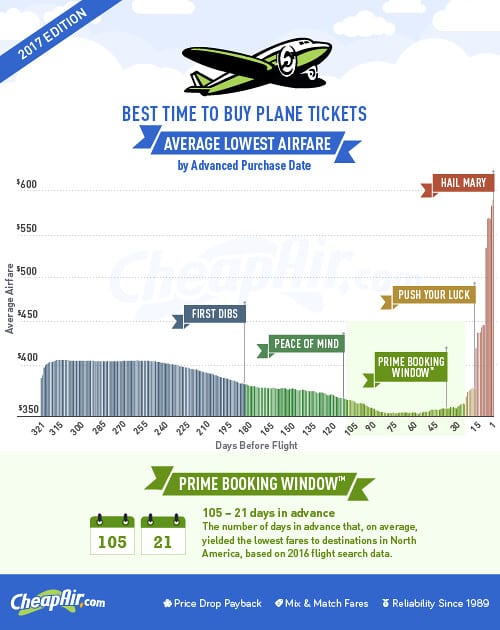
Contrary to the myth of last-minute deals, international flights typically reward planners. The generally accepted “sweet spot” for booking international airfare is often cited as being anywhere from 2 to 8 months in advance of your departure date. Within this window, airlines are balancing initial demand against their need to fill seats. Booking too early (e.g., 10-12 months out) might mean paying higher “early bird” prices before competitive adjustments kick in. Waiting too long (e.g., within 2 months) usually results in significantly higher fares, as airlines know that last-minute travelers often have less flexibility and are willing to pay a premium. This window provides the best chance to capture a competitive fare, as airlines release initial blocks of seats at various price points and adjust them based on demand signals.
The Impact of Seasonality and Demand
No matter how perfectly you time your purchase within the sweet spot, the underlying demand for your travel dates remains a dominant factor. High season (e.g., summer in Europe, Christmas/New Year holidays, major festivals) will inevitably command higher prices due to sheer demand. During these periods, the sweet spot might shift slightly earlier, as airlines anticipate strong bookings. Conversely, low season (e.g., late fall/early winter in Europe, excluding holidays) typically offers more flexibility and lower prices. Shoulder season (e.g., spring and early fall) often provides the best balance of pleasant weather and reasonable prices, representing a prime opportunity for financially conscious travelers. Understanding when your desired destination experiences peak tourism is paramount to setting realistic budget expectations.
The Myth of Specific Day Bookings
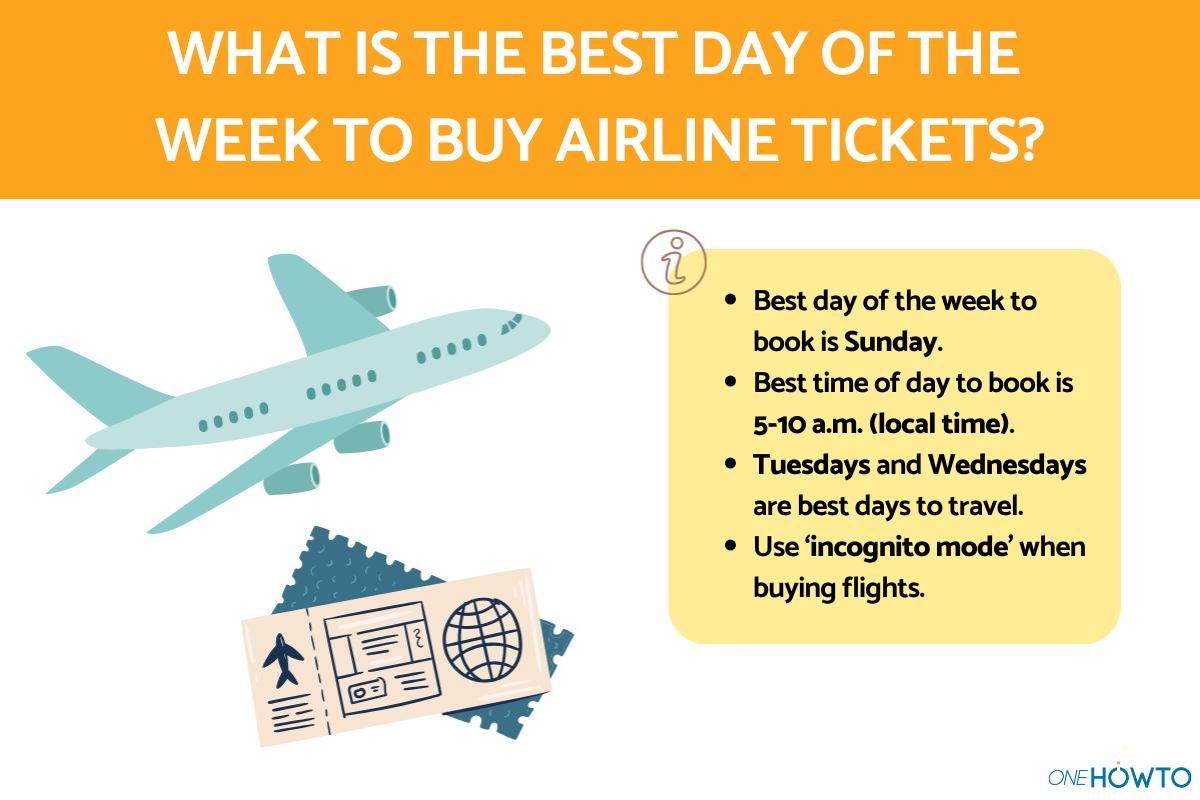
For years, travelers have been advised to book flights on Tuesdays or Wednesdays, believing these days offered the lowest prices. While historical data might have shown slight tendencies, in today’s dynamic pricing environment, this advice is largely outdated. Airlines continuously adjust prices throughout the day, every day, based on real-time demand, competitor pricing, and booking patterns. There’s no magic day of the week that consistently guarantees the lowest fare for international travel. Instead, focus on the overall booking window and using price tracking tools, rather than fixating on a specific calendar day for purchase.
Factors Influencing Price Fluctuations
Beyond the general timing principles, several intricate factors contribute to the unpredictable nature of international airfare, making strategic financial planning essential.
Advance Purchase Requirements and Fare Buckets
Airlines categorize their seats into various “fare buckets,” each with a different price and set of restrictions. These buckets are often linked to advance purchase requirements. For instance, a deeply discounted fare might require booking 90 days in advance, be non-refundable, and have strict change fees. As these cheaper buckets sell out, or as the departure date draws closer, the airline moves to higher-priced buckets. This system explains why two passengers on the same flight might have paid vastly different prices. Your financial advantage lies in securing a seat in one of the lower-priced buckets before they are exhausted.
Supply and Demand Dynamics
The classic economic principle of supply and demand heavily dictates airfare. If a particular international route is popular, served by fewer airlines, or has limited seat capacity, prices will naturally be higher. Conversely, routes with intense competition among multiple carriers or excess capacity often see more aggressive pricing strategies. Airline mergers, route cancellations, or the introduction of new routes can swiftly alter the competitive landscape and, consequently, fare structures. Monitoring these industry changes, if possible, can provide an edge in anticipating price movements.
Economic Indicators and Fuel Costs
Broader economic factors also play a subtle but significant role in global airfare. Fluctuations in crude oil prices directly impact an airline’s fuel costs, which are then often passed on to consumers through ticket prices or fuel surcharges. Global economic health can also influence travel demand; during periods of economic uncertainty, airlines might offer more competitive fares to stimulate bookings. While these macro factors are beyond an individual’s control, they form the backdrop against which all other pricing decisions are made, making international travel budgeting an inherently dynamic financial exercise.
Strategic Tools and Tactics for Savvy Savers
Navigating the complexities of international airfare pricing requires a proactive and informed approach. Fortunately, a suite of digital tools and strategic tactics can significantly enhance your chances of securing the best financial deal.
Price Alerts and Tracking Tools
Harnessing technology is perhaps the most effective strategy for finding optimal international fares. Services like Google Flights, Skyscanner, Hopper, and Kayak allow you to set up price alerts for specific routes and dates. These tools monitor fare changes in real-time and notify you when prices drop to a desired level or show trends indicating a good time to buy. Hopper even offers predictions on whether prices are likely to go up or down. Regularly checking multiple platforms can provide a comprehensive view of the market and help identify potential anomalies or flash sales, directly contributing to personal savings.
Flexibility is Your Friend
Financial flexibility with your travel plans is a major advantage when booking international flights.
- Flexible Dates: Even shifting your departure or return by a day or two can yield substantial savings, especially if it means avoiding a weekend or a peak travel day. Many flight search engines offer “flexible date” calendars or month-long views that highlight the cheapest days to fly.
- Flexible Airports: Consider flying out of or into alternative airports, even if they are a bit further from your desired origin or destination. A slightly longer commute to a different airport might be financially offset by significantly cheaper international airfare.
- Flexible Destinations: If your travel plans are more about “going somewhere” rather than a specific locale, researching multiple international destinations can uncover incredible deals to less popular (or currently discounted) locations.
Leveraging Loyalty Programs and Credit Card Points
For frequent flyers, loyalty programs and travel-focused credit cards are powerful financial tools. Accumulating airline miles or credit card points can significantly reduce the cash outlay for international flights, potentially covering the entire cost or a substantial portion of it. Strategic redemption of these points, especially during promotional periods or for premium cabin travel that would otherwise be prohibitively expensive, represents immense financial value. Many credit cards also offer travel insurance, baggage delay protection, and other benefits that add an additional layer of financial security to your international journeys.
Considering Budget Airlines and Layovers
While direct flights on full-service carriers offer convenience, they often come at a premium. For budget-conscious travelers, exploring options with budget airlines (e.g., Norwegian, Wow Air – though some have ceased operations, others emerge) or accepting longer layovers can lead to significant savings on international routes. Often, breaking up a long journey with a multi-hour stopover or even an overnight stay in an intermediate city can drastically reduce the overall ticket price. Just be sure to factor in potential additional costs like meals during layovers or hotel stays, and ensure the trade-off in time and convenience is worth the financial saving.
Common Pitfalls and How to Avoid Them
Even with the best intentions, travelers can fall prey to common mistakes that inflate the cost of international airfare. Being aware of these pitfalls is crucial for safeguarding your travel budget.
Waiting Too Long (or Booking Too Early)
The biggest mistake is missing the “sweet spot” booking window. Waiting until the last minute almost invariably results in higher prices for international flights, as airlines price in the urgency of late bookings. Conversely, booking too far in advance, before airlines have finalized their competitive pricing strategies, can also mean you pay more than necessary. Patience, combined with active monitoring through price alerts, is key to striking the right balance.
Impulse Buying Without Research
Spotting a seemingly good deal can be exciting, but an impulse purchase without adequate research is a common financial misstep. Always cross-reference prices across multiple search engines and the airline’s own website. What looks like a great deal might actually be beaten by another airline or a slightly different travel date if you take a few extra minutes to compare. This financial due diligence prevents buyer’s remorse and ensures you truly get the best value for your money.

Ignoring Hidden Costs
The advertised price of an international ticket might not be the final cost. Many budget airlines, and increasingly even full-service carriers, charge extra for baggage, seat selection, in-flight meals, and entertainment. Before committing to a seemingly cheap fare, calculate the total cost, including any add-ons pertinent to your travel style. This holistic financial assessment ensures there are no unpleasant surprises that erode your savings later.
Ultimately, buying international airline tickets is less about luck and more about strategic financial planning and informed decision-making. By understanding the underlying market dynamics, leveraging available tools, embracing flexibility, and avoiding common pitfalls, you can significantly reduce the financial burden of air travel, freeing up more of your budget to enjoy your destination. Happy travels, and may your flights always be fiscally responsible!
aViewFromTheCave is a participant in the Amazon Services LLC Associates Program, an affiliate advertising program designed to provide a means for sites to earn advertising fees by advertising and linking to Amazon.com. Amazon, the Amazon logo, AmazonSupply, and the AmazonSupply logo are trademarks of Amazon.com, Inc. or its affiliates. As an Amazon Associate we earn affiliate commissions from qualifying purchases.