
In the era of the quantified self, the act of running has been transformed from a primitive physical exertion into a sophisticated data-gathering mission. For the modern athlete, the question is no longer just “How far did I go?” but rather “What does my data say about my efficiency?” At the heart of this technological revolution is a single, vital metric: heart rate. Understanding what your heart rate should be when running is no longer a matter of guesswork or manual pulse-taking; it is a complex calculation handled by advanced sensors, proprietary algorithms, and cloud-based analytics.
The Hardware Revolution: How Wearables Capture the Pulse
To understand what your heart rate should be during a run, you first need to trust the technology measuring it. The shift from clinical settings to consumer wrists has been powered by significant leaps in sensor engineering.
Optical vs. Electrical: PPG and ECG Technologies
The most common technology found in modern smartwatches and fitness trackers is Photoplethysmography (PPG). These sensors use green LED lights to illuminate the capillaries in your wrist, measuring the light absorption changed by blood flow. Tech giants like Apple, Garmin, and Polar have spent millions refining these optical sensors to filter out “noise”—the rhythmic movement of the arm that can confuse the sensor.
However, for runners seeking gold-standard accuracy, the industry still points toward electrical sensors, typically found in chest straps. These devices measure the heart’s electrical activity (Electrocardiogram or ECG) directly. The tech trend is currently moving toward “dual-sensor” integration, where wrist-based devices use AI to cross-reference optical data with motion sensors to provide a more accurate estimation of beats per minute (BPM) during high-intensity intervals.
The Rise of Real-Time Biofeedback
Modern wearable tech does more than just record; it interprets. Haptic feedback and heads-up displays (HUDs) in smart glasses are now providing runners with real-time alerts. If your heart rate exceeds a pre-set threshold defined by your training software, your watch vibrates or an AI voice in your earbuds instructs you to “throttle back.” This instantaneous loop of data and action is the hallmark of the current “Smart Running” ecosystem.
Algorithmic Precision: Beyond the “220 Minus Age” Formula
For decades, runners used a simple, often inaccurate pen-and-paper formula to determine their target heart rate: 220 minus your age. In the tech-driven landscape of 2024, this legacy calculation is being replaced by personalized, software-driven models that account for biological individuality.
Moving Toward Dynamic Zone Training
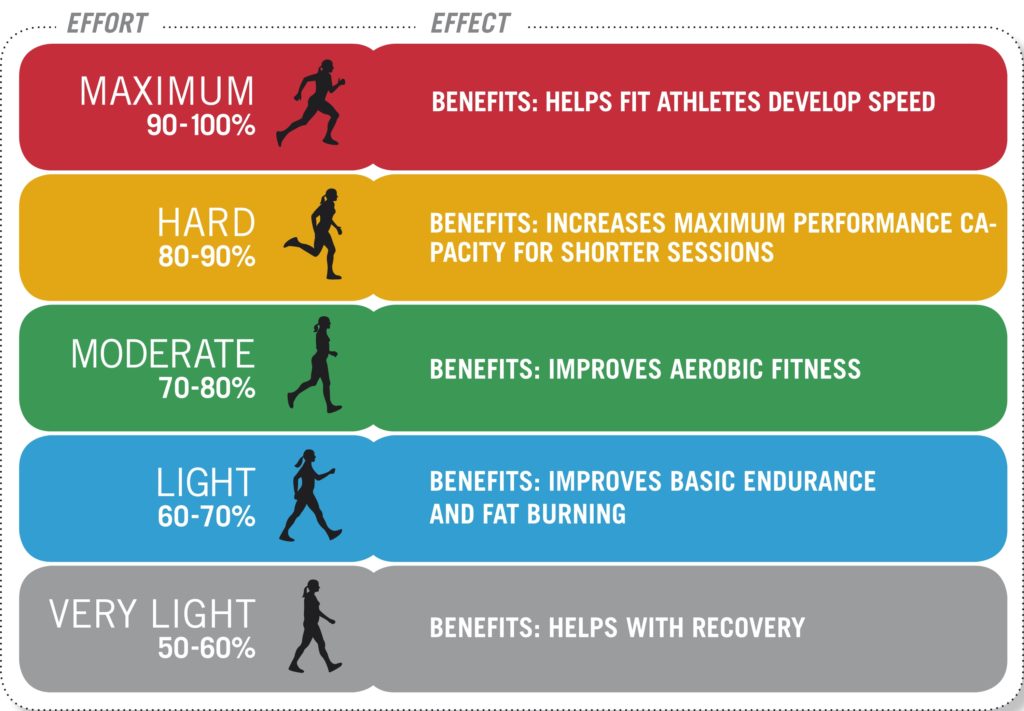
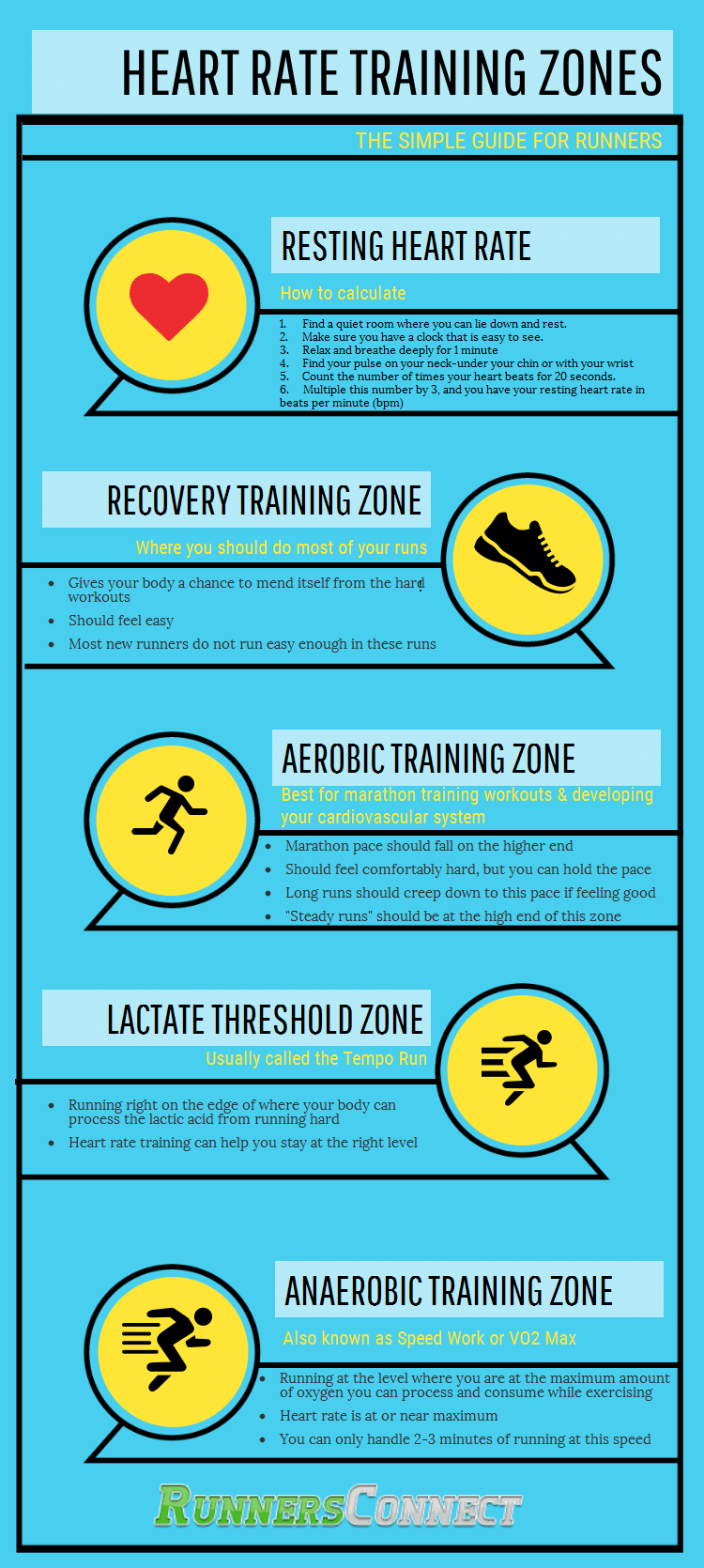
Modern running apps—such as Strava, TrainingPeaks, and COROS—utilize sophisticated algorithms to establish five distinct “Heart Rate Zones.” These zones are calculated based on your Resting Heart Rate (RHR) and your Max Heart Rate (MHR), often identified during a “threshold test” monitored by the device.
- Zone 2 (Aerobic Development): This is the “sweet spot” for long-distance tech-tracking. The software identifies this as 60–70% of your maximum capacity.
- Zone 4 & 5 (Anaerobic and Peak): This is where high-end processing power is required to track the rapid “heart rate drift” that occurs during sprints.
The tech niche has moved toward “Auto-Detection” features, where the device’s software automatically updates your training zones as your fitness improves, ensuring that your “ideal” heart rate evolves alongside your performance.
Heart Rate Variability (HRV) and Predictive Recovery
A significant trend in fitness tech is the emphasis on Heart Rate Variability—the millisecond-level variation between heartbeats. High-end wearables use HRV data to determine your “Readiness Score.” If your HRV is low, the software’s AI coach will suggest a lower target heart rate for that day’s run, or even a rest day. This integration of recovery data ensures that your target heart rate isn’t just a static number, but a dynamic target influenced by sleep quality, stress levels, and metabolic load.
AI-Driven Coaching and the Software Ecosystem
Determining what your heart rate should be is only half the battle; the other half is analyzing that data to optimize future performance. This is where Artificial Intelligence and cloud computing take center stage.
Predictive Analytics in Training Platforms
Platforms like Garmin Connect and Whoop utilize predictive analytics to forecast how your current heart rate trends will impact your future fitness. By analyzing months of heart rate data, these AI models can predict a potential “overtraining syndrome” before the runner even feels the physical symptoms. They provide a visual dashboard where “Optimal Heart Rate” is plotted against “Training Load,” allowing users to see if they are in a productive training state or a regressive one.
The “Virtual Pacer” and Adaptive Training Plans
We are seeing a surge in adaptive training software that adjusts your workout in real-time. If you are halfway through a 10k run and your heart rate is consistently 10 BPM higher than your historical average for that pace, the AI-driven “Virtual Pacer” will recalibrate your finish time and suggest a slower cadence. This level of synchronization between biological data and software instruction is what separates modern tech-assisted running from the analog era.
The Future of Connected Health: Data Security and Ecosystem Integration
As we look at the trajectory of running technology, the definition of an “ideal heart rate” is becoming part of a much larger, interconnected health data ecosystem.
Integration with Smart Nutrition and Hydration
The next frontier in fitness tech is the marriage of heart rate data with metabolic tracking. Emerging gadgets like continuous glucose monitors (CGMs) are now being synced with heart rate monitors. This allows the software to show how your heart rate spikes or dips in relation to your blood sugar levels. For a marathoner, this tech stack provides a comprehensive view of how fueling affects cardiac efficiency, allowing them to maintain a stable heart rate through precision nutrition.
The Imperative of Biometric Data Security
With the collection of such intimate biological data comes the increasing importance of digital security. As heart rate data is uploaded to the cloud, manufacturers are implementing end-to-end encryption and blockchain-based data storage to protect user privacy. In the tech world, your heart rate is no longer just a fitness metric; it is a piece of sensitive biometric data. The “best” heart rate technology is now being judged not just on its accuracy, but on its security protocols and how it handles the “digital twin” of the athlete.

Conclusion: The Synthesis of Pulse and Processor
When asking “what should my heart rate be when running,” the answer is increasingly found in the palm of your hand—or more accurately, on your wrist and in the cloud. We have moved beyond generalities into an era of hyper-personalization powered by advanced sensors and machine learning.
Your ideal heart rate is a moving target, calculated by weighing your age, fitness level, recovery status, and environmental factors like heat and altitude. Through the lens of technology, the heart is the ultimate engine, and the wearable is the ultimate diagnostic tool. By leveraging these digital tools, runners can stop guessing and start training with a level of precision that was once reserved for elite Olympic labs. In the modern fitness landscape, the most important connection isn’t just the one between your feet and the pavement, but the one between your pulse and your processor.
aViewFromTheCave is a participant in the Amazon Services LLC Associates Program, an affiliate advertising program designed to provide a means for sites to earn advertising fees by advertising and linking to Amazon.com. Amazon, the Amazon logo, AmazonSupply, and the AmazonSupply logo are trademarks of Amazon.com, Inc. or its affiliates. As an Amazon Associate we earn affiliate commissions from qualifying purchases.