
Emotional intelligence (EI), often referred to as EQ, is a crucial set of skills that allows individuals to understand and manage their own emotions, as well as recognize and influence the emotions of others. In the contemporary professional landscape, particularly within the dynamic realms of technology, branding, and finance, cultivating high emotional intelligence is no longer a mere ‘nice-to-have’ but a foundational element for success. This article will delve into the multifaceted nature of high emotional intelligence, exploring its core components and demonstrating its profound impact across various professional domains.
The Pillars of High Emotional Intelligence
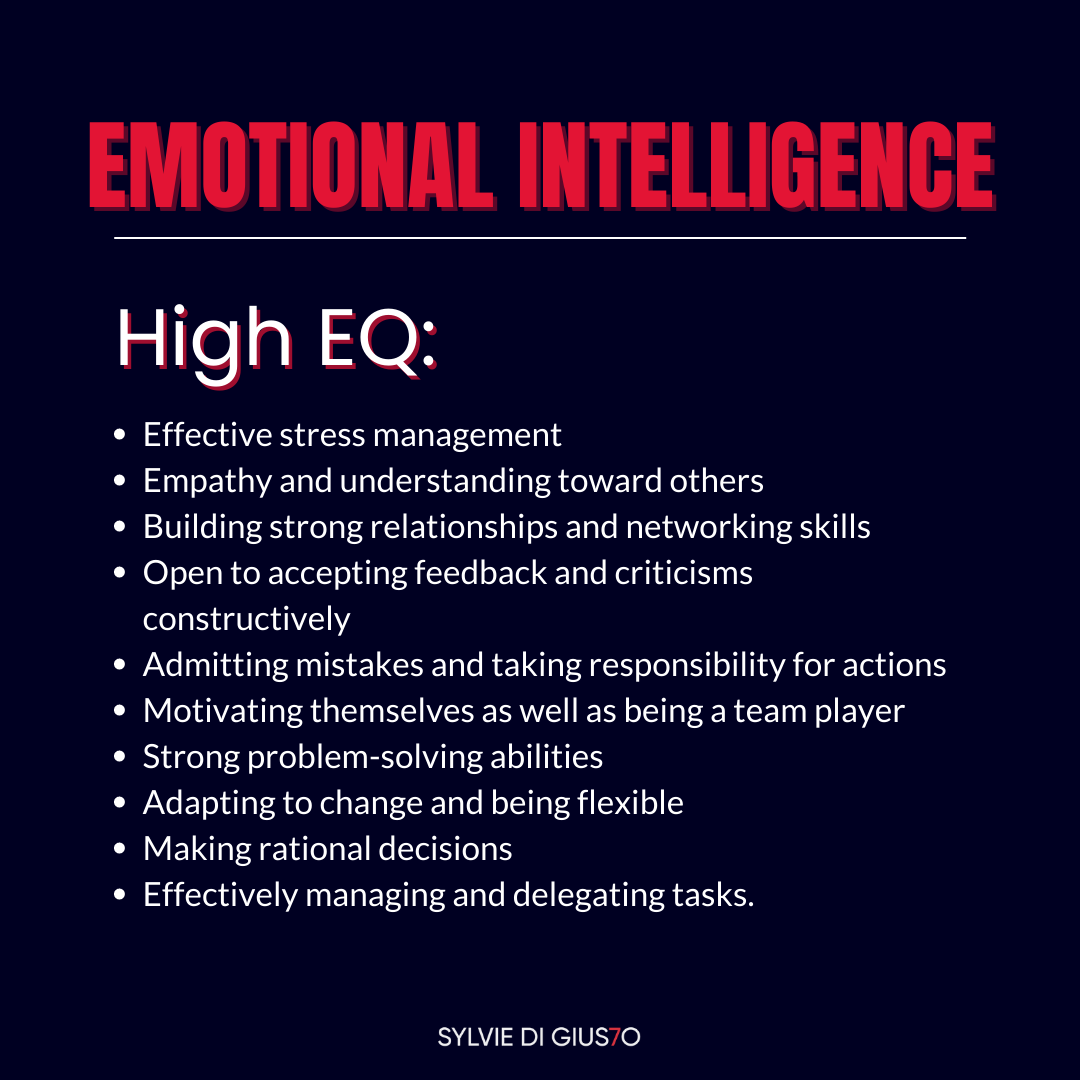
High emotional intelligence is built upon several interconnected pillars, each contributing to an individual’s ability to navigate the complex emotional landscape of the workplace and personal life. These pillars are not static but are skills that can be developed and honed over time.

Self-Awareness: The Foundation of Understanding
At the heart of emotional intelligence lies self-awareness, the capacity to recognize and understand one’s own emotions, moods, motivations, and drives, as well as their effect on others. This involves a deep introspection into one’s internal state, acknowledging strengths and weaknesses without judgment.
Recognizing Your Emotional State
The first step in developing self-awareness is the ability to accurately identify what you are feeling in any given moment. This goes beyond simply labeling an emotion as “good” or “bad.” It requires a nuanced understanding of the subtle shades of emotions – distinguishing between frustration and anger, or between mild disappointment and deep sadness. Individuals with high EI can pinpoint the specific emotion they are experiencing and understand the underlying triggers. For instance, a developer might realize that a persistent feeling of unease isn’t general anxiety but a specific frustration stemming from an unresolved bug in their code.
Understanding Your Triggers and Biases
Beyond recognizing immediate emotions, high EI involves understanding what situations, people, or thoughts tend to elicit certain emotional responses. This self-knowledge allows for proactive management of potential emotional disruptions. It also extends to recognizing personal biases, which can unconsciously influence perceptions and decisions. A product manager, for example, might become aware that their enthusiasm for a particular feature is driven by a personal preference rather than objective market data, prompting them to seek external validation.
The Impact on Decision-Making
Self-awareness is intrinsically linked to effective decision-making. When individuals understand their emotional state, they can pause before reacting impulsively. They can assess whether their emotions are clouding their judgment or if they are making decisions based on rational analysis. This is particularly vital in high-stakes environments such as financial trading or the development of critical technological infrastructure, where rash decisions can have significant repercussions.
Self-Regulation: Mastering Your Reactions
Once one is aware of their emotions, the next crucial step is self-regulation – the ability to control or redirect disruptive impulses and moods. This doesn’t mean suppressing emotions but rather managing them constructively.
Emotional Control and Adaptability
High EI individuals are not slaves to their emotions. They can manage feelings of anger, anxiety, or disappointment without letting them dictate their behavior. This allows them to remain calm under pressure, respond thoughtfully rather than reactively, and adapt to changing circumstances. In a tech startup facing a sudden shift in market demand, a leader with high self-regulation can steer the team through the uncertainty with composure, fostering a stable environment.
The Power of Pausing
A key aspect of self-regulation is the ability to pause before acting. This brief moment of reflection allows for the assessment of the situation and a more measured response. Instead of an immediate outburst of frustration when a crucial piece of software crashes, an engineer with high EI might take a deep breath, analyze the error message, and then calmly initiate troubleshooting steps.
Maintaining a Positive Outlook
Self-regulation also involves the ability to maintain optimism and resilience in the face of setbacks. This isn’t about toxic positivity, but rather a realistic appraisal of challenges coupled with a belief in one’s ability to overcome them. In the competitive world of finance, where market fluctuations are constant, this resilience is paramount for long-term success.
Social Awareness: Perceiving and Understanding Others
The interpersonal dimension of emotional intelligence is social awareness – the ability to understand the emotional makeup of other people. This involves empathy, organizational awareness, and service orientation.
Empathy: Walking in Another’s Shoes
Empathy is the cornerstone of social awareness. It is the ability to understand and share the feelings of another person. This doesn’t necessarily mean agreeing with their feelings but rather acknowledging and respecting them. In a branding context, empathetic understanding of customer needs and desires is essential for crafting resonant marketing campaigns. A brand manager who can genuinely empathize with their target audience will create messaging that connects on a deeper emotional level.
Organizational Awareness: Navigating the Social Landscape
In any organizational setting, understanding the unspoken dynamics, power structures, and cultural norms is crucial. Organizational awareness allows individuals to gauge the mood of a team, understand interdepartmental relationships, and anticipate how decisions might affect different stakeholders. A software development lead with high organizational awareness can sense potential friction between design and engineering teams and intervene proactively to foster collaboration.
Service Orientation: Meeting Needs Effectively
A component of social awareness, service orientation involves recognizing and meeting the needs of customers, clients, or colleagues. This is driven by a genuine desire to be helpful and to provide value. In customer service roles within tech companies, or in client relations within financial institutions, a strong service orientation, fueled by emotional intelligence, leads to higher satisfaction and loyalty.
Relationship Management: Building and Nurturing Connections
The final pillar of high emotional intelligence is relationship management – the ability to inspire, influence, and develop others. This encompasses a range of skills, including communication, conflict resolution, and collaboration.

Effective Communication and Influence
Individuals with high EI are skilled communicators. They can articulate their ideas clearly, listen actively, and provide constructive feedback. They can also influence others positively, not through manipulation, but through persuasion, inspiration, and by building trust. A tech CEO with strong relationship management skills can effectively communicate their vision, rally their team, and inspire confidence during challenging periods of product development or market competition.
Conflict Resolution and Collaboration
Disagreements are inevitable in any professional environment. High EI equips individuals with the tools to navigate conflicts constructively, seeking solutions that benefit all parties involved. They can mediate disputes, foster understanding, and build bridges between differing viewpoints. This is vital in collaborative environments, whether it’s a cross-functional team developing a new financial product or a group of designers working on a brand identity.
Building and Maintaining Strong Relationships
Ultimately, relationship management is about fostering healthy and productive connections. This involves consistently demonstrating respect, empathy, and trustworthiness. In the long term, these strong relationships are the bedrock of successful teams, loyal customer bases, and thriving organizations across all industries.
Emotional Intelligence in the Tech Industry
The tech industry, characterized by rapid innovation, constant change, and intense competition, presents a unique environment where high emotional intelligence is increasingly valued.
Driving Innovation Through Empathy
Understanding user needs is paramount in technology. Developers, designers, and product managers with high EI can empathize with end-users, anticipating their challenges and desires. This leads to the creation of more intuitive, user-friendly, and impactful products. A UX designer with high emotional intelligence can identify subtle user frustrations through observation and direct interaction, leading to design iterations that significantly improve the user experience.
Fostering Collaboration in Development Teams
Software development is inherently collaborative. High EI among team members fosters better communication, reduces conflict, and enhances problem-solving. When developers understand each other’s working styles, pressures, and contributions, they can work more cohesively. A team lead who can manage the diverse personalities and working preferences within a development team, ensuring everyone feels heard and valued, will likely achieve higher productivity and better code quality.
Leading Through Uncertainty
The tech landscape is volatile. Leaders with high emotional intelligence can navigate uncertainty with resilience, providing a sense of stability and direction for their teams. They can communicate vision, manage stress, and inspire confidence during periods of disruption, such as project pivots or the introduction of disruptive new technologies.
Emotional Intelligence in Brand Strategy and Marketing
Brand success hinges on deep connections with audiences, making emotional intelligence a critical asset.
Understanding Consumer Psychology
At its core, branding is about shaping perceptions and fostering emotional connections. High EI allows marketers and brand strategists to delve into the psyche of their target audience, understanding their aspirations, fears, and values. This empathetic understanding is crucial for developing authentic brand narratives and marketing campaigns that resonate. A brand strategist who can truly empathize with the anxieties of first-time homebuyers can develop a mortgage service brand that feels supportive and trustworthy.
Crafting Compelling Brand Narratives
Emotionally intelligent storytellers can weave narratives that captivate and persuade. They understand how to tap into universal human emotions to create brand stories that are memorable and impactful. This moves beyond feature-benefit selling to building a brand that people connect with on a deeper, emotional level.
Building Customer Loyalty Through Relationships
Exceptional customer service, a direct application of high EI, is a key differentiator in brand building. When brands empower their employees to demonstrate empathy, active listening, and effective problem-solving, they cultivate strong customer relationships that translate into loyalty and advocacy. A company that handles a customer complaint with grace and genuine concern, even if the issue was minor, will often turn a dissatisfied customer into a brand champion.
Emotional Intelligence in the World of Finance
The financial sector, often perceived as purely analytical, increasingly recognizes the critical role of emotional intelligence.
Navigating Market Volatility and Client Relationships
Financial professionals, from advisors to traders, operate in a high-stress environment driven by constant market fluctuations. High self-awareness and self-regulation are essential for making sound, rational decisions under pressure, rather than succumbing to fear or greed. Furthermore, building and maintaining client trust requires empathy, clear communication, and the ability to understand clients’ financial anxieties and goals. A financial advisor who can patiently explain complex investment strategies to a nervous client, demonstrating genuine understanding of their concerns, will build a more enduring relationship.
Ethical Decision-Making and Risk Management
Emotional intelligence plays a significant role in ethical decision-making. Understanding one’s own biases and the potential emotional impact of decisions on others is crucial for upholding integrity. In risk management, anticipating how market sentiment or human behavior might influence financial outcomes requires a keen understanding of emotions at play, both individually and collectively.
Leading Financial Teams
Financial institutions are complex organizations. Leaders with high EI can foster a culture of collaboration, motivate their teams through challenging periods, and manage conflicts effectively. This leads to more cohesive and productive work environments, ultimately contributing to the institution’s overall success.
In conclusion, high emotional intelligence is a dynamic and indispensable skill set that transcends industry boundaries. In the interconnected worlds of technology, branding, and finance, individuals who cultivate self-awareness, self-regulation, social awareness, and relationship management are better equipped to innovate, connect, and lead. By understanding and mastering these facets of emotional intelligence, professionals can unlock their full potential and drive greater success for themselves and their organizations.
aViewFromTheCave is a participant in the Amazon Services LLC Associates Program, an affiliate advertising program designed to provide a means for sites to earn advertising fees by advertising and linking to Amazon.com. Amazon, the Amazon logo, AmazonSupply, and the AmazonSupply logo are trademarks of Amazon.com, Inc. or its affiliates. As an Amazon Associate we earn affiliate commissions from qualifying purchases.