
The rhythm of the financial markets is dictated by time. For millions of investors, traders, and financial professionals worldwide, understanding the precise operating hours of major exchanges is not merely a logistical detail but a critical component of strategic decision-making. Among these, the Nasdaq Stock Market stands out as a global epicenter for technology and growth stocks, a dynamic arena where fortunes can be made or lost in moments. Knowing “when Nasdaq will open” is fundamental to participating effectively, managing risk, and capitalizing on opportunities.
This article delves into the intricacies of Nasdaq’s trading hours, exploring not just the standard open and close times, but also the nuances of extended sessions, the impact of holidays, and why this information is indispensable for anyone engaged in the financial markets. From the seasoned institutional investor to the burgeoning retail trader, a comprehensive grasp of these timings is a cornerstone of prudent financial engagement within the highly competitive landscape of Wall Street.
Understanding Nasdaq’s Standard Trading Day
The core operational hours of the Nasdaq Stock Market define the primary window for price discovery and liquidity. These standardized timings ensure a predictable and regulated environment for the bulk of daily trading activity, serving as the heartbeat of the market for financial instruments listed on the exchange.
Core Market Hours: The NYSE and Nasdaq Schedule
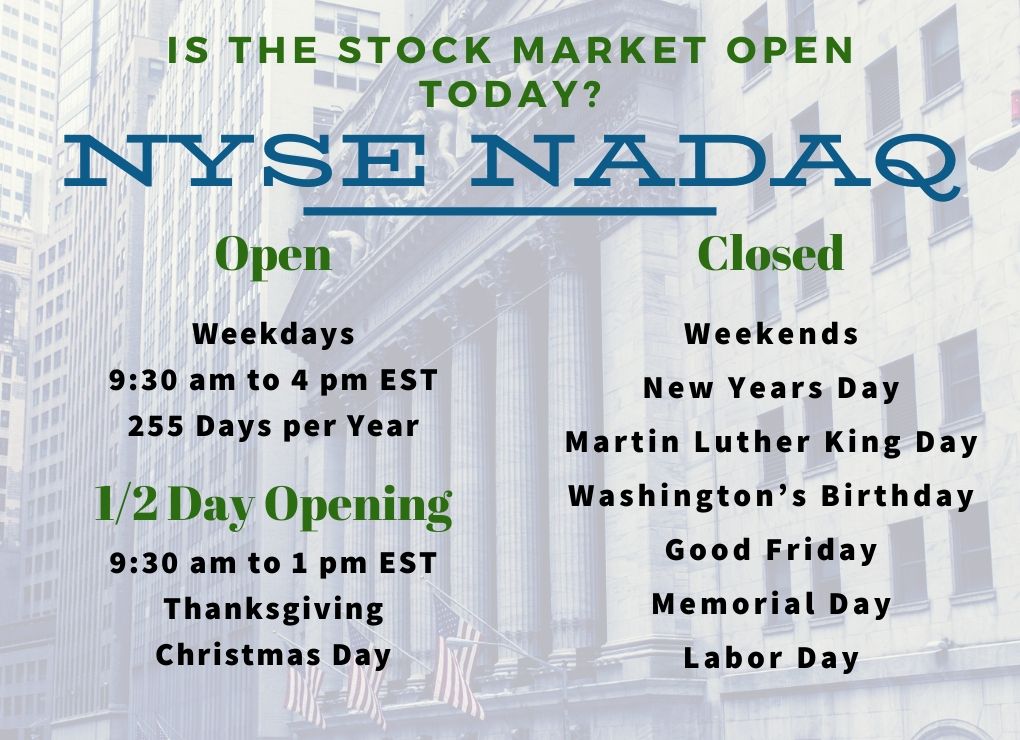
Like its venerable counterpart, the New York Stock Exchange (NYSE), the Nasdaq Stock Market adheres to a consistent schedule for its regular trading sessions. The market officially opens at 9:30 AM Eastern Time (ET) and closes at 4:00 PM ET on weekdays. This seven-and-a-half-hour window is the period of highest liquidity and typically features the tightest spreads between bid and ask prices, making it the most active time for transaction execution. During these hours, a vast array of participants – from institutional investors managing massive portfolios to individual retail traders executing specific strategies – contribute to the daily volume that drives market movements. The opening bell, often a ceremonial event, signals the start of this frenetic activity, while the closing bell marks its official cessation, locking in daily valuations for thousands of companies. This consistent schedule allows for global synchronization, enabling investors worldwide to anticipate and plan their trading day relative to New York time.
The Rationale Behind Fixed Trading Periods
The establishment of fixed trading periods is not arbitrary; it is rooted in principles designed to foster market efficiency, fairness, and stability. Firstly, definite start and end times concentrate trading activity, maximizing liquidity and facilitating robust price discovery. Without these boundaries, trading could become fragmented, leading to wider bid-ask spreads and less efficient markets. Secondly, a defined trading day allows market participants, including brokers, market makers, and regulatory bodies, to process and reconcile transactions effectively. It provides necessary downtime for back-office operations, clearing, and settlement, ensuring the integrity and reliability of the financial system. Furthermore, fixed hours contribute to market transparency, as all participants operate under the same rules and within the same timeframes. This structure also provides a critical period for reflection and analysis outside of live trading, allowing investors to digest news, analyze performance, and strategize for the next session without the immediate pressures of real-time market fluctuations. This regulated periodicity is a foundational element of organized financial markets, balancing constant access with periods of necessary operational closure.
Navigating Pre-Market and After-Hours Trading
While the regular trading session captures the majority of attention, the Nasdaq, like other major exchanges, also facilitates trading outside these core hours. These extended sessions—known as pre-market and after-hours trading—offer flexibility but come with their own distinct characteristics and risks that investors must understand.
The Mechanics of Extended Trading Sessions
Extended trading sessions are periods when investors can buy and sell securities before the official market opening and after its close. Pre-market trading typically begins as early as 4:00 AM ET and runs until the market opens at 9:30 AM ET. After-hours trading commences immediately after the 4:00 PM ET close and can extend as late as 8:00 PM ET. These sessions are largely facilitated by Electronic Communication Networks (ECNs), which are automated systems that match buy and sell orders. Unlike regular trading hours, where orders are often routed through market makers, extended hours rely heavily on these direct order matching systems. During these times, liquidity tends to be significantly lower, and trading volumes are typically a fraction of what is observed during the standard session. This reduced liquidity means that bid-ask spreads can be wider, and it might be harder to execute large orders without significantly impacting the price. Not all brokers offer access to extended-hours trading, and those that do may have specific rules or limitations regarding order types and execution.
Opportunities and Risks in Off-Hours Trading
Extended trading sessions present both unique opportunities and heightened risks for investors. On the opportunity side, they allow traders to react swiftly to news that breaks outside of regular market hours. For instance, a company might release its quarterly earnings report after the 4:00 PM close or before the 9:30 AM open. Investors privy to or anticipating this news can place trades before the broader market reacts, potentially capturing early gains or mitigating losses. This immediacy can be particularly appealing for event-driven strategies. Furthermore, some traders use these sessions for arbitrage opportunities or to adjust positions based on movements in international markets.
However, the risks associated with off-hours trading are substantial. The primary concern is lower liquidity, which can lead to higher volatility and larger price swings. With fewer buyers and sellers, even relatively small orders can disproportionately move a stock’s price, making it challenging to get desired execution prices. Wider bid-ask spreads mean that the cost of trading (the difference between what you can buy and sell for) is higher. There’s also a higher risk of price manipulation due to the thinner trading environment. Investors also face increased competition from institutional traders who have sophisticated algorithms and resources optimized for these conditions. Moreover, news that drives activity in extended hours may not be fully absorbed or accurately priced until the regular session begins, leading to potential reversals or significant gaps at the open. Therefore, while offering speed and responsiveness, extended-hours trading demands a higher level of caution and expertise.
Key Exceptions: Holidays and Early Closures
While the standard trading schedule provides consistency, the Nasdaq, like all major financial markets, observes certain U.S. holidays and may occasionally have modified trading hours. Being aware of these exceptions is vital for financial planning and avoiding missed opportunities or unexpected portfolio impacts.
Major U.S. Holidays Affecting Nasdaq Operations
The Nasdaq Stock Market follows the holiday schedule of the U.S. bond market. This means that on certain federal holidays, the exchange will be completely closed, suspending all trading activities. The primary holidays observed by Nasdaq, leading to a full market closure, include:
- New Year’s Day: January 1st
- Martin Luther King, Jr. Day: Third Monday in January
- Presidents’ Day (Washington’s Birthday): Third Monday in February
- Good Friday: Friday before Easter (variable date)
- Memorial Day: Last Monday in May
- Juneteenth National Independence Day: June 19th
- Independence Day: July 4th
- Labor Day: First Monday in September
- Thanksgiving Day: Fourth Thursday in November
- Christmas Day: December 25th
When any of these holidays fall on a weekend, the market typically observes the holiday on the preceding Friday or the following Monday. For instance, if Christmas Day falls on a Saturday, the market might be closed on Friday, December 24th. It is imperative for investors to consult an official market holiday calendar, usually available on brokerage platforms or financial news websites, to confirm exact closure dates each year. Ignoring these closures can lead to delayed trade executions, inability to react to breaking news, or missed settlement deadlines for transactions.
Understanding Half-Day Trading Schedules
In addition to full closures, Nasdaq occasionally operates on a “half-day” schedule, where the market closes earlier than the standard 4:00 PM ET. These shortened sessions typically occur on the day before or after certain major holidays, to allow market participants to travel or spend time with families while still providing a window for essential trading activity. Common instances for half-day trading include:
- The day after Thanksgiving (Black Friday): The market often closes at 1:00 PM ET.
- Christmas Eve: If December 24th falls on a weekday, the market typically closes at 1:00 PM ET.
- New Year’s Eve: Similarly, if December 31st falls on a weekday, the market may also close at 1:00 PM ET.
During these half-day sessions, pre-market trading generally operates as usual, but after-hours trading may also be shortened or entirely suspended following the early close. The reduced trading window can sometimes lead to concentrated volatility, as market participants attempt to finalize their positions before the early closure. Liquidity might also be thinner than usual, particularly towards the end of the shortened session. Investors should adjust their trading strategies accordingly, potentially scaling back on large orders or focusing on highly liquid assets to minimize execution risk during these periods.
The Impact of Unscheduled Market Closures (Rare Events)
While planned holidays and half-days are predictable, extremely rare circumstances can lead to unscheduled market closures or significant delays. These events are typically triggered by unforeseen, catastrophic incidents that could severely impact physical infrastructure, communication networks, or lead to widespread panic, necessitating a temporary halt to maintain market integrity and prevent systemic collapse. Historical examples include the aftermath of September 11, 2001, when markets were closed for several days, and various severe weather events that have caused temporary delays or closures. During such emergencies, regulatory bodies like the Securities and Exchange Commission (SEC) and the exchanges themselves work in conjunction to determine the appropriate course of action, prioritizing investor protection and market stability. While these occurrences are infrequent, understanding that they are a possibility underscores the inherent risks and the robust regulatory frameworks in place to manage extreme contingencies within the financial system.
Why Knowing Trading Hours is Crucial for Investors
Beyond mere scheduling, a deep understanding of Nasdaq’s trading hours is paramount for any investor seeking to optimize their strategies, manage risk, and navigate the market effectively. It directly impacts execution, volatility, and overall portfolio performance.
Strategic Implications for Day Traders and Long-Term Investors
For day traders, who profit from short-term price fluctuations, market hours are their operational rhythm. The opening minutes after 9:30 AM ET are often characterized by heightened volatility and significant price movements, driven by overnight news and pre-market activity. This period offers both substantial opportunities for quick gains and increased risks of rapid losses. Similarly, the closing hour (3:00 PM to 4:00 PM ET) sees another surge in activity as traders close positions, institutions rebalance, and end-of-day orders are executed. Day traders must align their strategies with these high-volume, high-volatility windows, understanding that liquidity and predictability can vary significantly throughout the day.
For long-term investors, while not actively trading minute by minute, understanding market hours is still critical. It dictates when their buy or sell orders will be executed and when their portfolios will reflect the latest market prices. News released outside of market hours can lead to significant price gaps at the next open, impacting the perceived value of their holdings. Long-term investors need to be aware of how these gaps might affect their entry or exit points if they plan to make transactions, especially around earnings reports or major economic announcements. Furthermore, understanding liquidity trends helps them place orders strategically to avoid poor execution, particularly for less liquid stocks.
Avoiding Pitfalls: Order Execution and Volatility
Poor execution can erode investment returns, and market hours directly influence it. During regular trading hours, particularly mid-day, liquidity is generally highest, and bid-ask spreads are tightest. This typically allows for more efficient order execution, where trades are filled closer to the desired price. Placing market orders during low-liquidity extended hours, however, can lead to significant slippage, where the actual execution price is far from the last traded price. Limit orders are often a safer choice during these times, ensuring a trade is only executed at or better than a specified price, but they come with the risk of non-execution.
The level of volatility also varies dramatically with market hours. Volatility is typically highest at the open and close of the regular session, and during pre-market and after-hours sessions due to thinner liquidity and concentrated reactions to news. Investors must recognize that trading during these periods carries higher risk. Sudden, sharp price movements are more common, which can quickly turn a profitable position into a loss, or vice versa. Being mindful of these volatility spikes allows investors to adjust their risk parameters, use smaller position sizes, or simply avoid trading during periods of extreme unpredictability if their strategy doesn’t explicitly account for it.
Leveraging Global Market Timings for Diversification
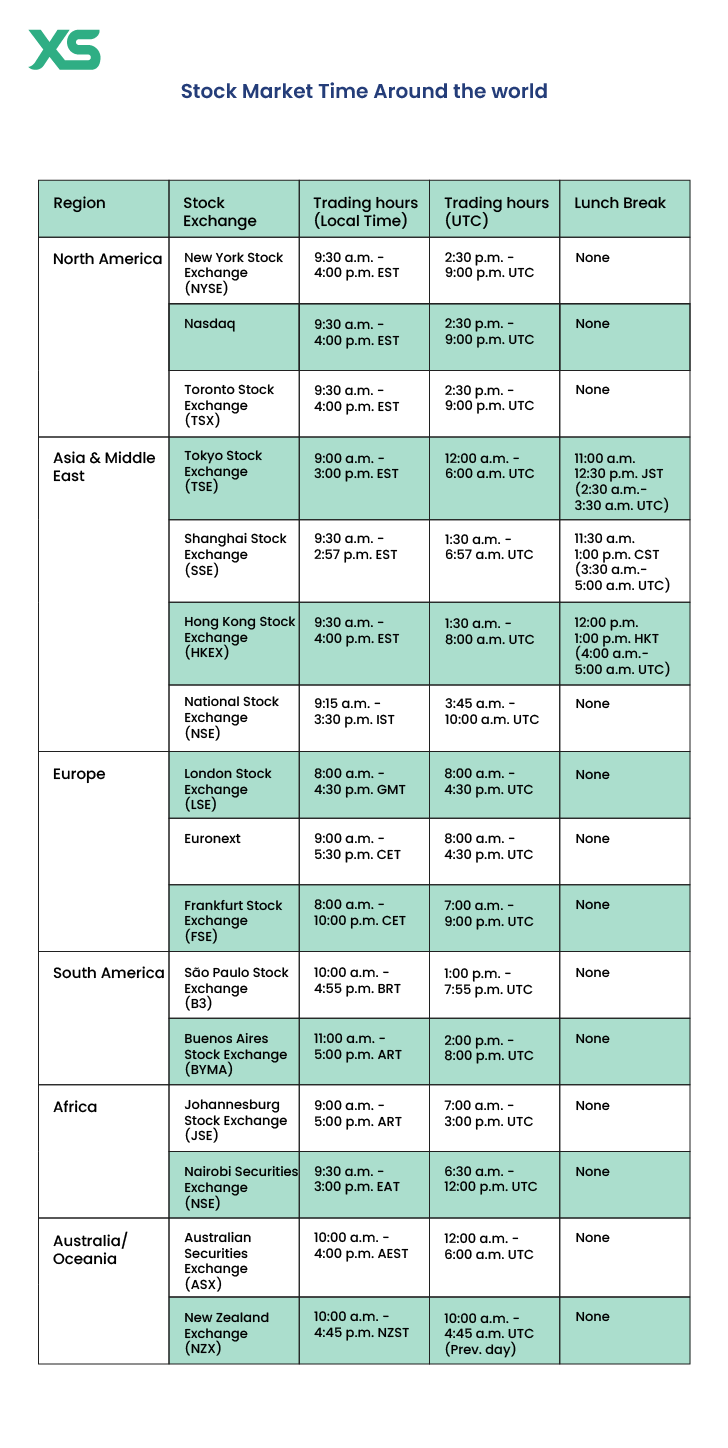
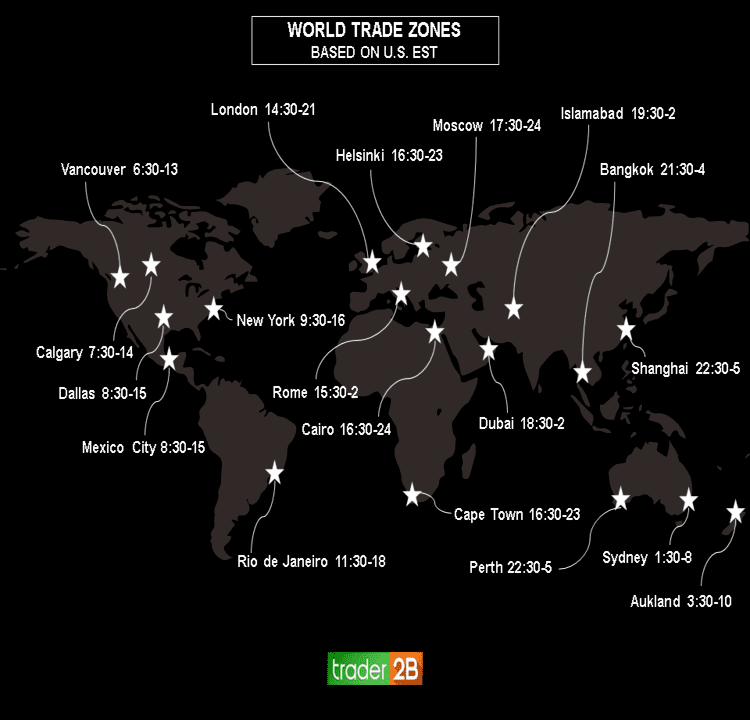
While focused on Nasdaq, a comprehensive understanding of global market timings can offer significant advantages for diversification and round-the-clock portfolio management. For instance, when Nasdaq is closed, other major global markets—such as those in Asia (Tokyo, Hong Kong) or Europe (London, Frankfurt)—are often open. News or economic data released in one region can ripple across markets, influencing sentiment and prices on other exchanges when they open.
Investors with diversified portfolios, including international equities, can use this sequential opening of global markets to their advantage. They can analyze how European or Asian markets reacted to certain events before Nasdaq opens, providing clues for potential movements in U.S.-listed assets. This allows for a more informed strategy at the Nasdaq open. For example, if a major tech announcement in Asia impacts related sectors, U.S. tech investors can anticipate potential moves. While direct trading on Nasdaq is confined to its hours, the interconnectedness of global finance means that market activity elsewhere effectively extends the “information trading day,” allowing sophisticated investors to continually monitor and adapt their strategies, even when the U.S. market is technically closed.
Practical Tools and Best Practices for Monitoring Market Hours
Staying informed about Nasdaq’s opening and closing times, along with all exceptions, is a fundamental discipline for any investor. Fortunately, a wealth of resources and tools are readily available to ensure you are always up-to-date and prepared.
Utilizing Financial Calendars and News Sources
One of the simplest yet most effective ways to track market hours is by regularly consulting official financial calendars. Most reputable financial news outlets, such as Bloomberg, Reuters, Wall Street Journal, and reputable investment websites like CNBC or Yahoo Finance, publish comprehensive market holiday schedules annually. These calendars not only list full market closures but also often highlight half-day trading sessions. It’s good practice to mark these dates in your personal or digital calendar, perhaps even setting reminders for early closes.
Beyond official calendars, staying abreast of financial news is crucial. Major news events, such as unexpected economic reports, geopolitical developments, or even severe weather warnings, can sometimes lead to emergency market adjustments or delays, although these are rare. By following real-time financial news feeds and alerts, investors can be among the first to know if unforeseen circumstances might impact trading hours. Subscribing to market updates from your brokerage or preferred financial news provider can ensure you receive timely notifications directly.
Brokerage Platform Features and Alerts
Modern online brokerage platforms are designed with investor convenience and information access in mind. Nearly all major brokerage firms provide integrated tools and features that clearly display market status. You’ll typically find an indicator on your trading dashboard showing whether the market is open, closed, or in an extended session. Many platforms also offer:
- Market Hours Calendars: Directly accessible within the platform, these often highlight upcoming holidays and modified trading hours.
- Customizable Alerts: You can often set up email or mobile notifications for market open/close times, ensuring you’re aware even when not actively logged in.
- Order Type Specificity: Platforms will guide you on how different order types (market vs. limit) behave during regular versus extended hours, sometimes even warning you about potential risks of placing market orders in illiquid periods.
- Pre- and Post-Market Access: Most platforms clearly delineate which stocks are available for extended-hours trading and provide tools for placing orders within those windows.
Familiarize yourself with your brokerage’s specific features. Leverage their educational resources, which often include guides on navigating market hours and placing orders effectively under various conditions. This integration of information and functionality within your trading environment is invaluable for seamless market participation.
Adapting Trading Strategies to Market Timings
Ultimately, understanding Nasdaq’s trading hours is not just about knowing “when”; it’s about knowing “how” to adapt your strategy accordingly. Day traders might focus their most aggressive strategies during the opening and closing hours of the regular session, capitalizing on heightened volatility, and then scale back or move to less aggressive approaches during the mid-day lull. For pre-market and after-hours trading, a stricter adherence to limit orders, smaller position sizes, and a keen eye on liquidity indicators are advisable.
Long-term investors, while less concerned with minute-to-minute fluctuations, should consider the timing of their large orders. Executing substantial buy or sell orders for less liquid stocks during the middle of the regular trading day, when liquidity is typically at its peak, can help achieve better average prices and reduce market impact. Conversely, avoiding large market orders on half-days or during extended hours can prevent unfavorable fills.
For those engaging with news-driven strategies, recognizing when key economic data or company earnings are released relative to market openings and closures is paramount. This enables investors to anticipate potential price gaps and position themselves either to capitalize on them or to protect their portfolios from adverse movements. By integrating market timing awareness into every facet of your financial strategy, you enhance your decision-making, mitigate risks, and position yourself for more effective and profitable engagement with the dynamic world of the Nasdaq Stock Market.
aViewFromTheCave is a participant in the Amazon Services LLC Associates Program, an affiliate advertising program designed to provide a means for sites to earn advertising fees by advertising and linking to Amazon.com. Amazon, the Amazon logo, AmazonSupply, and the AmazonSupply logo are trademarks of Amazon.com, Inc. or its affiliates. As an Amazon Associate we earn affiliate commissions from qualifying purchases.