
Embarking on the entrepreneurial journey is an exhilarating prospect, promising independence, innovation, and the potential for substantial rewards. However, the dream of launching your own venture often collides with a stark reality: the financial intricacies that underpin every successful enterprise. Starting a business isn’t just about a great idea or a passion; it’s fundamentally about money – how to get it, how to manage it, and how to make it grow. This article dives deep into the financial blueprint required to transform an idea into a thriving, profitable business, equipping aspiring entrepreneurs with the insights needed to navigate the monetary landscape with confidence and strategic foresight.

The Foundational Financial Blueprint
Before a single product is sold or a service rendered, the financial framework of your business must be meticulously constructed. This initial phase involves critical financial introspection and planning that will dictate your venture’s viability and trajectory.
Understanding Your Why and Market Need (Financial Viability)
Every successful business addresses a specific market need, and understanding this need from a financial perspective is paramount. While passion fuels many entrepreneurs, profit sustains them. Therefore, the “why” behind your business must align with a clear path to financial viability. This involves rigorous market research to identify not just a demand, but a demand that customers are willing to pay for – and pay enough to ensure your business’s profitability. Delving into market size, competitive pricing, and potential revenue streams will reveal if your brilliant idea can indeed translate into a lucrative venture. Without this foundational understanding, even the most innovative concepts risk floundering in a sea of unprofitability. It’s about assessing whether your proposed solution solves a problem for which a significant enough segment of the population is ready and able to pay, and at a price point that covers your costs and generates a healthy margin.
Crafting a Robust Business Plan (Financial Projections)
The business plan is more than just a document; it’s your venture’s financial roadmap. It crystallizes your vision into actionable steps and, crucially, quantifies the financial implications of those steps. A compelling business plan dedicates significant attention to financial projections, outlining everything from startup costs to projected revenue, operating expenses, and profitability over several years. This includes a detailed breakdown of one-time expenses (equipment, legal fees, initial inventory), ongoing operational costs (rent, utilities, salaries), and a realistic revenue model (how sales will be generated and at what price points). Crucial components include a break-even analysis, which pinpoints the sales volume needed to cover all costs, and cash flow projections, illustrating the movement of money in and out of the business. For potential investors or lenders, these financial forecasts are the bedrock upon which their investment decisions are made, showcasing not only your understanding of the market but also your ability to manage and grow capital responsibly.
Legal Structure and Financial Implications
The legal structure you choose for your business has profound financial and operational consequences. Options like a Sole Proprietorship, Partnership, Limited Liability Company (LLC), or Corporation each carry distinct implications for taxes, personal liability, and your ability to raise capital. For instance, a Sole Proprietorship offers simplicity but exposes personal assets to business liabilities. An LLC provides personal liability protection and flexible taxation, often preferred by small businesses. A Corporation, while more complex and costly to set up, offers the greatest personal asset protection and can facilitate easier equity fundraising. Understanding these structures is vital for financial planning, as they dictate how your business is taxed, how you can distribute profits, and the ease with which you can attract external funding. Beyond structure, identifying and budgeting for necessary permits, licenses, and ongoing compliance costs is essential to avoid legal pitfalls and unexpected expenses that can cripple a nascent business.
Funding Your Venture: Capital Acquisition Strategies
Once your financial blueprint is in place, the next crucial step is securing the capital needed to bring your vision to life. This often requires a multifaceted approach, blending various funding avenues tailored to your business’s needs and risk profile.
Bootstrapping: Leveraging Personal Resources
Bootstrapping refers to self-funding your business using personal savings, credit cards (exercising extreme caution), or by minimizing expenses and generating revenue from day one. This approach grants entrepreneurs maximum control, avoids debt repayment obligations, and prevents equity dilution. It forces lean operations, creative problem-solving, and a relentless focus on profitability from the outset. Many successful companies started with minimal external funding, relying instead on the ingenuity and personal financial commitment of their founders. While financially demanding on the individual, bootstrapping instills robust financial discipline and ensures that every dollar spent is rigorously scrutinized for its return on investment. It’s often the first and most accessible funding source for many startups.
Debt Financing: Loans and Lines of Credit
For businesses that require more capital than bootstrapping can provide, or those looking to expand, debt financing becomes a viable option. This typically involves securing loans from financial institutions. Small Business Administration (SBA) loans, for example, are partially guaranteed by the government, making them more accessible to small businesses. Traditional bank loans and lines of credit offer capital in exchange for interest payments, with varying terms, collateral requirements, and repayment schedules. Microloans, often provided by non-profit organizations, target underserved entrepreneurs with smaller capital needs. Understanding the terms, interest rates, and repayment obligations associated with each type of debt is crucial to avoid overburdening your business with unsustainable financial commitments. Debt financing allows entrepreneurs to retain full ownership, but it introduces fixed financial obligations that must be met regardless of business performance.
Equity Financing: Attracting Investors
When significant capital is needed for rapid growth or large-scale operations, equity financing offers a solution by bringing in investors who receive a share of ownership in exchange for their funds. This can range from “friends and family” rounds to sophisticated angel investors and venture capital firms. Angel investors are typically affluent individuals who provide seed capital for startups, often bringing mentorship and industry connections alongside their funds. Venture capital firms invest larger sums in high-growth potential companies, expecting significant returns. Attracting equity investors requires a compelling business plan, strong financial projections, a clear market opportunity, and a solid management team. The trade-off is giving up a portion of your company’s ownership and future profits, but the influx of capital and strategic guidance can be transformative for scaling operations and market penetration.
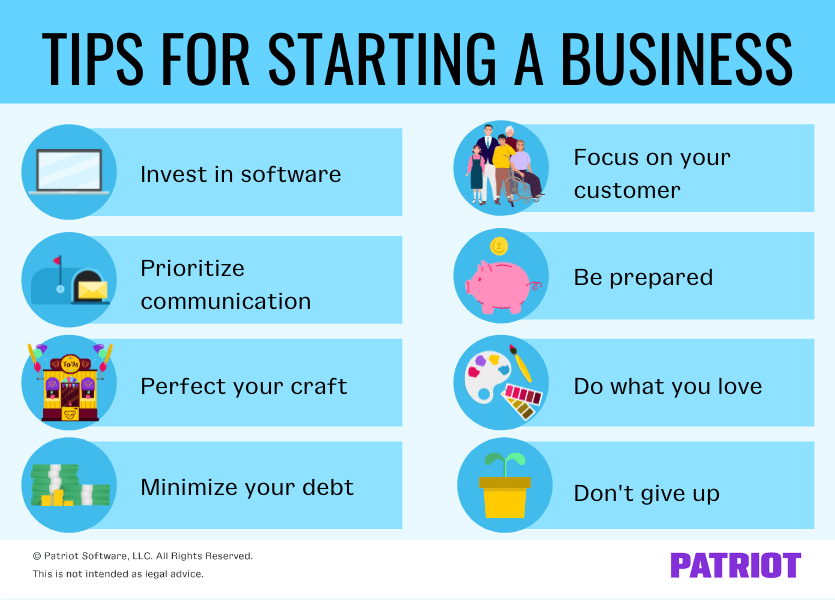
Alternative Funding Sources
Beyond traditional avenues, a spectrum of alternative funding sources exists. Crowdfunding platforms like Kickstarter and Indiegogo allow businesses to raise capital from a large number of individuals, often by offering rewards or early access to products (presales), or even equity. Grants, particularly government, non-profit, or industry-specific grants, can provide non-repayable funds for businesses aligned with specific missions or innovation goals. While often competitive and application-intensive, grants offer capital without equity dilution or debt obligations. Exploring these diverse funding mechanisms allows entrepreneurs to tailor their capital acquisition strategy to their specific needs, mitigating risk and optimizing for long-term financial health.
Mastering Business Finance and Operations
Securing capital is just the beginning; the real test lies in effectively managing your business’s finances day-to-day. Diligent financial operations are the backbone of sustainable growth and profitability.
Budgeting and Cash Flow Management
At the heart of sound financial management lies meticulous budgeting and proactive cash flow management. A comprehensive budget should detail all anticipated expenses – operating costs, marketing outlays, personnel salaries, and contingency funds – against projected revenues. This serves as a vital control mechanism, ensuring resources are allocated efficiently and preventing overspending. Equally important is vigorous cash flow management, which involves constantly monitoring the movement of money in and out of your business. Positive cash flow is the lifeblood of any enterprise, enabling it to pay bills, invest in growth, and survive lean periods. Regular forecasting and scenario planning (e.g., what if sales drop by 20%?) are essential tools to anticipate potential liquidity crises and make timely adjustments, ensuring that your business always has enough cash to meet its obligations.
Pricing Strategies for Profitability
Setting the right price for your products or services is a delicate balance, directly impacting revenue, sales volume, and ultimately, profitability. Various pricing strategies exist, each with its own advantages. Cost-plus pricing involves calculating all costs associated with a product or service and adding a desired profit margin. Value-based pricing sets prices based on the perceived value to the customer, rather than just the cost of production. Competitive pricing involves benchmarking against what competitors charge. Understanding profit margins – both gross (revenue minus cost of goods sold) and net (revenue minus all expenses) – is critical. Your pricing strategy must cover all costs, generate a sustainable profit, and be attractive enough to your target market. Regularly reviewing and adjusting pricing based on market feedback, cost changes, and competitor actions is key to maintaining profitability.
Financial Tools and Systems
In today’s digital age, leveraging appropriate financial tools and systems is non-negotiable for efficient business operations. Accounting software like QuickBooks, Xero, or FreshBooks streamlines bookkeeping, tracks income and expenses, generates financial reports, and simplifies tax preparation. These tools are indispensable for maintaining accurate financial records, which are crucial for decision-making, investor reporting, and compliance. Payment processing solutions such as Stripe, PayPal, or Square facilitate seamless transactions, whether online or in-person. Payroll systems ensure employees are paid accurately and on time, while also handling tax withholdings and regulatory compliance. Crucially, from day one, it’s imperative to separate personal and business finances. This not only simplifies accounting and tax filing but also provides a clear financial picture of your business’s performance, preventing commingling issues and ensuring professional financial management.
Growth, Profitability, and Sustainable Financial Health
Beyond the initial setup and day-to-day management, a forward-looking perspective on financial health is essential for long-term success, growth, and eventually, prosperity.
Monitoring Key Financial Metrics (KPIs)
To steer your business effectively towards growth and sustained profitability, you must continuously monitor key financial performance indicators (KPIs). These metrics provide actionable insights into your business’s health and efficiency. Important KPIs include revenue growth rate, customer acquisition cost (CAC), customer lifetime value (CLTV), gross and net profit margins, operating cash flow, and return on investment (ROI). For instance, comparing CAC to CLTV helps determine the long-term profitability of your customer base. A high burn rate (the speed at which a company spends its capital) might signal a need to conserve cash or secure additional funding. By regularly tracking and analyzing these KPIs, entrepreneurs can identify trends, diagnose problems, and make data-driven decisions to optimize operations, marketing efforts, and financial strategy.
Reinvesting for Expansion vs. Profit Distribution
As your business begins to generate profits, a critical financial decision arises: how much to reinvest back into the business for future growth versus how much to distribute as owner compensation or dividends. Strategic reinvestment can fuel expansion into new markets, product development, technology upgrades, or increased marketing efforts – all of which aim to accelerate growth and enhance long-term value. This is often a better long-term strategy for young, high-growth businesses. Conversely, distributing profits can reward owners for their efforts and provide personal income. The optimal balance depends on the business’s stage of growth, market opportunities, and the owners’ financial goals. A well-advised strategy considers both immediate needs and future potential, ensuring that capital is deployed where it can generate the highest return for the business.

Risk Management and Financial Planning for the Future
No business journey is without risk, and robust financial planning must include strategies for mitigating potential threats. Building a strong emergency fund for the business is paramount, providing a buffer against unforeseen downturns, market shocks, or unexpected expenses. Adequate insurance coverage – including general liability, property, business interruption, and professional indemnity – is essential to protect assets and operations from catastrophic financial losses. Furthermore, financial planning should extend to future considerations such as succession planning and potential exit strategies (e.g., selling the business, passing it on). Understanding the financial implications of these scenarios allows for proactive structuring and valuation, maximizing future returns. Finally, ongoing tax planning and compliance are vital to minimize tax liabilities legally and avoid penalties, ensuring your business’s financial operations remain above board and optimized for profitability.
Starting your own business is a profound act of creation, but its lasting success hinges on a disciplined and insightful approach to finance. From the initial blueprint and securing capital to diligent day-to-day management and strategic future planning, every financial decision molds your venture’s destiny. By embracing these core principles of business finance, entrepreneurs can build not just a company, but a financially robust and sustainable legacy. The journey may be challenging, but with a solid monetary foundation, the rewards of entrepreneurship are well within reach.
aViewFromTheCave is a participant in the Amazon Services LLC Associates Program, an affiliate advertising program designed to provide a means for sites to earn advertising fees by advertising and linking to Amazon.com. Amazon, the Amazon logo, AmazonSupply, and the AmazonSupply logo are trademarks of Amazon.com, Inc. or its affiliates. As an Amazon Associate we earn affiliate commissions from qualifying purchases.