
In an era where travel has become more accessible yet increasingly complex, the quest to secure the best possible airfare remains a perennial challenge for budget-conscious adventurers and business travelers alike. The price of a flight can fluctuate wildly, sometimes by hundreds of dollars, within a matter of days or even hours. This volatility often leaves consumers wondering if there’s a secret formula, a magic window, or a specific day of the week that guarantees the lowest prices. The truth is, while there’s no single, infallible rule, a combination of strategic timing, understanding market dynamics, and leveraging financial tools can significantly reduce your travel expenses. This guide delves into the intricate world of airline pricing to equip you with the knowledge and tactics needed to master the art of economical airfare.
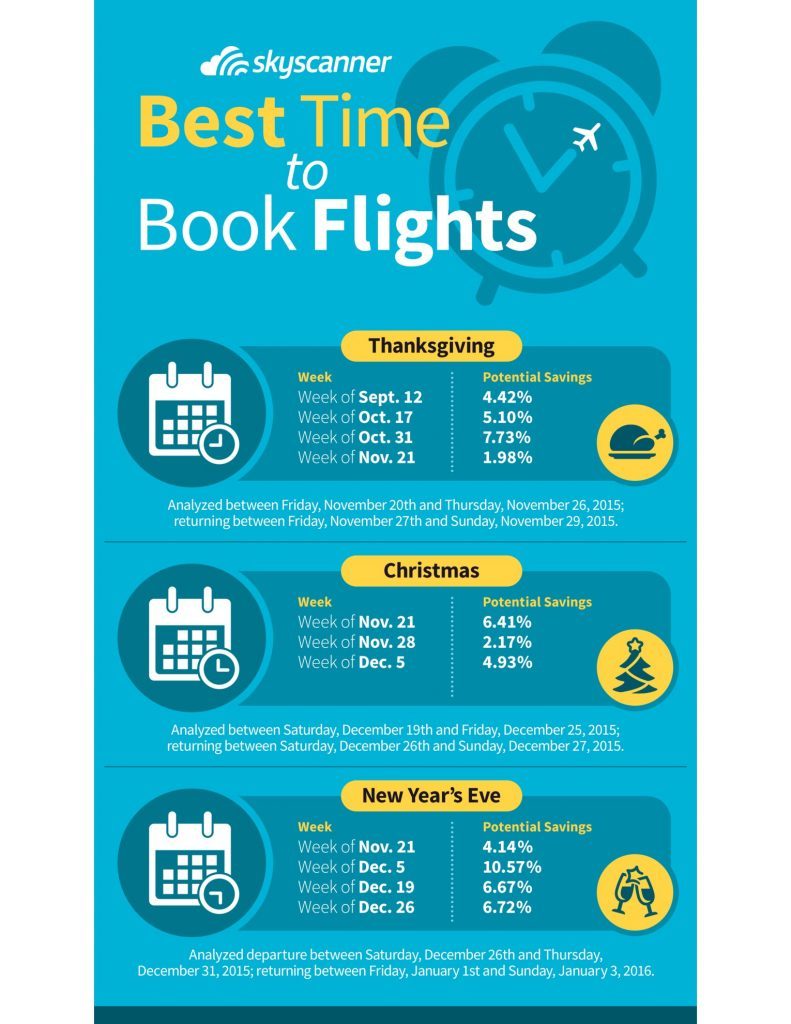
The Golden Window: Timing Your Purchase for Maximum Savings
The single most impactful factor in determining flight prices is often when you decide to click “buy.” Airlines employ sophisticated algorithms to adjust fares based on demand, capacity, historical data, and a myriad of other variables. Understanding these patterns allows you to identify the “golden window” – that sweet spot where prices are typically at their lowest before rising sharply.
Domestic Flights: The 1-3 Month Sweet Spot
For travel within your own country, the optimal booking window generally falls between one to three months before your intended departure date. During this period, airlines have a clearer picture of demand and are looking to fill seats without resorting to last-minute fire sales or charging premium for high demand. Booking too early (e.g., six months out) often means paying a higher price because airlines haven’t yet adjusted fares for competitive pricing or potential promotions. Conversely, waiting until the last minute (within a few weeks) almost guarantees a significant price hike, as airlines bank on urgent travelers being willing to pay more. This window allows for a balance between availability and competitive pricing.
International Flights: Planning 2-8 Months Ahead
International travel requires a longer lead time for several reasons, including visa requirements, passport validity, and typically higher overall costs. For long-haul international flights, the ideal booking period stretches from two to eight months in advance. Shorter international trips (e.g., across borders to neighboring countries) might align more closely with domestic flight timings, but for significant intercontinental journeys, earlier booking is almost always more economical. Airlines need more time to gauge demand for these complex routes and tend to offer their most attractive fares further out, gradually increasing prices as departure approaches. Factors like popular holiday periods or major global events can push this window even further back, sometimes requiring nine to twelve months of planning.
Avoiding Last-Minute Premium and Early Bird Traps
While the instinct to book far in advance might seem financially prudent, it’s not always the case. Airlines initially set high prices for flights when they are first released, targeting corporate travelers or those with inflexible schedules who are willing to pay a premium. As the departure date draws closer, if seats remain unsold, prices might drop to stimulate demand. However, this is a delicate balance, as waiting too long incurs the “last-minute premium” – a steep increase in price for urgent bookings, particularly within two weeks of departure. The key is to find the equilibrium point where early bird premiums have subsided, but the last-minute surcharge hasn’t yet kicked in.
Understanding Peak Seasons and Off-Peak Opportunities
The timing of your purchase is intertwined with the timing of your travel. Flying during peak seasons (e.g., summer holidays, Christmas, New Year, school breaks, major festivals, or popular sporting events) will inherently lead to higher prices, regardless of when you book. Airlines capitalize on increased demand during these periods. To save money, consider traveling during the shoulder seasons (the periods just before or after peak season) or during the true off-season. For example, traveling to Europe in late autumn or early spring can yield significant savings compared to the summer months. Flexibility with your travel dates, even by a few days, can unlock substantially lower fares by shifting you into an off-peak pricing window.
Price Volatility and Market Dynamics
Airline pricing is a complex science, driven by sophisticated algorithms that continuously analyze a vast array of data points. Understanding the underlying forces that dictate these fluctuations can help you anticipate price movements and make more informed decisions.
The Role of Supply and Demand in Airfare Pricing
At its core, airfare pricing adheres to the fundamental economic principle of supply and demand. When demand for a particular route or date is high, and the supply of available seats is limited, prices will naturally rise. Conversely, if a flight has many unsold seats, airlines will often lower prices to fill them. This dynamic explains why popular routes or flights during holidays are consistently more expensive. Airlines are masters at predicting demand, using historical data and current booking trends to adjust prices in real-time, often multiple times a day.
How Algorithms Influence Flight Costs
Modern airline pricing is almost entirely algorithmic. These complex systems consider factors such as:
- Competitor Pricing: What are other airlines charging for similar routes?
- Booking Trends: How quickly are seats selling for a particular flight?
- Route Popularity: Is this a high-demand route or a niche one?
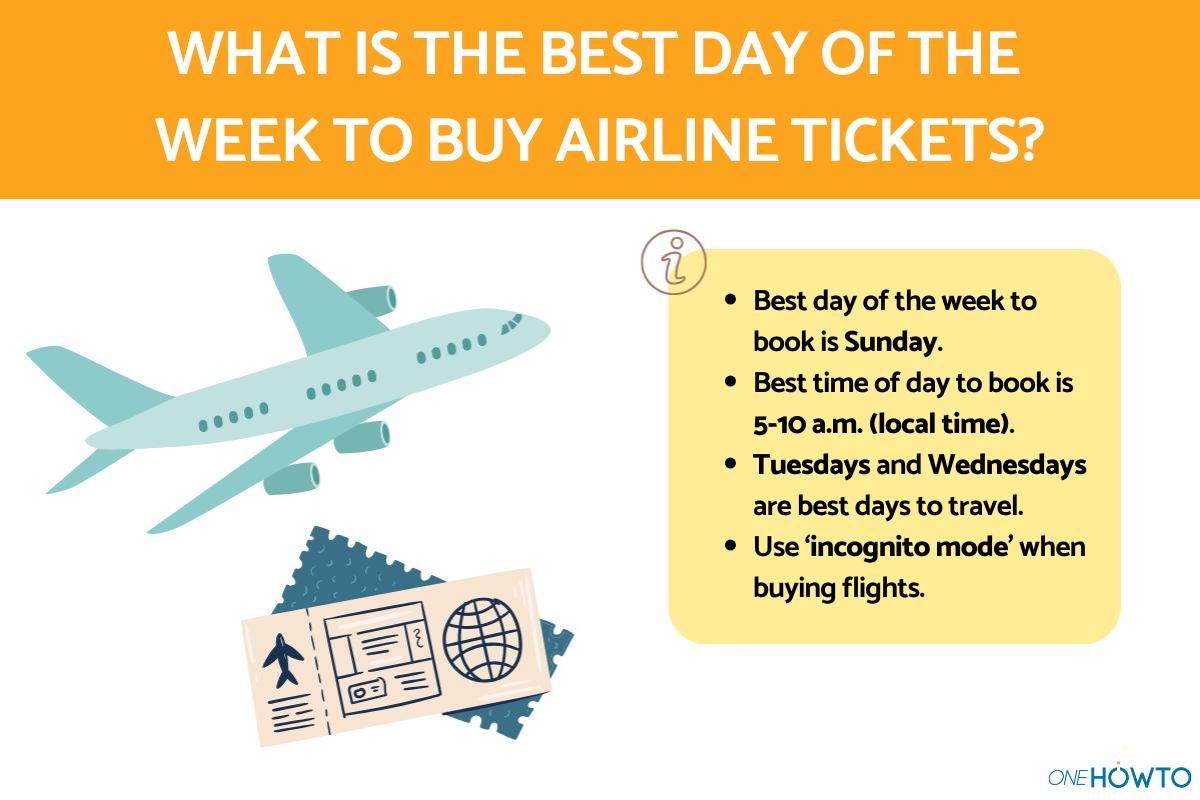
- Day of the Week/Time of Day: Tuesdays, Wednesdays, and Saturdays are often cheaper travel days due to lower business traveler demand.
- Connecting Flights vs. Direct: Direct flights typically command a premium.
- Fare Classes: Different price points for the same seat, often with varying flexibility and amenities.
- Customer Search Behavior: Some algorithms even track how many times you’ve searched for a particular flight, potentially increasing the price in subsequent searches (though this is a hotly debated topic, using incognito mode is a good precaution).
These algorithms are designed to maximize revenue, dynamically adjusting prices to capture the highest possible fare from each customer segment.
Impact of Fuel Prices and Economic Conditions
Broader economic factors also play a significant role. Fluctuations in global crude oil prices directly impact an airline’s operational costs. When fuel prices rise, airlines often pass these increased costs onto consumers through higher fares or fuel surcharges. Similarly, general economic conditions, such as recessions or booms, can influence consumer travel budgets and overall demand, leading to airlines adjusting their pricing strategies accordingly. Geopolitical events, natural disasters, or global health crises can also cause rapid and unpredictable shifts in airfare, either driving prices down due to reduced demand or up due to limited capacity.
Exploiting Price Drops: Setting Up Fare Alerts
Given the dynamic nature of flight pricing, actively monitoring fares is crucial. Most flight comparison websites (e.g., Google Flights, Skyscanner, Kayak) offer fare alert services. By setting up an alert for your desired route and dates, you’ll receive email notifications whenever the price changes. This allows you to track fluctuations without constant manual checking and empowers you to pounce when a significant price drop occurs. It’s an excellent passive strategy for ensuring you don’t miss out on a good deal once you’ve identified your general travel window.
Strategic Approaches Beyond Timing
While timing is paramount, several other savvy financial tactics can help you secure more affordable flights, extending beyond just when you book.
Leveraging Flexible Dates and Destinations

Flexibility is a traveler’s best friend when it comes to saving money.
- Flexible Dates: If your schedule allows, use the “flexible dates” or “calendar view” features on flight search engines. Often, shifting your departure or return by just a day or two can reveal significantly cheaper fares, particularly for mid-week travel (Tuesday to Thursday) compared to weekend travel.
- Flexible Destinations: If you’re open to exploring different places, use tools like Google Flights’ “Explore” feature or Skyscanner’s “Everywhere” search. These allow you to input your departure airport and desired travel dates, then show you the cheapest destinations around the world, potentially inspiring a more budget-friendly adventure.
The Power of Incognito Mode and Clearing Cookies
Some travelers believe that airlines and online travel agencies (OTAs) track your search history through cookies and may subtly increase prices for routes you’ve repeatedly searched for. While concrete proof of this “dynamic pricing” based on individual browsing history is elusive and widely debated, using incognito or private browsing mode and clearing your browser’s cookies before searching is a simple, harmless precaution. This ensures that each search is treated as if you’re a new user, potentially preventing any algorithms from “remembering” your interest and adjusting prices upwards.
Exploring Alternative Airports and Stopovers
Direct flights are convenient but often come at a premium.
- Alternative Airports: Research smaller, regional airports near your primary destination or departure city. Flying into or out of these secondary airports can sometimes be considerably cheaper, even after accounting for ground transportation costs to your final destination. For example, flying into London Stansted or Luton might be cheaper than Heathrow, or flying into Oakland instead of San Francisco.
- Stopovers: Flights with one or more layovers are almost always cheaper than direct flights. If time is not a critical constraint, accepting a longer journey with a stopover can lead to substantial savings. Some airlines even offer free stopovers in their hub cities, allowing you to turn a layover into a mini-trip without extra airfare cost.
Budget Airlines vs. Full-Service Carriers: A Cost-Benefit Analysis
The rise of budget airlines (e.g., Spirit, Frontier, Ryanair, EasyJet, AirAsia) has revolutionized air travel by offering extremely low base fares. However, it’s crucial to understand their business model, which often involves unbundling services. While the initial ticket price might be attractive, you’ll typically pay extra for:
- Checked bags and sometimes even carry-on bags
- Seat selection
- In-flight meals and drinks
- Priority boarding
Full-service carriers, while often having higher base fares, typically include some or all of these amenities. A thorough cost-benefit analysis, factoring in all potential add-ons, is essential before deciding which type of carrier offers the true “best” deal for your specific needs. Sometimes, a slightly higher fare with a full-service airline can actually be cheaper when all costs are considered.
Financial Tools and Tactics for Savvy Travelers
Beyond understanding market dynamics and strategic booking, leveraging specific financial tools and practices can further optimize your flight purchases and overall travel budget.
Utilizing Flight Comparison Websites and Aggregators
The first step in any flight search should be to utilize comprehensive flight comparison websites and aggregators. Tools like Google Flights, Skyscanner, Kayak, Expedia, and Momondo scour hundreds of airlines and online travel agencies to present you with a wide range of options and price points. Each platform has slightly different strengths and features (e.g., Google Flights’ calendar view for flexible dates, Skyscanner’s “Everywhere” search). It’s often beneficial to check a few different aggregators, as no single one captures every single deal, and prices can sometimes vary between them. Always double-check prices directly on the airline’s website after finding a good deal on an aggregator, as sometimes direct booking can be slightly cheaper or offer better terms.
The Benefits of Travel Credit Cards and Loyalty Programs
For frequent travelers, travel-specific credit cards and airline loyalty programs offer significant financial advantages.
- Travel Credit Cards: Many credit cards offer substantial sign-up bonuses in the form of points or miles, which can be redeemed for free flights or upgrades. They often come with perks like lounge access, free checked bags, travel insurance, and accelerated points earning on travel-related purchases. Strategically using these cards for everyday spending can accumulate enough rewards for future flights.
- Airline Loyalty Programs: Even if you don’t have a co-branded credit card, joining an airline’s free loyalty program allows you to earn miles or points with every flight. These can be redeemed for future travel, upgrades, or other benefits. Sticking to an alliance of airlines (e.g., Star Alliance, SkyTeam, Oneworld) can help you consolidate your points accumulation even when flying different carriers.
Understanding Fare Classes and Hidden Costs
When comparing prices, be aware that not all “economy” tickets are created equal. Airlines segment their economy cabin into multiple “fare classes” (e.g., Basic Economy, Economy, Economy Plus) each with different restrictions and inclusions. Basic Economy, while cheapest, often comes with severe limitations like no seat selection, no changes allowed, and strict baggage rules. Always read the fine print to understand what is included in your fare. Additionally, be vigilant for hidden costs like baggage fees, seat selection fees, credit card processing fees, and even hefty change/cancellation fees. These can quickly erode any perceived savings from a low base fare.
Travel Insurance: A Financial Safeguard
While not directly related to buying the flight, travel insurance is a critical financial tool for protecting your investment. Unexpected events like illness, injury, flight cancellations, lost luggage, or trip interruptions can lead to significant financial losses if you’re uninsured. While it adds to the upfront cost, a comprehensive travel insurance policy can provide peace of mind and safeguard your financial well-being against unforeseen circumstances, making it a wise investment, especially for expensive international trips. Compare policies carefully to ensure coverage aligns with your specific needs.
Common Myths and Misconceptions Debunked
The quest for cheap flights has spawned numerous urban legends and “hacks.” Let’s separate fact from fiction.
Is Tuesday Always the Cheapest Day to Buy?
The widely held belief that Tuesdays are always the cheapest day to buy flights stems from a time when airlines manually loaded new sales mid-week. In today’s algorithmic world, while Tuesdays (or sometimes Wednesdays) might still see some fluctuations due to competitive adjustments or airlines reacting to weekend sales data, it is far from a universal rule. Prices can change at any moment. Rather than fixating on a specific day to buy, focus on the optimal booking window and setting fare alerts.
The Truth About Booking on Weekends
It’s often advised to avoid booking on weekends, with the rationale that business travelers aren’t searching, leading to higher prices for leisure travelers. While many airlines might launch weekend sales, these are often limited-time promotions rather than a reflection of general weekend pricing strategy. Again, the overarching rule of the booking window and demand dynamics carries more weight than the specific day of the week you hit “purchase.” Search often, set alerts, and be ready to buy when you see a good price, regardless of the day.
Dynamic Pricing: Fact vs. Fiction
The idea that airlines literally hike prices just for you because you searched for a flight multiple times is a contentious one. While airlines undoubtedly use sophisticated dynamic pricing models, it’s more likely that these algorithms react to overall demand trends and broader market shifts rather than individually tracking and penalizing a single user’s repeated searches. As mentioned, using incognito mode or clearing cookies is a benign precaution, but the primary drivers of price changes are supply and demand, competitive forces, and the proximity to the departure date.
In conclusion, securing the best flight deals is less about finding a magic bullet and more about a strategic, informed approach. By understanding the golden booking windows, recognizing the influence of market dynamics, leveraging financial tools like fare alerts and travel credit cards, and remaining flexible with your dates and destinations, you can significantly reduce your airfare expenses. Armed with this knowledge, you’re not just buying a ticket; you’re making a financially savvy investment in your next adventure.
aViewFromTheCave is a participant in the Amazon Services LLC Associates Program, an affiliate advertising program designed to provide a means for sites to earn advertising fees by advertising and linking to Amazon.com. Amazon, the Amazon logo, AmazonSupply, and the AmazonSupply logo are trademarks of Amazon.com, Inc. or its affiliates. As an Amazon Associate we earn affiliate commissions from qualifying purchases.