
In an increasingly interconnected world, the concept of a “global city” transcends mere geographic location or population size; it represents a powerful and strategically cultivated brand. Much like a corporation vying for market dominance, a global city actively builds, markets, and maintains an identity that attracts talent, investment, and influence on an international scale. Understanding what defines a global city requires a deep dive into its inherent brand strategy, its corporate identity, and the meticulous marketing efforts that elevate it from a mere urban center to a pivotal node in the global network.
Defining the Global City as a Brand Entity
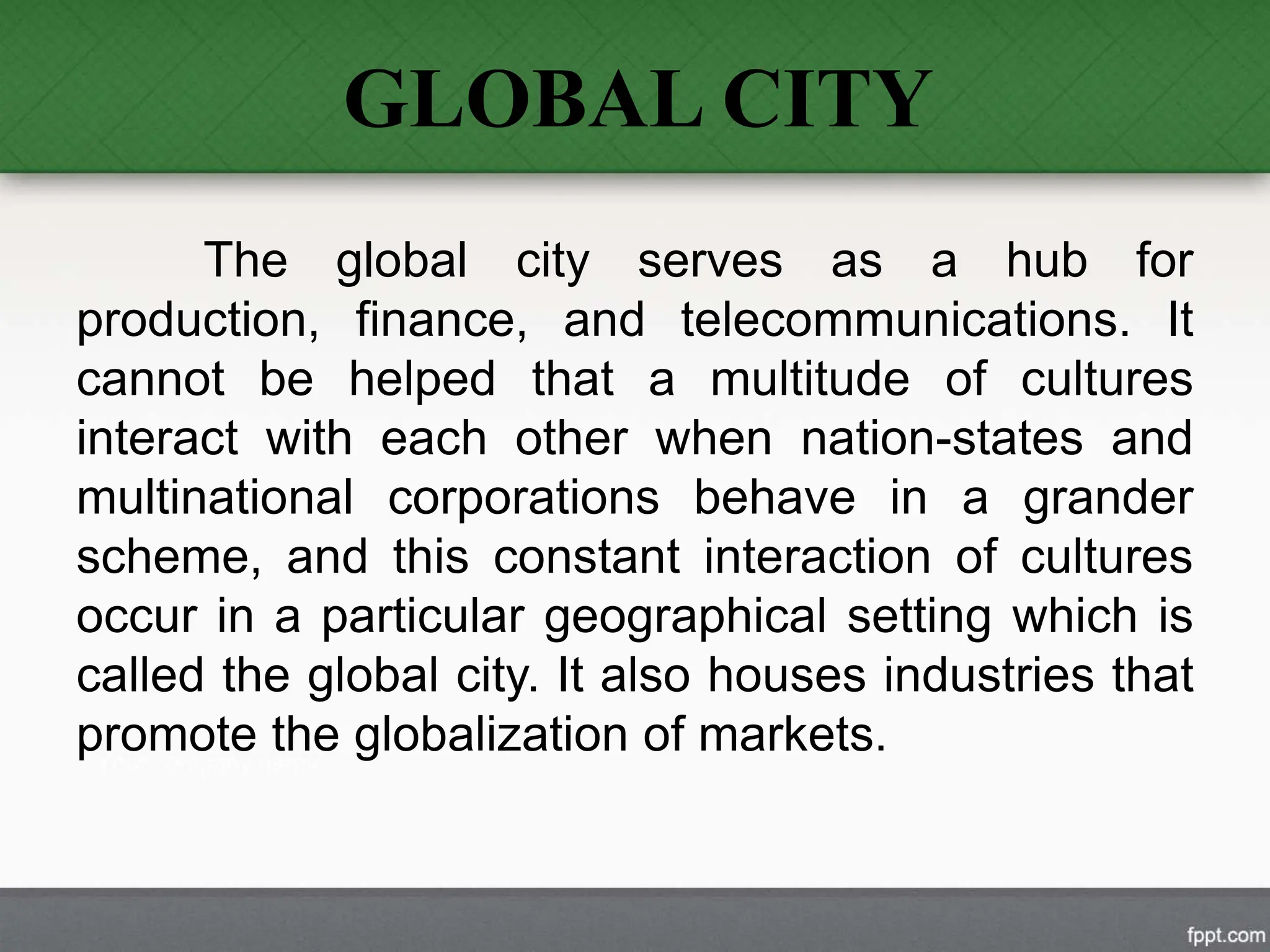
At its core, a global city is a place that has achieved a unique status through its significant economic, cultural, and political influence far beyond its national borders. From a branding perspective, this means it has successfully articulated a compelling value proposition that resonates with diverse international audiences. It’s not just a location on a map; it’s a distinct product, a service provider, and a cultural experience all rolled into one powerful brand.
Beyond Geography: A Nexus of Influence
A global city’s brand strength is measured not just by its GDP or physical infrastructure, but by its ability to act as a magnet for global capital, innovation, and talent. This magnetic pull is a direct result of a carefully constructed brand identity. Consider cities like London, New York, or Tokyo. Their names alone evoke images of financial powerhouses, cultural trendsetters, and innovation hubs. This isn’t accidental; it’s the cumulative effect of strategic branding decisions made over decades, if not centuries. These cities have positioned themselves as essential conduits for global flows of information, capital, and people, making them indispensable in the international consciousness. Their brand promises stability, opportunity, and a dynamic environment.
The Intangible Assets of a City Brand
The brand equity of a global city is built on both tangible and intangible assets. Tangible assets include world-class infrastructure, iconic architecture, leading universities, and robust financial districts. However, the true strength lies in the intangible: reputation, perception, cultural vibrancy, intellectual capital, and the quality of life it offers. These are the emotional and psychological anchors that draw people and businesses in. A strong city brand fosters trust, signals reliability, and promises a certain standard of living and opportunity. It communicates a unique personality – whether it’s the ceaseless energy of New York, the sophisticated heritage of Paris, or the innovative spirit of Singapore. These intangible qualities are meticulously cultivated through consistent messaging and genuine experiences, forming the bedrock of its global appeal.
Crafting the Urban Identity: Strategy and Storytelling
Every successful brand has a clear strategy and a compelling story, and global cities are no exception. The process of becoming and remaining a global city involves conscious decisions about identity, positioning, and narrative. It’s an ongoing process of self-definition and external communication, akin to a corporation defining its mission, vision, and values.
Strategic Pillars of Global City Branding
The branding strategy for a global city rests on several key pillars:
- Economic Specialization: Identifying and aggressively promoting core industries where the city excels (e.g., finance in Frankfurt, tech in Silicon Valley, fashion in Milan). This creates a clear value proposition for businesses and investors.
- Cultural Distinctiveness: Highlighting unique cultural attributes, historical narratives, arts scenes, and lifestyle offerings that differentiate the city. This fosters emotional connection and attracts tourism and creative talent.
- Connectivity & Accessibility: Emphasizing excellent infrastructure, transportation networks, and digital connectivity that make the city an efficient global hub. This speaks to practicality and operational ease for businesses and international residents.
- Liveability & Quality of Life: Showcasing environmental sustainability, safety, public services, green spaces, and community engagement. This is crucial for attracting and retaining skilled talent, as people seek more than just work opportunities.
- Innovation & Future Focus: Positioning the city as a center for research, development, and forward-thinking policies. This appeals to industries and individuals focused on progress and future growth.

These pillars form the foundation upon which the city’s brand identity is built, providing a consistent message to target audiences worldwide.
Narrative Development: Selling the Urban Dream
Behind every powerful brand is a compelling story. For global cities, this narrative is not merely about facts and figures; it’s about selling an urban dream. It’s the story of opportunity for entrepreneurs, inspiration for artists, education for students, and a vibrant life for residents. This narrative is woven through official marketing campaigns, tourism initiatives, investment promotions, and even through the arts and media generated within the city itself.
Consider Dubai’s narrative of rapid transformation and futuristic ambition, or Barcelona’s story of design, culture, and Mediterranean lifestyle. These narratives are carefully constructed to evoke aspiration and connection, often highlighting unique aspects of the city’s heritage, its present dynamism, and its future vision. This storytelling aims to create a deeply embedded emotional association, making the city not just a place to visit or do business, but a place to belong or aspire to.
Marketing the Metropolis: Attracting Talent and Investment
Once the urban brand identity is established, the next critical step is to market it effectively to global audiences. This involves sophisticated marketing strategies that leverage digital platforms, experiential events, and public relations to reach specific segments of the international community.
Digital Presence and Global Outreach
In the digital age, a global city’s online presence is paramount to its brand success. This includes professionally managed city websites, robust social media campaigns, and targeted digital advertising that showcases the city’s unique offerings to investors, businesses, tourists, and potential residents. Cities use captivating visuals, engaging content, and multilingual platforms to communicate their brand message effectively across borders.
Furthermore, proactive engagement with global media, participation in international forums, and hosting major events (conferences, expos, sporting events) are crucial for amplifying the city’s brand message and demonstrating its global significance. These activities provide platforms for direct interaction and foster a sense of dynamism and international relevance, directly contributing to brand visibility and reputation.
Experiential Branding: The Liveability Factor
While digital outreach creates awareness, experiential branding builds loyalty and deep engagement. Global cities actively promote their liveability through events, cultural festivals, green initiatives, and public space development. The experience of visiting, living, or working in a city is the ultimate brand test. Positive experiences translate into powerful word-of-mouth marketing and repeat engagement.
This also extends to “talent attraction” campaigns that highlight the city’s quality of life beyond work – its cultural diversity, culinary scene, educational opportunities, and recreational activities. For instance, cities frequently publish “best places to live” or “most innovative cities” rankings, often underpinned by data on safety, cost of living, and environmental quality. These are direct marketing efforts to position the city as a desirable destination for skilled professionals and their families, ensuring a continuous influx of human capital, which is vital for any global city’s brand longevity.
The Competitive Edge: Sustaining Global City Status
The status of a global city is not static; it is a continuously contested space. Cities worldwide are constantly investing in their brand to climb the ranks or maintain their coveted positions. This requires an ongoing commitment to innovation, adaptability, and a keen understanding of evolving global trends.
Innovation and Adaptability
A global city brand thrives on its ability to innovate and adapt. This means fostering environments that encourage technological advancement, supporting new industries, and implementing forward-thinking urban policies. Cities that fail to evolve risk becoming stagnant, losing their competitive edge to newer, more dynamic urban brands. The brand promise of a global city often includes an implicit assurance of progress and opportunity, which must be consistently delivered upon. This includes adapting to global challenges such as climate change, economic shifts, and social equity, and proactively positioning the city as a leader in sustainable urban development or inclusive growth.

Measuring Brand Equity and Impact
Like any major brand, global cities must continually measure their brand equity and impact. This involves tracking key performance indicators such as foreign direct investment, tourism numbers, international rankings (e.g., liveability indices, global power city index), migration patterns of skilled workers, and public perception surveys. This data provides crucial insights into the effectiveness of branding strategies and allows for necessary adjustments. Understanding what makes the city appealing, where it falls short, and how it is perceived globally enables city leaders to refine their brand message and allocate resources strategically, ensuring the city’s enduring appeal as a vibrant, influential, and attractive global brand. The ultimate goal is to cement its position as an indispensable node in the world’s complex and interconnected network.
aViewFromTheCave is a participant in the Amazon Services LLC Associates Program, an affiliate advertising program designed to provide a means for sites to earn advertising fees by advertising and linking to Amazon.com. Amazon, the Amazon logo, AmazonSupply, and the AmazonSupply logo are trademarks of Amazon.com, Inc. or its affiliates. As an Amazon Associate we earn affiliate commissions from qualifying purchases.