
In the world of personal finance and digital investing, few assets have captured the public imagination—or generated as much wealth—as Bitcoin. To understand the current trajectory of the cryptocurrency market, one must often look back at its formative years. For many seasoned investors, 2014 stands out as a pivotal era. It was a year characterized by extreme price corrections, the collapse of major infrastructure, and a fundamental test of the “store of value” thesis. If you are asking “how much was Bitcoin in 2014,” the answer isn’t just a single number; it is a story of a burgeoning asset class finding its footing amidst chaos.
The Financial Landscape of 2014: Bitcoin’s Price Trajectory
To understand the price of Bitcoin in 2014, one must first recognize the context of the year immediately preceding it. In late 2013, Bitcoin had experienced its first major “bull run,” surging from double digits to over $1,100. Consequently, 2014 opened with a sense of irrational exuberance that was quickly met with the harsh reality of market cycles.
The New Year Opening and the Mt. Gox Shadow
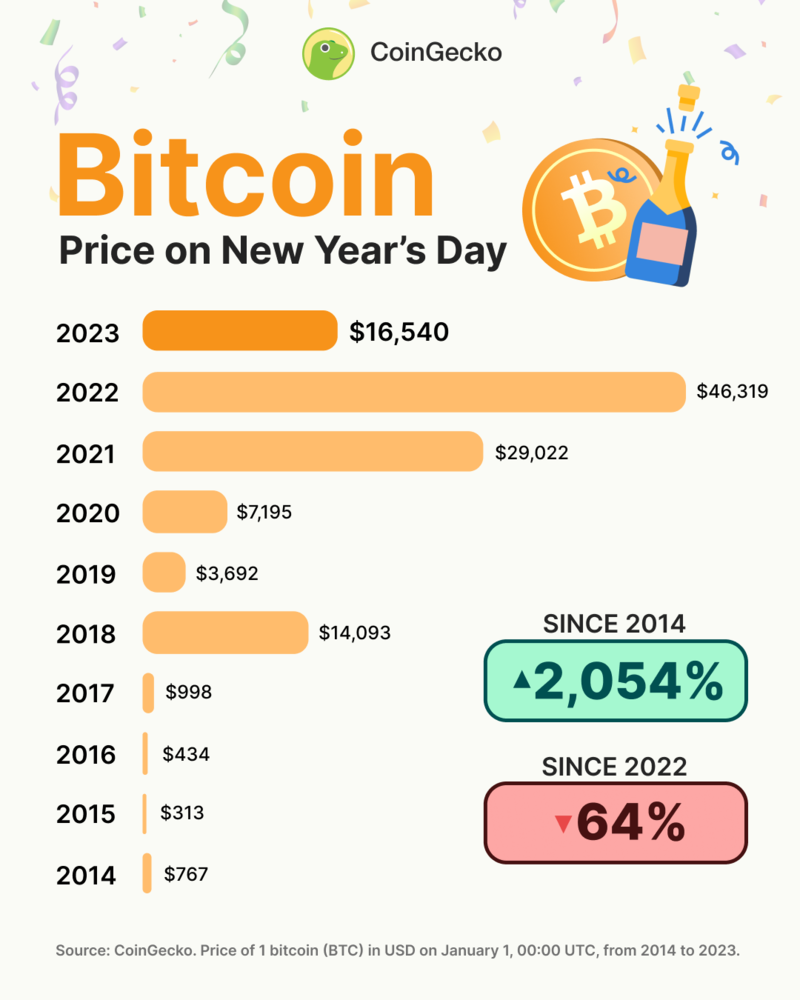
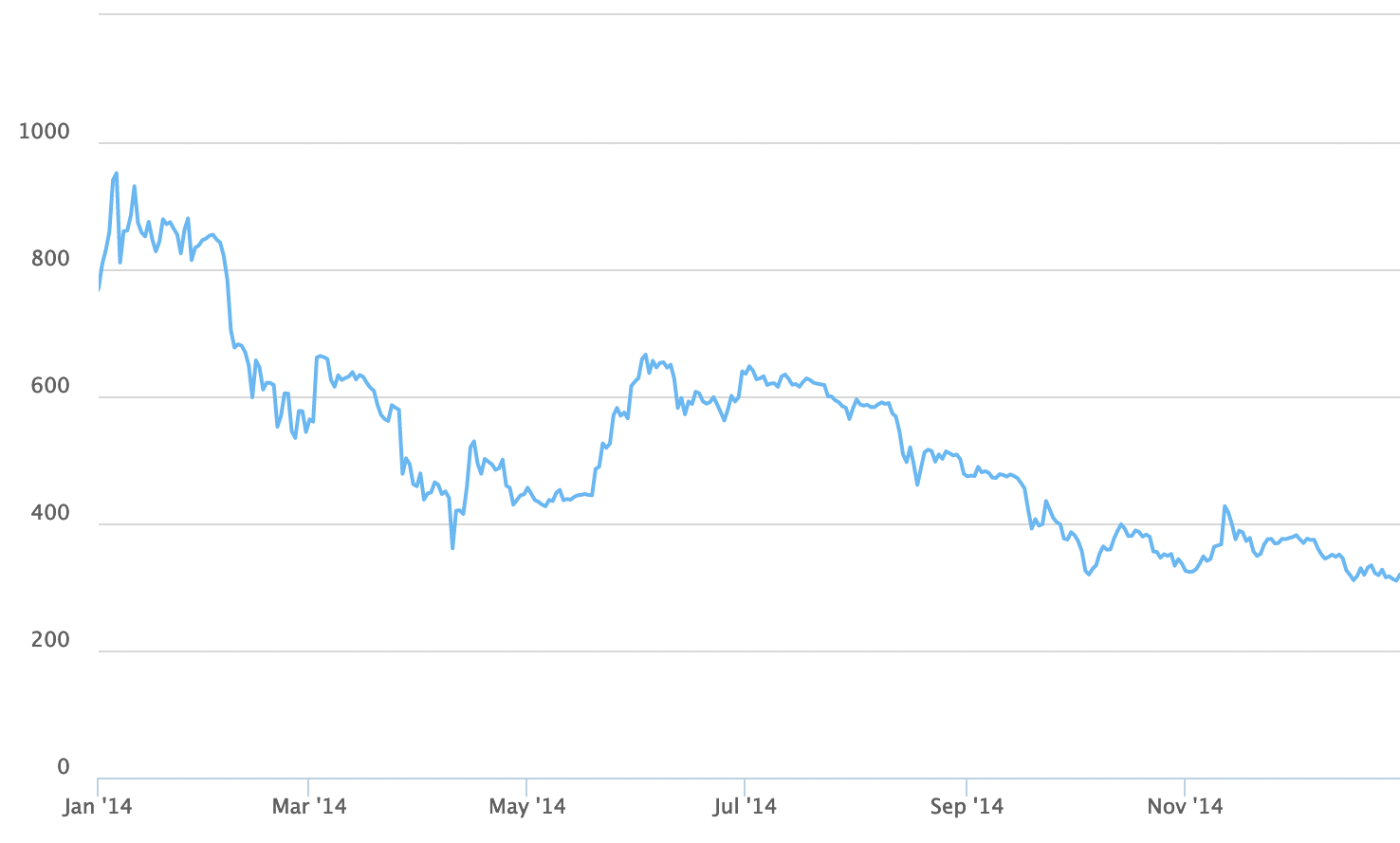
Bitcoin entered January 1, 2014, trading at approximately $770 to $820 across major exchanges. For the first few weeks of the year, the price remained relatively buoyant, fluctuating between $800 and $950. However, the financial stability of the ecosystem was precarious.
The primary driver of price action in early 2014 was the unfolding disaster at Mt. Gox, which at the time handled over 70% of all Bitcoin transactions globally. As rumors of insolvency spread, the “Gox price” began to decouple from other exchanges. By February, when the exchange suspended withdrawals and eventually filed for bankruptcy, the market price plummeted. Bitcoin dropped from the $800 range to the $500 range in a matter of weeks, marking the beginning of a long-term bearish trend.
Summer Stagnation and the Fall Decline
After the initial shock of the Mt. Gox collapse, the market saw a brief “dead cat bounce” in the summer. In June 2014, the price momentarily climbed back toward $650, fueled by news of the U.S. Marshals Service auctioning off nearly 30,000 Bitcoins seized from the Silk Road. While the auction proved there was institutional interest (notably from venture capitalist Tim Draper), it wasn’t enough to sustain a rally.
Through the third and fourth quarters of 2014, the price entered a consistent downward slide. By October, Bitcoin was trading around $350 to $400. The year ended on a somber note for investors who had bought at the peak, with Bitcoin closing December 31, 2014, at approximately $310 to $320. This represented a roughly 60% loss in value from the start of the year and an 80% drop from the 2013 all-time high.
Understanding the Market Drivers: Why the 2014 Price Correction Occurred
In financial terms, 2014 was the year the Bitcoin “bubble” popped. However, for those interested in the mechanics of online income and asset valuation, the reasons behind this decline are more nuanced than simple speculation.
The Collapse of Mt. Gox: A Lesson in Exchange Security
The single most significant financial event of 2014 was the bankruptcy of Mt. Gox. From an investment perspective, this was a systemic failure. The loss of approximately 850,000 Bitcoins (worth roughly $450 million at the time) created a massive liquidity vacuum and destroyed investor confidence.
For the modern investor, the 2014 price drop serves as a foundational lesson in “counterparty risk.” The price didn’t fall because the Bitcoin protocol failed; it fell because the centralized gatekeepers were incompetent or fraudulent. This distinction is vital for anyone managing a digital asset portfolio today, as it emphasizes the importance of self-custody and regulated exchange environments.
Regulatory Uncertainty and the Silk Road Aftermath
2014 was also a year of intense regulatory scrutiny. The fallout from the 2013 shuttering of the Silk Road—an online marketplace that used Bitcoin for illicit transactions—continued to haunt the asset’s reputation. Governments were beginning to grapple with how to tax and regulate digital currencies.
In March 2014, the IRS issued guidance stating that Bitcoin would be treated as property for tax purposes, rather than currency. While this provided a level of legitimacy, it also introduced a complex tax burden for those using Bitcoin for everyday purchases. This regulatory friction contributed to the cooling of retail interest, as the “easy money” narrative of 2013 was replaced by the “legal headache” of 2014.
Bitcoin as an Asset Class: Comparing 2014 Valuations to Modern Benchmarks
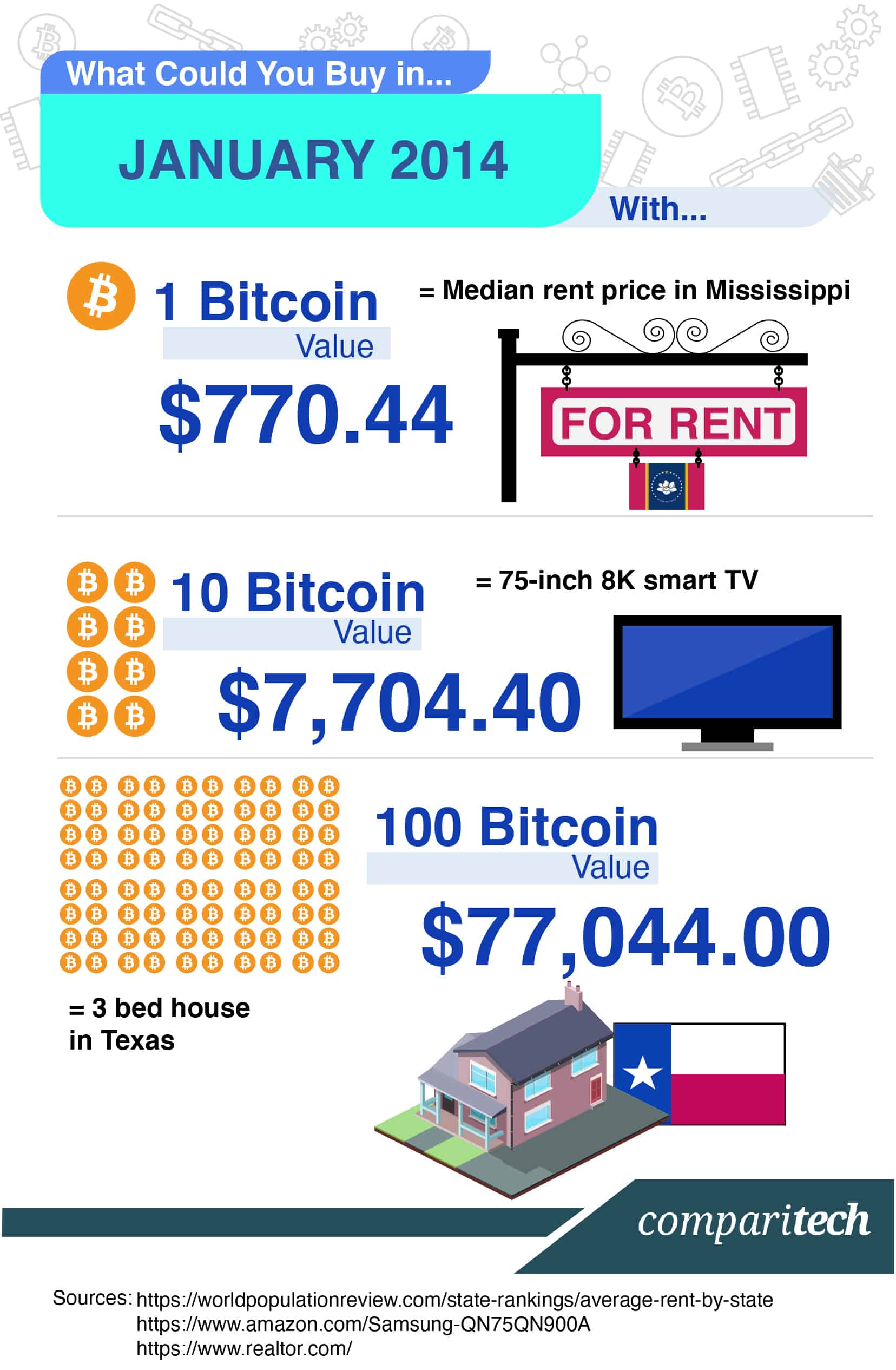
Looking back at a price of $300 through the lens of today’s market—where Bitcoin has reached heights above $70,000—it is easy to view 2014 as a missed opportunity. However, analyzing the valuation through a professional financial lens requires looking at the risk-adjusted returns and the sentiment of the time.
Institutional Sentiment vs. Retail Speculation
In 2014, Bitcoin was still largely considered a “toy” for technologists or a tool for libertarians. There was virtually zero institutional participation. There were no Bitcoin ETFs, no MicroStrategy-style corporate treasuries, and no Wall Street analysts covering the sector.
The valuation of $300 reflected a market driven almost entirely by retail speculation and early-stage venture capital. Unlike today, where Bitcoin is often compared to “Digital Gold” and used as a hedge against inflation, the 2014 narrative was centered on whether the technology would survive at all. Buying Bitcoin at $300 in 2014 wasn’t just a “cheap” investment; it was an extremely high-risk venture capital play.
The Concept of “Cheap” Bitcoin in Retrospect
From a “Money” perspective, the concept of value is relative. In 2014, many investors who bought at $800 felt that $400 was “expensive” because the trend was downward. This highlights a classic psychological trap in personal finance: the difference between price and value.
While the price was lower in 2014, the network utility was also significantly lower. There were fewer merchants accepting it, the Lightning Network didn’t exist, and the hash rate (the security of the network) was a fraction of what it is today. Therefore, the “low” price of 2014 was a reflection of the significant work that still needed to be done to prove Bitcoin’s long-term viability.
Lessons for Modern Investors: What 2014 Teaches Us About Volatility
The price action of 2014 remains one of the most important case studies for anyone looking to build wealth through volatile assets. It provides a blueprint for how to survive—and eventually thrive—during a “crypto winter.”
The Importance of Long-Term Conviction
The investors who profited most from the $300 Bitcoin of 2014 were those who looked beyond the immediate price suppression. This is the essence of “Time in the market vs. Timing the market.” If an investor had focused solely on the 60% loss in 2014, they likely would have sold at the bottom. However, those who focused on the underlying growth of the blockchain protocol were able to maintain their positions.
This teaches a vital lesson in personal finance: your investment horizon must match the asset’s volatility. If you are investing in an asset that can drop 80% in a year, you cannot have a one-year outlook.
Risk Management in the Digital Asset Space
2014 taught the world that Bitcoin is a “risk-on” asset that is highly sensitive to liquidity and macro news. For those looking to generate online income or diversify their portfolios, 2014 highlighted the need for diversification.
Investors who were “all-in” on Bitcoin in 2014 faced total financial ruin if they were holding their funds on Mt. Gox. Today, financial advisors use the 2014 cycle as a cautionary tale to encourage the use of cold storage (offline wallets) and to warn against keeping significant portions of wealth in a single, unproven asset class without a safety net.
Conclusion: The Legacy of 2014 on Today’s Financial Markets
So, how much was Bitcoin in 2014? It was a year that began at $800 and ended at $300, but its true value was found in the resilience it demonstrated. 2014 was the year that “killed” Bitcoin dozens of times according to the mainstream press, yet the network never stopped producing blocks.
For the modern student of money and finance, 2014 serves as a reminder that price is what you pay, but value is what you get. The $300 price point represented a moment of maximum pessimism—a moment that, in hindsight, offered one of the greatest wealth-creation opportunities in financial history. By studying the crashes of the past, today’s investors can develop the emotional fortitude and strategic insight necessary to navigate the volatile but potentially rewarding future of digital finance. Whether you are looking at side hustles, long-term investing, or business finance, the history of Bitcoin in 2014 remains a masterclass in market dynamics.
aViewFromTheCave is a participant in the Amazon Services LLC Associates Program, an affiliate advertising program designed to provide a means for sites to earn advertising fees by advertising and linking to Amazon.com. Amazon, the Amazon logo, AmazonSupply, and the AmazonSupply logo are trademarks of Amazon.com, Inc. or its affiliates. As an Amazon Associate we earn affiliate commissions from qualifying purchases.