
For investors, analysts, and even casual observers of the global economy, few events capture as much attention as Apple’s quarterly earnings reports. Far more than just a routine financial disclosure, these reports offer a granular look into the performance of one of the world’s largest and most influential companies, often serving as a bellwether for the broader technology sector and consumer spending trends. Understanding when these reports are released, and more importantly, what to look for within them, is fundamental for anyone engaging with the financial markets.
Apple, like all publicly traded companies in the United States, adheres to a strict quarterly reporting schedule mandated by the U.S. Securities and Exchange Commission (SEC). This means four times a year, the tech giant pulls back the curtain on its financial health, revealing everything from iPhone sales figures to the burgeoning growth of its Services division. These dates are not random; they are strategically timed and publicly announced well in advance, giving the market ample opportunity to prepare.
Typically, Apple’s fiscal quarters conclude in late December (Q1), late March (Q2), late June (Q3), and late September (Q4). The earnings reports themselves usually follow a few weeks after the close of each quarter, allowing time for financial consolidation and auditing. This often places the reports in late January or early February for Q1, late April or early May for Q2, late July or early August for Q3, and late October or early November for Q4.
While these are general timings, the precise date can shift by a few days each year due to calendar variations. The most reliable way to pinpoint the exact date for an upcoming Apple earnings report is to consult the company’s official Investor Relations website. This dedicated portal provides the definitive schedule for earnings calls, webcast links, and access to past reports and filings. Financial news outlets and reputable market data providers also widely disseminate these dates as they approach, ensuring that informed stakeholders are never caught off guard. Missing an Apple earnings report can mean missing out on crucial market-moving information, making timely awareness a key component of effective financial strategy.
Understanding the Crucial Rhythm of Apple’s Financial Disclosures
The regularity of Apple’s financial reporting isn’t just a regulatory obligation; it’s a strategic cadence that offers a periodic snapshot of the company’s operational efficiency, market penetration, and strategic trajectory. For a company of Apple’s magnitude, each earnings report is a mini-event, capable of sending ripples through various industries and global markets.
The Quarterly Reporting Cycle Explained
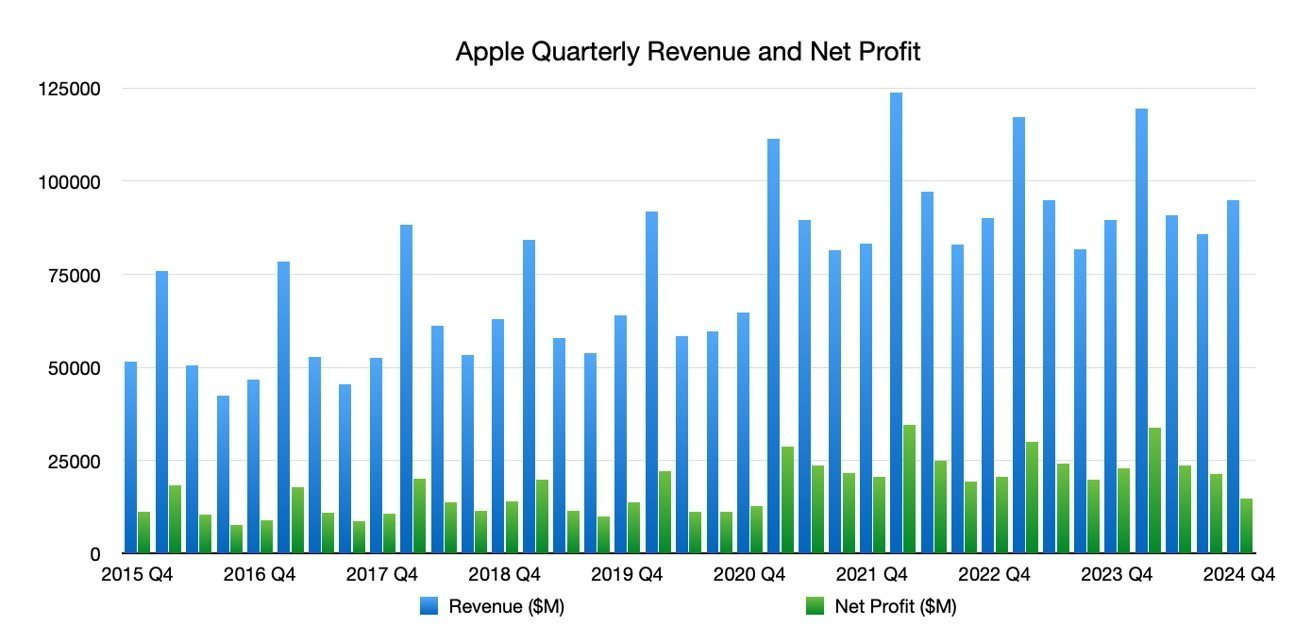
Apple’s fiscal year concludes in September, meaning its first fiscal quarter (Q1) covers the crucial holiday shopping season, ending in late December. This quarter is almost always Apple’s strongest in terms of revenue and profit due to peak consumer demand for new iPhones, Macs, and other devices. The subsequent quarters (Q2, Q3, Q4) then track the company’s performance through the rest of the year, often reflecting product launch cycles, seasonal trends, and the ongoing growth of its service offerings. Each quarter provides a fresh set of data points, allowing for sequential analysis as well as year-over-year comparisons, which are vital for gauging sustained growth or potential slowdowns. This structured disclosure helps in building a continuous narrative of the company’s financial health, enabling investors to track performance against expectations and historical trends.
Why These Dates Matter to Investors and the Market
The announcement of Apple’s earnings report date triggers a period of heightened anticipation among investors. Leading up to the report, analysts will publish their updated estimates for key financial metrics, setting the stage for what’s known as “earnings season.” The actual release of results then becomes a test: did Apple meet, beat, or miss these consensus expectations? The market’s immediate reaction, often characterized by significant stock price volatility, is a direct reflection of this comparison. A “beat” can send shares soaring, while a “miss” or disappointing guidance can lead to sharp declines. Beyond Apple’s stock price, these reports hold sway over the broader market because Apple’s performance is often seen as an indicator of global consumer health, supply chain resilience, and the overall trajectory of the technology sector. Companies that supply components to Apple or develop apps for its ecosystem also keenly watch these reports, as Apple’s success directly impacts their own prospects.
Official Channels for Timely Information
To ensure investors and the public have access to accurate and timely information, Apple maintains a robust Investor Relations section on its corporate website (investor.apple.com). This is the definitive source for all earnings-related details. Here, one can find the exact date and time of upcoming earnings calls, links to live webcasts and replays, press releases detailing the financial results, and downloadable financial statements (Form 10-K for annual reports and Form 10-Q for quarterly reports) filed with the SEC. Subscribing to email alerts from this section is the best way for serious investors to receive immediate notifications directly from the company. Relying on official sources mitigates the risk of acting on inaccurate or speculative information, which is particularly critical during volatile earnings periods.
Diving Deep into What Apple’s Earnings Reveal
An Apple earnings report is a treasure trove of data, but understanding which metrics truly matter and how to interpret them is key to extracting actionable insights. It’s not just about the headline numbers; it’s about dissecting the underlying trends and segment performances.
Key Metrics: Revenue, EPS, and Guidance
The absolute first figures investors look for are total revenue and earnings per share (EPS). Revenue indicates the total sales generated, while EPS, calculated by dividing net income by the number of outstanding shares, shows how much profit the company made per share. These are typically compared against analyst consensus estimates and year-ago figures. However, what often moves the stock even more than past performance is guidance – Apple’s forward-looking projections for revenue and gross margin in the upcoming quarter. This guidance provides insight into management’s expectations for future demand, product launches, and economic conditions, often shaping investor sentiment more profoundly than the historical results. Weak guidance, even after strong current results, can signal headwinds and lead to a sell-off.
Segment Analysis: Beyond Just the iPhone
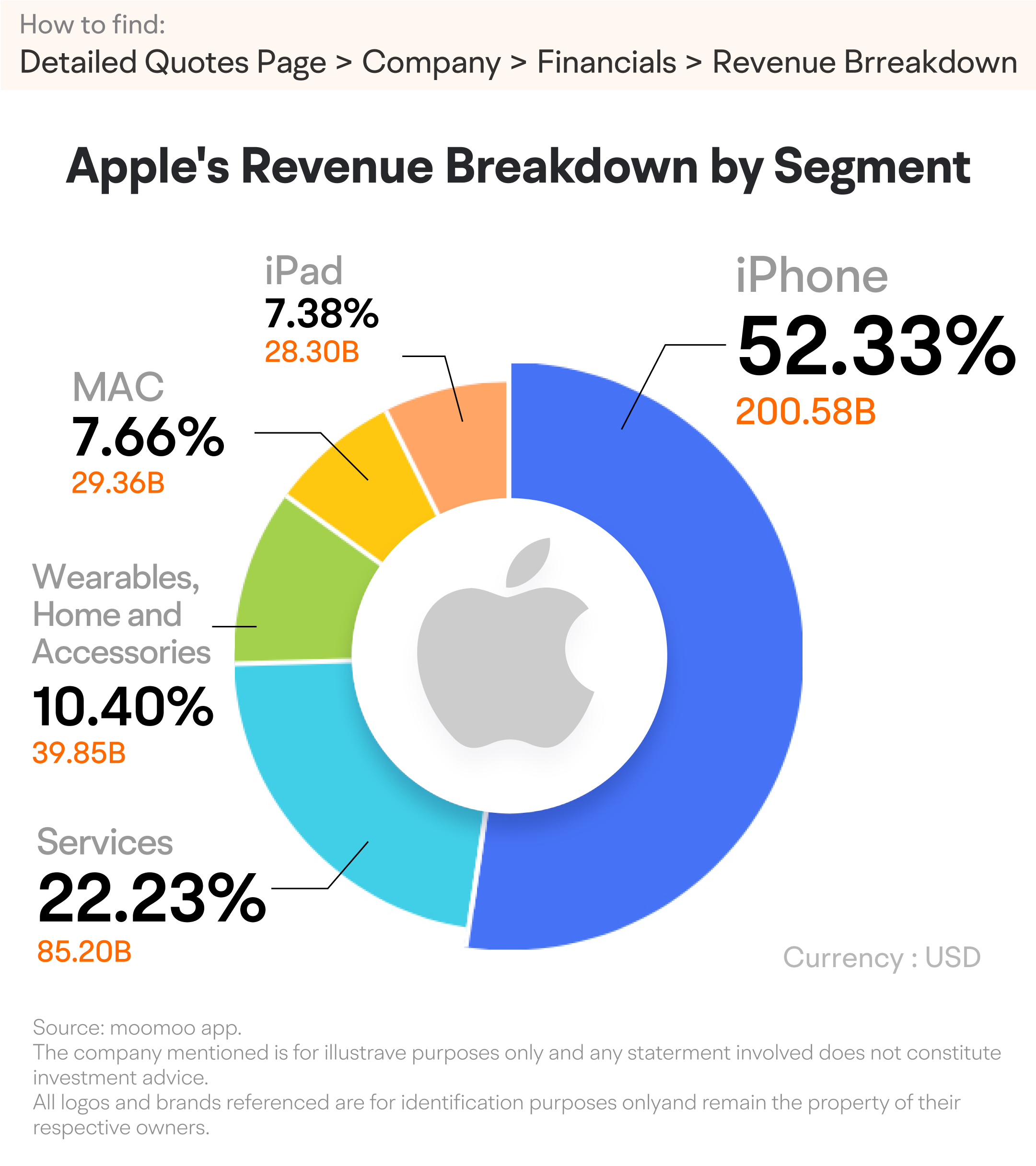
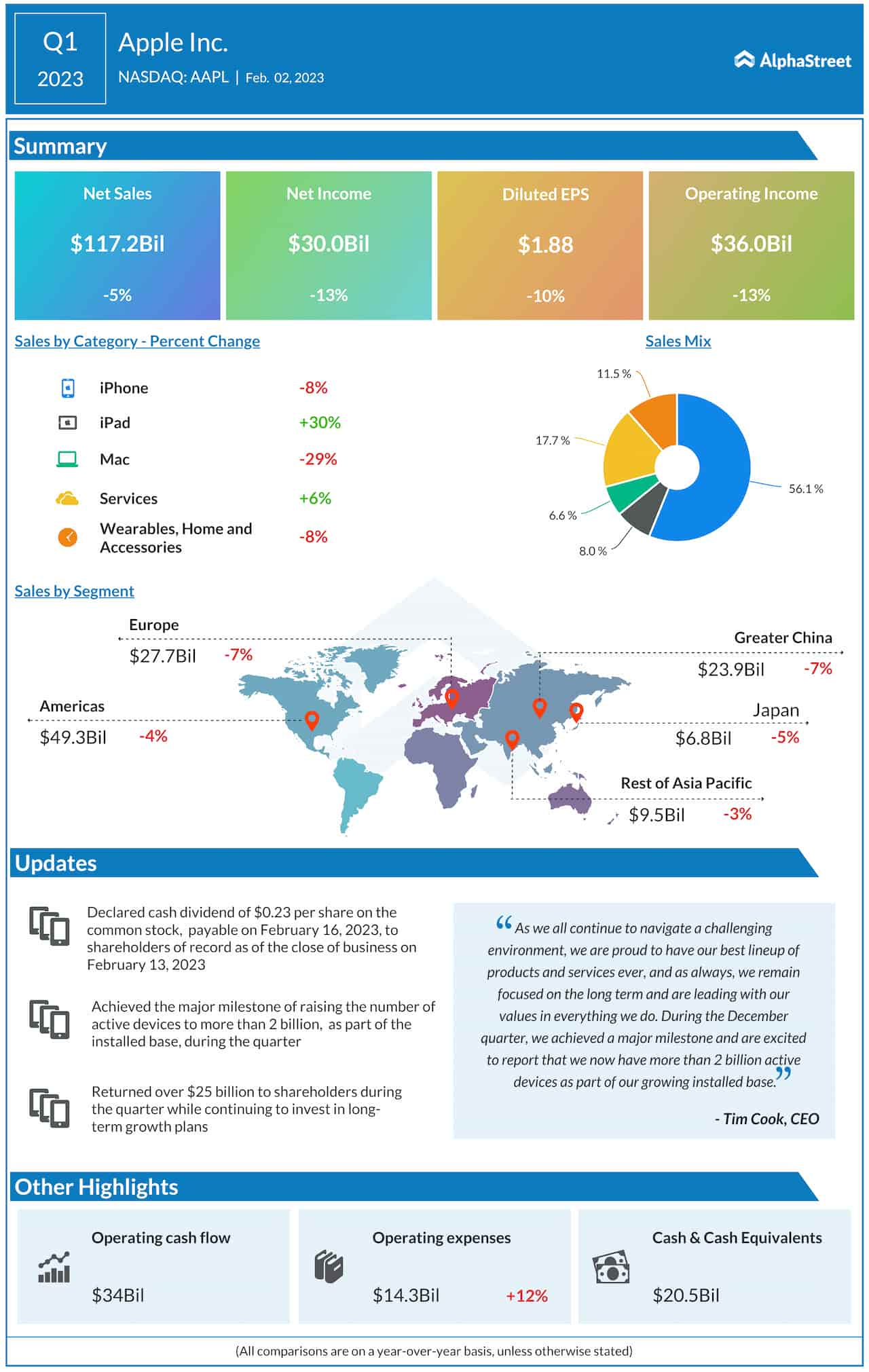
While the iPhone remains Apple’s flagship product and largest revenue contributor, a comprehensive earnings analysis requires looking beyond this single product. Apple provides a breakdown of revenue by product category:
-
iPhone: Still the core, but its growth trajectory is closely watched.
-
Mac: Performance reflects demand for personal computers, often influenced by new models and work-from-home trends.
-
iPad: Tracks tablet market dynamics and educational/professional adoption.
-
Wearables, Home and Accessories: This segment includes Apple Watch, AirPods, HomePod, and other accessories. Its rapid growth has become a significant story, diversifying Apple’s hardware portfolio.
-
Services: This is arguably the most critical growth driver for Apple’s future.
The Ascent of Services and Wearables
The Services segment, encompassing App Store sales, Apple Music, iCloud, Apple Pay, AppleCare, advertising, and more, has been a strategic focus for Apple to diversify revenue beyond hardware sales. Its higher margins and recurring revenue nature make it incredibly attractive to investors. Strong growth in Services indicates Apple’s success in monetizing its vast installed base of devices and building a stickier ecosystem. Similarly, the Wearables, Home and Accessories segment has seen explosive growth, establishing Apple as a leader in smartwatches and wireless headphones. Analyzing the growth rates and profitability of these segments provides crucial insights into Apple’s future revenue streams and its ability to innovate beyond its traditional hardware strengths.
Profitability and Cash Flow Indicators
Beyond top-line revenue, investors scrutinize Apple’s profitability. Gross margin (revenue minus cost of goods sold) indicates the efficiency of its production and pricing power. Operating expenses (R&D, sales and marketing, G&A) are also examined for cost control. Ultimately, net income (the bottom line) reveals overall profitability. Furthermore, cash flow from operations is critical. A healthy and growing operational cash flow indicates the company’s ability to generate cash from its core business activities, which can then be used for investments, dividends, or share buybacks. Apple’s massive cash reserves and consistent share repurchase programs are key aspects of its financial strength, providing a safety net and often supporting shareholder value.
The Impact and Interpretation of Earnings Results
The immediate aftermath of an Apple earnings release is often a period of intense market activity. The way these results are interpreted and the subsequent market reaction can tell a lot about investor sentiment, broader economic conditions, and Apple’s perceived future.
Market Reaction: Volatility and Investor Sentiment
The stock market’s initial response to an Apple earnings report is almost always swift and often dramatic. After-hours trading can see significant swings in Apple’s stock price as investors digest the numbers against expectations. This volatility is a direct reflection of investor sentiment – whether the results affirm or contradict their investment thesis. A positive surprise (beating revenue and EPS estimates, strong guidance) can lead to a rally, while a negative surprise (missing estimates, weak guidance) typically results in a sell-off. However, it’s crucial to distinguish between short-term market noise and long-term implications. Often, the market overreacts to quarterly fluctuations, creating opportunities for discerning investors.
The All-Important Earnings Call: Leadership Insights and Analyst Scrutiny
The earnings call, held shortly after the release of the financial report, is a critical component of the disclosure process. CEO Tim Cook and CFO Luca Maestri typically provide prepared remarks, offering color on the financial results, discussing product momentum, supply chain dynamics, geographic performance, and strategic initiatives. Following their remarks, they engage in a question-and-answer session with financial analysts from major investment banks. This Q&A segment is often the most revealing part of the call, as analysts probe management on difficult questions related to competition, margins, future product pipeline, regulatory challenges, and macroeconomic headwinds. The nuances in management’s responses, their tone, and any subtle shifts in strategy can provide invaluable context that the raw numbers alone cannot convey.
Long-Term Implications Versus Short-Term Noise
A common pitfall for investors is to overemphasize short-term quarterly results, particularly with a company like Apple which operates on a longer product cycle. A single quarter might be impacted by temporary supply chain issues, foreign exchange fluctuations, or the timing of a major product launch. While these factors are important to acknowledge, long-term investors should focus on Apple’s fundamental trajectory: the consistent growth of its Services segment, the resilience of its brand, its ability to innovate, and its vast installed user base. Does the report indicate a fundamental shift in its competitive position or a sustained deterioration of its core business, or is it merely a transient blip? Distinguishing between “noise” and genuine signals is key to making sound, long-term investment decisions.
Strategies for Investors: Navigating Apple’s Earnings Landscape
For investors, Apple’s earnings reports are not just historical documents; they are powerful tools that can inform and refine investment strategies. Leveraging this information effectively requires a thoughtful approach, combining pre-earnings preparation with post-earnings analysis.
Pre-Earnings Positioning: Research and Risk Management
Before an Apple earnings report, savvy investors engage in thorough research. This involves reviewing past reports, tracking analyst estimates, monitoring industry trends, and paying attention to news related to supply chains, consumer spending, and competitive pressures. Based on this research, investors might adjust their portfolio positioning. Some might choose to reduce their exposure to Apple stock if they anticipate disappointing results or high volatility. Others might increase their position if they believe the market is underestimating Apple’s performance. For those holding Apple options, managing these positions becomes particularly crucial, as implied volatility typically spikes before an earnings release. A key aspect of pre-earnings strategy is risk management: never betting more than you can afford to lose, especially given the unpredictable nature of immediate market reactions.
Post-Earnings Analysis: Adjusting Your Investment Thesis
Once the earnings report and call are complete, the work for investors shifts to comprehensive analysis. This isn’t just about whether Apple “beat” or “missed” estimates, but about delving into why it performed the way it did. Was it strong iPhone sales? Robust Services growth? Better-than-expected margins? Or were there underlying weaknesses that were masked by other factors? Investors should compare Apple’s results against its peers and the broader market. They should also scrutinize the guidance provided for the next quarter. Does the new information fundamentally change your long-term outlook for Apple? Does it validate or invalidate your original investment thesis? This deep dive helps in deciding whether to hold, buy more, or sell Apple shares, aligning investment decisions with the most current financial realities.
The Broader Market Context: Apple as an Economic Barometer
Finally, it’s important to remember that Apple’s earnings report is not just about Apple. Due to its sheer size and global reach, Apple often functions as a powerful barometer for the global economy. Strong iPhone sales can signal healthy consumer spending. Growth in Services can indicate a robust digital economy. Comments on supply chain issues can highlight broader manufacturing challenges. Insights into China or European markets can reveal regional economic health. Therefore, even investors who don don’t own Apple stock pay close attention to its reports, using them to glean insights into macro-economic trends that might impact other parts of their portfolio. Understanding “when is Apple earnings report” is thus a gateway to understanding not just one company, but significant aspects of the global financial landscape.
aViewFromTheCave is a participant in the Amazon Services LLC Associates Program, an affiliate advertising program designed to provide a means for sites to earn advertising fees by advertising and linking to Amazon.com. Amazon, the Amazon logo, AmazonSupply, and the AmazonSupply logo are trademarks of Amazon.com, Inc. or its affiliates. As an Amazon Associate we earn affiliate commissions from qualifying purchases.