
In an increasingly digital world, the way we handle money has undergone a profound transformation. Gone are the days when physical cash and traditional bank transfers were the sole arbitors of financial transactions. Today, a new breed of financial technology, or fintech, has emerged, revolutionizing peer-to-peer payments and beyond. At the forefront of this revolution stands Cash App, a ubiquitous name that has become synonymous with instant money transfers, digital wallets, and a suite of integrated financial services. But beyond its widespread popularity, a fundamental question often arises: what exactly is a Cash App, from a technological perspective?

At its core, Cash App is a mobile payment service developed by Block, Inc. (formerly Square, Inc.), designed to facilitate seamless peer-to-peer (P2P) money transfers through a smartphone application. Launched in 2013, it was initially conceived as a simple way to send and receive money between friends and family, effectively digitizing the act of “spotting someone cash” or splitting a bill. However, its evolution has seen it transcend this basic utility, blossoming into a multi-faceted financial platform that integrates a broad spectrum of services, all underpinned by sophisticated technological infrastructure. Understanding Cash App means delving into its architectural design, its user interface (UI) and user experience (UX) principles, its security protocols, and the innovative features that position it not just as an app, but as a comprehensive digital financial ecosystem.
The Technological Architecture of a Peer-to-Peer Payment System
The seemingly instantaneous nature of Cash App transactions belies a complex technological architecture designed for speed, security, and scalability. At its foundation, Cash App operates on a client-server model, where the user’s mobile application (the client) communicates with Cash App’s secure servers to process requests. This architecture is crucial for handling millions of transactions daily while maintaining data integrity and system availability.
Client-Side Innovation: The Mobile Application
The user-facing component of Cash App is its intuitive mobile application, available on both iOS and Android platforms. The design prioritizes ease of use, with a minimalist interface that guides users through various functionalities. Technologically, the app is built to be lightweight yet robust, optimized for performance across a wide range of mobile devices and network conditions. Key considerations in its development include:
-
Real-time Processing: The app is engineered to provide real-time feedback on transactions, account balances, and notifications, necessitating efficient data retrieval and synchronization with backend systems.
-
Cross-Platform Compatibility: Developing for both major mobile operating systems requires careful consideration of platform-specific guidelines and native functionalities, often employing frameworks that allow for a consistent experience while leveraging device capabilities.
-
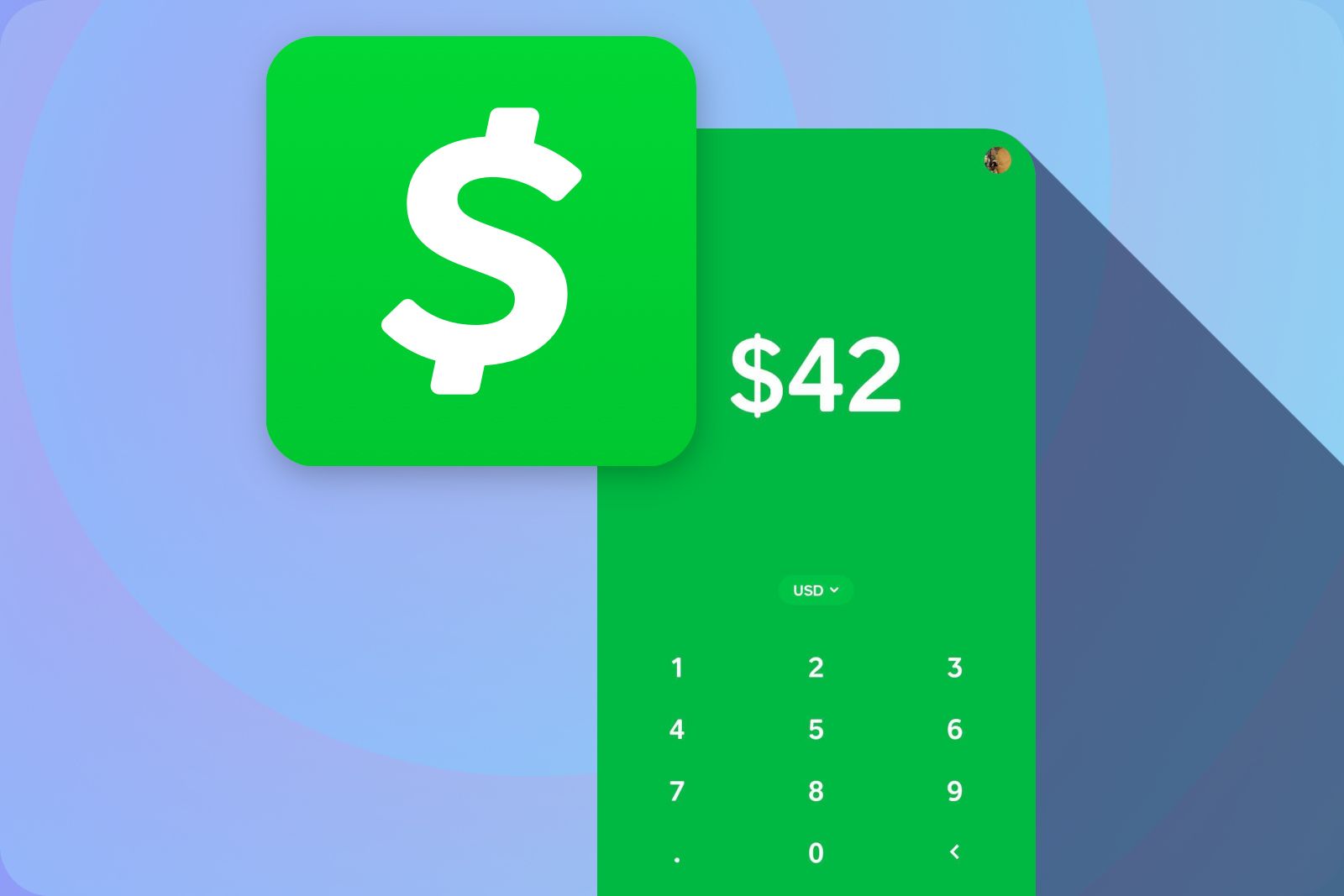
User Interface/User Experience (UI/UX) Design: The success of Cash App is largely attributed to its simplified UI, which reduces friction in financial transactions. From entering a payment amount to scanning a QR code, the user journey is streamlined, relying on clear visual cues and minimal steps. This thoughtful design is a direct output of extensive UX research and iterative development cycles.
Server-Side Prowess: Backend Infrastructure
Behind the simple interface lies a powerful backend infrastructure responsible for processing, securing, and managing all transactions and user data. This includes:
-
Distributed Databases: To handle the vast amount of user data and transaction records, Cash App likely employs distributed database systems that ensure high availability, fault tolerance, and rapid data access. These databases must comply with stringent financial regulations regarding data storage and privacy.
-
Microservices Architecture: Modern, scalable applications like Cash App often leverage a microservices architecture. This breaks down the application into smaller, independent services (e.g., payment processing, user authentication, fraud detection, account management) that can be developed, deployed, and scaled independently. This modularity enhances agility, resilience, and allows for rapid feature deployment.
-
API Integrations: Cash App extensively uses Application Programming Interfaces (APIs) to connect its various services and to integrate with external partners, such as banks for direct deposits/withdrawals, credit card networks for linking cards, and possibly third-party identity verification services. Secure API gateways are critical for managing these interactions.
Core Technological Functionalities and Features
What truly defines Cash App from a technological standpoint are the sophisticated features it offers, extending far beyond basic P2P transfers. These functionalities showcase innovative applications of technology to everyday financial needs.
Instant Peer-to-Peer Transfers
The bedrock of Cash App’s service is its instant P2P transfer capability. This involves:
-
Digital Wallets and $Cashtags: Each user is assigned a unique identifier, often a “$Cashtag,” which simplifies sending and receiving money without needing traditional bank account details. This acts as a public alias for a user’s digital wallet within the Cash App ecosystem.
-
Fund Flow Mechanisms: When a user sends money, the app debits the sender’s linked bank account, debit card, or existing Cash App balance and credits the recipient’s Cash App balance. This process involves intricate communication with payment processors and banking networks, often utilizing real-time payment rails where available, or fast ACH (Automated Clearing House) transfers.
-
Transaction Monitoring: Sophisticated algorithms continuously monitor transactions for unusual patterns, ensuring the integrity and security of the fund transfer process.
The Cash Card: Bridging Digital and Physical Spending
The Cash Card is a free, customizable debit card linked directly to a user’s Cash App balance. Technologically, it represents a crucial bridge between the digital funds held within the app and the traditional payment infrastructure.
-
Integration with Card Networks: The Cash Card operates on major card networks (e.g., Visa), allowing it to be used wherever these cards are accepted. This requires robust integration with these networks, facilitating authorization, clearing, and settlement processes for every transaction.
-
Tap-to-Pay and EMV Technology: Modern Cash Cards incorporate EMV chip technology and support contactless (NFC) payments, ensuring secure transactions at physical point-of-sale terminals. This involves cryptographic processing on the card itself and secure communication protocols with payment terminals.
-
“Boosts” Feature: The “Boosts” feature offers instant discounts at specific merchants when using the Cash Card. This technologically involves real-time location services (if enabled), merchant identification, and automated application of discounts at the point of sale, all managed through the app’s backend and card processing logic.
Diversification into Investment & Financial Services
Cash App’s evolution has seen it integrate complex financial services, transforming it into a more comprehensive financial tool.
-
Stock Investing: Users can buy and sell fractional shares of stocks directly within the app. This requires intricate integration with brokerage platforms and market data providers, enabling real-time stock quotes, order execution, and portfolio management. The backend must handle regulatory compliance, trade settlements, and user portfolio tracking.
-
Bitcoin Trading: Cash App was one of the first mainstream apps to allow users to buy, sell, and withdraw Bitcoin. This feature necessitates:
-
Cryptocurrency Exchange Integration: Connecting to a cryptocurrency exchange to facilitate buy/sell orders.
-
Secure Wallet Management: While Cash App provides a custodial wallet (meaning they manage the private keys), the underlying technology ensures secure storage and transaction signing for Bitcoin movements.
-
Blockchain Interaction: The system must interact with the Bitcoin blockchain to process withdrawals and deposits, requiring robust node infrastructure and understanding of blockchain protocols.
-
-
Direct Deposit and Banking Features: Offering direct deposit functionality effectively turns Cash App into a primary banking alternative for many users. This requires:
-
Routing and Account Numbers: Providing users with unique routing and account numbers to receive direct deposits from employers or government benefits.
-
Automated Clearing House (ACH) Integration: Deep integration with the ACH network to process these deposits and withdrawals securely and efficiently.
-
FDIC Insurance: While Cash App itself is not a bank, it typically partners with FDIC-insured banks to provide insurance for customer funds, involving complex legal and technical arrangements.
-
Security and Trust: The Underpinning Technology
For any financial application, security is paramount. Cash App employs a multi-layered security architecture to protect user data and funds from unauthorized access and fraud.
Encryption and Data Protection
-
End-to-End Encryption: While not always true end-to-end for every transaction path, Cash App uses robust encryption protocols (e.g., TLS/SSL) to secure data in transit between the user’s device and its servers.
-
Data at Rest Encryption: All sensitive user data, including financial information, is encrypted when stored on Cash App’s servers, preventing unauthorized access even in the event of a data breach.
-
PCI DSS Compliance: As a payment processor handling card data, Cash App must adhere to strict Payment Card Industry Data Security Standard (PCI DSS) compliance requirements, which dictate rigorous security controls for protecting cardholder information.
Authentication and Fraud Prevention Mechanisms
-
Multi-Factor Authentication (MFA): Users can secure their accounts with MFA, typically involving a password or PIN combined with a one-time code sent to a registered phone number or email, adding an extra layer of protection against unauthorized logins.
-
Biometric Security: The app leverages device-specific biometric security features like fingerprint scanning or facial recognition for quick and secure access, further enhancing convenience without compromising security.
-
Machine Learning for Fraud Detection: Cash App employs advanced machine learning algorithms to analyze transaction patterns, identify suspicious activities, and flag potential fraudulent transactions in real-time. These systems continuously learn and adapt to new fraud vectors.
-
Account Monitoring and Alerts: Automated systems monitor user accounts for unusual activity and send real-time alerts to users, allowing them to quickly identify and report unauthorized transactions.
The Future of Cash App and Fintech Evolution
The rapid evolution of Cash App is a testament to the dynamic nature of financial technology. Its journey from a simple P2P app to a comprehensive financial platform highlights several key trends and future directions in the fintech space.
Towards a “Super App” Model
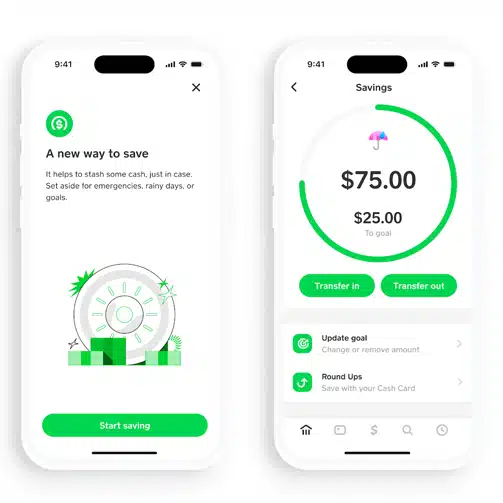
Cash App’s expansion into investments, banking-like features, and even tax services hints at a trajectory towards becoming a “super app”—a single application that consolidates multiple services, reducing the need for users to switch between different platforms. This vision requires:
-
Seamless Integration: Technologically, integrating disparate services while maintaining a cohesive and intuitive user experience is a significant challenge, requiring robust APIs and a unified backend.
-
Scalable Infrastructure: As more services are added and user bases grow, the underlying infrastructure must be capable of scaling exponentially without compromising performance or reliability.
-
Advanced Personalization: Leveraging data analytics and AI to offer personalized financial advice, tailored product recommendations, and proactive financial management tools.
Embracing Emerging Technologies
The future of Cash App will undoubtedly involve the adoption of new and emerging technologies:
-
Further Blockchain Integration: Beyond Bitcoin, Cash App could explore integrating other cryptocurrencies, stablecoins, or even decentralized finance (DeFi) protocols, requiring deeper understanding and integration with blockchain networks.
-
Enhanced AI and Machine Learning: Continued investment in AI for predictive analytics, personalized financial insights, hyper-targeted “Boosts,” and even more sophisticated fraud detection.
-
Open Banking and API Economy: As open banking initiatives gain traction globally, Cash App could further leverage APIs to connect with a broader ecosystem of financial services, offering users more control and flexibility over their financial data.
-
Quantum-Resistant Cryptography: Looking further ahead, as quantum computing advances, adopting quantum-resistant cryptographic methods will be crucial to protect financial data from future threats.
In conclusion, “what’s a Cash App?” is far more than a question about a simple mobile application. It’s an inquiry into a sophisticated piece of financial technology that has redefined how millions manage and transact their money. From its meticulously designed user interface and robust backend architecture to its multi-layered security protocols and innovative integration of diverse financial services, Cash App stands as a prime example of how technology continues to democratize and streamline access to financial tools, pushing the boundaries of what a mobile app can achieve in the digital economy.
aViewFromTheCave is a participant in the Amazon Services LLC Associates Program, an affiliate advertising program designed to provide a means for sites to earn advertising fees by advertising and linking to Amazon.com. Amazon, the Amazon logo, AmazonSupply, and the AmazonSupply logo are trademarks of Amazon.com, Inc. or its affiliates. As an Amazon Associate we earn affiliate commissions from qualifying purchases.