
The question “When does the stock market open in California?” is a common one, reflecting a fundamental misunderstanding that often arises due to the vast geographical and time zone differences across the United States. While California operates on Pacific Time (PT), the major U.S. stock exchanges – the New York Stock Exchange (NYSE) and Nasdaq – are located in New York City and operate on Eastern Time (ET). This crucial distinction means that the stock market does not open at a different time specifically for California; rather, California residents simply experience the national market hours through the lens of their local time zone.
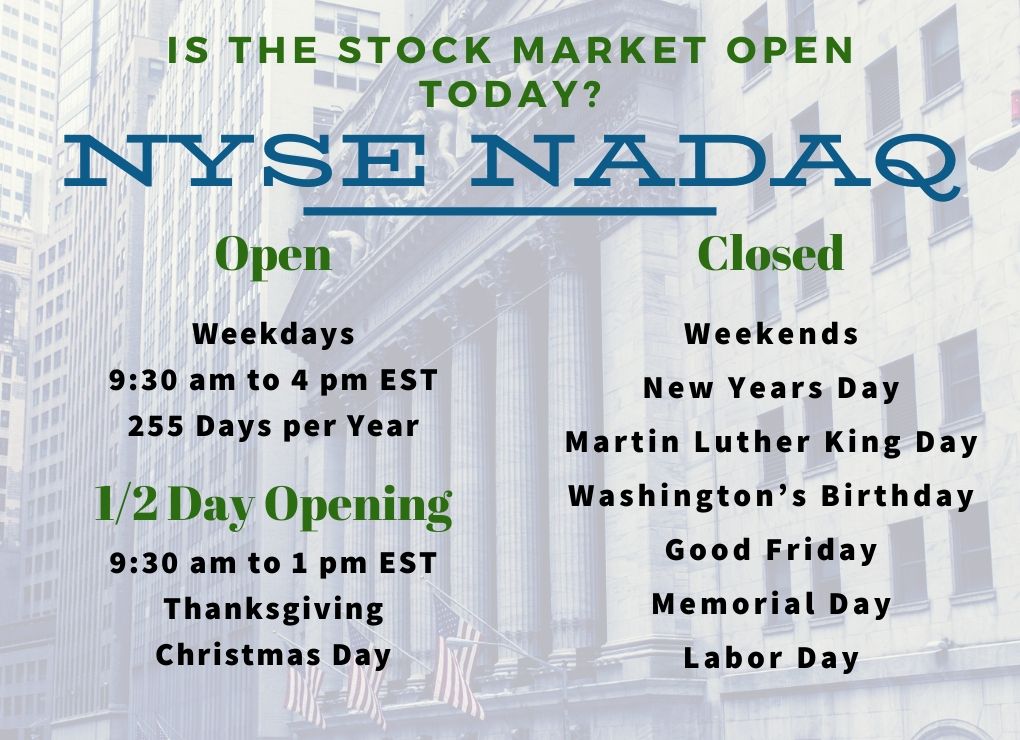
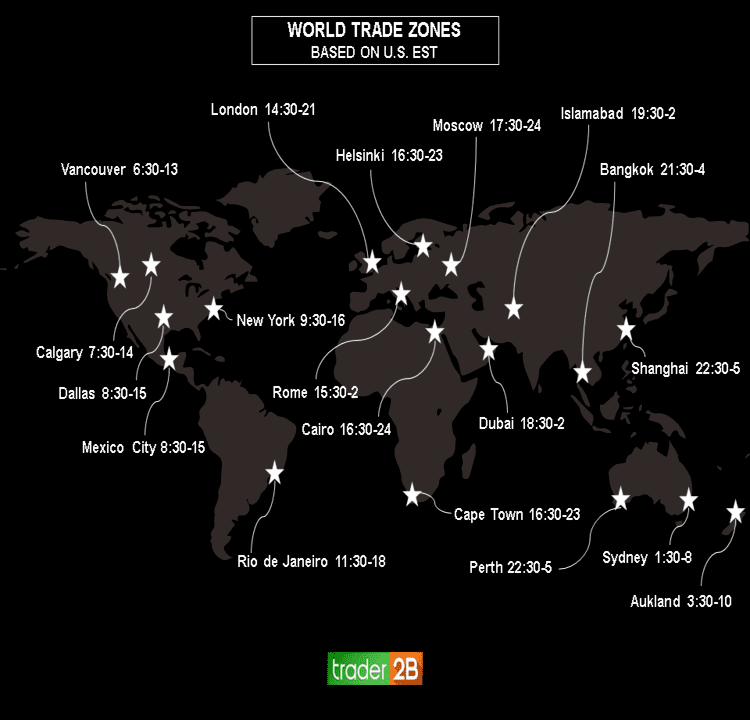
For anyone in California looking to engage with the U.S. stock market, understanding this time zone conversion is paramount. The core trading hours for both the NYSE and Nasdaq are from 9:30 AM to 4:00 PM Eastern Time. Translating this to Pacific Time means the market opens at 6:30 AM PT and closes at 1:00 PM PT. This early start can significantly impact the daily routines and strategies of California-based investors, requiring an adaptation to an East Coast-centric financial world.
This article delves into the intricacies of U.S. stock market hours, dissecting standard trading times, pre-market and after-hours sessions, and the rationale behind these universal schedules. We will explore the practical implications for California investors, offering insights into how to effectively navigate the time difference and leverage modern financial tools to stay connected and competitive. Ultimately, understanding when the market operates is just the first step; understanding how to operate within those hours from a different time zone is where true financial acumen lies.
Understanding Stock Market Operating Hours
To properly grasp how market hours affect California residents, it’s essential to first establish a clear understanding of the standard operating hours for the U.S. stock market, as well as the extended trading periods that offer additional opportunities and challenges.
Core Trading Hours (NYSE and Nasdaq)
The backbone of U.S. stock market activity revolves around the core trading hours of the New York Stock Exchange (NYSE) and the Nasdaq Stock Market. Both exchanges adhere to the same schedule:
- Opening Bell: 9:30 AM Eastern Time (ET)
- Closing Bell: 4:00 PM Eastern Time (ET)
For investors residing in California, this translates directly to:
- Opening Bell (California): 6:30 AM Pacific Time (PT)
- Closing Bell (California): 1:00 PM Pacific Time (PT)
This means that for active traders in California, their trading day begins bright and early, often coinciding with the start of a typical work day for many. The market then closes in the early afternoon, leaving the rest of the day for research, planning, or other activities. These core hours are when the vast majority of trading volume occurs, characterized by high liquidity and tight bid-ask spreads.
Pre-Market and After-Hours Trading
Beyond the core trading session, the stock market also offers extended hours trading, divided into pre-market and after-hours sessions. These periods allow investors to react to news and events that occur outside of the standard 6.5-hour trading window.
- Pre-Market Trading: This session typically runs from 4:00 AM ET to 9:30 AM ET. For California, this means 1:00 AM PT to 6:30 AM PT. During pre-market, institutional investors and sophisticated traders often place orders based on overnight news, earnings reports released before the market opens, or global market movements. While it offers an early start, liquidity is generally lower, and volatility can be higher.
- After-Hours Trading: This session usually begins immediately after the closing bell at 4:00 PM ET and can run until 8:00 PM ET. In California, this corresponds to 1:00 PM PT to 5:00 PM PT. Similar to pre-market, after-hours trading is often driven by corporate announcements, such as quarterly earnings calls, which are frequently scheduled after the market closes. Lower liquidity and wider spreads are also common characteristics of after-hours trading.
Access to pre-market and after-hours trading typically depends on the brokerage firm and the type of account an investor holds. It’s a tool for advanced strategies and requires a keen awareness of the associated risks.
Weekend and Holiday Closures
The U.S. stock market observes several holidays throughout the year, on which it remains closed. These closures are consistent across all time zones and apply to all U.S. stock exchanges. Key holidays include:
- New Year’s Day
- Martin Luther King, Jr. Day
- Washington’s Birthday (Presidents’ Day)
- Good Friday
- Memorial Day
- Juneteenth National Independence Day
- Independence Day
- Labor Day
- Thanksgiving Day
- Christmas Day
Additionally, the stock market is always closed on Saturdays and Sundays. This provides a crucial respite for markets and investors alike, allowing time for reflection and preparation for the week ahead. California investors need to be aware of these national holidays, as they pause all trading activity, regardless of local time.
Navigating Market Hours from California: Practical Implications
For California residents, the three-hour time difference from the financial hub in New York isn’t merely a trivial detail; it profoundly impacts how they interact with the stock market, from daily routines to strategic decisions.
Time Zone Conversion for West Coast Investors
The direct conversion of 9:30 AM ET to 6:30 AM PT for market opening means that California investors face an early start if they wish to be present for the opening bell. Similarly, the market closes at 1:00 PM PT, a time when many individuals are still in the middle of their work or daily activities. This early closure means that significant market movements and news often unfold after the West Coast trading day has concluded, potentially requiring investors to catch up on developments the following morning.
The time difference can lead to a sense of disconnect if not managed properly. For instance, major economic reports are typically released at 8:30 AM ET, meaning California investors need to be aware of these releases at 5:30 AM PT, well before the market even opens for them. Being prepared for these early morning data dumps is critical for informed decision-making once trading begins.
Strategies for California-Based Traders
California-based traders can adopt several strategies to effectively manage the time difference:
- Embrace the Early Morning: Active day traders may need to adjust their schedules to be at their trading desk by 6:00 AM PT or even earlier to process pre-market information and be ready for the market open. This often involves an earlier bedtime and a disciplined morning routine.
- Leverage Technology for Alerts: Utilize brokerage platform alerts, financial news apps, and email subscriptions to receive real-time updates on price movements, news events, and market sentiment. This allows investors to stay informed without being glued to their screens for the entire trading day.
- Focus on Swing or Long-Term Investing: For those who cannot commit to an early morning start, focusing on swing trading (holding positions for days or weeks) or long-term investing (holding for months or years) can reduce the pressure of needing to react immediately to intraday fluctuations. These strategies allow for more flexibility in when research and trades are executed.
- Strategic Use of Extended Hours: For those who cannot trade during core hours, judicious use of pre-market or after-hours sessions might be an option, but with an acute awareness of the lower liquidity and higher volatility. Placing limit orders during these times can help manage risk.
- Set Contingency Plans: Have stop-loss and take-profit orders in place, especially for active positions. This allows for automated execution of trades even when the investor is not actively monitoring the market, protecting against significant adverse movements.
Impact on Work-Life Balance and Investing Style
The early market hours can significantly impact the work-life balance of active traders in California. Starting the day at 6:00 AM PT or earlier requires discipline and can feel demanding, especially if one also has a traditional job or family commitments. This often leads California traders to develop very specific routines tailored to market hours.
For passive investors, the impact is less direct but still relevant. They might not need to wake up at 6:00 AM, but understanding when news breaks or when their financial advisor is most active can still influence their interaction with their portfolio. The early afternoon market close also means that news and corporate earnings released after 1:00 PM PT will typically influence the next day’s trading, requiring investors to process this information overnight. Ultimately, the time difference can subtly shape an investor’s overall approach, favoring strategies that accommodate or even capitalize on the unique West Coast schedule.
The Modern Investor’s Edge: Technology and Accessibility
In the 21st century, technology has dramatically leveled the playing field for investors, regardless of their geographical location. For California residents, the advancements in digital finance have made navigating the East Coast-centric market hours significantly more manageable and efficient.
Online Brokerages and Mobile Trading
The advent of online brokerage platforms and mobile trading applications has revolutionized access to the stock market. These tools provide California investors with unprecedented flexibility:
- Real-Time Data and Analytics: Modern platforms offer real-time stock quotes, charting tools, and in-depth analytical capabilities, allowing investors to perform research and monitor their portfolios at any time of day, even outside of market hours.
- Seamless Order Placement: Investors can place buy and sell orders directly from their computers or smartphones, eliminating the need for physical presence or phone calls. Limit orders, stop-loss orders, and other advanced order types can be set to execute automatically when specific price conditions are met, providing control even when the investor is not actively watching the market.
- Portfolio Management at Your Fingertips: From checking account balances to reviewing trade histories and managing dividend reinvestment, all aspects of portfolio management are accessible 24/7. This allows California investors to review their holdings and make adjustments during their afternoon or evening, preparing for the next trading day.
Mobile trading apps, in particular, offer the ultimate convenience, allowing investors to stay connected to the market while on the go, whether they are commuting, exercising, or managing other aspects of their lives.
Information Flow and News Cycles
Staying informed is critical for any investor, and for those in California, managing the news cycle effectively is key. While financial news traditionally broke during East Coast business hours, the digital age has made information instantaneous and global:
- Global News Impact: Economic and geopolitical events from Asia and Europe can impact U.S. markets even before the NYSE opens. California investors, due to their time zone, might be able to react to this global news closer to its release time than their East Coast counterparts, potentially allowing for earlier strategic planning.
- Specialized Financial News Outlets: Access to financial news services like Bloomberg, Reuters, The Wall Street Journal, and CNBC (which often begins its market coverage early ET) through various digital channels ensures that California investors can get real-time updates. Many of these services provide pre-market summaries and post-market analyses that cater to a global audience.
- Social Media and Forums: While requiring careful discernment, financial communities on social media platforms and dedicated forums can provide a rapid pulse on market sentiment and breaking news, often even before traditional outlets report on them.
The challenge for California investors is not a lack of information, but rather managing the volume of information and discerning what is relevant and actionable, especially when a significant portion of the news cycle occurs outside their core trading hours.
The Rise of Robo-Advisors and Automated Investing
For investors who prefer a more hands-off approach or simply cannot align their schedules with the market’s early opening in California, robo-advisors and automated investing platforms offer an excellent solution:
- Automated Portfolio Management: Robo-advisors use algorithms to manage diversified portfolios based on an investor’s risk tolerance and financial goals. They automatically rebalance portfolios, invest new contributions, and even handle tax-loss harvesting without requiring real-time market monitoring.
- Time Zone Agnostic: These services operate continuously, executing trades and managing investments based on pre-set parameters, irrespective of the investor’s local time. This eliminates the need for California residents to adjust their schedules to specific market openings or closures.
- Accessible and Cost-Effective: Robo-advisors are typically more affordable than traditional human financial advisors, making professional investment management accessible to a broader range of investors, including those with smaller portfolios.
For California investors, particularly those focusing on long-term wealth building rather than active trading, robo-advisors provide a seamless way to participate in the market without the daily logistical challenges posed by the time difference. They represent a significant technological advantage that democratizes investing and allows individuals to optimize their financial strategies regardless of their time zone.
Beyond Trading: A Holistic View for California Investors
Understanding when the stock market opens is undoubtedly crucial, but it’s merely one piece of a much larger financial puzzle for California investors. A truly holistic approach encompasses broader economic factors, local considerations, and long-term financial planning.
Economic Indicators and Local Impact
While the stock market operates on Eastern Time, national economic indicators play a significant role in its movements, and these often have an early release schedule. Reports like GDP figures, inflation rates, employment data, and consumer confidence indices are frequently published at 8:30 AM ET (5:30 AM PT). California investors must be attuned to these early releases, as they can set the tone for the entire trading day.
Moreover, California’s massive and diverse economy itself, with its dominance in tech, agriculture, entertainment, and international trade, creates unique investment opportunities and regional economic nuances. While the NYSE and Nasdaq reflect national and global trends, specific California-based companies or sectors can be influenced by local policies, innovation, and demographic shifts. A savvy California investor will not only track national economic health but also keep an eye on developments within their home state that could impact specific industries or their personal financial outlook.
Tax Implications and State Regulations
Investing isn’t just about making money; it’s also about understanding the net gain after taxes. California has a progressive state income tax structure, and capital gains (profits from selling investments) are generally treated as ordinary income for state tax purposes. This can have a significant impact on an investor’s take-home profits, especially for those in higher income brackets.
Unlike federal capital gains taxes, which have different rates for short-term (held for one year or less) and long-term (held for more than one year) gains, California generally taxes both at the same rate as regular income. This makes careful tax planning, including strategies like tax-loss harvesting and utilizing tax-advantaged accounts (like 401(k)s, IRAs, and Roth IRAs), particularly important for California investors to optimize their after-tax returns. While market hours dictate when transactions can occur, state tax laws determine the ultimate financial outcome, making them an indispensable part of a comprehensive investment strategy.

Financial Planning and Long-Term Goals
Ultimately, the goal of understanding stock market hours and navigating time zone differences is to facilitate better investment decisions that align with an individual’s broader financial planning and long-term goals. For California residents, whether they are saving for a home in a competitive market, planning for retirement, funding education, or building generational wealth, informed investing is key.
Financial planning goes beyond daily trading; it involves setting clear objectives, assessing risk tolerance, creating a diversified portfolio, and regularly reviewing progress. While an active trader might focus on daily market movements, a long-term investor in California might prioritize dollar-cost averaging into index funds or ETFs, utilizing automated investing services that negate the need for constant market monitoring. The availability of diverse financial products and services, from traditional brokerage accounts to robo-advisors and certified financial planners located within California, provides robust support for all investment styles and goals.
In conclusion, for California investors, the stock market opens at 6:30 AM PT and closes at 1:00 PM PT. This time difference is a logistical consideration, not a barrier. By understanding market mechanics, leveraging modern technology, and integrating investment decisions into a holistic financial plan that considers both national economic trends and state-specific regulations, California residents can effectively participate in the financial markets and work towards their long-term financial aspirations. The key is not just knowing when the market opens, but how to intelligently engage with it from the West Coast.
aViewFromTheCave is a participant in the Amazon Services LLC Associates Program, an affiliate advertising program designed to provide a means for sites to earn advertising fees by advertising and linking to Amazon.com. Amazon, the Amazon logo, AmazonSupply, and the AmazonSupply logo are trademarks of Amazon.com, Inc. or its affiliates. As an Amazon Associate we earn affiliate commissions from qualifying purchases.