
Costco Wholesale Corporation stands as a titan in the retail industry, celebrated not just for its bulk product offerings and competitive pricing on everyday goods, but also for its consistently low-priced gasoline. For millions of members worldwide, a stop at the Costco fuel pump has become an integral part of their financial planning, a smart money move that significantly reduces their annual fuel expenditure. The persistent question, “where does Costco get its gas?” isn’t merely about logistics; it delves into the ingenious financial strategies, procurement efficiencies, and supply chain prowess that allow the warehouse giant to consistently undercut competitors, making it a critical aspect of both business finance and personal savings.
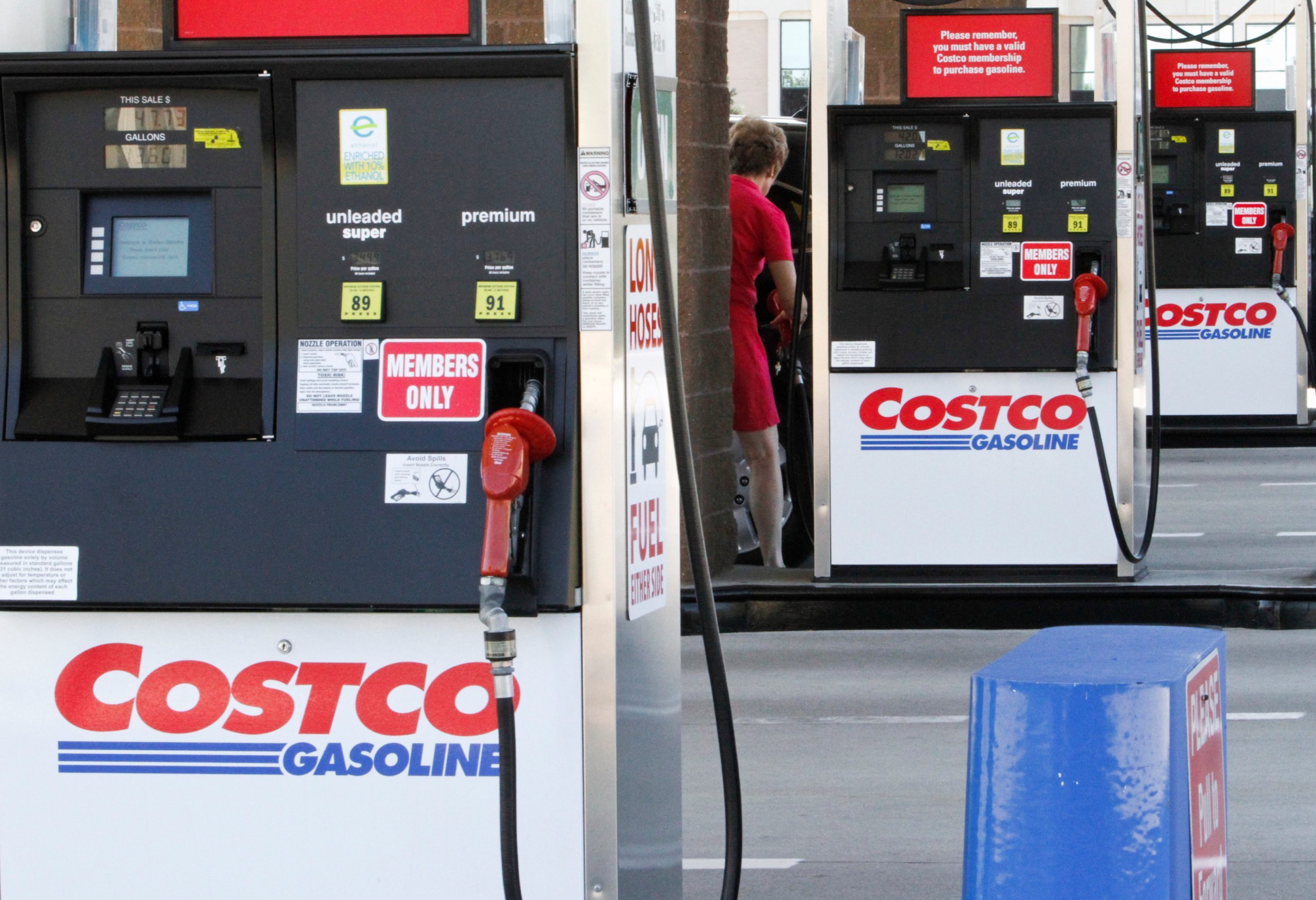
This deep dive will explore the multifaceted answer to this question, peeling back the layers of Costco’s fuel operation to reveal the strategic financial decisions that underpin its remarkable value proposition. We will examine how the company leverages its unique business model, sophisticated sourcing methods, and operational discipline to deliver high-quality fuel at prices that seem almost too good to be true. Understanding these mechanics offers valuable insights into modern retail economics, supply chain management, and the power of a consumer-centric financial strategy.
The Financial Engine Behind Costco’s Fuel Advantage
Costco’s ability to offer gasoline at prices significantly lower than most conventional stations is not a random occurrence but the result of a meticulously planned and executed financial strategy. This strategy integrates various elements, from its core membership model to its approach to procurement and operational efficiency, all designed to maximize value for members while maintaining a robust, albeit low-margin, revenue stream.
Membership Model and Economies of Scale
At the heart of Costco’s financial success, including its fuel operations, is its exclusive membership model. Members pay an annual fee, which provides Costco with a stable, predictable revenue stream independent of product margins. This fee structure is a critical financial lever, allowing the company to operate with thinner margins on its products, including gasoline, than traditional retailers. The thinking is simple yet profound: attract a vast member base with compelling value propositions, and the membership fees will largely cover overheads, enabling aggressive pricing elsewhere.
When it comes to gasoline, the sheer volume of fuel Costco sells across its numerous locations creates unparalleled economies of scale. By pooling the demand from hundreds of warehouses, Costco becomes an enormous buyer in the wholesale fuel market. This immense purchasing power grants them access to better pricing, terms, and delivery schedules than individual gas stations or smaller chains could ever achieve. The more fuel Costco buys, the lower its average cost per gallon, a direct financial benefit passed on to its members. This cyclical model—low prices drive membership, high membership drives volume, volume drives lower costs—is a cornerstone of its financial strength.
Bulk Procurement and Supply Chain Efficiency
Costco’s procurement strategy for gasoline is a masterclass in supply chain optimization and astute financial negotiation. Unlike many independent gas stations that rely on intermediaries or smaller distributors, Costco typically buys its fuel directly from major refiners or large wholesale terminals. This direct-to-source approach eliminates several layers of markup, significantly reducing the acquisition cost of the fuel. The decision to purchase in massive, multi-truckload quantities further enhances their negotiating power, securing the best possible wholesale prices.
Furthermore, Costco employs sophisticated logistics and supply chain management techniques to ensure efficient and cost-effective delivery. They strategically locate their fuel stations, often adjacent to their warehouses, to streamline distribution. While the actual transport might be handled by third-party carriers, Costco’s large, consistent demand allows them to negotiate favorable freight rates. In some instances, Costco may also engage in hedging strategies, though perhaps not as complex as airline companies, to mitigate volatility in oil prices, further protecting their margins and ensuring price stability for members. This focus on efficiency at every stage of the supply chain translates directly into tangible financial savings that are reflected at the pump.
Operational Leanness and Cost Control
Another critical financial component of Costco’s gas advantage lies in its lean operational model. Costco fuel stations are designed for maximum efficiency and minimal overhead. They are almost exclusively self-service, eliminating the need for extensive staffing. Unlike many convenience stores attached to gas stations, Costco fuel pumps do not typically offer supplementary services like car washes, air pumps, or elaborate snack shops. This stark focus on fuel sales only means lower operational costs—fewer employees, less infrastructure, and reduced maintenance expenses.
These operational savings are substantial. The absence of a convenience store, for example, avoids the costs associated with inventory management, spoilage, security, and staffing for those additional operations. Every dollar saved in overhead is a dollar that can be passed on to the customer in the form of lower fuel prices, reinforcing the financial appeal of Costco membership. This disciplined approach to cost control is a hallmark of Costco’s overall business philosophy and a key factor in its ability to offer such competitive fuel prices.
Sourcing and Quality: A Value Proposition for Members
The question of “where does Costco get its gas” isn’t just about price; it implicitly asks about quality. For members making a financially savvy choice to fuel up at Costco, there’s an expectation that the savings don’t come at the expense of engine health. Costco addresses this concern head-on, ensuring that its low prices are paired with a commitment to quality, further enhancing the financial value proposition.
Direct Refinery Relationships
Costco does not own refineries or produce its own gasoline. Instead, it acts as a major buyer in the wholesale market. This means Costco sources its fuel from a variety of reputable, established refiners and distributors across the country. Depending on the geographical location of a specific warehouse, Costco might purchase from companies associated with brands like Chevron, Shell, ExxonMobil, Valero, Marathon, or other regional suppliers. The choice of supplier at any given time is primarily driven by competitive pricing, availability, and logistical efficiency, always within stringent quality parameters.
This dynamic sourcing strategy allows Costco to leverage market competition among refiners. They constantly seek out the most financially advantageous supply contracts without compromising on base quality. This flexibility ensures that regardless of fluctuations in regional supply or pricing from a single refiner, Costco can pivot to secure the best deal, translating to consistent savings for its members. The gas itself originates from the same major refineries that supply branded stations, ensuring fundamental quality standards are met.
Top Tier Detergent Additives
Beyond sourcing from major refiners, Costco goes a step further to ensure the quality of its “Kirkland Signature™ Gasoline” meets and often exceeds industry standards. A critical differentiator, and a key element of its value proposition, is that Costco’s gasoline is “Top Tier” certified. Top Tier Detergent Gasoline is a performance standard developed by leading automotive manufacturers (BMW, General Motors, Honda, Toyota, Volkswagen, and Mercedes-Benz) to ensure that gasoline meets a higher standard for engine cleanliness and performance than that required by the U.S. Environmental Protection Agency (EPA).
This certification means that Costco’s fuel contains a higher concentration of detergent additives designed to prevent carbon buildup on engine intake valves and fuel injectors. Such buildup can lead to reduced fuel economy, increased emissions, and diminished engine performance over time. By providing Top Tier gasoline, Costco offers members not just immediate financial savings at the pump, but also potential long-term savings on engine maintenance and improved vehicle efficiency. This commitment to quality, without a premium price tag, solidifies the overall financial benefit of choosing Costco fuel.
The Impact on Personal and Business Finance
The implications of Costco’s fuel strategy extend far beyond the fuel pumps themselves, reverberating through both personal household budgets and the broader landscape of retail business finance. Its model serves as a compelling case study in value creation and market disruption.

Significant Savings for Consumers
For the average consumer, the most tangible benefit of Costco’s gas operations is the direct financial savings. Studies and anecdotal evidence consistently show that Costco’s gas prices are typically 5 to 30 cents per gallon lower than competing stations in the same area. For a household that consumes 500-1000 gallons of gas annually, these savings can amount to hundreds of dollars a year. This is not insignificant, especially in times of fluctuating fuel prices or tightening personal budgets.
These savings directly impact personal finance, freeing up disposable income that can be allocated to other necessities, savings, or discretionary spending. For many members, the annual savings on gas alone can easily offset the cost of their Costco membership, making the decision to join a clear financial winner. This perceived and actual financial benefit reinforces customer loyalty and drives repeat business, a crucial factor in Costco’s enduring success.
A Strategic Loss Leader or Low-Margin Driver
From a business finance perspective, Costco’s gasoline operation is often viewed as a strategic “loss leader” or, more accurately, a high-volume, low-margin product designed to drive traffic. While the margins on gas sales are notoriously thin—sometimes even razor-thin or slightly negative during extreme market conditions—the primary financial objective isn’t necessarily direct profit from fuel. Instead, the cheap gas acts as a powerful magnet, drawing members to the warehouse.
Once members are at the location to fill up, they are significantly more likely to enter the warehouse and make additional purchases, often of higher-margin items. These “impulse” or planned purchases inside the store—groceries, electronics, household goods—generate substantial revenue and profit for Costco. Thus, the gas station serves a critical strategic function: increasing foot traffic, boosting overall sales, and enhancing the perceived value of the membership. It’s an excellent example of an indirect revenue generation strategy that leverages a low-margin commodity to boost profitability across the entire business.
Competitive Market Dynamics
Costco’s aggressive pricing strategy in the fuel market also has a broader economic impact. Its presence in a local market often forces competing gas stations to lower their prices to remain competitive. This “Costco effect” benefits not only Costco members but also the general public, as overall gas prices in areas with a Costco fuel station tend to be lower than in areas without one.
This dynamic creates a more competitive marketplace, which is ultimately beneficial for consumers from a financial standpoint. It compels other retailers to find efficiencies in their own operations or accept lower margins, demonstrating Costco’s power as a market disruptor using a financially astute strategy.
Navigating the Fuel Market: A Smart Money Move
For consumers and businesses alike, understanding the nuances of the fuel market and how Costco operates within it allows for smarter financial decisions. Maximizing the value from a Costco membership involves appreciating the various factors that influence gas prices and how to best leverage them.
Factors Influencing Gas Prices at Costco
While Costco consistently offers lower prices, its gas prices are not immune to the fundamental forces that govern the broader fuel market. Crude oil prices, global supply and demand dynamics, refining costs, transportation expenses, and local and federal taxes all play a significant role. Geopolitical events, natural disasters impacting refineries, and seasonal demand changes (e.g., summer driving season) can cause prices to fluctuate.
Costco’s advantage lies in its ability to react quickly and efficiently to these market changes, leveraging its buying power to secure the best available price for its members. However, members should understand that while Costco buffers them from some price volatility, it cannot entirely insulate them from major market shifts. A smart money strategy involves being aware of these broader trends and incorporating them into budgeting, even when benefiting from Costco’s discounts.
Maximizing Your Membership Value
To fully leverage the financial benefits of Costco gas, members can employ several strategies. Firstly, timing their fill-ups to coincide with their warehouse shopping trips maximizes efficiency and ensures they regularly take advantage of the lower prices. Secondly, paying attention to local gas price trends can help identify the optimal times to fill up, though Costco’s pricing tends to be consistently low regardless.
Furthermore, utilizing a Costco Anywhere Visa® Card by Citi offers an additional 4% cashback on eligible gas purchases (up to $7,000 per year, then 1% back), which further amplifies the financial savings. For a savvy member, combining the already low Costco price with cashback rewards creates a formidable personal finance advantage, often making it the cheapest fuel option available by a significant margin.
Beyond the Pump: The Holistic Financial Benefit
The strategic importance of gasoline to Costco’s financial health and member value extends far beyond the direct savings at the pump or the indirect sales inside the warehouse. It contributes significantly to the overall stability and growth of the company.
Customer Loyalty and Retention
The promise of consistently low-priced gas is a powerful driver of customer loyalty and, crucially, membership renewals. For many members, the financial savings on fuel alone are enough to justify the annual membership fee. This strong incentive helps Costco maintain a remarkably high membership renewal rate, which is a cornerstone of its financial stability. A loyal customer base ensures predictable revenue streams from membership fees and consistent purchasing patterns, reducing marketing costs and enhancing long-term business predictability.

Expanding Market Share
Costco’s gas stations also play a role in its broader market penetration strategy. The allure of cheap gas can attract new members who might initially join primarily for the fuel savings, only to discover the value of other Costco offerings. This expands Costco’s market share and introduces its brand to a wider audience, thereby fueling future growth. The strategic placement of gas stations, often at new warehouse locations, can act as a catalyst for establishing a strong foothold in new geographical markets, demonstrating its multifaceted financial utility.
In conclusion, “where does Costco get its gas” unravels a fascinating tapestry of intricate financial strategies, efficient supply chain management, and a deep understanding of consumer value. Costco’s ability to consistently offer high-quality fuel at exceptionally low prices is not a matter of chance but a deliberate, finely tuned financial engine that drives membership loyalty, boosts in-store sales, and provides substantial financial benefits to its millions of members. It exemplifies how smart business finance, focused on economies of scale and operational efficiency, can create a powerful competitive advantage and deliver tangible monetary value directly to the consumer.
aViewFromTheCave is a participant in the Amazon Services LLC Associates Program, an affiliate advertising program designed to provide a means for sites to earn advertising fees by advertising and linking to Amazon.com. Amazon, the Amazon logo, AmazonSupply, and the AmazonSupply logo are trademarks of Amazon.com, Inc. or its affiliates. As an Amazon Associate we earn affiliate commissions from qualifying purchases.