
For investors and traders residing in or operating within the Central Time Zone (CT), understanding the precise closing time of the major U.S. stock markets is more than just a matter of curiosity; it’s a critical component of their daily strategy and risk management. While the financial world often defaults to Eastern Time (ET) for market hours, a significant portion of the country, stretching from Chicago to Dallas, operates on Central Time, necessitating a clear conversion and nuanced understanding of how these hours impact their trading day.
The beating heart of American capitalism, represented by the New York Stock Exchange (NYSE) and the NASDAQ, resides in New York City, which observes Eastern Time. Consequently, all official market hours, from the opening bell to the final close, are publicly stated in ET. The standard trading day for U.S. equity markets runs from 9:30 AM ET to 4:00 PM ET. This seemingly straightforward schedule, however, requires careful translation for anyone operating outside of ET, especially for those in the Central Time Zone who are one hour behind.
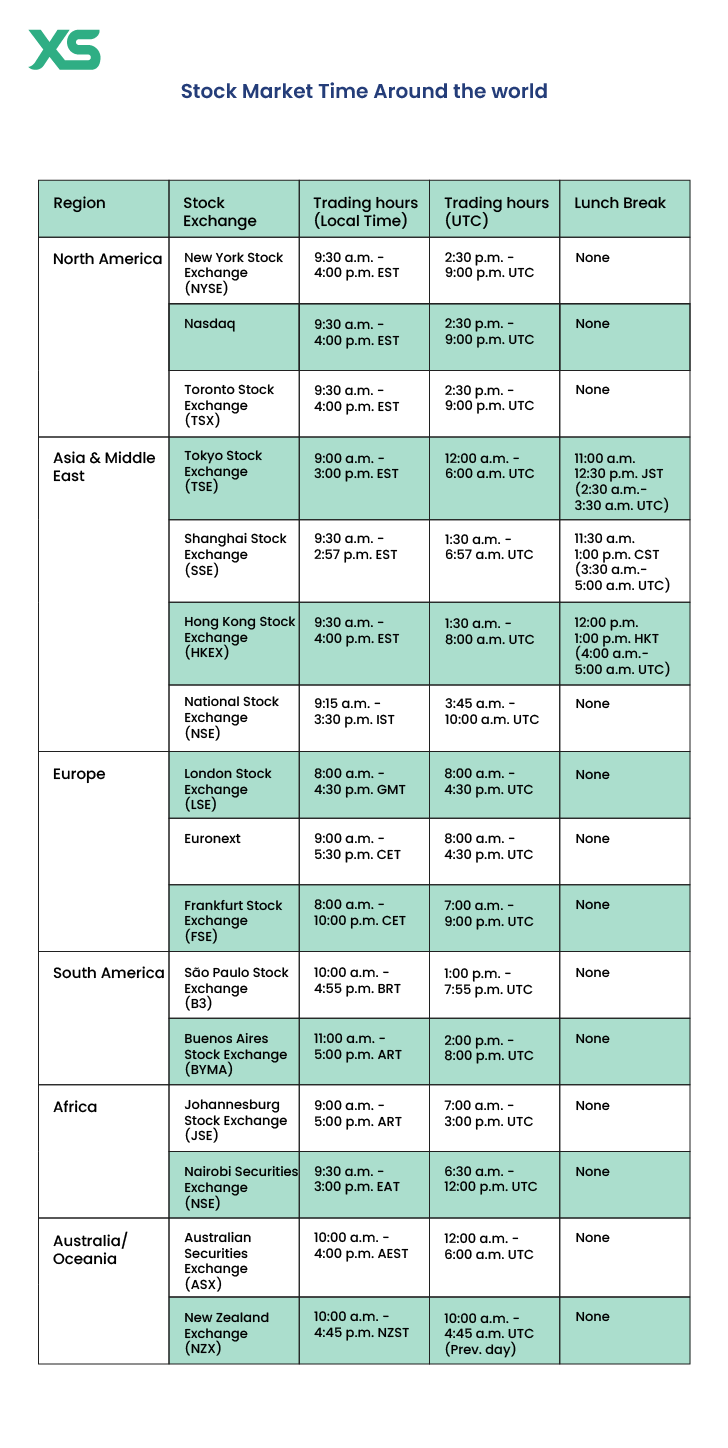
At its core, the answer is simple: the U.S. stock market officially closes at 3:00 PM Central Time on regular trading days. But this simple conversion only scratches the surface of what investors need to know. The implications of this closing time extend to various aspects of trading, from the execution of orders to the analysis of daily performance and the planning of future strategies. Understanding the rhythm of the market’s close, including its exceptions and extensions, is paramount for anyone serious about navigating the financial markets effectively from a Central Time perspective.
The Standard Trading Day: A Central Time Perspective
The regular trading session for the U.S. stock markets is a defined period where the vast majority of trading activity occurs. This period is characterized by high liquidity, tight bid-ask spreads, and typically lower volatility compared to extended hours. For those in the Central Time Zone, syncing with this rhythm is fundamental to their trading operations.
New York Stock Exchange (NYSE) and NASDAQ Regular Hours
Both the NYSE and the NASDAQ, the two largest stock exchanges in the U.S., adhere to the same standard trading hours. Officially, they open at 9:30 AM Eastern Time and close at 4:00 PM Eastern Time, Monday through Friday, barring holidays.
- Opening Bell: 9:30 AM ET
- Closing Bell: 4:00 PM ET
This six-and-a-half-hour window is where the bulk of price discovery and transaction volume takes place. From a Central Time perspective, this translates directly to:
- Opening Bell: 8:30 AM CT
- Closing Bell: 3:00 PM CT
This one-hour difference might seem minor, but it shapes the entire trading day for individuals and institutions in the Central Time Zone. A trader in Chicago, for example, will start their trading day an hour earlier by local clock time relative to their East Coast counterparts and will conclude their active market participation an hour earlier. This synchronization is crucial for scheduling meetings, analyzing market movements, and making timely decisions.
Converting Eastern Time to Central Time
The conversion from Eastern Time to Central Time is a consistent and straightforward subtraction of one hour. This means that if an event is scheduled for 10:00 AM ET, it will occur at 9:00 AM CT. If a major economic data release is planned for 8:30 AM ET, investors in the Central Time Zone should be prepared for it at 7:30 AM CT.
The simplicity of this conversion masks its profound impact. For day traders who rely on rapid execution and real-time data, understanding this time difference is essential for setting up their workstations, monitoring news feeds, and participating in the market from the very first minute. For longer-term investors, it dictates when they can expect to see final prices for the day, when their orders might execute, and when they can reasonably expect to review market summaries and analyst reports pertaining to the day’s performance.
Why the Specificity of Central Time Matters
Beyond simply knowing the clock time, the precise understanding of market closing in Central Time is vital for several reasons:
- Order Execution: Many brokerages have cut-off times for certain types of orders that align with market close. Understanding the 3:00 PM CT close ensures that limit orders, stop-loss orders, and market-on-close orders are placed or modified with sufficient time to be processed before the final bell. Missing this window can lead to unwanted positions overnight or missed opportunities.
- Risk Management: The period leading up to the market close can be particularly volatile as traders rush to square off positions, take profits, or manage risk. Knowing when this period begins and ends in CT allows traders to adjust their strategies, reduce exposure, or take defensive actions before the market shuts down.
- End-of-Day Analysis: For fundamental and technical analysis, the closing price is a crucial data point. It forms the basis for daily charts, performance metrics, and the calculation of various indicators. Investors in CT need to know when these final prices are locked in to begin their end-of-day reviews and prepare for the next session.
- Work-Life Balance: For individual investors and professionals, aligning their daily schedules with market hours in their local time zone is crucial for maintaining productivity and work-life balance. Knowing the 3:00 PM CT close allows them to plan their afternoons accordingly, whether it’s for post-market analysis or personal commitments.
Beyond Regular Hours: Pre-Market and After-Hours Trading
The financial markets don’t simply shut down completely at 3:00 PM CT. A significant amount of trading activity occurs outside of the standard 8:30 AM to 3:00 PM CT window, during what are known as “extended trading sessions.” These include pre-market trading and after-hours trading, which have become increasingly accessible to retail investors through electronic communication networks (ECNs).
Understanding Extended Trading Sessions
- Pre-Market Trading: This session typically runs from 4:00 AM ET to 9:30 AM ET. For Central Time traders, this means activity begins as early as 3:00 AM CT and concludes at the regular market open of 8:30 AM CT.
- After-Hours Trading: This session usually starts immediately after the regular market close at 4:00 PM ET and can run until 8:00 PM ET. In Central Time, this corresponds to 3:00 PM CT to 7:00 PM CT.
These extended hours are crucial for reacting to news events that occur outside of regular market hours, such as corporate earnings announcements, macroeconomic data releases, or breaking geopolitical news.
Risks and Opportunities of After-Hours Trading
While extended hours offer opportunities, they also come with distinct risks:
- Lower Liquidity: Fewer participants typically trade during extended hours, leading to lower trading volume. This can result in wider bid-ask spreads, making it more expensive to buy or sell, and potentially causing significant price movements on relatively small trades.
- Increased Volatility: News events can trigger sharp price swings in illiquid markets, leading to greater volatility compared to regular hours.
- Price Discrepancies: Prices established in extended hours might not carry over to the next regular trading session, as new information or market sentiment can emerge overnight.
Despite these risks, opportunities exist for savvy traders. Those with access to real-time news and the ability to act quickly can capitalize on significant price dislocations, especially around earnings reports or analyst upgrades/downgrades that are released after the market close. For a Central Time trader, the after-hours session from 3:00 PM CT to 7:00 PM CT becomes a critical period for evaluating overnight positions and potential entry/exit points for the next day.
How Central Time Traders Navigate Extended Hours
Navigating extended hours from Central Time requires careful planning:
- Brokerage Access: Ensure your brokerage platform supports pre-market and after-hours trading and understand their specific cut-off times for these sessions.
- Order Types: Use limit orders instead of market orders during extended hours to protect against adverse price movements due to low liquidity.
- Information Flow: Stay connected to reliable news sources and earnings calendars to anticipate and react to announcements relevant to your holdings. The one-hour time lag for CT means some announcements might be digested slightly later than for ET traders, but this can also provide a small buffer to observe initial reactions.
- Risk Management: Be acutely aware of the heightened risks. Consider trading smaller position sizes and have clear exit strategies in place.
Navigating Exceptions: Market Holidays and Early Closures
The 3:00 PM CT market close is the norm, but there are specific days when the markets deviate from this standard schedule. These exceptions are crucial for investors to monitor to avoid unexpected closures or truncated trading sessions.
Major U.S. Stock Market Holidays

The U.S. stock markets observe several federal holidays throughout the year, during which they remain completely closed. These typically include:
- New Year’s Day
- Martin Luther King, Jr. Day
- Washington’s Birthday (Presidents’ Day)
- Good Friday
- Memorial Day
- Juneteenth National Independence Day
- Independence Day (July 4th)
- Labor Day
- Thanksgiving Day
- Christmas Day
It’s important to note that if a holiday falls on a weekend, the market may observe it on the preceding Friday or the following Monday. For instance, if Christmas Day falls on a Saturday, the market might close on Friday, December 24th. These full closures mean no trading activity, no price discovery, and no order execution for the entire day from any time zone.
Shortened Trading Days and Their Impact
In addition to full holidays, the U.S. stock markets also have several shortened trading days, primarily around major holidays. On these days, the market often closes early, typically at 1:00 PM ET, which translates to 12:00 PM CT. Common instances of early closures include:
- The day before Independence Day
- The day after Thanksgiving (Black Friday)
- Christmas Eve (if it’s a weekday)
- New Year’s Eve (if it’s a weekday)
These early closures significantly shorten the trading day, reducing the window for activity to just three and a half hours instead of the usual six and a half. For Central Time traders, this means the market closes a full three hours earlier than usual. This drastic reduction in trading time can lead to:
- Accelerated Activity: Traders may rush to complete transactions before the earlier close, potentially leading to increased volatility in the shortened session.
- Reduced Liquidity: With fewer hours, some institutional traders might step back, potentially reducing liquidity.
- Overnight Risk: Any positions held through an early close carry a longer overnight holding period until the next regular open, increasing exposure to news or events occurring during the extended non-trading period.
Staying Informed About Market Schedule Changes
Given the impact of these exceptions, it is paramount for Central Time investors to stay informed:
- Exchange Websites: Regularly check the official websites of the NYSE and NASDAQ for their holiday schedules.
- Brokerage Notifications: Most online brokers provide alerts and calendars detailing upcoming market holidays and early closures.
- Financial News Outlets: Reputable financial news sources typically publish comprehensive lists of market holidays at the beginning of each year.
- Set Reminders: Incorporate these dates into your personal calendar or trading software to avoid surprises.
The Strategic Importance of Market Close for Investors
The market close is not merely an arbitrary endpoint to the trading day; it’s a significant strategic juncture for investors of all stripes. The final moments of the trading session often encapsulate the day’s sentiment, providing crucial signals for future movements.
Impact on Day Traders and Swing Traders
For day traders and swing traders, who operate on short-term horizons, the market close in Central Time (3:00 PM CT) is a pivotal moment:
- Day Traders: Most day traders aim to close all their positions before the 3:00 PM CT bell to avoid overnight risk. The period just before the close (the “power hour” in ET, which is 2:00 PM CT to 3:00 PM CT) can be characterized by heightened activity and volatility as traders scramble to exit or enter final positions. Monitoring this period closely from CT is essential for profitable exits or entries.
- Swing Traders: While swing traders hold positions for multiple days, the close is still critical. It provides the final price point for the day, which is used to calculate daily performance, evaluate technical indicators (like closing above/below key moving averages), and adjust stop-loss or take-profit levels for the next session. The post-close analysis, typically done between 3:00 PM CT and 5:00 PM CT, informs decisions for the following day.
Implications for Long-Term Investors
Even for long-term investors focused on fundamental value and multi-year horizons, the market close holds importance:
- Portfolio Valuation: The 3:00 PM CT close establishes the official valuation of their portfolio for the day, which is used for calculating daily returns and overall net worth.
- Dividend Records: Key dates related to dividends, such as the ex-dividend date, often depend on the close of trading.
- News Reaction: While not actively trading daily, long-term investors still monitor the market close to gauge how major news events, such as interest rate announcements or corporate earnings, have been digested by the market by the end of the trading day. This information feeds into their broader investment thesis.
The ‘Close’ as a Catalyst for Strategy and Analysis
The final bell at 3:00 PM CT acts as a natural break point, signaling the end of one chapter and the beginning of preparation for the next. This makes it a catalyst for various strategic activities:
- Performance Review: Investors review their daily profits/losses, assess the performance of individual stocks, and compare it against benchmarks.
- Technical Analysis: Closing prices are fundamental to charting. Daily candlestick patterns, closing values relative to moving averages, and volume patterns are all analyzed based on the final 3:00 PM CT data.
- News Digest: Post-market close is an opportune time to catch up on the day’s financial news, analyze economic reports, and read analyst commentary, all of which might influence pre-market trading or the next day’s open.
- Order Placement/Modification: Traders might place or modify limit orders for the pre-market or next day’s regular session based on their end-of-day analysis.
Global Markets and Time Zone Considerations
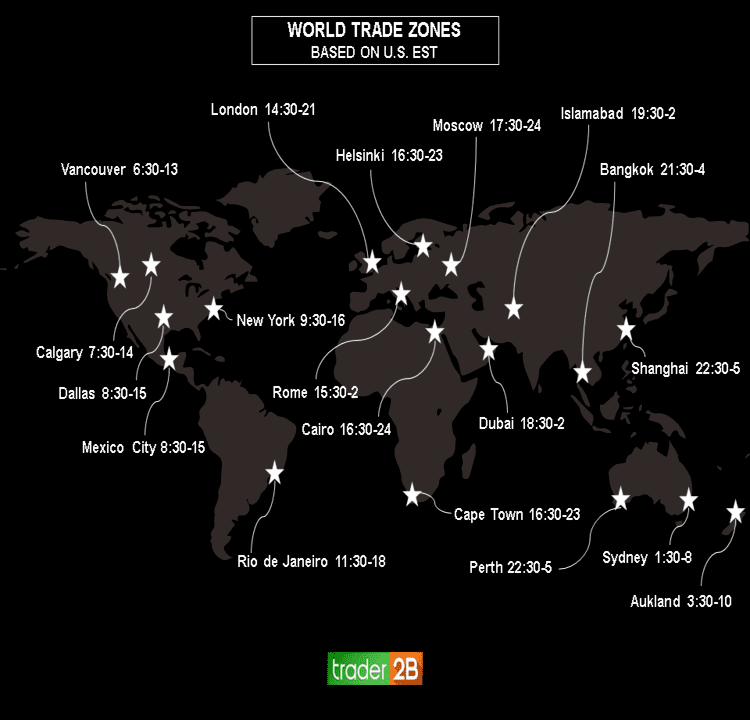
While the focus here is on the U.S. stock market closing Central Time, it’s important to remember that the global financial market is a 24-hour cycle. When one market closes, another is either opening or in full swing, creating a continuous, interconnected financial ecosystem.
Synchronizing U.S. Market Close with Global Trading
As the U.S. market closes at 3:00 PM CT (4:00 PM ET), Asian markets are typically nearing their close or already closed, while European markets are often in their mid-to-late trading sessions. For example, London’s FTSE 100 closes at 11:30 AM CT (4:30 PM GMT), overlapping significantly with the U.S. market. Frankfurt’s DAX also operates on a similar schedule. This overlap means that news or sentiment from the U.S. market close can immediately influence trading in Europe, and vice-versa.
The true global “close” is virtually non-existent, as some market somewhere is always open. This constant activity means that an investor’s portfolio, even if solely invested in U.S. equities, is still subject to the broader global economic and geopolitical currents that unfold outside of U.S. trading hours.
The Continuous Global Trading Day
The concept of a continuous global trading day emphasizes that isolated events in one market can cascade across others. For Central Time investors, understanding that their 3:00 PM CT close doesn’t mean the world’s financial activity stops is crucial. Major economic data releases from China or monetary policy decisions from the European Central Bank, which might occur during U.S. overnight hours, can significantly influence the U.S. pre-market session starting at 3:00 AM CT.
This continuous cycle necessitates a broader awareness for sophisticated investors who might utilize exchange-traded funds (ETFs) that track foreign indices or invest directly in international stocks. Their “day” doesn’t end when the NYSE or NASDAQ closes.
Tools and Resources for Tracking Worldwide Market Hours
To manage the complexities of global market hours, especially when considering the Central Time perspective, several tools and resources are invaluable:
- Online Market Clocks: Websites and apps that display real-time market statuses and opening/closing times for major global exchanges, often with customizable time zones.
- Financial News Platforms: Premium financial news services often include global market calendars and real-time updates on key events.
- Brokerage Platforms: Many advanced brokerage platforms offer integrated global market data and news feeds.
- Economic Calendars: These calendars list upcoming economic data releases, central bank meetings, and other market-moving events from around the world, allowing investors to anticipate potential volatility.
In conclusion, while the question “When does the stock market close Central Time?” has a simple answer – 3:00 PM CT – its true depth lies in the strategic implications for trading, risk management, and overall investment strategy. For those operating within the Central Time Zone, a comprehensive understanding of the regular hours, extended sessions, and various exceptions is not merely convenient but absolutely essential for navigating the complex and dynamic world of financial markets successfully.
aViewFromTheCave is a participant in the Amazon Services LLC Associates Program, an affiliate advertising program designed to provide a means for sites to earn advertising fees by advertising and linking to Amazon.com. Amazon, the Amazon logo, AmazonSupply, and the AmazonSupply logo are trademarks of Amazon.com, Inc. or its affiliates. As an Amazon Associate we earn affiliate commissions from qualifying purchases.