
Embarking on the entrepreneurial journey is often a thrilling prospect, filled with innovative ideas and ambitious visions. However, one of the most significant hurdles aspiring business owners face is securing the necessary capital to transform these visions into reality. Funding isn’t merely about having enough money; it’s about strategizing its acquisition, understanding its implications, and deploying it effectively to foster growth and sustainability. In the complex world of business finance, knowing where to look and how to prepare is paramount. This article delves into the diverse avenues available for securing funds to launch your venture, offering insights into traditional, modern, and often overlooked sources, all while emphasizing the financial prudence required for long-term success.

Understanding Your Funding Needs and Financial Readiness
Before you even begin to approach potential investors or lenders, a critical first step is to gain absolute clarity on your financial requirements and to honestly assess your own financial standing. This foundational work not only prepares you for external scrutiny but also sharpens your business model and increases your chances of securing the right type and amount of funding.
Calculating Startup Costs
A common pitfall for new entrepreneurs is underestimating the capital required to get a business off the ground and sustain it through its initial, often unprofitable, phases. Begin by meticulously itemizing every conceivable expense. This includes one-time costs like equipment purchases, initial inventory, legal fees for business registration, website development, and office setup. Equally important are recurring operational expenses such as rent, utilities, salaries, marketing, and insurance, which need to be covered for at least 6-12 months before significant revenue is expected. Categorize these into fixed costs (e.g., rent, insurance) and variable costs (e.g., raw materials, commissions) to understand your break-even point and ongoing burn rate. A detailed spreadsheet laying out these figures will serve as a cornerstone of your financial projections.
Assessing Personal Financial Contribution
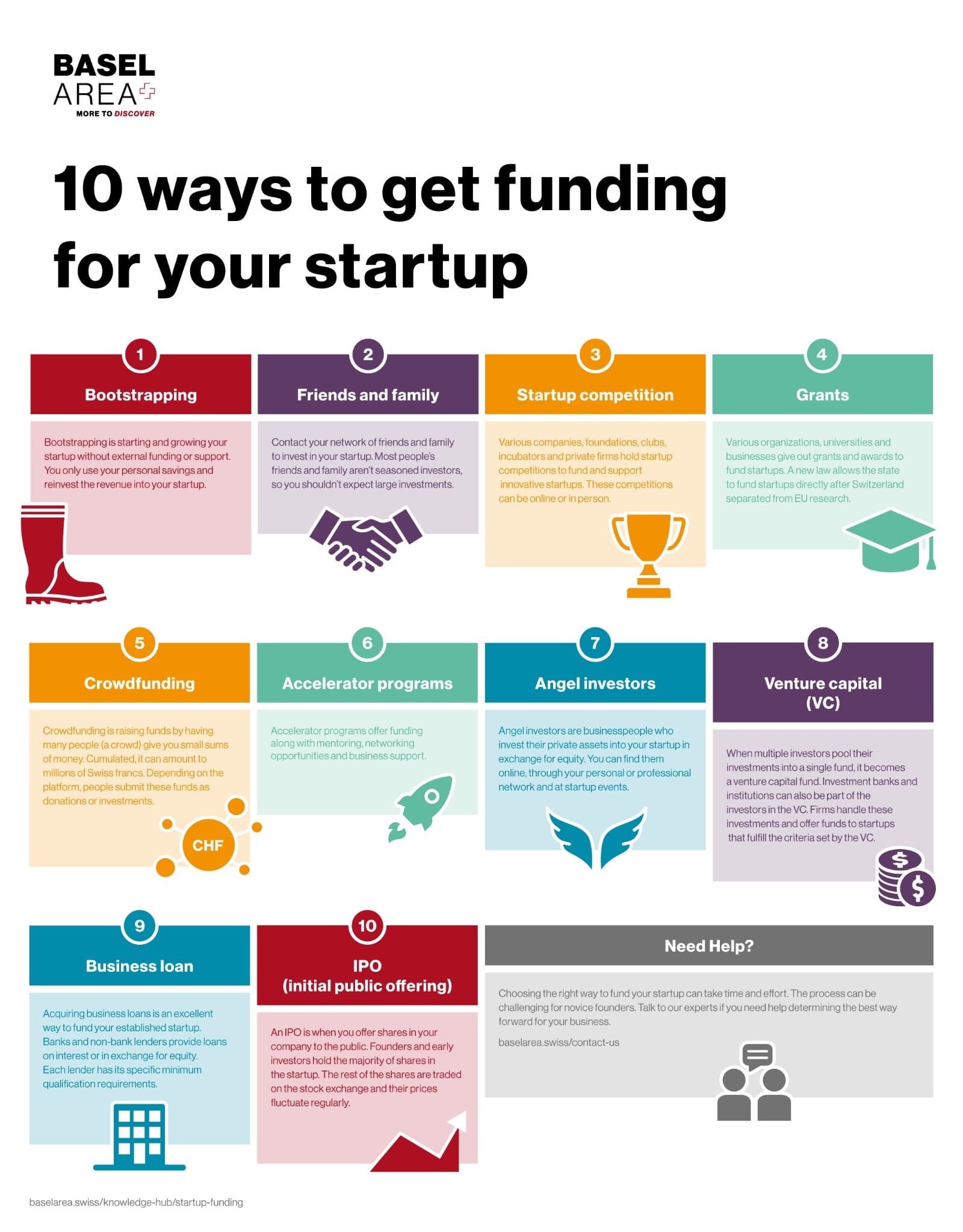
Many successful businesses begin with a strong component of self-funding, often referred to as “bootstrapping.” This can involve using personal savings, drawing on a home equity line of credit, or taking out a personal loan. While it might seem daunting, demonstrating a personal financial stake shows potential investors or lenders your unwavering commitment and belief in your business. It also reduces your reliance on external funding, which can be crucial in the early stages when external capital is hardest to come by. Assess what you can realistically contribute without jeopardizing your personal financial stability. This contribution can be a powerful signal to others that you are invested both emotionally and financially.
Developing a Solid Financial Forecast
Beyond merely listing costs, a robust financial forecast is essential. This involves projecting your revenue, expenses, and cash flow for the next 3-5 years. While predicting the future is inherently challenging, a well-researched forecast, backed by market analysis and realistic assumptions, provides a roadmap for your business and a critical metric for potential funders. Include a break-even analysis to show when your business is expected to become profitable. Detail your assumptions clearly so that any funder can understand the logic behind your numbers. This forecast isn’t just about showing profitability; it’s about demonstrating financial viability and a clear path to generating a return on investment.
Building a Strong Credit Profile
Your personal credit score often plays a significant role in your ability to secure business funding, especially in the early stages when your business itself has no established credit history. Lenders use it as an indicator of your financial responsibility. Take steps to improve your personal credit score if necessary, such as paying bills on time, reducing personal debt, and correcting any errors on your credit report. As your business grows, establishing a separate business credit profile will become crucial. This involves getting a Federal Employer Identification Number (EIN), opening a business bank account, and applying for business credit cards and trade lines in your company’s name. A strong credit profile, both personal and business, will unlock better terms and a wider range of funding options.
Traditional Funding Avenues for Startups
Once your internal financial house is in order, you can explore the more established pathways for securing business capital. These traditional sources have been the backbone of business financing for decades, each coming with its own set of requirements, advantages, and trade-offs.
Bank Loans and Lines of Credit
Commercial banks remain a primary source of capital for many businesses. They offer various products, including term loans (fixed amount, fixed repayment schedule) and lines of credit (flexible borrowing up to a certain limit). For startups, securing a traditional bank loan can be challenging due due to the lack of collateral or established revenue history. However, government-backed programs, such as those offered by the Small Business Administration (SBA) in the U.S., can bridge this gap. SBA loans, for instance, guarantee a portion of the loan, reducing the risk for banks and making them more willing to lend to startups. These loans often come with favorable terms and lower interest rates. Preparation is key: a solid business plan, detailed financial projections, and a strong personal credit history are paramount when approaching a bank.
Venture Capital and Angel Investors
For businesses with high growth potential, particularly in technology or innovative sectors, venture capitalists (VCs) and angel investors can be transformative. Angel investors are affluent individuals who provide capital for a startup, usually in exchange for equity. They often bring valuable industry experience and mentorship. Venture capital firms are professional investors who manage funds from various sources and invest in companies they believe have significant potential for rapid scalability and high returns. They typically invest larger sums than angel investors and take a more active role in the company’s strategic direction. While these sources offer substantial capital and expertise, they also demand significant equity stakes and expect a clear exit strategy (e.g., acquisition or IPO) within a few years. They are not suitable for every business, especially those aiming for steady, moderate growth rather than explosive expansion.
Friends and Family Rounds
Often the first external capital source for many entrepreneurs, raising funds from friends and family can be a relatively quick and accessible option. These individuals typically invest because they believe in you and your vision, often with more flexible terms than institutional lenders. However, it’s crucial to approach this formally to avoid potential strain on personal relationships. Draft clear loan agreements or equity contracts outlining terms, repayment schedules, and expectations. Treat these investments with the same professionalism as you would with a bank or a VC firm. Open communication and transparency are vital to maintain trust and ensure all parties understand the risks and rewards involved.
Alternative and Modern Funding Sources
The financial landscape has evolved significantly, giving rise to numerous alternative and modern funding mechanisms that cater to a broader spectrum of businesses and entrepreneurial aspirations. These options can be particularly appealing for startups that may not fit the strict criteria of traditional lenders or for those seeking more community-driven support.

Crowdfunding Platforms
Crowdfunding has revolutionized how businesses secure initial capital by democratizing the fundraising process. There are several models:
- Rewards-based crowdfunding: Platforms like Kickstarter and Indiegogo allow businesses to raise money from a large number of individuals in exchange for a product, service, or unique experience, often pre-orders. It’s excellent for validating market interest and building a community.
- Equity crowdfunding: Platforms such as SeedInvest and Wefunder enable startups to sell small equity stakes to a large number of unaccredited investors, complying with specific regulations. This can be a powerful way to raise significant capital while building a loyal base of small shareholders.
- Debt crowdfunding (Peer-to-peer lending): Platforms like LendingClub connect businesses with individual lenders who provide loans, often with more flexible terms than traditional banks.
Each model offers distinct benefits, from market validation to direct capital injection, making crowdfunding a versatile tool for various startup stages and industries.
Government Grants and Programs
Beyond SBA loans, various government agencies at federal, state, and local levels offer grants to businesses that align with specific public policy objectives. These often target particular industries (e.g., clean energy, biotechnology), research and development projects, or businesses in underserved communities. The key advantage of grants is that they do not need to be repaid and do not require relinquishing equity. However, the application process can be rigorous, highly competitive, and often involves detailed reporting requirements. Thorough research is necessary to identify relevant grant opportunities, and success usually depends on clearly articulating how your business meets the grant’s specific criteria.
Incubators and Accelerators
Business incubators and accelerators are programs designed to support early-stage companies by providing mentorship, resources, networking opportunities, and often, seed funding. Incubators typically offer longer-term support without a fixed timeline, focusing on nurturing an idea from its nascent stages. Accelerators, conversely, are cohort-based programs with a fixed duration (e.g., 3-6 months) that push startups through rapid development cycles, culminating in a “demo day” where they pitch to investors. In exchange for their support and funding, both incubators and accelerators usually take a small equity stake in participating companies. These programs can be invaluable for gaining expert guidance and making crucial connections in the investment community.
Business Credit Cards
For smaller, initial expenses or managing cash flow during tight periods, business credit cards can be a convenient option. They offer flexibility and can help build your business credit history when used responsibly. However, they typically come with higher interest rates than traditional loans, making them suitable for short-term financing rather than significant capital injections. It’s crucial to manage credit card debt judiciously, ensuring that balances are paid off quickly to avoid accumulating high interest charges. Used strategically, a business credit card can be a useful tool for bridging gaps in working capital.
Crafting a Compelling Pitch and Business Plan
Regardless of the funding source you pursue, your ability to articulate your business idea, demonstrate its viability, and inspire confidence in your team will be critical. A well-structured business plan and a persuasive pitch are your primary tools for achieving this.
The Importance of a Robust Business Plan
Your business plan serves as the blueprint for your venture, detailing every aspect from concept to execution. It should include an executive summary, a comprehensive market analysis (identifying your target audience, competitors, and market size), a description of your products or services, your marketing and sales strategy, operational plans, management team bios, and, crucially, your detailed financial projections. A thorough business plan demonstrates your understanding of the market, your strategic thinking, and your commitment to organized growth. It’s not just for investors; it’s a living document that guides your internal decision-making.
Developing a Persuasive Pitch Deck
While the business plan provides the detailed narrative, a pitch deck is a concise visual presentation designed to capture attention and communicate your core value proposition swiftly. Typically 10-15 slides, a strong pitch deck tells a compelling story, highlighting the problem you’re solving, your unique solution, the market opportunity, your business model, traction achieved (if any), your team, and your financial ask. The goal is to generate excitement and secure the next meeting. Practice your delivery, focus on clarity, and emphasize the potential return on investment for the funder.
Understanding Investor Expectations
Different funders have different priorities. Angel investors might be swayed by passion and a strong team, while VCs will meticulously scrutinize market size, scalability, intellectual property, and exit potential. Banks focus on repayment capacity, collateral, and your creditworthiness. Before you pitch, research your potential funders to understand their investment thesis, their portfolio, and what they typically look for. Tailor your presentation to address their specific concerns and highlight aspects of your business that align with their investment criteria. Demonstrating a clear understanding of their expectations will significantly increase your credibility and chances of success.
Managing Your Funds and Ensuring Financial Sustainability
Securing funds is a momentous achievement, but it’s only the first step. The true test of an entrepreneur lies in the prudent management of that capital to ensure the business not only survives but thrives. Financial sustainability is about more than just making a profit; it’s about building resilient financial systems and making informed decisions that support long-term growth.
Budgeting and Cash Flow Management
Effective budgeting is the cornerstone of financial control. Once funded, meticulously track all income and expenses against your budget. Regularly review your actual performance versus your projections and adjust spending as necessary. Equally important is proactive cash flow management. Understand your cash conversion cycle and implement strategies to optimize it, such as managing inventory efficiently, negotiating favorable payment terms with suppliers, and promptly collecting receivables. A healthy cash flow ensures you can meet your operational obligations without relying on additional, potentially costly, external financing.
Financial Reporting and Compliance
Accurate and timely financial reporting is not just a regulatory necessity; it’s a vital tool for decision-making. Regularly prepare and review key financial statements: income statements, balance sheets, and cash flow statements. These reports provide insights into your business’s financial health, performance trends, and areas requiring attention. Furthermore, ensure full compliance with all financial regulations, including tax laws, labor laws, and industry-specific financial reporting standards. Non-compliance can lead to hefty fines, legal troubles, and damage to your reputation, all of which drain valuable resources and erode trust.
Reinvesting Profits and Planning for Growth
As your business begins to generate profits, resist the urge for premature lavish spending. Strategic reinvestment of profits back into the business is crucial for sustainable growth. This could involve expanding your product line, investing in new technology, increasing marketing efforts, or hiring key personnel. Develop a long-term financial plan that outlines how profits will be allocated to fuel future expansion while also building a robust financial reserve. A well-managed capital structure, balancing debt and equity, will support your growth ambitions without overleveraging the company.
Mitigating Financial Risks
Every business faces risks, but sound financial management includes strategies to mitigate them. Develop contingency plans for unexpected events, such as economic downturns, supply chain disruptions, or market shifts. This might involve building a cash reserve, diversifying your customer base, or securing lines of credit as a safety net. Adequate business insurance (liability, property, cyber) is also critical to protect against unforeseen financial losses. Regularly review your financial risk exposure and implement measures to safeguard your assets and ensure the continuity of your operations.
Securing funding to start a business is a challenging but achievable goal that requires meticulous preparation, strategic thinking, and resilience. By understanding your financial needs, exploring the diverse funding landscape, crafting a compelling narrative, and committing to diligent financial management, you can lay a strong foundation for not just launching, but successfully growing and sustaining your entrepreneurial vision. The journey of acquiring capital is itself a masterclass in business acumen, preparing you for the financial stewardship that lies ahead.
aViewFromTheCave is a participant in the Amazon Services LLC Associates Program, an affiliate advertising program designed to provide a means for sites to earn advertising fees by advertising and linking to Amazon.com. Amazon, the Amazon logo, AmazonSupply, and the AmazonSupply logo are trademarks of Amazon.com, Inc. or its affiliates. As an Amazon Associate we earn affiliate commissions from qualifying purchases.