
For investors, market analysts, and financial journalists alike, the announcement of a major company’s earnings report is one of the most anticipated events on the financial calendar. Among these, few command as much attention as NVIDIA Corporation (NVDA). As a dominant force in the semiconductor industry, particularly in graphics processing units (GPUs) and artificial intelligence (AI) chips, NVIDIA’s performance is often seen as a bellwether for the broader technology sector and even the global economy. Knowing “when does NVIDIA earnings come out?” is not just a matter of curiosity; it’s a critical piece of information for strategic investment planning, risk management, and understanding market sentiment. This article delves into the significance of NVIDIA’s earnings, how investors track these crucial dates, and what to look for when the results are finally revealed.
The Critical Importance of NVIDIA’s Earnings Reports
NVIDIA’s financial disclosures are far more than just a quarterly update; they are pivotal moments that can send ripples across various markets. Understanding why these reports hold such weight is the first step in appreciating their financial gravity.
Why NVIDIA’s Earnings Move Markets
NVIDIA’s influence extends far beyond its market capitalization. The company is at the forefront of several transformative technologies, including AI, high-performance computing, gaming, and autonomous vehicles. Consequently, its financial health and outlook provide crucial insights into the health and direction of these rapidly evolving sectors. A strong earnings report from NVIDIA can ignite rallies in related tech stocks, signaling robust demand for cutting-edge hardware and software. Conversely, a miss on expectations or a cautious outlook can trigger widespread concerns, affecting investor confidence across the tech landscape. Its position as a leader in foundational technologies means that its earnings reports often act as a barometer for technological adoption and corporate investment trends. Portfolio managers, institutional investors, and individual traders meticulously analyze these reports to calibrate their exposure to the technology sector and adjust their broader market strategies. The sheer volume of trading activity and associated volatility around NVIDIA’s earnings announcements underscores its systemic importance.
Beyond Revenue and EPS: Key Metrics to Watch
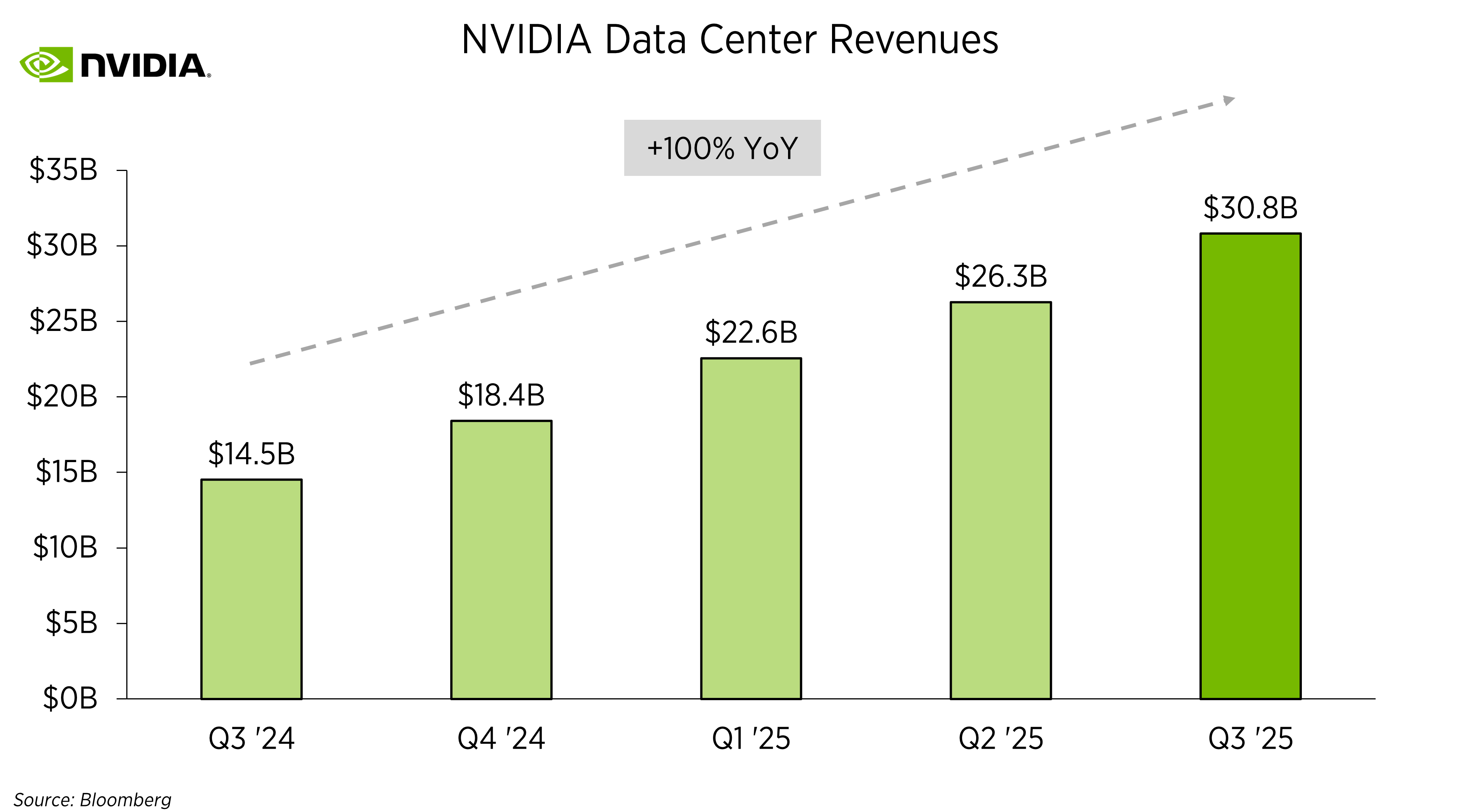
While headline figures like revenue and earnings per share (EPS) are essential, a savvy investor looks much deeper into NVIDIA’s earnings report to grasp the full picture. Several segment-specific and operational metrics offer a more granular view of the company’s performance and future prospects. Investors scrutinize the growth rates within NVIDIA’s core segments: Data Center, Gaming, Professional Visualization, and Automotive. The Data Center segment, in particular, has become a primary focus due to the explosive demand for AI computing, making its revenue growth, order backlog, and adoption of new GPU architectures critical indicators. Gross margin is another vital metric, reflecting the company’s pricing power and cost efficiency in a competitive environment. Research and development (R&D) expenditure also merits close attention, as it signals NVIDIA’s commitment to innovation and its ability to maintain its technological edge. Finally, insights into supply chain dynamics, inventory levels, and capital expenditure plans can provide clues about future production capabilities and potential bottlenecks.
Impact on Investor Sentiment and Stock Volatility
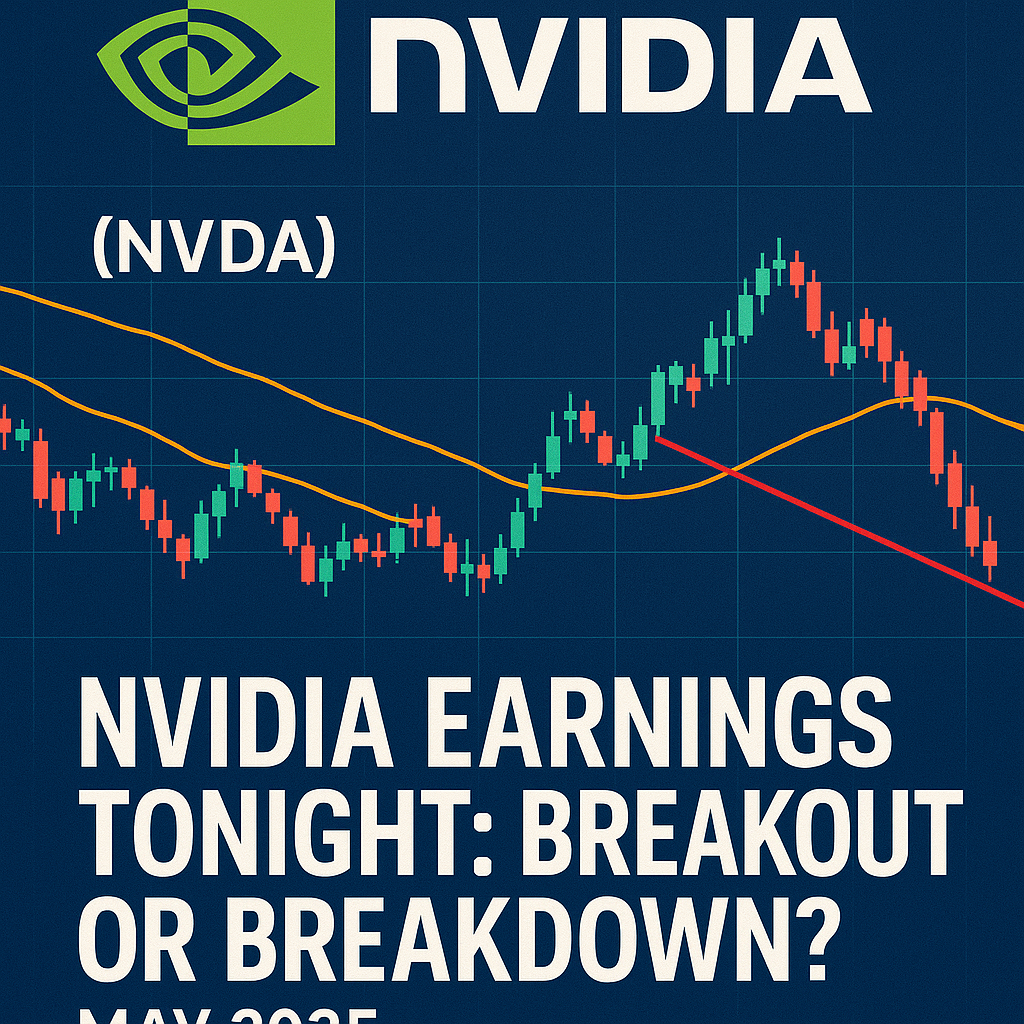
The period surrounding NVIDIA’s earnings announcements is almost always characterized by heightened stock volatility. Anticipation builds in the weeks leading up to the release, as analysts update their models and speculation mounts. When the report is released, the market reacts swiftly and often dramatically. A “beat” (exceeding analyst estimates) can send the stock soaring, while a “miss” (falling short of estimates) or even a mere disappointment in forward guidance can lead to sharp declines. This volatility presents both opportunities and risks for investors. Short-term traders may attempt to profit from these rapid price swings, while long-term investors may use the post-earnings reaction to re-evaluate their positions or identify entry/exit points. Beyond immediate price movements, earnings reports significantly shape investor sentiment. Positive reports reinforce confidence in the company’s management and strategy, potentially attracting new capital, whereas negative reports can erode trust and lead to a re-pricing of the stock based on perceived higher risk.
Decoding the Earnings Calendar: How and When to Find NVIDIA’s Dates
For investors, knowing exactly when NVIDIA’s earnings are due is paramount. This information allows for proper preparation, whether it’s adjusting portfolios, researching competitors, or simply staying informed.
The Quarterly Cycle: A Predictable Rhythm
Like most publicly traded companies, NVIDIA adheres to a predictable quarterly reporting schedule. While the exact dates vary slightly each year, the general rhythm remains consistent. NVIDIA’s fiscal year typically ends on the last Sunday in January. This means its fiscal quarters do not perfectly align with calendar quarters. For instance, Q1 might end in April, Q2 in July, Q3 in October, and Q4 (the full fiscal year) in January. Companies generally report their earnings within a few weeks of their fiscal quarter ending. For NVIDIA, this often translates to earnings announcements occurring in February (for Q4/FY results), May (for Q1), August (for Q2), and November (for Q3). Understanding this general pattern helps investors anticipate the reporting period, even before specific dates are announced.
Official Sources for Earnings Dates
Reliable and official sources are critical for obtaining accurate earnings dates. The most authoritative source is NVIDIA’s own Investor Relations website. Here, the company typically posts a calendar of upcoming events, including earnings release dates and conference call times. Investors can usually subscribe to email alerts to receive these announcements directly. Another highly reliable source is the U.S. Securities and Exchange Commission (SEC) filings. While not primarily for dates, the filing of Form 10-Q (quarterly report) and Form 10-K (annual report) confirms the financial period being discussed. Major financial news outlets (e.g., Bloomberg, Reuters, Wall Street Journal) and reputable financial data providers (e.g., Yahoo Finance, Google Finance, FactSet, Refinitiv) also publish earnings calendars that track these dates across thousands of companies. It’s always a good practice to cross-reference dates from multiple sources to ensure accuracy.
Anticipating the Announcement: Factors Influencing the Exact Date
While the quarterly rhythm is predictable, the precise day within the window can vary. Several factors influence the exact timing. Companies generally aim to report results after market close or before market open to allow investors time to digest the information before trading resumes. Holidays can shift dates, as can internal company scheduling conflicts or major industry events. Sometimes, a company might expedite or delay an announcement if there’s significant news to convey, though this is less common for routine quarterly reports. Historically, NVIDIA has shown a tendency to release its earnings on specific days of the week, often Wednesdays or Thursdays, a pattern that astute investors may observe over time to further narrow down the expected window.
Preparing for NVIDIA’s Earnings Call: A Strategic Investor’s Guide
For serious investors, the period leading up to NVIDIA’s earnings announcement is a time for diligent preparation. This involves more than just marking a calendar; it requires thorough research and strategic planning.
Pre-Earnings Analysis: What to Research
Before the earnings report drops, smart investors conduct a comprehensive review of relevant information. This includes examining the performance of NVIDIA’s competitors (e.g., AMD, Intel) to gauge industry-wide trends and market share shifts. Understanding broader macroeconomic conditions, such as interest rate changes, inflation, and global supply chain health, is also crucial, as these factors can impact consumer spending and corporate investment in technology. Investors should also delve into recent industry news, particularly concerning AI advancements, new gaming console releases, or data center expansion projects, all of which directly affect NVIDIA’s core businesses. Finally, reviewing analyst consensus estimates for revenue and EPS, compiled from multiple financial institutions, provides a benchmark against which to compare the actual results. Any significant deviation from these estimates is what primarily drives market reaction.
Understanding Analyst Expectations vs. Management Guidance
One of the most critical aspects of earnings preparation is distinguishing between analyst expectations and management’s own guidance. Analysts publish their projections based on their research and models. However, management guidance – the company’s own forecast for future performance – is often considered even more impactful. A company might beat analyst estimates for the past quarter but provide weak forward guidance, signaling headwinds, which can still lead to a stock sell-off. Conversely, a slight miss on current earnings could be overlooked if management offers an optimistic outlook for the coming quarters. Investors need to understand not just the numbers, but the underlying narrative and the expectations that management is setting for the company’s trajectory. This involves listening to past earnings calls and reading transcripts to understand the tone and key themes from NVIDIA’s executive team.
Risk Management Strategies Around Earnings
The inherent volatility surrounding earnings reports necessitates careful risk management. For some, this might mean reducing their position in NVIDIA stock before the announcement to protect profits or limit potential losses, a strategy sometimes called “de-risking.” Others might consider options strategies, such as buying puts to hedge against a downside surprise or selling calls to generate income if they expect the stock to trade sideways or slightly down. Long-term investors, who buy and hold for years, might choose to do nothing, trusting their fundamental thesis in the company, but even they will closely monitor the report for any changes that might alter their long-term outlook. Setting stop-loss orders can also be a prudent measure for those who wish to limit their downside exposure without constantly monitoring the market. The key is to have a clear strategy aligned with one’s individual risk tolerance and investment goals before the numbers are released.
The Post-Earnings Landscape: Analyzing the Results and Future Outlook
Once NVIDIA’s earnings report is released, the real work begins for investors. This involves a meticulous dissection of the data and a thoughtful adjustment of investment theses based on new information.
Dissecting the Earnings Call Transcript and Presentation
While the initial press release contains headline figures, the accompanying earnings call and presentation slides offer a wealth of additional detail. Investors should pay close attention to the management’s commentary on specific product lines (e.g., the adoption rate of new GPU architectures), regional performance (e.g., growth in China vs. North America), and strategic initiatives (e.g., new partnerships, acquisitions, R&D breakthroughs). The Q&A session with analysts is particularly insightful, as it often prompts management to elaborate on challenging questions or provide more nuanced perspectives on future opportunities and risks. Beyond just the numbers, understanding the narrative, the strategic pivots, and the underlying business momentum conveyed during the call is crucial for a holistic understanding of NVIDIA’s health.
Management’s Forward Guidance: The Crystal Ball for Investors
More often than not, management’s forward guidance proves to be more influential on the stock price than past performance. This guidance typically includes projections for revenue, gross margin, and sometimes EPS for the upcoming quarter or fiscal year. It’s the company’s best estimate of its future financial trajectory, factoring in current market conditions, product pipelines, and operational challenges. Strong guidance indicates confidence in future growth and profitability, while weak or cautious guidance can signal potential headwinds, such as slowing demand, increased competition, or supply chain issues. Investors rigorously compare this guidance against their own models and analyst consensus, adjusting their future expectations for the stock accordingly. A “beat” on guidance can propel a stock upward even if the current quarter’s results were merely in line, reflecting the market’s forward-looking nature.
Long-Term Implications: Adjusting Investment Theses
Every earnings report provides an opportunity for investors to affirm, modify, or even challenge their long-term investment thesis in NVIDIA. Did the results support the initial reasons for investing? Are there new risks or opportunities that fundamentally alter the company’s growth prospects or competitive advantage? For instance, robust growth in the Data Center segment might strengthen a bull case centered on AI dominance, while a significant slowdown in Gaming could necessitate a re-evaluation of its consumer market exposure. Investors should consider how the earnings report affects NVIDIA’s valuation, its competitive landscape, its technological leadership, and its ability to continue generating shareholder value over the coming years. This analytical process, rather than knee-jerk reactions to price swings, is the hallmark of informed, strategic investing.
NVIDIA’s Place in the Modern Investment Portfolio
Understanding NVIDIA’s earnings isn’t just about quarterly performance; it’s about appreciating its role in a diversified investment portfolio and what it represents in the broader economy.
A Growth Stock with Deep Market Penetration
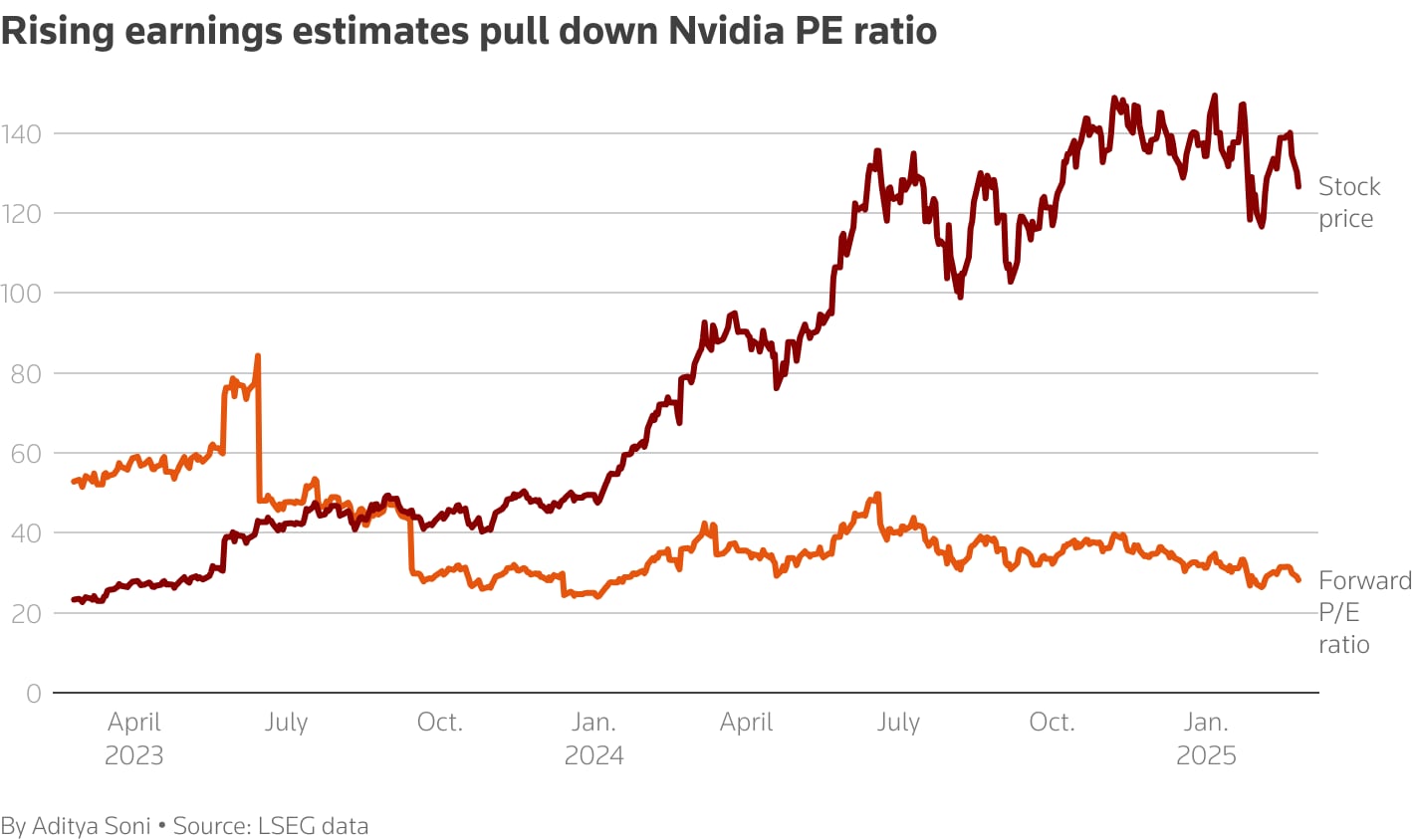
NVIDIA is widely regarded as a quintessential growth stock, making it an attractive option for investors seeking capital appreciation. Its consistent innovation and leadership in high-growth sectors have driven impressive revenue and earnings expansion over the years. The company’s deep penetration into critical markets like data centers (with its CUDA platform), gaming (with GeForce GPUs), and professional design and simulation provides multiple avenues for continued growth. For investors with a long-term horizon and a higher tolerance for volatility, NVIDIA can represent a significant allocation within a growth-oriented portfolio, offering exposure to the cutting edge of technological advancement.
Diversification and Sector Exposure
While NVIDIA operates in the “technology” sector, its diverse revenue streams provide exposure to several sub-sectors. An investment in NVIDIA is not just an investment in semiconductors; it’s an investment in the future of artificial intelligence, the metaverse, autonomous systems, and advanced digital content creation. This multi-faceted exposure can offer a degree of diversification within the tech sector itself, potentially cushioning against downturns in any single market segment. For a balanced portfolio, NVIDIA can complement more defensive holdings or provide a high-growth component alongside value stocks.
Considerations for Different Investor Profiles
NVIDIA appeals to a wide range of investor profiles, but the approach differs. Short-term traders might focus on the immediate volatility around earnings, employing technical analysis and options strategies. Swing traders might ride the momentum post-earnings for a few weeks. Long-term buy-and-hold investors, however, are more interested in the fundamental strength, consistent innovation, and long-term market trends that NVIDIA is positioned to capitalize on. For them, earnings reports are less about immediate price action and more about validating or adjusting their long-term conviction. Regardless of the profile, understanding “when does NVIDIA earnings come out” and delving into the details of these reports is a fundamental exercise for anyone serious about managing their financial assets in the modern market.
aViewFromTheCave is a participant in the Amazon Services LLC Associates Program, an affiliate advertising program designed to provide a means for sites to earn advertising fees by advertising and linking to Amazon.com. Amazon, the Amazon logo, AmazonSupply, and the AmazonSupply logo are trademarks of Amazon.com, Inc. or its affiliates. As an Amazon Associate we earn affiliate commissions from qualifying purchases.