
In an increasingly digitized world, the seemingly simple question, “what is my age?” transcends a mere chronological query. It transforms into a complex interplay of data points, algorithms, and digital footprints, with technology at its core. From how we input our birthdates into online forms to sophisticated AI attempting to infer our demographic profiles, age has become a pivotal piece of information that shapes our digital experiences, influences access to services, and even defines our online identities. This article delves into the technological mechanisms that process, determine, and utilize age, exploring its implications for privacy, personalization, and the very fabric of our digital existence.
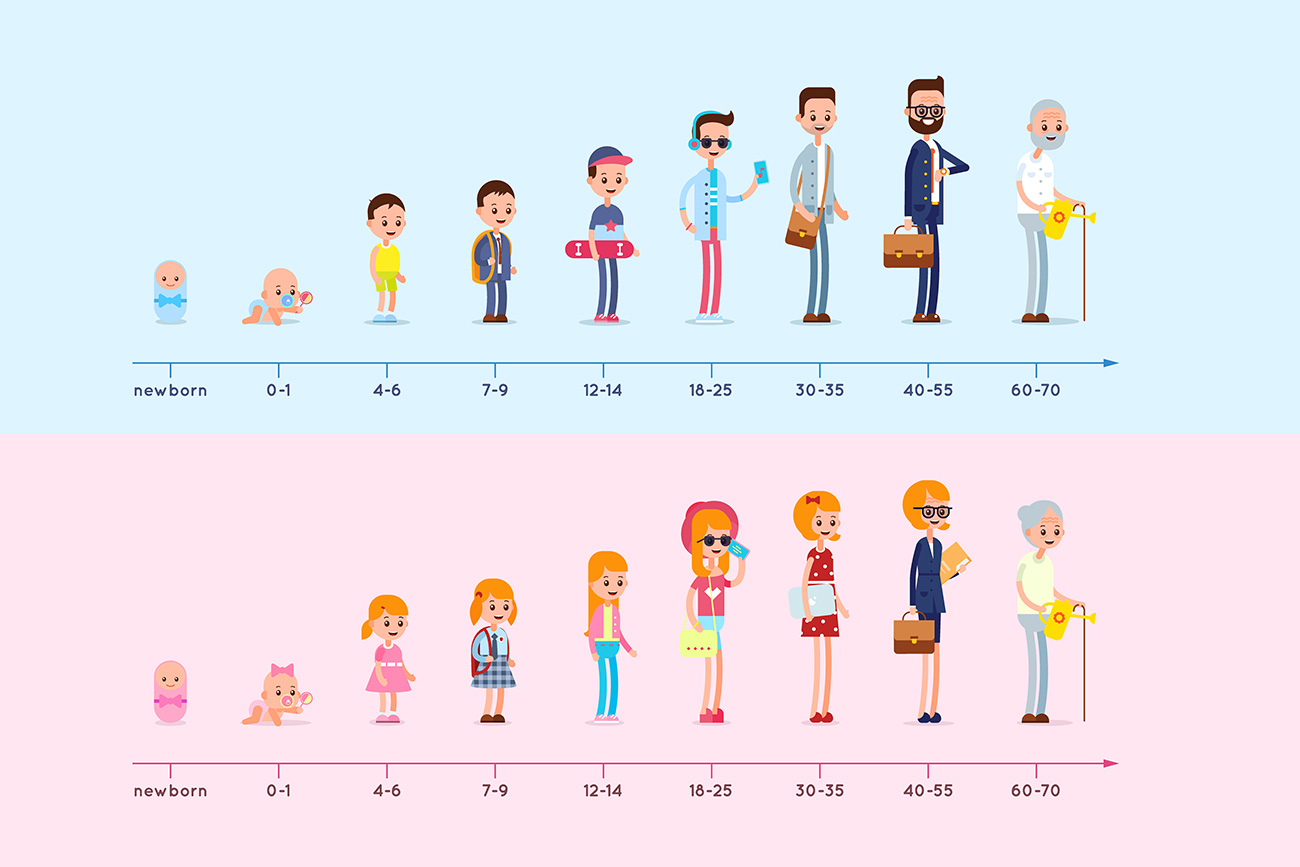
“What is My Age?”: The Digital Inquiry and Its Implications
The question “what is my age?” might once have been a straightforward answer derived from a birth certificate. Today, however, its digital counterpart is far more nuanced. It reflects a user’s interaction with myriad systems that demand, deduce, or otherwise engage with this fundamental personal identifier. The methods through which technology attempts to answer this query range from the explicit to the highly inferential, each carrying its own set of implications for individuals and society.
The Ubiquitous Search for Personal Data
Every corner of the internet, it seems, has an interest in knowing your age. Social media platforms, e-commerce sites, streaming services, and even productivity tools often request or require age information during signup. This data is ostensibly used for age-gating content, complying with legal regulations (like COPPA in the US or GDPR in Europe), tailoring user experiences, and segmenting advertising. For users, providing this information is often a prerequisite for accessing desired digital spaces, making the declaration of one’s age a foundational step in establishing a digital presence. However, the ease with which this information is shared belies the potential risks associated with its aggregation and misuse.
From Manual Input to Automated Discovery
While manually entering one’s date of birth remains the most common way for systems to acquire age data, the technological landscape is rapidly evolving towards more automated and often invisible methods of discovery. Digital systems are becoming increasingly adept at inferring age from a variety of passive data points, a trend driven by advancements in artificial intelligence and machine learning. This shift moves the locus of “knowing your age” from a conscious user input to an algorithmic deduction, raising important questions about transparency, accuracy, and consent in the digital age. This automation fuels a new era where your age isn’t just something you tell a system, but something it actively tries to figure out about you, often without your direct knowledge or explicit permission.
AI’s Gaze: How Algorithms Estimate and Infer Age
The frontier of age determination is now firmly in the hands of artificial intelligence. Beyond simple data entry, sophisticated algorithms are being developed and deployed to estimate an individual’s age based on a growing array of digital cues. This capability has profound implications for a multitude of applications, from personalized content delivery to advanced security measures.
Facial Recognition and Age Prediction
One of the most prominent applications of AI in age estimation is through facial recognition technology. Algorithms trained on vast datasets of faces at different ages can analyze subtle features, wrinkles, skin texture, and even bone structure to predict a person’s age. Services like Microsoft Azure’s Face API or various open-source libraries offer functionalities to estimate age from an uploaded image. While impressive, these systems are not without their flaws. Accuracy can vary significantly based on lighting, camera quality, ethnicity, and even expressions. Moreover, they often struggle with individuals outside the typical age range represented in their training data, leading to biases and inaccuracies that can have real-world consequences, such as misidentifying minors or discriminating against older individuals.
Behavioral Patterns and Demographic Inference
Beyond visual cues, AI can infer age from digital behavioral patterns. The types of websites visited, apps used, search queries, social media interactions, purchasing habits, and even language patterns in text can all provide clues about a user’s demographic profile, including their age. For example, a propensity for certain gaming genres or educational apps might suggest a younger user, while engagement with financial planning tools or travel packages could indicate an older demographic. This form of inference, often unseen by the user, powers much of the targeted advertising and content personalization we encounter online, creating a digital echo chamber tailored, in part, to an algorithm’s best guess of our age.
The Accuracy vs. Bias Debate
The increasing reliance on AI for age estimation brings with it a critical debate surrounding accuracy and bias. While algorithms are continuously improving, they are only as good as the data they are trained on. If training datasets lack diversity, they can perpetuate and amplify existing societal biases. For instance, an algorithm trained predominantly on younger, fairer skin tones might perform poorly on older individuals or people of color, leading to systematic misjudgments. The ethical implications of such biases are significant, particularly when these systems are used for access control, law enforcement, or critical decision-making processes. Ensuring fairness, transparency, and regular auditing of these AI systems is paramount to mitigate potential harms and ensure equitable treatment across all age groups.
Age Verification in the Digital Frontier: Securing Access and Compliance
The necessity to verify age online extends far beyond personalized ads. It is a critical component of regulatory compliance and responsible digital citizenship, particularly concerning access to age-restricted content and services. Technology is constantly evolving to meet these demands, grappling with the twin challenges of robust security and user privacy.
Regulatory Demands and Industry Solutions
Governments worldwide have enacted laws to protect minors from harmful online content and practices. Regulations such as the Children’s Online Privacy Protection Act (COPPA) in the United States, the General Data Protection Regulation (GDPR) in Europe, and various national laws addressing online gambling or alcohol sales, mandate robust age verification mechanisms. In response, industries have developed a range of solutions, from simple self-declaration pop-ups (which are often easily bypassed) to more sophisticated methods. These include credit card verification (as minors typically don’t have them), mobile network operator data checks, and even facial age estimation technology integrated into online platforms. The goal is to create friction for underage users while maintaining a relatively seamless experience for adults.
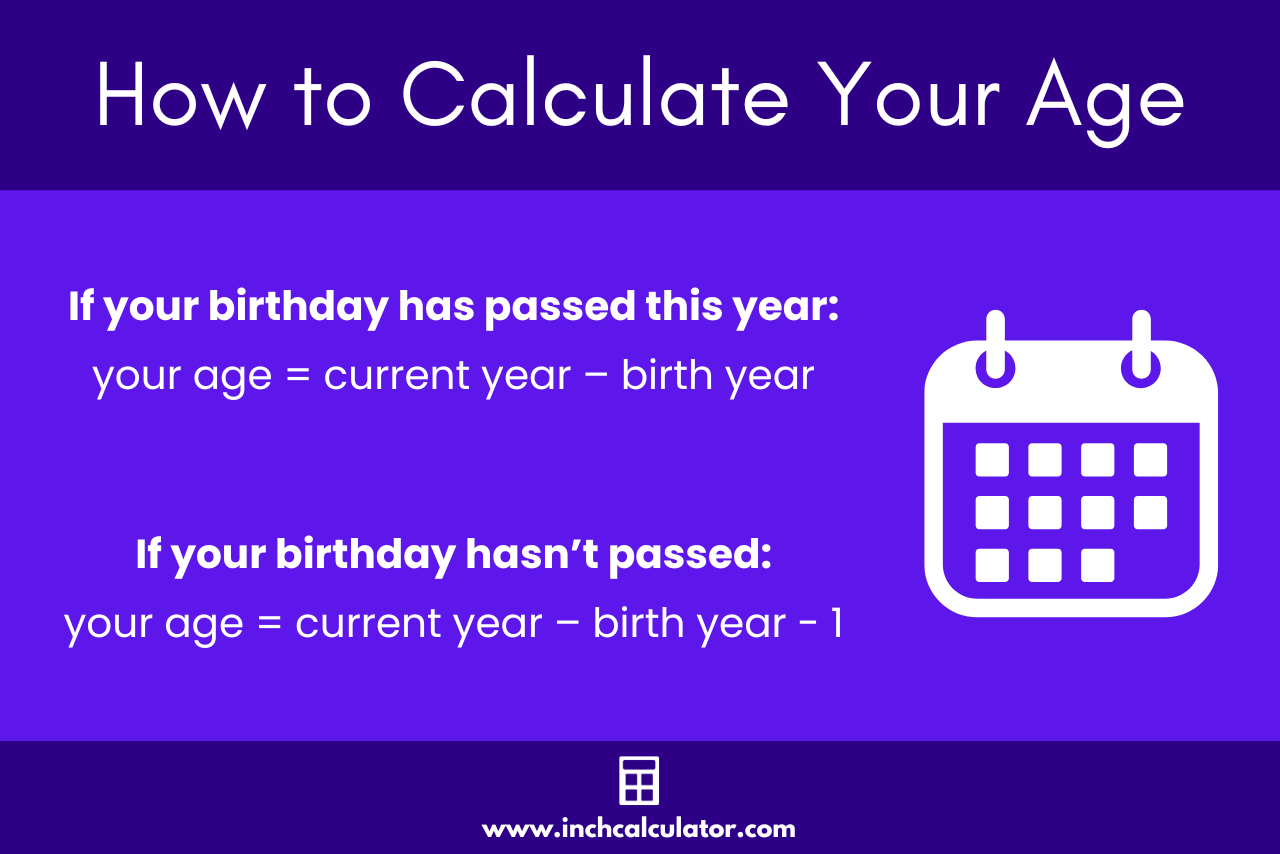
Challenges in Implementation: Privacy, Security, and User Experience
Implementing effective age verification is fraught with challenges. The most significant is balancing the need for accuracy and security with user privacy and convenience. Highly intrusive methods that demand sensitive personal documents (like passports or driver’s licenses) raise privacy concerns and can deter legitimate users. Conversely, overly simplistic methods are ineffective. Furthermore, the storage and processing of verification data present security risks; a breach could expose sensitive personal information. The user experience is also a key consideration: cumbersome verification processes can lead to abandonment, while overly lax ones fail their protective purpose. Developers continually seek innovative solutions that are both effective and user-friendly without compromising privacy or security.
Emerging Technologies for Reliable Age Gating
The future of age verification lies in developing less intrusive yet highly reliable technologies. Zero-knowledge proof systems, for example, allow users to prove they are over a certain age without revealing their exact birth date or other identifying information. Decentralized identity solutions using blockchain technology could enable individuals to manage their verifiable credentials, including age, and selectively share proof of age without relying on a central authority. Biometric methods, increasingly sophisticated, are being explored for passive age estimation that could potentially discern age ranges without explicit identity checks. These emerging technologies promise a future where age verification is more secure, private, and seamlessly integrated into the digital experience, better protecting vulnerable populations while preserving individual autonomy.
Age as a Data Point: Personalization, Monetization, and Ethical Use
Beyond verification, age is one of the most valuable data points for technology companies. It informs personalization strategies, drives advertising revenue, and shapes the digital products and services we consume. Understanding how age data is utilized reveals the intricate relationship between user information, business models, and the ethical responsibilities of tech innovators.
Tailoring Experiences: From Content to Commerce
Age is a cornerstone of personalization algorithms. Streaming services recommend content based on presumed age-appropriate interests; e-commerce platforms display products relevant to different life stages; and news aggregators filter information based on likely generational perspectives. This tailoring aims to enhance user engagement and satisfaction, making digital platforms feel more intuitive and relevant. For example, a teenager might see ads for gaming consoles and fashion trends, while someone in their 50s might be shown investment opportunities or travel packages. This level of customization, driven by inferred or explicit age data, fundamentally shapes our individual digital landscapes.
The Business of Age-Targeting
For businesses, age-targeting is a powerful marketing tool. Advertisers pay a premium to reach specific age demographics, believing that age correlates strongly with purchasing power, lifestyle, and consumer preferences. Tech platforms facilitate this by allowing advertisers to micro-target users based on age, among other characteristics. This monetization of age data is a significant revenue stream for many digital services, funding the “free” access users enjoy. However, this business model raises questions about data ownership, consent, and the potential for manipulative advertising practices, particularly when targeting younger or more vulnerable populations.
Navigating the Ethical Landscape of Age Data
The extensive collection and use of age data necessitate a rigorous examination of ethical boundaries. Concerns include the potential for discrimination (e.g., ageism in job advertising), privacy breaches (especially when age is combined with other sensitive data), and the exploitation of behavioral patterns specific to certain age groups. Tech companies bear a substantial responsibility to use age data transparently, ethically, and in compliance with privacy regulations. This includes implementing robust data anonymization techniques, offering clear opt-out mechanisms, and continuously assessing the societal impact of their age-targeting algorithms. The imperative is to harness the benefits of personalization without infringing on individual rights or fostering discriminatory practices.
Reimagining Age: Digital Identity, Longevity, and the Future of Self
As technology continues to advance, its interaction with the concept of age will only deepen, influencing not just how we are perceived online but also how we experience our own aging and digital longevity. The future promises a more fluid, technologically mediated understanding of age and identity.
The Fluidity of Digital Persona
In the digital realm, age can be both fixed and fluid. While our chronological age remains constant, our digital persona can be shaped and presented in myriad ways. Avatars, online profiles, and social media interactions allow for a degree of age-agnosticism or even selective age presentation. This fluidity challenges traditional notions of identity, offering opportunities for individuals to connect based on interests and values rather than strictly defined demographics. Technology, therefore, empowers us to curate our “digital age,” presenting ourselves in ways that align with our aspirations rather than solely our birth year.
Technology’s Role in Age-Related Health and Wellness
Technology is also playing an increasingly vital role in helping us manage and improve our physical and cognitive well-being as we age. Wearable devices monitor vital signs, track activity levels, and detect falls, providing crucial data for proactive health management. AI-powered diagnostics assist in early detection of age-related diseases, while virtual reality offers therapeutic interventions for cognitive decline. Telemedicine and remote monitoring technologies allow older adults to maintain independence and access healthcare from home. In essence, technology is not just asking “what is my age?” but “how can I help you thrive at your age?”

Crafting a Future-Proof Digital Self
As we move forward, understanding how technology interprets and utilizes age is crucial for crafting a future-proof digital self. This involves actively managing our digital footprint, understanding privacy settings, and being aware of how our data is used for targeting and personalization. It also means advocating for ethical AI development and data governance that respects individual autonomy across all age groups. The question “what is my age?” evolves from a simple factual query to a complex philosophical and practical challenge: how do we navigate a digital world that constantly seeks to define us by our age, while simultaneously empowering us to transcend its limitations? The answer lies in a conscious and informed engagement with the technologies that shape our digital identities.
aViewFromTheCave is a participant in the Amazon Services LLC Associates Program, an affiliate advertising program designed to provide a means for sites to earn advertising fees by advertising and linking to Amazon.com. Amazon, the Amazon logo, AmazonSupply, and the AmazonSupply logo are trademarks of Amazon.com, Inc. or its affiliates. As an Amazon Associate we earn affiliate commissions from qualifying purchases.