
The question “When did Tesla start selling cars?” goes far beyond a simple date on a calendar. It encapsulates the genesis of a revolutionary brand, a carefully orchestrated entry into a venerable industry, and the deliberate construction of an identity that would ultimately redefine automotive paradigms. For Tesla, launching its first vehicle wasn’t merely about putting a product on the market; it was about unveiling a philosophy, a vision for sustainable transportation, and a bold new approach to automotive branding that challenged a century of established norms. Understanding the timeline of Tesla’s initial sales is critical to appreciating its unique brand journey, from a niche startup to a global powerhouse.
The Genesis of an Automotive Vision: From Concept to First Sales
Tesla’s story began not with a car, but with an ambitious idea: to accelerate the world’s transition to sustainable energy. This foundational vision laid the groundwork for a brand identity rooted in innovation, environmental responsibility, and audacious engineering. The eventual sales of its first cars were the tangible manifestation of this audacious goal.
Laying the Groundwork: The Tesla Motors Formation (2003-2004)
Tesla Motors was incorporated in July 2003 by Martin Eberhard and Marc Tarpenning, who harbored a dream of creating an electric sports car that wouldn’t compromise on performance. Elon Musk’s significant investment in February 2004, making him chairman and the largest shareholder, injected both capital and a heightened sense of mission. From these early days, the brand’s core tenets began to take shape: a focus on advanced battery technology, a commitment to electric vehicles at a time when they were largely dismissed, and an unshakeable belief in the potential for EVs to outperform internal combustion engine cars. The brand was conceptualized not just as an automaker, but as a technology company with a distinct purpose, setting it apart from traditional manufacturers even before a single car was sold. This early period was crucial for defining the corporate identity that would guide all future product development and marketing efforts.
The Roadster: A Bold Brand Statement and Initial Market Entry (2006-2008)
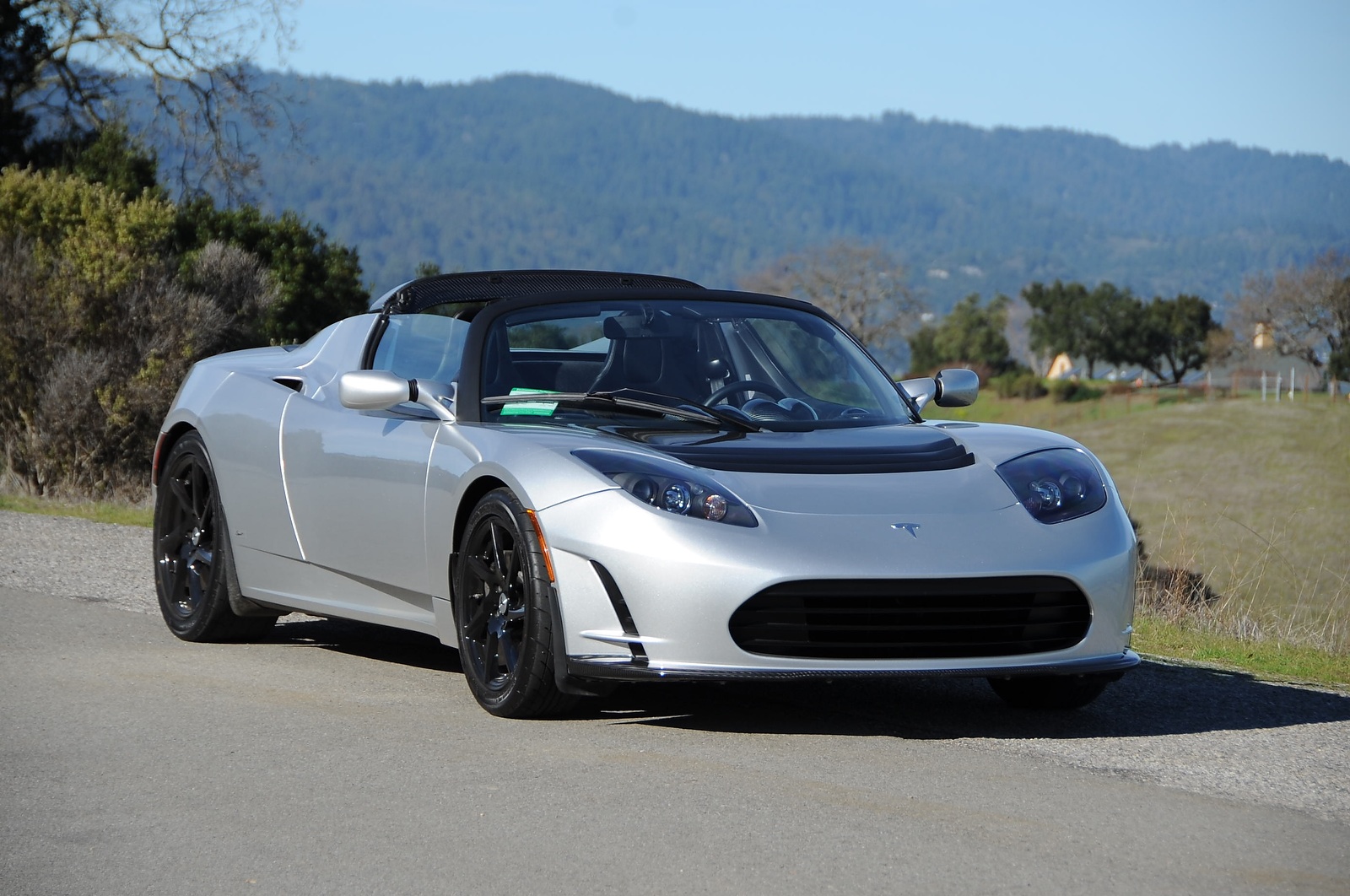
Tesla’s inaugural vehicle, the Roadster, was publicly unveiled in July 2006. This wasn’t merely an electric car; it was a powerful brand statement. Priced at over $100,000, and capable of 0-60 mph in under four seconds, it shattered preconceptions that electric vehicles were slow, ugly, or impractical. The Roadster was designed to be a desirable, high-performance luxury item, targeting early adopters and affluent consumers who could appreciate its technological prowess and environmental message.
Reservations for the Roadster began almost immediately after its unveiling, signaling strong interest from a select, forward-thinking demographic. However, the official start of customer deliveries – the true measure of when Tesla began selling cars – occurred on February 1, 2008. This date marks a pivotal moment in automotive history. The first production Roadster was delivered to Elon Musk, with deliveries to other customers following shortly thereafter.
The Roadster served as Tesla’s initial brand projection: exclusive, high-tech, and performance-oriented. It was a halo product designed to generate excitement, establish credibility, and demonstrate that EVs could be thrilling and luxurious. Its limited production run (around 2,500 units worldwide) meant it wasn’t a mass-market play, but a strategic branding exercise. It successfully positioned Tesla not as a struggling startup, but as a disruptive innovator capable of producing a world-class performance vehicle, thereby laying a vital foundation for its future brand expansion.
Redefining the Automotive Brand: Beyond the Dealership Model
From its very inception, Tesla challenged not only what an electric car could be but also how an automotive brand should engage with its customers. Its approach to sales was as revolutionary as its vehicles, fundamentally altering the traditional buyer-seller dynamic and further solidifying its unique corporate identity.
Direct-to-Consumer: A Revolutionary Sales Strategy
One of Tesla’s most significant departures from automotive industry norms was its decision to forego the traditional independent dealership model. Instead, Tesla opted for a direct-to-consumer sales approach, a strategy more common in technology and luxury goods than in the car industry. This decision was not merely operational; it was a cornerstone of Tesla’s brand strategy. By selling directly online and through company-owned stores, Tesla gained complete control over the customer experience, from initial inquiry to final delivery and after-sales service.
This direct model allowed Tesla to maintain consistent brand messaging, control pricing (eliminating dealer markups), and ensure that every interaction with the brand reflected its values of innovation, transparency, and a premium experience. It fostered a sense of exclusivity and direct connection with the manufacturer, which resonated deeply with its target audience. The absence of traditional sales haggling and the streamlined purchase process became defining characteristics of the “Tesla way,” reinforcing its brand image as forward-thinking and customer-centric. This bold move was a powerful statement about its corporate identity, positioning Tesla as an innovator not just in product, but in business model.
Showrooms as Experience Centers: Marketing a Vision
Tesla’s retail spaces, strategically located in high-traffic urban areas and shopping malls, were designed to be more than just sales points; they were immersive brand experience centers. Unlike the often bustling and transaction-focused environments of traditional car dealerships, Tesla showrooms offered a minimalist, modern, and educational atmosphere. These spaces allowed potential customers to explore the vehicles, learn about EV technology, and interact with knowledgeable “Product Specialists” who focused on education rather than aggressive sales tactics.

This approach was a masterful stroke of marketing and brand building. The showrooms provided a tangible touchpoint for a brand that was, for many, still an abstract concept. They allowed customers to experience the premium design, advanced technology, and unique interface of Tesla vehicles in a relaxed setting. By presenting its cars in an environment akin to an Apple Store, Tesla aligned itself with the tech industry’s sleek aesthetic and customer-focused approach, further differentiating its brand from legacy automakers. These experience centers were crucial in translating Tesla’s visionary narrative into a tangible, desirable reality for a growing customer base, turning skeptics into enthusiasts and solidifying its image as a modern, premium lifestyle brand.
Scaling the Brand: From Niche Luxury to Mass-Market Disruption
While the Roadster initiated Tesla’s sales journey and established its performance credentials, it was the subsequent models that truly allowed the brand to scale, broaden its appeal, and transition from a niche luxury player to a genuine force in the global automotive market. This expansion was critical for building a lasting brand legacy.
The Model S: Broadening Brand Appeal and Market Footprint (2012 onwards)
The launch of the Model S in June 2012 marked a profound turning point for Tesla’s brand. While the Roadster proved that an EV could be desirable, the Model S aimed for a broader, yet still premium, market segment. It was a full-size luxury sedan, designed from the ground up to be a superior electric vehicle, offering unparalleled range, blistering performance, and a revolutionary user interface centered around a large touchscreen.
The Model S wasn’t just another car; it was designed to be the car that proved electric vehicles could be genuinely better than their gasoline counterparts. Its sleek design, sophisticated technology, and impressive safety ratings resonated with a wider demographic of affluent buyers, including those who had never considered an EV before. The Model S significantly expanded Tesla’s market footprint and cemented its brand identity as a leader in automotive innovation. It demonstrated that Tesla was not a one-hit wonder but a serious contender capable of producing compelling, high-volume luxury vehicles. This model’s success shifted the brand perception from an exclusive curiosity to a legitimate luxury automotive challenger, effectively disrupting the established pecking order.
The Model X and Model 3: Solidifying Brand Dominance
Following the Model S, Tesla continued to strategically expand its product line, each new model designed to tap into a different market segment and further solidify its brand dominance. The Model X, an all-electric SUV launched in 2015, carried forward the brand’s luxury and performance ethos into a more versatile family vehicle, notable for its distinctive “falcon wing” doors and advanced features.
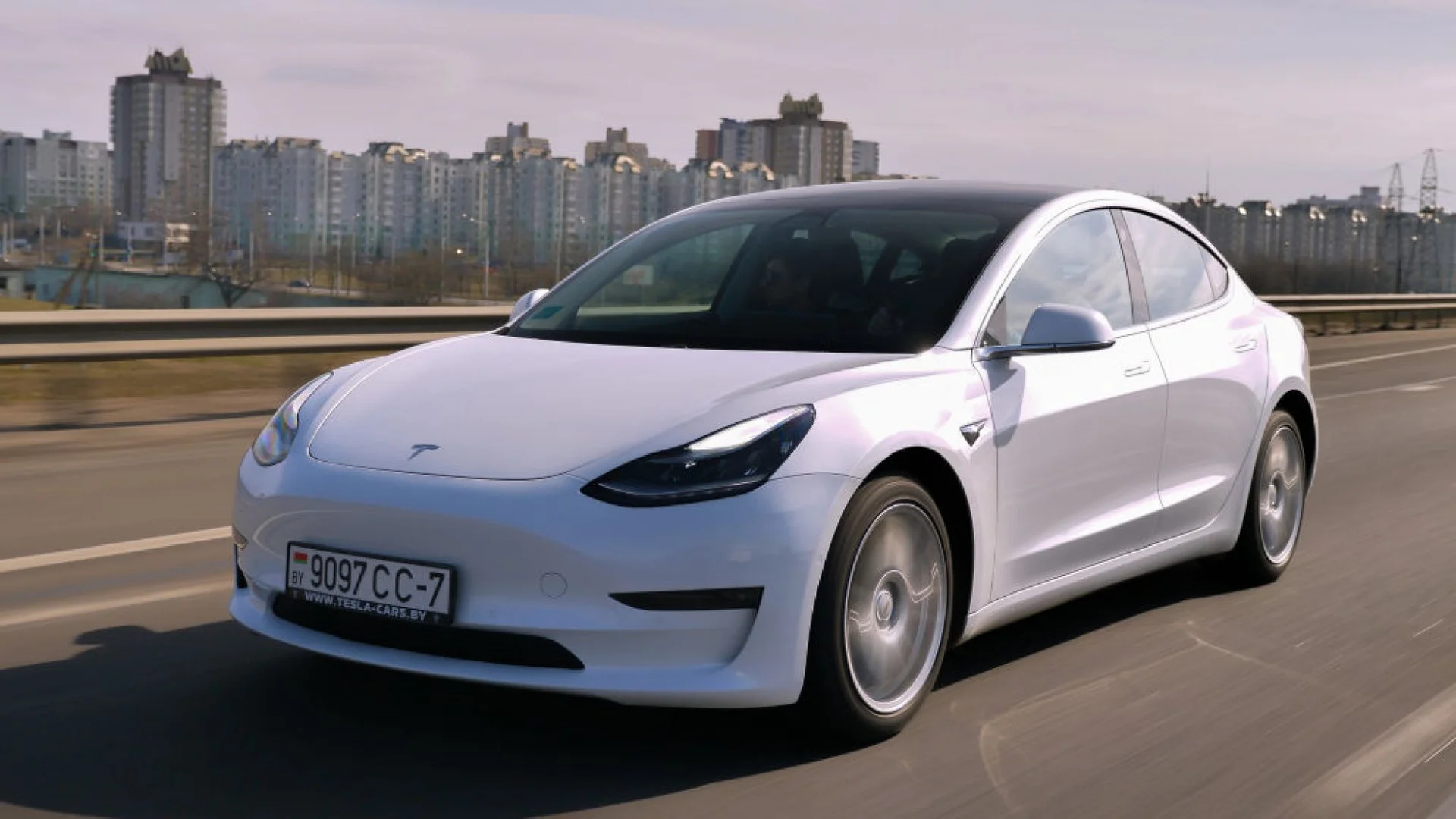
However, it was the Model 3, unveiled in 2016 with deliveries starting in late 2017, that was truly pivotal for Tesla’s long-term brand strategy. Positioned as a more affordable, mass-market electric vehicle, the Model 3 was crucial for scaling production and making Tesla’s vision accessible to a much broader audience. Its immense demand, evidenced by hundreds of thousands of pre-orders, indicated a powerful brand pull and a widespread readiness for electric vehicles. By democratizing access to its technology and design, the Model 3 successfully transitioned Tesla from a luxury brand to a more mainstream, yet still aspirational, automotive brand. These subsequent models collectively diversified Tesla’s product portfolio and ensured its brand values—innovation, performance, sustainability, and unique design—remained consistent across different price points and vehicle types.
The Lasting Brand Impact: A Legacy Forged in Early Sales
The period when Tesla started selling cars, and its subsequent strategic product launches, did more than just introduce new vehicles; it forged a brand legacy that continues to influence the global automotive landscape. Tesla’s early sales activities were foundational acts in building one of the most recognized and influential brands of the 21st century.
Disrupting Established Norms: The “Tesla Effect”
Tesla’s entry into the market, marked by the Roadster’s sales in 2008 and the Model S’s breakthrough in 2012, created what has been dubbed the “Tesla Effect.” This effect forced traditional automakers, who had largely dismissed electric vehicles as niche or impractical, to rapidly accelerate their own EV development plans. Tesla’s success in selling desirable electric cars, coupled with its innovative direct-to-consumer sales model, challenged established norms and compelled competitors to rethink their product strategies, manufacturing processes, and even their marketing approaches.
The brand became synonymous with innovation and the future of mobility. Its initial sales demonstrated a viable market for premium electric vehicles, proving that consumers were willing to pay for cutting-edge technology and sustainable options. This disruption wasn’t just technological; it was a profound shift in brand perception and industry direction, making Tesla a benchmark against which all new electric vehicles are measured. Tesla’s sales figures, particularly for the Model S, provided undeniable proof that a new kind of automotive brand could not only survive but thrive by offering a superior electric product and a different purchasing experience.
Cultivating a Cult-Like Following: Brand Loyalty and Community
One of the most remarkable outcomes of Tesla’s early sales and brand-building efforts was the cultivation of an intensely loyal, almost cult-like, customer base. Early adopters of the Roadster and Model S became more than just customers; they became ardent brand advocates, evangelizing the Tesla experience to friends, family, and online communities. This organic word-of-mouth marketing, fueled by genuine enthusiasm and a shared vision for a sustainable future, was invaluable for a young brand.
Tesla’s commitment to over-the-air software updates, continuously improving its vehicles long after purchase, further cemented this loyalty. This post-purchase engagement reinforced the brand’s image as a technology company rather than just a car manufacturer, fostering a sense of belonging to a forward-thinking community. This strong brand loyalty, built from the ground up through innovative products and a unique customer relationship, continues to be a core asset. It has allowed Tesla to command premium pricing, generate massive pre-orders for new models, and maintain a powerful cultural presence that extends far beyond its market share. It’s a testament to how effectively Tesla built a brand that resonates deeply with its audience, turning sales transactions into long-term relationships.
In conclusion, the exact moment “when Tesla started selling cars” – with the first Roadster deliveries on February 1, 2008 – is far more than a historical footnote. It represents the crucial inaugural step in a meticulously crafted brand strategy. From its initial high-performance luxury statement with the Roadster to its expansion into broader markets with the Model S and Model 3, every sale was an affirmation of its disruptive brand identity. Tesla’s innovative direct-to-consumer model, its experiential showrooms, and its ability to cultivate fierce brand loyalty demonstrate that its journey was not merely about selling vehicles, but about strategically building and scaling a brand that would fundamentally alter the automotive landscape forever. The legacy of these early sales lies in their profound impact on corporate identity, marketing paradigms, and the very perception of what a car company could be.
aViewFromTheCave is a participant in the Amazon Services LLC Associates Program, an affiliate advertising program designed to provide a means for sites to earn advertising fees by advertising and linking to Amazon.com. Amazon, the Amazon logo, AmazonSupply, and the AmazonSupply logo are trademarks of Amazon.com, Inc. or its affiliates. As an Amazon Associate we earn affiliate commissions from qualifying purchases.