
The seemingly simple string of letters and numbers embossed on a tire’s sidewall is, in fact, a sophisticated technical code. It communicates critical specifications about the tire’s construction, dimensions, and performance capabilities. Among these various symbols, the letter ‘R’ holds a particularly significant meaning, denoting a fundamental aspect of modern tire engineering that revolutionized vehicle dynamics and safety. To fully appreciate its importance, one must delve into the technical underpinnings of tire design and the evolution of automotive technology.
The Anatomy of a Tire Size Designation
Before isolating the ‘R’, it’s crucial to understand the complete sequence of characters that form a typical tire size designation. This string is a universal language, adopted globally to ensure consistency and precision in tire manufacturing and selection. It’s a prime example of how complex technical specifications are condensed into an easily readable format for consumers and mechanics alike.
A Universal Language
Every tire on the road adheres to a standardized system, primarily the P-metric or Euro-metric system, which provides a wealth of information in a compact format. For instance, a common passenger car tire might display “P205/55R16 91V”. Each segment of this code provides a vital piece of technical data, from the tire’s intended vehicle type to its maximum speed rating. This technical shorthand allows for accurate fitment, ensuring that a vehicle receives tires engineered to match its design parameters for handling, load-bearing, and safety.
Deciphering the Sequence
A typical designation follows a predictable pattern:
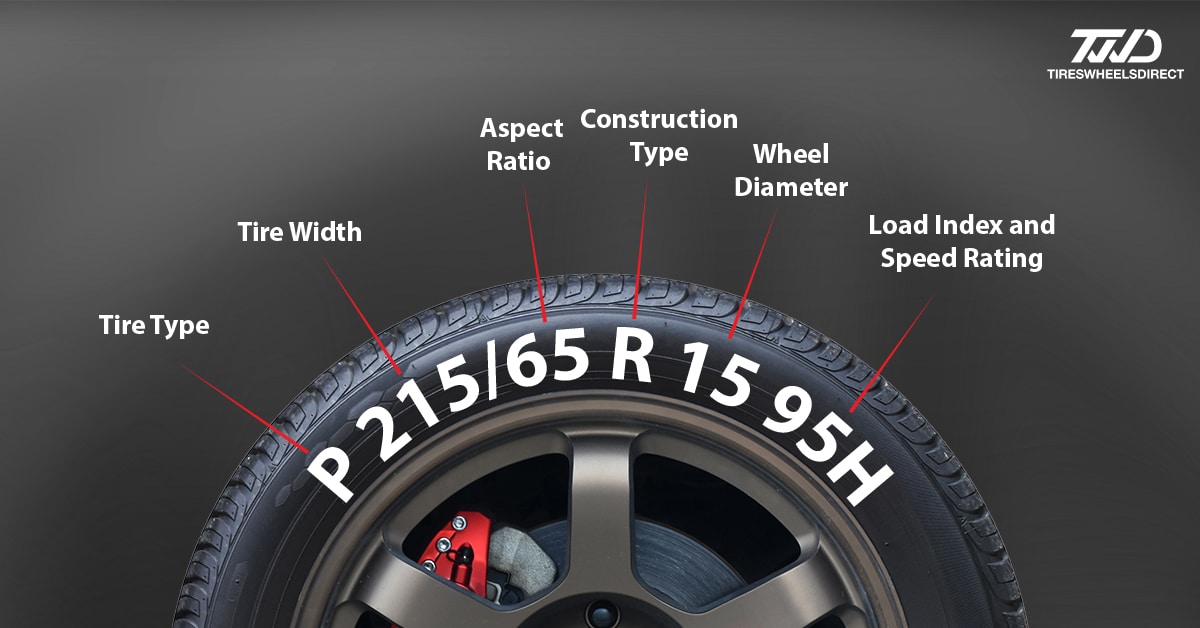
- Type of Tire (P or LT): Indicates if it’s for Passenger cars or Light Trucks. Sometimes omitted for Euro-metric tires.
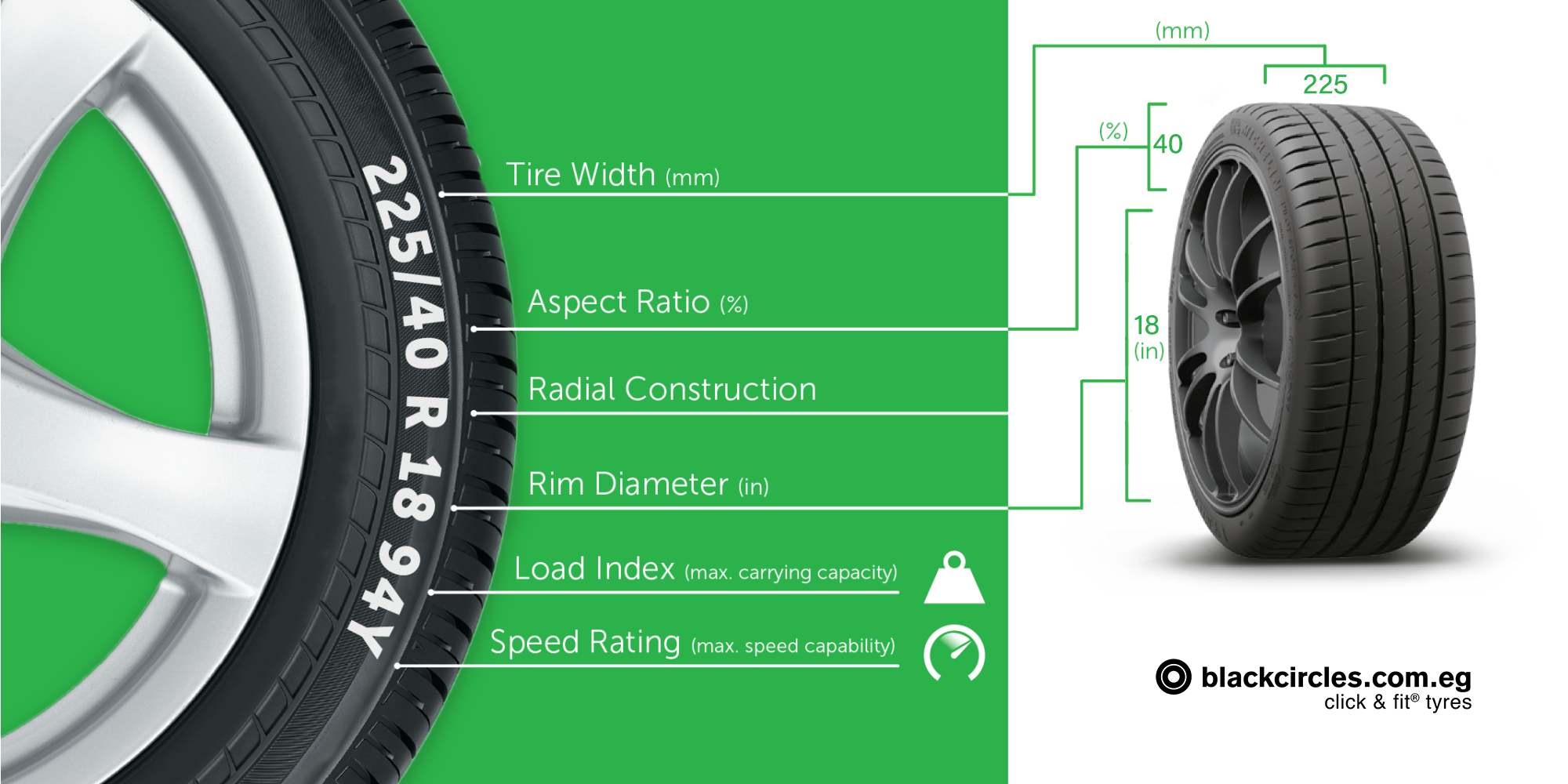
- Section Width (e.g., 205): The width of the tire in millimeters from sidewall to sidewall, when mounted on an approved rim and inflated.
- Aspect Ratio (e.g., 55): The height of the sidewall as a percentage of the section width. A lower number indicates a shorter sidewall.
- Construction Type (R): This is where our ‘R’ comes in, specifying the internal ply arrangement.
- Wheel Diameter (e.g., 16): The diameter of the wheel (rim) that the tire is designed to fit, measured in inches.
- Load Index (e.g., 91): A numerical code representing the maximum load capacity the tire can carry.
- Speed Rating (e.g., V): An alphabetic code indicating the maximum speed at which the tire can safely carry its rated load.
Each of these elements is a direct consequence of specific engineering decisions and material science applications, designed to meet rigorous performance standards.
Demystifying the ‘R’: Radial Construction Explored
The ‘R’ in a tire size designation stands for Radial. This single letter signifies a revolutionary leap in tire technology that fundamentally altered the automotive landscape. Radial tire construction became the dominant design globally due to its superior performance characteristics compared to earlier bias-ply designs.
From Bias-Ply to Radial: A Technological Leap
Prior to the widespread adoption of radial tires, most vehicles used bias-ply tires. In bias-ply construction, the cords (typically nylon, rayon, or polyester) run diagonally from bead to bead, crisscrossing each other in multiple layers. This overlapping design made the sidewall and tread interdependent; flexing of the sidewall would directly impact the tread, leading to less stable handling, higher rolling resistance, and faster wear.
The advent of radial technology, pioneered by Michelin in 1946, addressed these limitations. Instead of diagonal cords, radial tires feature plies that run radially across the tire from bead to bead, perpendicular to the direction of travel. Over these radial plies, stabilizing belts (often steel, sometimes fabric) are placed circumferentially under the tread. This separation of sidewall and tread functions is the core technological innovation.
How Radial Tires Are Constructed
The construction of a radial tire is a marvel of material science and engineering:
- Carcass Plies: These layers of fabric cords (polyester or rayon) are laid in an arc from one bead wire to the other, forming the structural skeleton. They are oriented at a 90-degree angle to the direction of travel. This radial arrangement allows the sidewalls to flex more independently than the tread.
- Bead Wires: Steel wires form the inner edge of the tire, anchoring it to the wheel rim.
- Belts: Typically made of high-tensile steel cord (though sometimes nylon or aramid), these layers are placed circumferentially over the carcass plies, directly beneath the tread. They are laid at low angles to the direction of travel, creating a stiff, stable foundation for the tread. This belt package is critical for maintaining the tread’s flatness against the road.
- Tread: The outermost layer, made of synthetic and natural rubbers, is designed for grip, wear resistance, and water dispersion.
- Sidewall: Composed of flexible rubber, it protects the carcass plies and provides cushioning. Its independent flexing is a key advantage of radial design.
- Inner Liner: A thin, airtight rubber layer that prevents air from escaping the tire.
This layered, multi-material design showcases advanced composite engineering, where each component plays a specific role in the tire’s overall performance.
Advantages of Radial Technology
The technical superiority of radial tires translated into numerous benefits that quickly made bias-ply designs obsolete for most applications:
- Improved Handling and Stability: Because the tread and sidewall function more independently, the tread remains flatter on the road surface, providing a larger and more consistent contact patch. This significantly enhances grip, cornering stability, and steering response.
- Reduced Rolling Resistance: The independent sidewall flexing means less energy is lost to internal friction as the tire rolls. This leads to better fuel efficiency – a critical factor in automotive engineering and sustainability.
- Longer Tread Life: The stiffer tread package and more uniform contact with the road result in less tread squirm and more even wear, extending the tire’s lifespan.
- Greater Puncture Resistance: The steel belts beneath the tread provide an additional layer of protection against punctures.
- Enhanced Ride Comfort: The flexible sidewalls of radial tires absorb road imperfections more effectively, leading to a smoother, more comfortable ride.
- Better Heat Dissipation: Radial construction generates less heat than bias-ply, improving durability and reducing the risk of blowouts, especially at higher speeds.
These technical advantages collectively represent a significant advancement in vehicular performance and safety, directly attributable to the radial design indicated by the ‘R’.
Beyond the ‘R’: Other Critical Tire Size Elements
While the ‘R’ is foundational, the other elements in the tire size code are equally important for comprehensive technical understanding and proper tire selection. Each number and letter is a precise engineering specification.
Section Width (P/LTXXX)
The three-digit number, e.g., ‘205’ in P205/55R16, represents the tire’s section width in millimeters. This is the measurement of the tire from its widest point of the outer sidewall to the widest point of the inner sidewall, assuming it’s mounted on its designated measuring rim and inflated to a specific pressure. This dimension directly influences a vehicle’s traction characteristics and its ability to fit within wheel wells without rubbing, particularly during turns or suspension compression.
Aspect Ratio (/YY)
Following the section width is a two-digit number, e.g., ’55’. This is the aspect ratio, expressed as a percentage. It describes the tire’s sidewall height relative to its section width. An aspect ratio of 55 means the sidewall height is 55% of the 205mm section width. Lower aspect ratios signify shorter sidewalls, which typically provide sharper steering response and better handling due to reduced sidewall flex, often found on performance vehicles. Conversely, higher aspect ratios mean taller sidewalls, which generally offer a more comfortable ride and greater load-carrying capacity, common in SUVs or trucks.
Wheel Diameter (ZZ)
The final number before the load and speed ratings, e.g., ’16’, indicates the diameter of the wheel (rim) the tire is designed to fit, measured in inches. This is a critical compatibility specification; a tire must perfectly match the wheel diameter for proper mounting and safe operation. Mismatching can lead to improper sealing, tire damage, or dangerous blowouts.
Load Index and Speed Rating (LLX)
The two- or three-digit number (e.g., 91) is the Load Index, an engineering standard representing the maximum weight capacity a single tire can safely carry at its maximum inflation pressure. This is not the actual weight in pounds or kilograms but a reference number that corresponds to a specific load capacity on a standardized chart. The final letter (e.g., V) is the Speed Rating, denoting the maximum speed at which the tire can safely carry its rated load under specified conditions. These ratings are crucial for vehicle safety and performance, ensuring the tires can withstand the forces generated by the vehicle’s weight and speed.
Why Understanding Tire Size is Crucial for Performance and Safety
Ignoring the technical details encoded in a tire size can have profound implications for a vehicle’s performance, safety, and operational costs. Each component of the tire designation is engineered for a specific purpose, and deviations from the manufacturer’s recommended specifications can compromise the vehicle’s intended dynamics.
Optimal Vehicle Performance
Vehicle manufacturers spend countless hours engineering suspension systems, steering geometry, and braking capabilities to work harmoniously with specific tire sizes and types. Changing tire dimensions, even slightly, can alter the vehicle’s handling characteristics, acceleration, braking distances, and even the accuracy of the speedometer/odometer. Maintaining the correct radial construction, width, and aspect ratio ensures the vehicle performs as designed, providing predictable handling and optimal ride quality.
Safety Considerations
Safety is paramount, and tires are the sole point of contact between the vehicle and the road. Incorrect tire sizes can lead to dangerous situations:
- Reduced Traction: Mismatched aspect ratios or widths can reduce the tire’s contact patch or alter its pressure distribution, leading to diminished grip, especially in adverse weather conditions.
- Overloading: A tire with an insufficient load index can become dangerously overloaded, leading to excessive heat buildup, ply separation, and sudden tire failure, increasing the risk of accidents.
- Overheating: Incorrect speed ratings for a vehicle’s intended use can cause tires to overheat, leading to tread separation or blowouts, particularly at highway speeds.
- Interference: Oversized tires might rub against fender wells or suspension components, causing damage to the tire and the vehicle, potentially leading to a sudden loss of control.
Longevity and Efficiency
Beyond immediate safety, correct tire selection impacts a vehicle’s long-term operational efficiency and the lifespan of the tires themselves. Tires that are not optimally suited for a vehicle may wear unevenly or prematurely, leading to more frequent and costly replacements. Furthermore, incorrect tire specifications, particularly those affecting rolling resistance, can lead to decreased fuel efficiency, impacting both personal finance and environmental footprint.
Technological Advancements in Tire Design
The ‘R’ for radial construction represents a past breakthrough, but tire technology continues to evolve, pushing the boundaries of material science, manufacturing processes, and integration with vehicle systems. Modern tires incorporate a host of advanced features, moving beyond basic construction to offer enhanced safety, performance, and intelligence.
Run-Flat Technology
Run-flat tires are a significant advancement, engineered with reinforced sidewalls or internal support rings that allow them to maintain their shape and vehicle support even after a puncture and complete loss of air pressure. This technology eliminates the immediate need to stop on the roadside for a tire change, allowing drivers to continue for a limited distance and speed to a safe service location. It’s a testament to ongoing innovation in tire safety and convenience.
Smart Tires and Sensors
The integration of smart technology into tires is rapidly gaining traction. Tires embedded with sensors (often part of Tire Pressure Monitoring Systems, or TPMS) can monitor not only air pressure but also temperature, tread wear, and even road conditions. These sensors transmit real-time data to the vehicle’s onboard computer or a driver’s smartphone, providing predictive maintenance alerts, optimizing tire performance, and enhancing safety. Future iterations are expected to communicate with autonomous driving systems, providing crucial data for vehicle control and navigation.

Sustainable Materials
With growing environmental awareness, significant research is dedicated to developing more sustainable and eco-friendly tire materials. This includes using recycled content, bio-based polymers, and natural rubber sourced through responsible forestry practices. The goal is to reduce the environmental impact of tire production and disposal, making tires not just high-performing but also environmentally conscious components of modern vehicles.
The ‘R’ on a tire sidewall is far more than just a letter; it is a symbol of engineering ingenuity, representing a foundational technology that transformed automotive safety and performance. Understanding its meaning, along with the other specifications, provides a deeper appreciation for the complex interplay of materials and design that keeps vehicles safely and efficiently on the road. As tire technology continues to advance, these seemingly small details will remain critical indicators of sophisticated engineering.
aViewFromTheCave is a participant in the Amazon Services LLC Associates Program, an affiliate advertising program designed to provide a means for sites to earn advertising fees by advertising and linking to Amazon.com. Amazon, the Amazon logo, AmazonSupply, and the AmazonSupply logo are trademarks of Amazon.com, Inc. or its affiliates. As an Amazon Associate we earn affiliate commissions from qualifying purchases.