
The question of “when did Bitcoin first come out” delves far deeper than a simple calendar date; it marks the inception of a paradigm shift in global finance, a direct challenge to centuries-old monetary systems, and the birth of an entirely new asset class. Bitcoin’s emergence wasn’t merely a technological release; it was a profound economic experiment launched in the crucible of a global financial crisis, designed to offer an alternative vision for money, independent of centralized authorities. Understanding its genesis is crucial for anyone seeking to grasp its current significance as a digital store of value, an investment vehicle, and a catalyst for financial innovation.

The Dawn of a Decentralized Dream: Bitcoin’s Inception
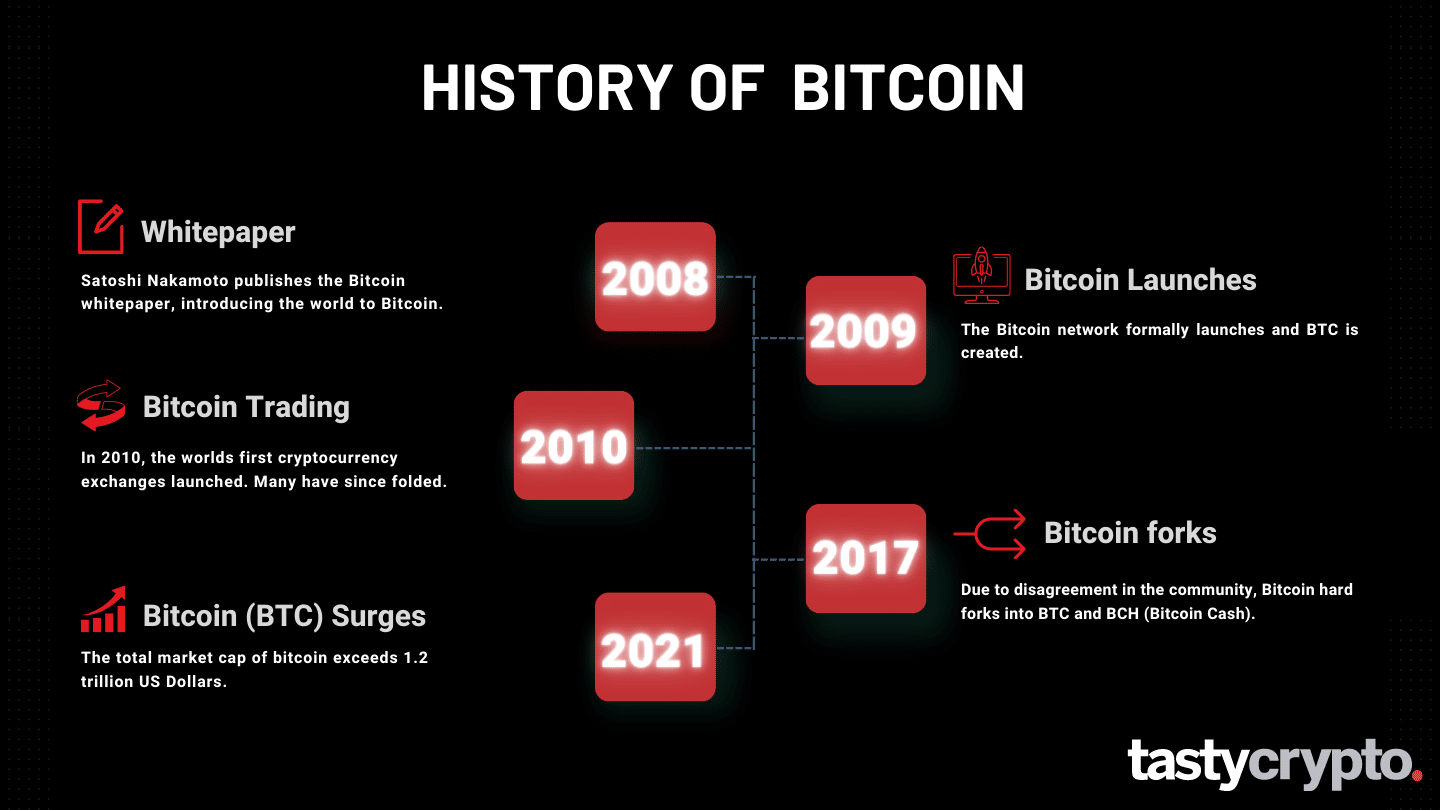
Bitcoin officially launched on January 3, 2009, when its anonymous creator, Satoshi Nakamoto, mined the genesis block – Block 0 – of the Bitcoin blockchain. This pivotal moment initiated the network and brought the first 50 Bitcoins into existence. However, the conceptual groundwork for Bitcoin was laid months prior, with the publication of its whitepaper, “Bitcoin: A Peer-to-Peer Electronic Cash System,” on October 31, 2008. This paper meticulously outlined the design for a decentralized digital currency, directly addressing the vulnerabilities exposed by the 2008 global financial meltdown. The timing was no coincidence; the world was reeling from the failures of traditional financial institutions, fostering an environment ripe for radical alternatives.
Satoshi Nakamoto’s Vision: A Peer-to-Peer Electronic Cash System
Satoshi Nakamoto’s whitepaper presented a revolutionary solution to the problem of trust in financial transactions. In a world where every digital payment relied on intermediaries like banks to verify transactions and prevent double-spending, Nakamoto proposed a system that would allow “online payments to be sent directly from one party to another without going through a financial institution.” This vision was not merely about technological efficiency; it was fundamentally about financial sovereignty and resilience. The core motivation was to create a monetary system immune to the arbitrary decisions of governments or the failures of large corporations.
The financial philosophy behind Bitcoin was rooted in Austrian economics and cypherpunk ideals. It sought to address the inflationary pressures of fiat currencies, the opaqueness of fractional reserve banking, and the inherent risks of centralized control over money supply. Bitcoin proposed a fixed, deflationary supply cap of 21 million coins, a stark contrast to central banks’ ability to print unlimited money. This scarcity, enforced by cryptographic proof and distributed consensus, was designed to make Bitcoin a superior store of value, akin to digital gold, capable of preserving purchasing power over time. It was an audacious financial proposition aimed at empowering individuals and democratizing access to secure, censorship-resistant money.
The Genesis Block and the Initial Halving: Setting the Monetary Policy
The message embedded within Bitcoin’s genesis block itself serves as a powerful testament to its financial motivations: “The Times 03/Jan/2009 Chancellor on brink of second bailout for banks.” This headline from The Times newspaper underscored the economic instability of the era and explicitly linked Bitcoin’s creation to the perceived failures of the traditional financial system. It was a clear statement of intent, positioning Bitcoin as a response to governmental overreach and institutional fragility.
From its very beginning, Bitcoin incorporated a predetermined and transparent monetary policy, a stark departure from the opaque and often politically influenced decisions of central banks. The initial reward for mining a block was 50 Bitcoins. This reward is programmatically halved approximately every four years, a process known as “halving.” This predictable reduction in the rate of new Bitcoin supply creation is a fundamental economic mechanism designed to ensure scarcity and emulate the diminishing returns of mining precious metals. It’s a crucial aspect of Bitcoin’s financial architecture, influencing its long-term value proposition and distinguishing it from inflationary fiat currencies. This built-in scarcity mechanism cemented Bitcoin’s status as a digitally scarce asset from day one, setting the stage for its future as a global financial instrument.
Early Days and the First Financial Transactions
In its earliest phase, Bitcoin was primarily a curiosity for a small group of cryptographers, computer scientists, and economic libertarians. It possessed virtually no monetary value in the traditional sense, existing as an abstract digital token. The process of mining was accessible to anyone with a home computer, and early adopters accumulated significant amounts of BTC with minimal effort. The concept of converting these digital tokens into real-world goods and services was still nascent, a theoretical possibility more than a practical reality. This period was crucial for testing the network’s resilience and proving the viability of a decentralized currency before it gained any significant financial traction.
The First Bitcoin Purchase: Pizza for 10,000 BTC
The story of the “Bitcoin Pizza” is legendary and perfectly illustrates Bitcoin’s journey from a valueless digital experiment to a globally recognized asset. On May 22, 2010, Laszlo Hanyecz, a programmer from Florida, famously purchased two Papa John’s pizzas for 10,000 Bitcoins. At the time, this transaction was purely an exchange of goodwill, facilitated by another Bitcoin enthusiast who paid $41 for the pizzas. This event marked the first real-world commercial transaction using Bitcoin, demonstrating its potential as a medium of exchange.
Looking back, that 10,000 BTC would be worth hundreds of millions of dollars today, making it perhaps the most expensive pizza purchase in history. This anecdote highlights the extreme volatility and rapid appreciation that characterize Bitcoin’s early financial life, showcasing how a seemingly insignificant transaction can become a monumental financial milestone. It also underscores the initial lack of consensus on Bitcoin’s value, which slowly began to form as more people recognized its potential and participated in its nascent market. The pizza purchase was a critical step in Bitcoin’s evolution from a theoretical construct to a practical financial tool, albeit one whose value was yet to be discovered by the broader market.
The Rise of Early Exchanges and Volatility
As interest in Bitcoin grew, so did the need for platforms where people could buy, sell, and trade it for traditional fiat currencies. The first significant Bitcoin exchange, Mt. Gox, was founded in July 2010. Initially a trading card game exchange, it pivoted to Bitcoin trading, becoming the dominant marketplace for years. These early exchanges were primitive by today’s standards, often lacking robust security and regulatory oversight. Their emergence, however, was vital for Bitcoin’s financial development, as they provided the necessary infrastructure for price discovery and liquidity.
The early market for Bitcoin was characterized by extreme volatility. Prices would swing wildly, sometimes by hundreds or even thousands of percentage points within days. This was due to several factors: a small market capitalization, low liquidity, speculation, and a lack of established financial models for valuing a completely new asset class. Early investors and traders faced immense risks but also saw unprecedented opportunities for wealth creation. These wild price swings, while terrifying for some, also drew significant attention to Bitcoin, attracting more users and capital, and slowly integrating it into the broader financial consciousness as a speculative, high-growth asset. The foundational period laid the groundwork for Bitcoin’s long and turbulent journey, from a niche curiosity to a global financial phenomenon.
Bitcoin’s Journey from Obscurity to Financial Mainstream
Bitcoin’s path from a niche technological experiment to a financial asset valued in the trillions has been anything but smooth. It has weathered significant storms, including major exchange failures and intense regulatory scrutiny, each event shaping its trajectory and solidifying its position in the global financial landscape. These challenges, rather than derailing Bitcoin, often served to strengthen its underlying resilience and catalyze its evolution, forcing necessary improvements in security, infrastructure, and understanding among investors and regulators alike.
The Mt. Gox Collapse and Regulatory Scrutiny: Growing Pains of a New Asset
One of the most defining and devastating events in Bitcoin’s early financial history was the collapse of Mt. Gox in early 2014. At its peak, Mt. Gox handled over 70% of all Bitcoin transactions globally. Its demise, precipitated by a massive hack that resulted in the loss of hundreds of thousands of Bitcoins and millions of dollars, sent shockwaves through the nascent crypto market. The price of Bitcoin plummeted, and investor confidence was severely shaken. The incident highlighted the significant risks associated with centralized exchanges and the need for robust security measures, insurance, and regulatory frameworks in the nascent digital asset space.
While devastating, the Mt. Gox collapse also served as a crucial learning experience for the broader crypto ecosystem. It spurred innovation in custodial solutions, cold storage, and decentralized exchanges. Regulators, initially unsure how to classify or supervise cryptocurrencies, began to pay serious attention, leading to increased discussions about consumer protection, anti-money laundering (AML), and know-your-customer (KYC) regulations. These growing pains, though financially damaging to many, were instrumental in maturing the Bitcoin market, pushing it towards greater transparency, security, and a more structured financial environment. It taught investors the critical importance of self-custody and diversification, lessons that remain central to sound crypto investment strategies today.
Growing Institutional Interest and Mainstream Acceptance

The mid-to-late 2010s marked a pivotal shift in Bitcoin’s perception, moving from an internet curiosity to a legitimate, albeit volatile, investment asset. This transformation was largely driven by increasing institutional interest. Major financial institutions, hedge funds, and publicly traded companies began to allocate capital to Bitcoin, recognizing its potential as a hedge against inflation, a diversified asset, and a “digital gold.” The launch of Bitcoin futures by CME Group in December 2017 provided regulated avenues for institutional participation, signaling a growing acceptance within traditional finance.
Furthermore, public companies like MicroStrategy and Tesla made significant corporate treasury allocations to Bitcoin, publicly endorsing its value proposition. This institutional validation not only brought substantial capital into the market but also lent credibility to Bitcoin as a serious financial asset. The emergence of Bitcoin exchange-traded funds (ETFs) in various jurisdictions, culminating in the approval of spot Bitcoin ETFs in the U.S. in early 2024, has further democratized access, allowing a wider range of retail and institutional investors to gain exposure through traditional brokerage accounts. This integration into mainstream investment vehicles signifies Bitcoin’s undeniable financial maturation and its acceptance as a part of a diversified investment portfolio.
Impact on Global Financial Systems and Future Outlook
Bitcoin’s emergence has had a profound and multifaceted impact on global financial systems. It has challenged the monopoly of central banks over money creation, inspiring a wave of innovation in decentralized finance (DeFi) and prompting governments to explore their own Central Bank Digital Currencies (CBDCs). Bitcoin has demonstrated a viable alternative for cross-border remittances, potentially lowering fees and increasing efficiency compared to traditional systems. For populations in countries with unstable currencies or limited access to banking services, Bitcoin offers a path to financial inclusion and a stable store of value, enabling greater financial sovereignty.
Looking ahead, Bitcoin continues to evolve. Its increasing adoption by nation-states (e.g., El Salvador) as legal tender, its growing network effect, and its proven resilience through multiple market cycles suggest a long-term role in the global financial architecture. While debates about its energy consumption, scalability, and regulatory future persist, Bitcoin has undeniably reshaped conversations about money, trust, and decentralization. Its journey from a simple concept to a global financial force is a testament to its innovative design and its ability to offer a compelling alternative in an ever-changing economic landscape.
Understanding Bitcoin’s Monetary Philosophy
At its core, Bitcoin is not merely a technological innovation but a profound economic experiment built upon a distinct monetary philosophy that challenges the prevailing fiat currency paradigm. Its design principles are rooted in concepts of scarcity, decentralization, and programmatic issuance, all aimed at creating a form of money that is resistant to manipulation and depreciation. Understanding these foundational monetary tenets is essential for comprehending Bitcoin’s enduring appeal and its potential as a long-term store of value.
Scarcity and Deflationary Economics
One of Bitcoin’s most defining characteristics is its absolute scarcity. Capped at a finite supply of 21 million coins, Bitcoin presents a stark contrast to traditional fiat currencies, which can be printed in unlimited quantities by central banks. This hard cap is enforced by the network’s consensus rules and is mathematically immutable. This inherent scarcity is a critical driver of Bitcoin’s value proposition, positioning it as a deflationary asset. Unlike fiat money, which typically loses purchasing power over time due to inflation, Bitcoin is designed to appreciate in value relative to goods and services as its supply remains fixed while demand potentially increases.
The concept of “halving” reinforces this deflationary model. Approximately every four years, the reward for mining new blocks is cut in half. This predictable reduction in the rate of new Bitcoin entering circulation ensures that its supply growth steadily declines, mimicking the diminishing returns associated with mining precious metals like gold. These halving events create supply shocks that historically have preceded significant price appreciation, as the available new supply tightens while demand potentially continues to grow. This programmatic scarcity makes Bitcoin attractive to investors seeking a hedge against inflation and a long-term store of value, distinct from the inflationary tendencies of modern financial systems.
Decentralization and Financial Sovereignty
Beyond scarcity, the principle of decentralization is fundamental to Bitcoin’s monetary philosophy and its promise of financial sovereignty. Bitcoin operates on a distributed ledger technology (blockchain) maintained by a global network of independent nodes, rather than a single central authority. This means no single entity—be it a government, a corporation, or an individual—can control the network, censor transactions, or arbitrarily alter its monetary policy. This distributed control is what grants Bitcoin its censorship resistance and makes it resilient against political interference or economic manipulation.
For individuals, decentralization translates into financial sovereignty: the ability to truly own and control one’s money without reliance on intermediaries. Users can hold their Bitcoin in self-custody wallets, effectively becoming their own bank. This eliminates the need for trusted third parties, such as banks, to facilitate transactions or secure assets, thereby mitigating risks associated with bank failures, account freezes, or capital controls. This empowerment of individual financial control is a radical departure from traditional finance, where an individual’s access to their funds is often contingent on the approval and stability of institutions. Bitcoin’s decentralized nature offers a path toward greater financial freedom and autonomy, appealing to those who value independence and robust protection against state overreach in economic matters.
Key Financial Milestones and Bitcoin’s Evolving Role
Bitcoin’s history is punctuated by dramatic price surges and corrections, reflecting its journey from a speculative asset to an increasingly recognized player in global finance. These market cycles, while intense, have contributed to its growing visibility and the development of a broader crypto economy. Bitcoin’s enduring presence has not only validated its initial vision but also catalyzed an entirely new wave of financial innovation, demonstrating its far-reaching impact beyond its own market capitalization.
Price Surges and Market Cycles: A New Investment Paradigm
Since its inception, Bitcoin has experienced several major bull runs and subsequent bear markets, each marking a significant chapter in its financial narrative. Early surges, such as those in 2013 and 2017, were primarily driven by retail speculation, increasing public awareness, and the growth of early exchanges. These periods saw Bitcoin’s price climb from mere dollars to thousands, attracting a new generation of investors looking for unprecedented returns. These cycles, however, were often followed by sharp corrections, reminding investors of the asset’s inherent volatility and speculative nature.
The most recent bull cycles, particularly from late 2020 through 2021, distinguished themselves with increased institutional adoption, corporate treasury allocations, and the growing narrative of Bitcoin as an inflation hedge amidst global monetary easing. This period saw Bitcoin reach new all-time highs, with valuations soaring into the trillions of dollars. These cycles have cemented Bitcoin as a distinct investment paradigm, appealing to both short-term traders seeking quick gains and long-term holders (‘hodlers’) who view it as a generational store of value. Understanding these market dynamics, driven by a complex interplay of supply, demand, macroeconomic factors, and sentiment, is crucial for anyone engaging with Bitcoin as an investment.
The Rise of the Crypto Economy: Beyond Just Bitcoin
Bitcoin’s groundbreaking success did not just create a new asset; it ignited an entire industry. Its underlying blockchain technology and decentralized principles proved to be a fertile ground for innovation, giving rise to what is now known as the “crypto economy.” Bitcoin’s open-source nature allowed developers to fork its code or create entirely new cryptocurrencies, or “altcoins,” each with unique features, use cases, and monetary policies. This diversification expanded the digital asset landscape beyond Bitcoin, offering a spectrum of investment opportunities and technological advancements.
Furthermore, Bitcoin laid the foundation for sophisticated financial applications built on blockchain technology. The emergence of Decentralized Finance (DeFi) platforms, Non-Fungible Tokens (NFTs), and Web3 applications represents a significant expansion of the financial paradigms introduced by Bitcoin. DeFi, in particular, aims to replicate traditional financial services—lending, borrowing, trading, and insurance—in a decentralized, permissionless manner, potentially democratizing access to finance globally. While distinct from Bitcoin itself, these innovations owe their existence to Bitcoin’s pioneering efforts in proving the viability and power of a decentralized digital financial system. Bitcoin remains the largest and most foundational asset in this ecosystem, often acting as a benchmark and a gateway for new capital entering the broader crypto economy, solidifying its role not just as a currency, but as the bedrock of a burgeoning digital financial future.
Conclusion
Bitcoin’s initial release on January 3, 2009, marked the inconspicuous beginning of a journey that would irrevocably alter the landscape of global finance. Born from a vision of decentralized money in the aftermath of a severe financial crisis, Bitcoin presented a radical alternative to traditional, centrally controlled currencies. From the mining of its genesis block and the revolutionary concept of a fixed supply, to its early, almost valueless transactions like the famous pizza purchase, Bitcoin steadily carved out its niche.
Its path from a niche cypherpunk project to a trillion-dollar asset class has been fraught with challenges, including the seismic collapse of Mt. Gox and constant regulatory scrutiny. Yet, each trial has only refined its resilience and accelerated its maturation, drawing in institutional investors and prompting mainstream acceptance. Bitcoin’s core monetary philosophies—scarcity, decentralization, and programmatic issuance—continue to challenge the norms of fiat currency, offering a compelling case for a truly independent and censorship-resistant form of money. As the catalyst for the entire crypto economy, Bitcoin’s enduring impact extends far beyond its own market value, having inspired countless innovations and reshaped our understanding of financial sovereignty and digital assets. Its genesis date, therefore, is not just a historical footnote but a pivotal moment in the ongoing evolution of money itself.
aViewFromTheCave is a participant in the Amazon Services LLC Associates Program, an affiliate advertising program designed to provide a means for sites to earn advertising fees by advertising and linking to Amazon.com. Amazon, the Amazon logo, AmazonSupply, and the AmazonSupply logo are trademarks of Amazon.com, Inc. or its affiliates. As an Amazon Associate we earn affiliate commissions from qualifying purchases.