
In the landscape of modern personal finance, managing your money effectively hinges on having ready access to crucial information. Among the most fundamental pieces of data related to your banking relationship is your account number. Whether you’re setting up a direct deposit, initiating a wire transfer, or simply reconciling your finances, knowing how to securely and efficiently locate your Bank of America account number is an essential skill. This guide delves into the various methods available, emphasizing both convenience and, critically, security, empowering you to navigate your financial tasks with confidence.
The Indispensable Role of Your Account Number in Personal Finance
Your bank account number isn’t just a string of digits; it’s the unique identifier that distinguishes your specific account from millions of others within the vast banking system. Understanding its importance is the first step toward responsible financial management.
Essential for Key Financial Transactions
The need for your account number arises in a myriad of financial scenarios, making its accessibility paramount for smooth operations:
-
Direct Deposit Setup: For many, the primary use case is providing employers with your account number (alongside your routing number) to ensure your paycheck is deposited directly and reliably into your Bank of America account. This streamlines income reception and helps avoid delays associated with paper checks.
-
Automatic Bill Payments and Subscriptions: Setting up recurring payments for utilities, mortgage, rent, or subscriptions often requires linking your bank account directly. This ensures timely payments, preventing late fees and maintaining good credit.
-
Fund Transfers (ACH and Wire Transfers): When sending or receiving money from other financial institutions, your account number is crucial. ACH (Automated Clearing House) transfers are common for peer-to-peer payments, bill pay, and direct deposits, while wire transfers are used for larger, time-sensitive, or international transactions.
-
Linking External Accounts and Financial Apps: Many personal finance management tools, budgeting apps, or external investment platforms require your bank account details to link and track your spending or facilitate transfers.
-
Tax Purposes: For receiving tax refunds directly or making tax payments electronically, the IRS and state tax authorities require your bank account number.
-
Loan and Credit Card Payments: While often paid via routing numbers and external account linking, in some cases, your specific account number might be requested for direct debits to service debt.
Safeguarding Your Financial Information: A Core Principle
Given its pivotal role, your account number is highly sensitive information. Just as you wouldn’t carelessly share your debit card PIN or Social Security number, vigilance is required when handling your bank account number.
-
Protect Against Identity Theft: Knowledge of your account number, especially when combined with other personal details, can be exploited by fraudsters for identity theft or unauthorized transactions.
-
Beware of Phishing and Scams: Be extremely cautious of unsolicited requests for your account number via email, text message, or phone calls. Bank of America will never ask for your full account number or login credentials through insecure channels.
-
Secure Storage: Avoid writing your account number down on unsecured notes or storing it in unencrypted digital files. If you must record it, do so securely.
Digital Pathways: Accessing Your Account Number Online and via Mobile
In today’s digital age, the most convenient and frequently used methods for accessing your bank account number are through Bank of America’s robust online banking platform and its mobile app. These tools are designed for ease of use while incorporating multiple layers of security.
Bank of America Online Banking Portal
The online banking portal is your comprehensive hub for managing almost every aspect of your Bank of America accounts.
-
Log In Securely: Navigate to the official Bank of America website (bankofamerica.com). Always ensure the URL is correct and the connection is secure (look for “https://” and a padlock icon). Enter your User ID and Passcode. If prompted, complete any two-factor authentication steps (e.g., security code sent to your phone).
-
Access Your Accounts Summary: Once logged in, you’ll typically land on a dashboard or accounts summary page showing all your linked accounts (checking, savings, credit cards, investments).
-
Select the Desired Account: Click on the specific checking or savings account for which you need the number. This will take you to that account’s detailed activity page.
-
Locate Account Details: Look for a section often labeled “Account Details,” “Information,” or “Statements & Documents.” It might be a small link or a tab. Clicking on this usually expands to reveal your full account number, routing number, and other relevant information. For security purposes, some banks initially display only the last few digits and require you to click an “eye” icon or “Show Full Number” button to reveal the complete sequence.
Bank of America Mobile Banking App
The Bank of America mobile app offers a streamlined experience for on-the-go financial management, including quick access to your account number.
-
Download and Log In: Ensure you have the official Bank of America mobile app installed from your device’s official app store (App Store for iOS, Google Play Store for Android). Log in using your User ID and Passcode, completing any biometric (fingerprint/face ID) or two-factor authentication.
-
Navigate to Accounts: Similar to online banking, the app will display a list of your accounts. Tap on the specific checking or savings account.
-
Find Account Info: Within the account’s detailed view, look for an “Account Info” or “Details” section. This will typically display your account number and routing number. Again, the full number might be masked initially for security and require an additional tap to reveal.
Understanding ACH and Wire Routing Numbers
While looking for your account number, you’ll almost always see it paired with a routing number. It’s vital to understand the difference:
-
Account Number: Identifies your specific account within Bank of America.
-
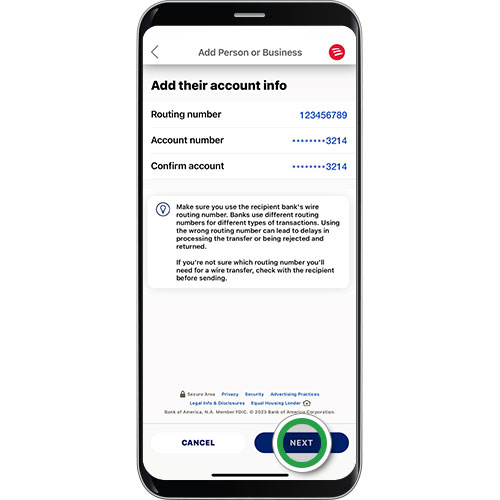
Routing Number: Identifies Bank of America itself as the financial institution for a transaction. Bank of America has different routing numbers based on the state where the account was opened and the type of transaction (e.g., one for ACH transfers, another for wire transfers). When viewing your account details online or in the app, the primary routing number for ACH transactions will usually be displayed. For wire transfers, you might need to consult the bank’s help section or contact customer service for specific instructions.
Traditional Methods: Finding Your Account Number Offline

While digital methods offer unparalleled convenience, there are reliable offline avenues to locate your Bank of America account number, particularly useful if you lack internet access or prefer paper records.
Your Bank of America Checkbook
If you have a Bank of America checking account, your checkbook is a readily available source for your account number.
-
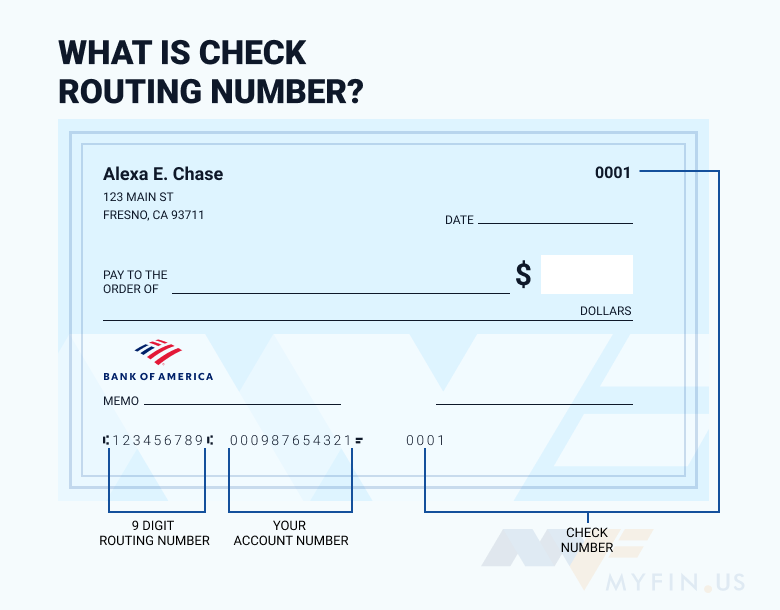
Locate the MICR Line: Look at the bottom of any personalized check. You’ll see a series of three numbers printed in a special font (Magnetic Ink Character Recognition – MICR). From left to right, these are typically:
-
The routing number (nine digits).
-
Your bank account number (variable length, usually 10-12 digits).
-
The individual check number.
Always double-check to distinguish the account number from the check number, as they are sometimes similar in length.
-
Bank Statements (Paper or Electronic PDFs)
Both mailed paper statements and electronic PDF statements accessible through online banking contain your full account number.
-
Paper Statements: Your account number is prominently displayed near the top of your monthly or quarterly statement, usually alongside your name and address.
-
Electronic Statements (PDFs): Log into your Bank of America online banking or mobile app, navigate to the “Statements & Documents” section, and download a recent statement in PDF format. Open the PDF, and you’ll find your account number in the header or account summary section. These are particularly useful as they are archived and easily retrievable.
Calling Customer Service
If digital and paper methods prove elusive, or if you require an additional layer of verification, contacting Bank of America’s customer service is a secure option.
-
Prepare for Verification: Before calling, have some personal information ready to verify your identity. This typically includes your full name, address, phone number, Social Security number, and potentially answers to security questions.
-
Dial the Official Number: Find the customer service number on the back of your debit card, on the Bank of America website, or on a recent statement. Avoid using numbers from unfamiliar websites or search results that could be fraudulent.
-
Explain Your Need: Clearly state that you need your account number. The representative will guide you through the verification process and, once your identity is confirmed, provide the information.
Visiting a Bank of America Branch
For those who prefer face-to-face interaction or require the highest level of security and assistance, a visit to a local Bank of America branch is ideal.
-
Bring Identification: Take a valid, government-issued photo ID (e.g., driver’s license, passport) with you.
-
Speak with a Teller or Representative: Explain your request. They will verify your identity using your ID and internal systems and can then provide your account number. This method is particularly useful if you’ve lost all your documents or are experiencing issues with online access.
Common Pitfalls and Best Practices for Account Management
Effective personal finance involves more than just knowing how to find your account number; it also means understanding common pitfalls and adhering to best practices for security and accuracy.
Avoiding Common Misconceptions
-
Account Number vs. Debit Card Number: These are distinct. Your debit card number is a 16-digit number on the front of your card, used for purchases. Your bank account number identifies your specific deposit account. Never confuse the two or use them interchangeably.
-
Routing Number vs. Account Number: As discussed, the routing number identifies the bank, while the account number identifies your specific account within that bank. Both are necessary for certain transactions.
-
Temporary vs. Permanent Account Numbers: Be aware that temporary accounts (sometimes set up during branch visits) might have different numbers until a permanent account is fully established. Always ensure you’re using the final, permanent account number.
Security Best Practices
-
Strong, Unique Passwords: Use complex passwords for your online banking and mobile app, and avoid reusing them across multiple sites. Consider a password manager.
-
Two-Factor Authentication (2FA): Always enable 2FA if available (and it is for Bank of America). This adds an extra layer of security by requiring a code from your phone or email in addition to your password.
-
Regularly Monitor Your Statements: Periodically review your bank statements for any unauthorized transactions or discrepancies. Report anything suspicious immediately.
-
Be Wary of Unsolicited Communications: Never click on suspicious links or provide personal information in response to unsolicited emails, texts, or calls claiming to be from Bank of America.
-
Secure Wi-Fi: Avoid accessing your banking accounts over public, unsecured Wi-Fi networks.
-
Shred Sensitive Documents: Once you’ve extracted information from physical statements or documents, shred them before discarding to prevent dumpster diving fraud.
What to Do If You Can’t Find It or Suspect Fraud
If you are unable to locate your account number using any of the described methods, or if you suspect your account information has been compromised:
-
Contact Bank of America Immediately: Use the official customer service number. Explain your situation clearly.
-
Review Account Activity: If you suspect fraud, the bank can help you review recent transactions and potentially freeze or close the compromised account.
-
Report Identity Theft: If you believe you are a victim of identity theft, file a report with the Federal Trade Commission (FTC) at IdentityTheft.gov.
Conclusion
Your Bank of America account number is a critical piece of your personal financial puzzle, essential for a wide array of transactions and for effectively managing your money. By understanding the diverse methods to access it—from the convenience of online and mobile banking to the reliability of physical documents and direct bank interaction—you can ensure you always have the information you need. More importantly, by adhering to stringent security protocols and best practices, you empower yourself to protect this sensitive data, safeguarding your financial well-being in an increasingly digital world. Taking the time to master these skills is not just about finding a number; it’s about confidently and securely controlling your financial future.
aViewFromTheCave is a participant in the Amazon Services LLC Associates Program, an affiliate advertising program designed to provide a means for sites to earn advertising fees by advertising and linking to Amazon.com. Amazon, the Amazon logo, AmazonSupply, and the AmazonSupply logo are trademarks of Amazon.com, Inc. or its affiliates. As an Amazon Associate we earn affiliate commissions from qualifying purchases.