
The story of Amazon is often cited as the ultimate blueprint for the digital age, a narrative that began not in a sleek Silicon Valley glass tower, but in a humble garage in Bellevue, Washington. To answer the question “When did Amazon begin?” one must look back to July 5, 1994. However, for brand strategists and corporate historians, the date is merely a marker. The true beginning of Amazon lies in the calculated construction of a brand identity designed to disrupt, dominate, and eventually become synonymous with global commerce.
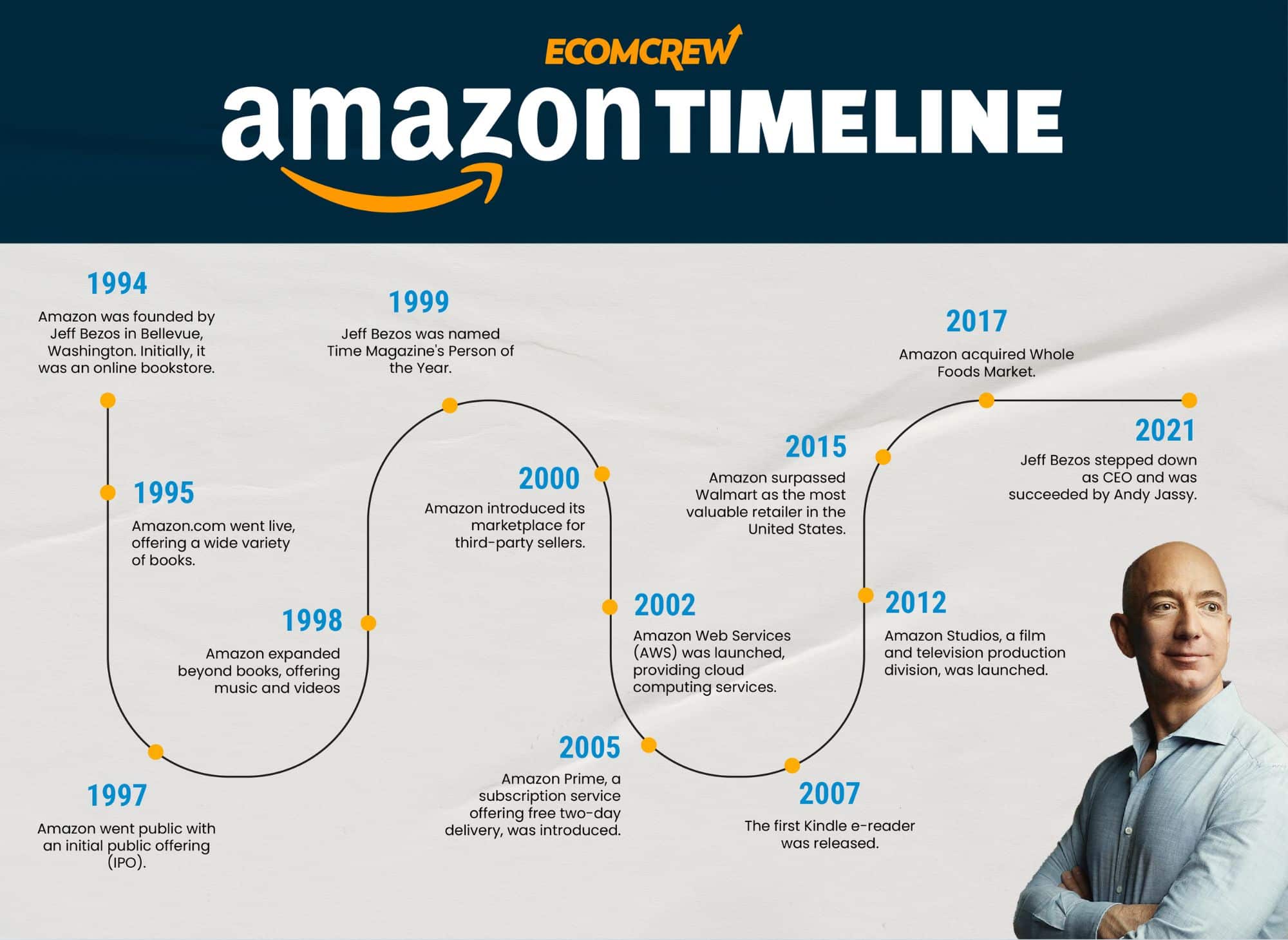
In the decades since its inception, Amazon has evolved from a niche online bookseller into a multifaceted brand ecosystem. This evolution offers profound insights into brand strategy, showing how a company can pivot its identity while maintaining a singular, unwavering core philosophy.
The Foundation: From Cadabra to the Amazon River
Every great brand starts with a name, but Amazon’s naming process was fraught with trial and error. When Jeff Bezos first incorporated the company in 1994, he didn’t call it Amazon. He called it “Cadabra,” as in “Abracadabra.” The intent was to suggest a sense of magic in the shopping experience.
The Pivot: Why Name Matters in Brand Strategy
The “Cadabra” identity was short-lived. A lawyer misheard the name as “cadaver,” a phonetic disaster that highlighted a fundamental rule of branding: clarity is paramount. Bezos realized that a brand associated with death—even accidentally—could never build the trust necessary for e-commerce.
By late 1994, Bezos began searching for a name that conveyed scale. He chose “Amazon” for two primary reasons. First, it was the largest river in the world, aligning with his vision of building the world’s largest bookstore. Second, in the early days of the internet, website listings were often alphabetical. Starting with the letter “A” ensured that the brand would appear at the top of search directories. This early move demonstrated a sophisticated understanding of “discoverability,” a cornerstone of modern digital branding.
The Garage Startup Myth vs. Brand Reality
While the “garage startup” is a powerful branding trope that suggests humble beginnings and grit, Bezos’s strategy was highly sophisticated from the start. He wasn’t just selling books; he was testing a brand model that prioritized logistical efficiency and data collection. By starting with books—a commodity with a universal catalog and low price point—Amazon established a brand identity rooted in reliability and selection before expanding into riskier categories.
Scaling the Identity: From Niche Bookstore to The Everything Store
By the late 1990s, the Amazon brand faced a critical juncture. To grow, it had to move beyond the “World’s Largest Bookstore” tagline. This transition from a single-category specialist to a generalist “Everything Store” is one of the most successful brand expansions in corporate history.
Disrupting the Retail Hierarchy
Amazon’s brand strategy during its growth phase was built on three pillars: low prices, vast selection, and convenience. In the eyes of the consumer, Amazon stopped being a “place to buy books” and started being a “way to get what you need.” This shift from a product-centric brand to a service-centric brand allowed Amazon to enter categories as diverse as electronics, toys, and home goods without losing its identity.
The brand message was clear: Amazon was the consumer’s advocate. By introducing features like “1-Click” ordering and customer reviews—even when those reviews were negative—Amazon built a brand identity centered on transparency and ease of use. This created a level of brand equity that traditional brick-and-mortar retailers struggled to match.
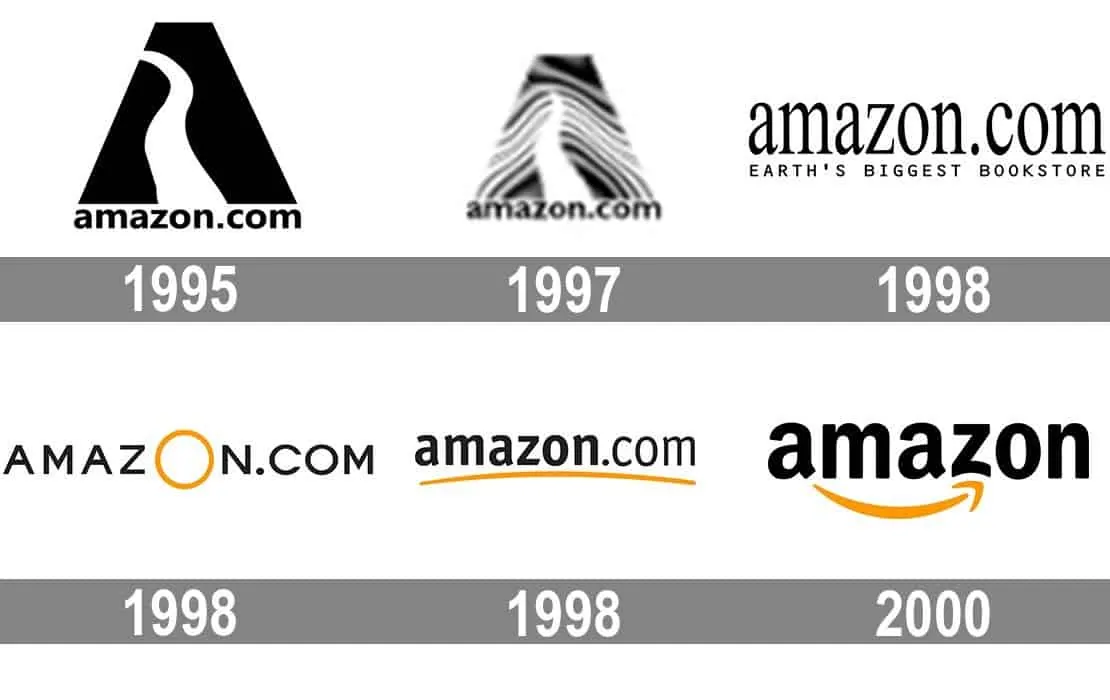
The Evolution of the Logo: From ‘A’ to the Smile
The visual identity of Amazon has undergone several iterations, but the most significant change occurred in 2000 with the introduction of the current logo. The logo features a curved yellow arrow that looks like a smile, connecting the “a” to the “z.”
This was a masterstroke of brand design. Subliminally, the smile communicates customer satisfaction. Literally, the arrow pointing from A to Z reinforces the “Everything Store” promise—that Amazon carries every product imaginable. In the world of brand strategy, a logo that communicates both an emotional benefit (happiness) and a functional benefit (variety) is the gold standard.
The “Day 1” Philosophy: Cultivating a Corporate Identity
A brand is not just how customers perceive a company; it is also the internal culture that drives its operations. At the heart of Amazon’s brand identity is the “Day 1” philosophy. Jeff Bezos famously insisted that the company must always act as if it is in its first day of operation, maintaining the urgency, curiosity, and risk-taking spirit of a startup.
Customer Obsession as a Brand Pillar
Most companies claim to be “customer-focused,” but Amazon institutionalized “customer obsession” as its primary brand value. This isn’t just marketing jargon; it is a strategic choice that dictates every business move. Whether it was the development of the Kindle to make reading more accessible or the creation of Amazon Prime to eliminate shipping friction, the brand identity is anchored in solving customer pain points.
This obsession has allowed Amazon to maintain a “high-trust” brand status. Customers are willing to store their credit card information, purchase expensive electronics, and even place smart speakers in their homes because the Amazon brand has consistently delivered on its promise of reliability.
The Long-Term Thinking Strategy
Amazon’s brand strategy is also characterized by “long-term thinking.” In its early years, the brand was criticized by Wall Street for failing to show a profit. However, Bezos maintained that the brand’s value lay in its long-term market share and infrastructure, not short-term dividends. This “brand over profit” approach in the early stages allowed Amazon to build a massive moat that competitors could not cross once the company finally began to scale its earnings.
Ecosystem Branding: How Infrastructure Became the Brand
As Amazon matured, its brand strategy shifted toward creating an inescapable ecosystem. The brand no longer just sold products; it provided the infrastructure for the modern world. This is most evident in the development of Amazon Prime and Amazon Web Services (AWS).
Amazon Prime: Building Brand Loyalty through Convenience
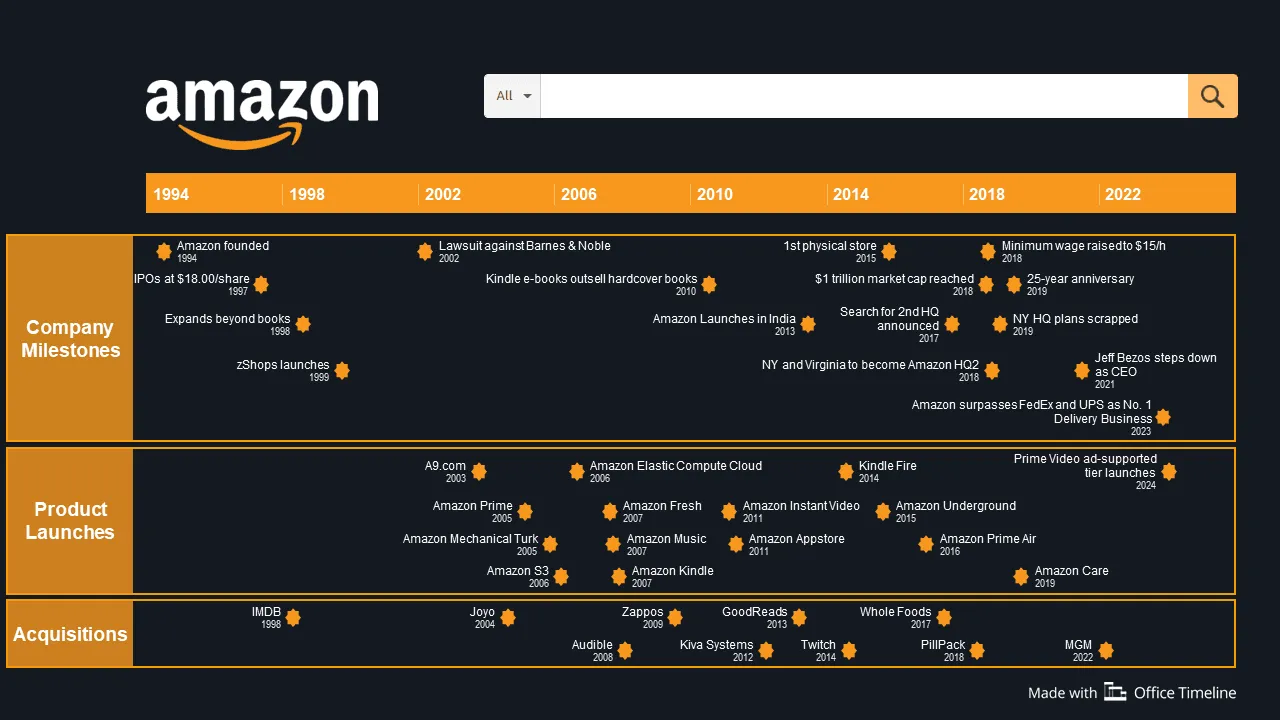
Launched in 2005, Amazon Prime is perhaps the most effective loyalty program ever devised. From a brand perspective, Prime transformed the relationship between the company and the consumer from “transactional” to “relational.” By paying an annual fee, customers became “members” of the Amazon brand.
Prime changed consumer behavior by making “free two-day shipping” the psychological baseline for e-commerce. This reinforced the brand identity of being the most convenient option in the market, effectively locking out competitors who couldn’t match the logistics-heavy brand promise.
Amazon Web Services: The Invisible Brand Powerhouse
While the consumer-facing brand was busy delivering packages, a separate, more industrial brand was forming: Amazon Web Services (AWS). Initially an internal tool to handle Amazon’s own traffic, AWS was launched as a service for other companies in 2006.
AWS represents a fascinating branch of the Amazon brand identity. It positions Amazon as the “utility company” of the internet. By powering everything from Netflix to government agencies, the Amazon brand became synonymous with the very foundation of the digital economy. This dual identity—as both a friendly retailer and a robust tech infrastructure provider—is what makes Amazon’s brand architecture so unique and resilient.
The Future of the Amazon Brand: Challenges and Transformations
As Amazon moves further away from its 1994 beginnings, it faces new branding challenges. A brand that is “everywhere” and “everything” inevitably faces scrutiny regarding its size, influence, and corporate responsibility.
Navigating Reputation in the Digital Age
In recent years, the Amazon brand has had to navigate complex narratives regarding labor practices, environmental impact, and antitrust concerns. For a brand built on “customer obsession,” the challenge is now to prove “societal obsession.”
The company’s “Climate Pledge” and its increased focus on sustainability are strategic brand moves designed to align with the values of a younger, more socially conscious consumer base. The brand is shifting from being a “disruptor” to being a “steward” of the global economy. This transition is difficult, as it requires moving from the efficiency-first mindset of 1994 to a more empathetic, value-driven identity in the 2020s.
The Legacy of 1994
When we look back at when Amazon began, we see more than just the start of a company; we see the birth of a new philosophy in brand building. Amazon proved that a brand could be built on data, logistics, and a relentless focus on the customer experience.
From the “A to Z” smile to the “Day 1” internal mantra, every element of Amazon’s brand has been meticulously crafted to support a vision of global scale. Whether through the convenience of a Prime delivery or the power of its cloud servers, the Amazon brand continues to define what it means to be a corporate giant in the 21st century. The garage in Bellevue may be a distant memory, but the brand strategy established there remains the heartbeat of the modern economy.
aViewFromTheCave is a participant in the Amazon Services LLC Associates Program, an affiliate advertising program designed to provide a means for sites to earn advertising fees by advertising and linking to Amazon.com. Amazon, the Amazon logo, AmazonSupply, and the AmazonSupply logo are trademarks of Amazon.com, Inc. or its affiliates. As an Amazon Associate we earn affiliate commissions from qualifying purchases.