
Navigating the annual income tax filing season can feel like a complex dance of dates and documents. For millions of taxpayers, understanding when they can, and crucially, when they must file their income tax returns is fundamental to sound personal finance and compliance with tax law. While the general perception often revolves around a single, looming April deadline, the reality is more nuanced, encompassing an official opening of tax season, strategic early filing options, and provisions for extensions when life inevitably throws a curveball. Proactive financial planning begins with a clear grasp of this calendar, allowing individuals and businesses to optimize their approach, avoid penalties, and manage their cash flow effectively.
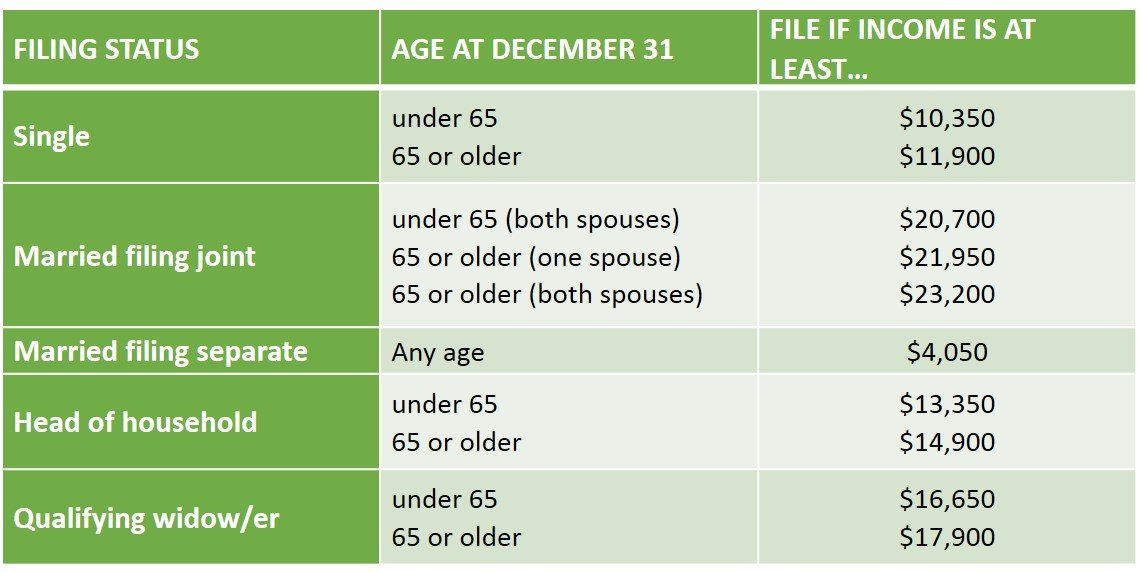
The Annual Tax Season: Key Dates and Deadlines
The United States tax system operates on a calendar year basis for most individual taxpayers, with a specific window designated for filing income tax returns. Understanding these crucial dates is paramount to avoiding unnecessary stress and potential penalties.
Official Opening of Filing Season
The Internal Revenue Service (IRS) typically begins accepting federal individual income tax returns in late January. This official start date is critical for both taxpayers and tax preparers, as it signals the readiness of the IRS systems to process submissions. While many tax software providers and tax professionals allow taxpayers to prepare their returns earlier, these returns are generally held in a queue and not officially submitted to the IRS until the designated opening date. This period between the availability of tax preparation tools and the official opening allows taxpayers to meticulously gather their documents, ensure accuracy, and even seek professional advice without the immediate pressure of a looming deadline. The exact date can vary slightly year-to-year, often falling in the third or fourth week of January, and is usually announced by the IRS in the preceding months.
The Ubiquitous April 15th Deadline
For most individual taxpayers, the most significant date on the tax calendar is April 15th. This is the primary deadline for filing federal income tax returns (Form 1040) and for paying any taxes owed for the preceding tax year. If April 15th falls on a weekend or a holiday, the deadline is automatically shifted to the next business day. This deadline also applies to various other tax obligations, including contributing to an IRA for the previous tax year and making the first quarterly estimated tax payment for the current tax year. Many states that levy an income tax also align their filing and payment deadlines with the federal April 15th date, simplifying the process for taxpayers in those jurisdictions. Missing this critical deadline without an approved extension can result in penalties for both failure to file and failure to pay, making timely compliance essential.
Quarterly Estimated Tax Payments
Not all income is subject to withholding, making estimated tax payments a necessity for many self-employed individuals, freelancers, gig workers, and those with significant investment income. The U.S. tax system operates on a “pay-as-you-go” principle, meaning taxpayers are expected to pay taxes throughout the year as they earn income. For those who don’t have taxes withheld from their paychecks, estimated tax payments are made in four installments throughout the year, each with its own specific due date:
- April 15: For income earned January 1 to March 31.
- June 15: For income earned April 1 to May 31.
- September 15: For income earned June 1 to August 31.
- January 15 of next year: For income earned September 1 to December 31.
Again, if any of these dates fall on a weekend or holiday, the deadline shifts to the next business day. Failing to pay enough tax through withholding or estimated payments can lead to an underpayment penalty, even if you receive a refund when you file your annual return.
Business and Specialized Returns
While individuals often focus on the April 15th deadline, various business entities and specialized returns have different filing dates. For instance:
- Partnerships (Form 1065) and S Corporations (Form 1120-S): These pass-through entities typically have a filing deadline of March 15th.
- C Corporations (Form 1120): Most C Corporations follow an April 15th deadline, unless their fiscal year ends on June 30th, in which case the deadline is September 15th.
- Trusts and Estates (Form 1041): These generally follow an April 15th deadline.
- Non-profit Organizations (Form 990 series): Their deadline is typically the 15th day of the 5th month after their tax year ends.
Each of these entities may also have separate estimated tax payment schedules and rules regarding extensions. Understanding these distinctions is crucial for business owners and financial managers to maintain compliance and avoid corporate penalties.
To File Early or Wait: Strategic Considerations
The period between the official opening of tax season and the April 15th deadline offers taxpayers a strategic window. Deciding whether to file your return as soon as possible or to wait closer to the deadline involves weighing various advantages and potential drawbacks.
Advantages of Prompt Filing
Filing your income tax return early in the season offers several compelling benefits. Firstly, it often leads to quicker tax refunds. The IRS generally processes returns on a first-come, first-served basis, meaning early filers are often among the first to receive their refunds, which can be a significant boost to personal cash flow. Secondly, early filing can reduce stress and the risk of errors. By tackling your taxes well before the deadline, you have ample time to gather all necessary documents, meticulously review your return for accuracy, and consult with a tax professional if complex issues arise, all without the pressure of a looming due date. This proactive approach can minimize the likelihood of mistakes that might trigger an IRS inquiry. Thirdly, and increasingly important in the digital age, filing early provides a layer of identity theft protection. Tax fraudsters often attempt to file bogus returns using stolen Social Security numbers to claim fraudulent refunds. By filing your legitimate return first, you preemptively block such attempts, as the IRS systems will flag any subsequent returns filed under your SSN.
The Prudence of Waiting: Essential Documents and Tax Law Clarity

While early filing offers distinct advantages, there are valid reasons why some taxpayers strategically choose to wait. The primary reason for delay is often the receipt of all necessary tax documents. Employers are generally required to furnish W-2 forms by January 31st, but investment firms, banks, and other payers may have until late January or even mid-February to send out 1099 forms (e.g., 1099-INT for interest, 1099-DIV for dividends, 1099-MISC or 1099-NEC for nonemployee compensation). K-1 schedules from partnerships or S-corps can arrive even later, sometimes not until March or April. Filing without all relevant income and deduction documents can lead to an incomplete or inaccurate return, necessitating an amendment later, which can be a tedious and time-consuming process. Additionally, while rare, there can be last-minute tax law changes or clarifications from the IRS that might impact calculations, particularly for complex returns. Waiting a few weeks into the season ensures that tax software and preparers have fully incorporated any such updates, providing greater assurance of accuracy.
Navigating Extensions: When You Need More Time, But Not for Payment
Life is unpredictable, and sometimes, despite best intentions, the April 15th deadline can seem insurmountable. Fortunately, the IRS provides a mechanism for taxpayers to extend their filing period, though it comes with important caveats.
Understanding the Extension Mechanism
For individual taxpayers, an extension for filing is typically requested using IRS Form 4868, Application for Automatic Extension of Time to File U.S. Individual Income Tax Return. This form grants an automatic six-month extension, generally pushing the filing deadline from April 15th to October 15th. It’s crucial to understand a fundamental distinction: an extension of time to file is NOT an extension of time to pay. The IRS expects you to estimate your tax liability and pay any taxes owed by the original April 15th deadline, even if you’re filing an extension. If you do not pay at least 90% of your tax liability by April 15th, you will likely incur penalties and interest on the unpaid balance, even with an approved extension. The extension simply provides more time to complete and submit the paperwork, not to delay your payment obligation.
Common Scenarios Warranting an Extension
There are various legitimate reasons why taxpayers might need to request an extension. One common scenario is complex tax situations, such as those involving significant investment activity, business income and expenses, or international considerations, where gathering all necessary documentation and accurately calculating deductions can take considerable time. Missing or delayed tax documents, particularly K-1s from partnerships or S-corporations which often arrive much later in the season, is another frequent reason. Personal circumstances, such as illness, family emergencies, or natural disasters, can also make it impractical to prepare and file a return by the original deadline. Taxpayers who are overseas or in combat zones also have specific rules that automatically grant them additional time to file and pay. For businesses, extensions can be beneficial when year-end accounting reconciliations or partner distributions are still being finalized.
The Cost of Delayed Payment
While an extension provides valuable breathing room for filing, failing to pay your estimated tax liability by the original April 15th deadline can be costly. The IRS levies two primary penalties for non-compliance:
- Failure-to-Pay Penalty: This penalty is 0.5% of the unpaid taxes for each month or part of a month that taxes remain unpaid, capped at 25% of your unpaid tax.
- Interest on Underpayments: In addition to the penalty, the IRS charges interest on underpayments, which is adjusted quarterly. This interest compounds daily, adding to the overall cost of delayed payment.
If you also fail to file by the extended deadline, you could face an additional Failure-to-File Penalty, which is far more severe, typically 5% of the unpaid taxes for each month or part of a month your return is late, capped at 25% of your unpaid tax. The failure-to-file penalty is much higher than the failure-to-pay penalty, underscoring the importance of at least filing the extension, even if you can’t pay everything upfront. If you are unable to pay, it’s wise to pay what you can to minimize penalties and consider setting up an IRS payment plan to avoid further collection actions.
Preparing for a Smooth Filing Experience
A well-organized approach to tax preparation can significantly reduce stress and improve accuracy. Knowing what you need and how you’ll file are key steps toward a smooth experience.
Gathering Your Critical Documentation
Before you even consider filing, ensure you have assembled all essential documents. This comprehensive checklist typically includes:
- Income Statements: W-2s from employers, 1099-NEC for nonemployee compensation, 1099-MISC for miscellaneous income, 1099-INT for interest, 1099-DIV for dividends, 1099-B for stock sales, Schedule K-1 from partnerships/S-corps/estates/trusts, and W-2G for gambling winnings.
- Deduction & Credit Documents: 1098 for mortgage interest, 1098-E for student loan interest, 1098-T for tuition statements, records of charitable contributions, medical expense receipts, childcare expenses, and property tax statements.
- Personal Information: Your Social Security Number (SSN) or Individual Taxpayer Identification Number (ITIN), and those of your spouse and dependents. You’ll also need your prior year’s Adjusted Gross Income (AGI) to verify your identity if filing electronically.
Organizing these documents systematically throughout the year, rather than scrambling at tax time, is a best practice that simplifies the entire process.
Choosing Your Filing Path
Today’s taxpayers have several avenues for preparing and submitting their returns:
- Tax Software: Options like TurboTax, H&R Block, and TaxAct offer user-friendly interfaces, step-by-step guidance, and direct e-filing. Many provide free options for simple returns.
- Professional Tax Preparers: For complex returns, small business owners, or those seeking expert advice, a Certified Public Accountant (CPA) or Enrolled Agent (EA) can provide invaluable assistance, ensuring compliance and maximizing deductions.
- Free Tax Services: The IRS offers Free File, a program that partners with tax software companies to provide free preparation and e-filing for taxpayers meeting specific income requirements. Additionally, the Volunteer Income Tax Assistance (VITA) and Tax Counseling for the Elderly (TCE) programs offer free tax help to qualified individuals.
The choice largely depends on your tax situation’s complexity, your comfort level with technology, and your budget.
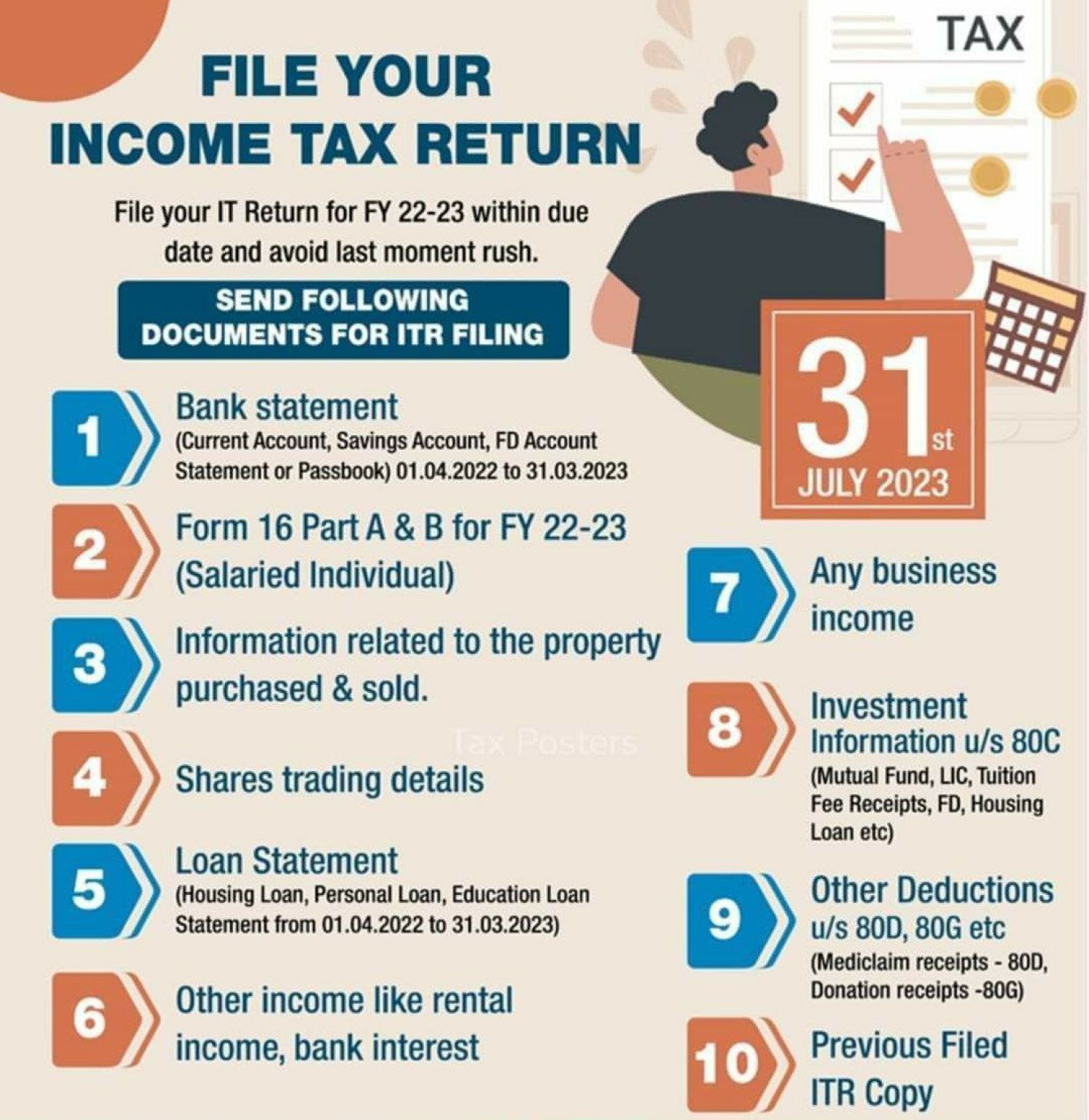
Understanding State-Specific Requirements
While federal tax deadlines are largely standardized, state income tax requirements can vary significantly. Most states that levy income tax align their filing deadlines with the federal April 15th date. However, there are exceptions, and some states have unique forms or rules regarding deductions and credits. For example, some states do not tax certain types of income that the federal government does, or they may offer different credits. Furthermore, several states do not impose a state income tax at all, simplifying matters for residents in those areas. It is imperative to check your specific state’s tax department website for their particular deadlines, forms, and regulations to ensure full compliance and avoid state-level penalties.
aViewFromTheCave is a participant in the Amazon Services LLC Associates Program, an affiliate advertising program designed to provide a means for sites to earn advertising fees by advertising and linking to Amazon.com. Amazon, the Amazon logo, AmazonSupply, and the AmazonSupply logo are trademarks of Amazon.com, Inc. or its affiliates. As an Amazon Associate we earn affiliate commissions from qualifying purchases.