
In the digital age, a profile picture is far more than a simple portrait; it is a communication tool. On platforms like Facebook, where visual identity is paramount, a sudden change in a profile image often serves as a silent language. When you scroll through your feed and notice multiple connections shifting their avatars to a solid black square, it is rarely a technical glitch or a lack of imagination. Instead, it is a deliberate, culturally significant act of digital expression. Understanding the various reasons behind this trend requires looking at the intersection of social consciousness, collective mourning, and personal privacy.

The Language of Digital Solidarity and Activism
The most common reason for users adopting a black profile picture on Facebook is the expression of solidarity with a cause or a movement. In the digital landscape, the profile picture acts as a billboard for one’s values, and the solid black square has become a globally recognized symbol of protest, mourning, and unity.
Raising Awareness Through Uniformity
When a community faces an injustice, tragedy, or systemic failure, individual voices can often feel drowned out by the sheer noise of social media. By adopting a uniform black profile picture, users create a visual wave that is difficult for others to ignore. This tactic shifts the focus away from the individual and toward the collective. It signifies that the user is prioritizing a broader social message over their personal brand or identity. This method of digital activism relies on the power of the “opt-in” effect; as more people participate, the trend gains momentum, forcing even casual observers to question the motive behind the shift.
Silent Protests and Social Media Blackouts
Black profile pictures are frequently utilized during “blackout” movements. Whether it is a protest against racial injustice, a show of support for victims of a natural disaster, or a stand against a specific government policy, the black square serves as a digital moment of silence. By darkening their profile, users signal that they are stepping back from their usual social media content to make space for more urgent conversations. It is a visual representation of “going dark”—a symbolic refusal to participate in the typical cycle of social media engagement until a particular issue is addressed or acknowledged.
Mourning and Collective Remembrance
Beyond activism, the black profile picture has deep roots in the tradition of mourning. While traditional cultures have long used specific colors or attire to signal grief, social media has adopted the black square as the modern-day equivalent of wearing black to a funeral.
Honoring the Deceased
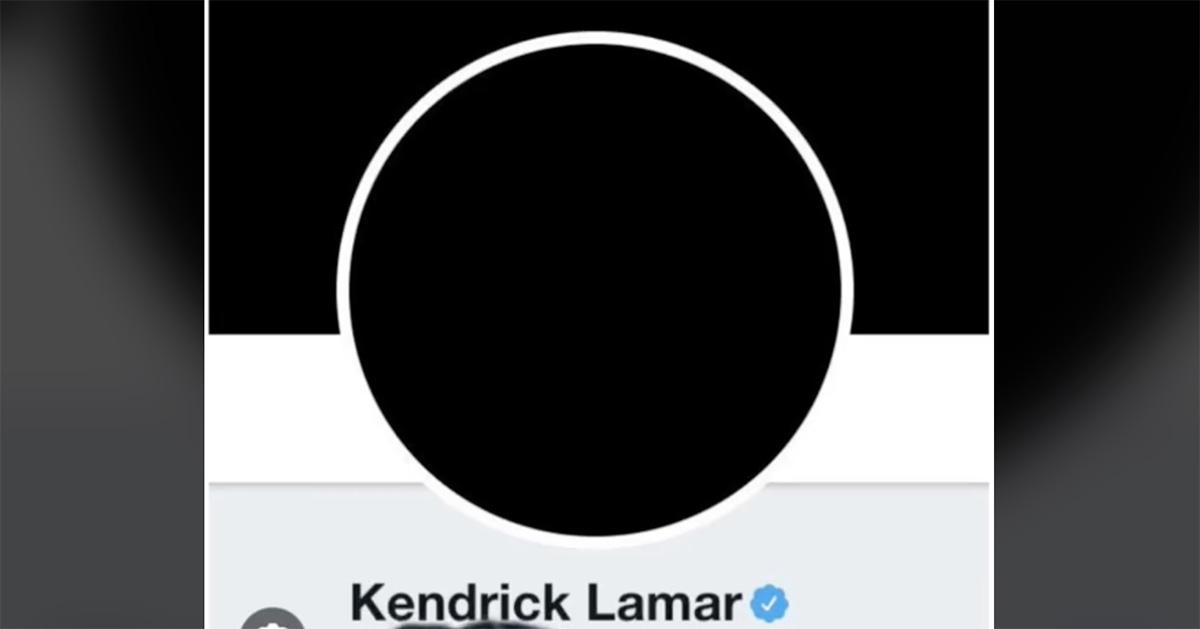
When a high-profile figure, a community member, or a loved one passes away, Facebook users often update their profile picture to black to indicate a period of mourning. This practice provides a way for friends and acquaintances to express their grief and respect without having to craft a lengthy status update. It functions as a public notification that the user is currently in a state of bereavement, signaling to their network that they may be less active or need support.
The Communal Experience of Loss
Social media allows for a collective experience of grief that was previously impossible. When an entire group of friends or a local community switches to a black profile picture simultaneously, it highlights the shared nature of the loss. It validates the sadness of every individual involved, creating a digital support network that transcends physical distance. This visual synchronicity provides a sense of comfort; no one is grieving in isolation, and the black profile picture serves as a quiet, constant reminder of the solidarity shared among the group during a difficult time.
Privacy, Security, and Personal Boundaries
While activism and mourning are the primary drivers for this trend, there is an increasingly common third category: digital hygiene and the reclamation of privacy. In an era of heightened awareness regarding facial recognition technology and data harvesting, the solid black square is sometimes a tactical choice.
Opting Out of Facial Recognition
As AI-driven facial recognition tools become more sophisticated, users are becoming increasingly cautious about the photos they upload to the internet. A black square contains no biometric data. For individuals concerned about how their portraits might be scraped, indexed, or analyzed by third-party software, replacing a high-resolution photo with a simple, solid color serves as an effective, albeit extreme, privacy measure. By removing their face from their profile, users exert control over their digital footprint, effectively “hiding in plain sight” from automated data collection bots.
Signaling a Social Media Detox
Often, a black profile picture is an indicator that a user is preparing to take a hiatus from Facebook. It acts as a final “sign-off” before an account goes dormant. By stripping away their photo, the user is signaling that their digital identity is currently inactive or “offline.” It removes the pressure to maintain a curated persona, allowing the user to step back from the social performance of platform engagement. For those struggling with the mental health impacts of social media consumption, the black square is a clear, non-verbal notification to their connections that they are prioritizing their well-being by disconnecting from the digital noise.
Interpreting the Intent: Context Matters
Because a black profile picture can mean many different things, the interpretation depends heavily on context. Understanding the intent behind the change requires looking at the timing, the surrounding discussions in the user’s feed, and the user’s history of activity.
The Importance of Timing
If a user switches to a black profile picture during a week marked by global protests or a high-profile tragedy, the intention is almost certainly tied to activism or communal mourning. The context is external. When the entire platform seems to turn “dark” simultaneously, it is a clear indicator of a coordinated social movement. In these instances, the change is meant to be a conversation starter—a way to show support for an cause without needing to type a single word.
Personal Context and Lifecycle
If only one individual in your network switches to a black profile picture, the meaning is likely internal or personal. It may signify a loss in their private life or a desire to step away from the platform due to stress or privacy concerns. In these cases, the profile picture is less about a public movement and more about the user establishing a boundary. It is an invitation to empathy, suggesting that the user is undergoing a personal transition and may not be as accessible as they normally are.

Moving Beyond the Surface
It is important to remember that a black profile picture is a placeholder. It signifies that the user has decided that their regular portrait is no longer the most appropriate representation of their status. Whether the goal is to protest an injustice, grieve a loss, or reclaim digital privacy, the act itself is inherently communicative. By stripping away the visual distraction of a human face, the user forces their network to pay attention to the silence. In a space designed for constant, colorful, and noisy engagement, that silence is perhaps the loudest statement an individual can make.
aViewFromTheCave is a participant in the Amazon Services LLC Associates Program, an affiliate advertising program designed to provide a means for sites to earn advertising fees by advertising and linking to Amazon.com. Amazon, the Amazon logo, AmazonSupply, and the AmazonSupply logo are trademarks of Amazon.com, Inc. or its affiliates. As an Amazon Associate we earn affiliate commissions from qualifying purchases.