
The magic of Disney is a cornerstone of global entertainment, a brand that conjures images of whimsical characters, unforgettable stories, and a legacy spanning generations. When we ponder the origins of this colossal entity, one question often arises: what is the oldest Disney movie? While a simple answer exists, the journey to that first feature film is a narrative rich with innovation, creative ambition, and the foundational principles that would define Disney’s enduring brand identity. This exploration delves into the historical context, the technical challenges, and the strategic marketing that cemented Disney’s place in cinematic history, positioning it not just as a filmmaker, but as a master of brand building from its very inception.

The Genesis of a Dream: Walt’s Ambitious Vision
Before the first fully animated feature film graced the silver screen, Walt Disney and his team were already pioneers in the burgeoning animation industry. Their early shorts, while groundbreaking, were a stepping stone to a much grander vision. Understanding the context of these early works is crucial to appreciating the monumental leap that the first feature film represented, and how it was intrinsically linked to Disney’s burgeoning brand.
Early Innovations and the Power of the Short
Walt Disney’s early career was characterized by a relentless pursuit of technical excellence and narrative innovation. The “Alice Comedies” and the “Oswald the Lucky Rabbit” series, while not as iconic today as Mickey Mouse, were vital learning grounds. These shorts allowed Disney to experiment with sound synchronization, color techniques, and character development. The introduction of Mickey Mouse in “Steamboat Willie” (1928) was a seismic event, not only for its synchronized sound but for establishing a character that would become the global face of the Disney brand. The success of these shorts demonstrated the commercial viability of animation and built a loyal audience, priming them for something even more substantial.
The “Disney Bet”: A Risky Venture into Feature Length
The decision to embark on a feature-length animated film was met with widespread skepticism. Industry insiders and even many within Disney itself viewed the project as a colossal gamble, dubbing it “Walt’s Folly.” The prevailing wisdom was that audiences would not sit through a full-length cartoon. However, Walt Disney possessed an unshakeable belief in the potential of animation to tell profound and engaging stories. This conviction wasn’t just about artistic expression; it was a strategic brand play. A feature film offered an unparalleled opportunity to showcase the full breadth of Disney’s storytelling capabilities and technical prowess, elevating the studio from a purveyor of shorts to a serious contender in the feature film market. The risk, if successful, promised an exponential growth in brand recognition and cultural impact.
Snow White and the Seven Dwarfs: The Birth of an Animated Empire
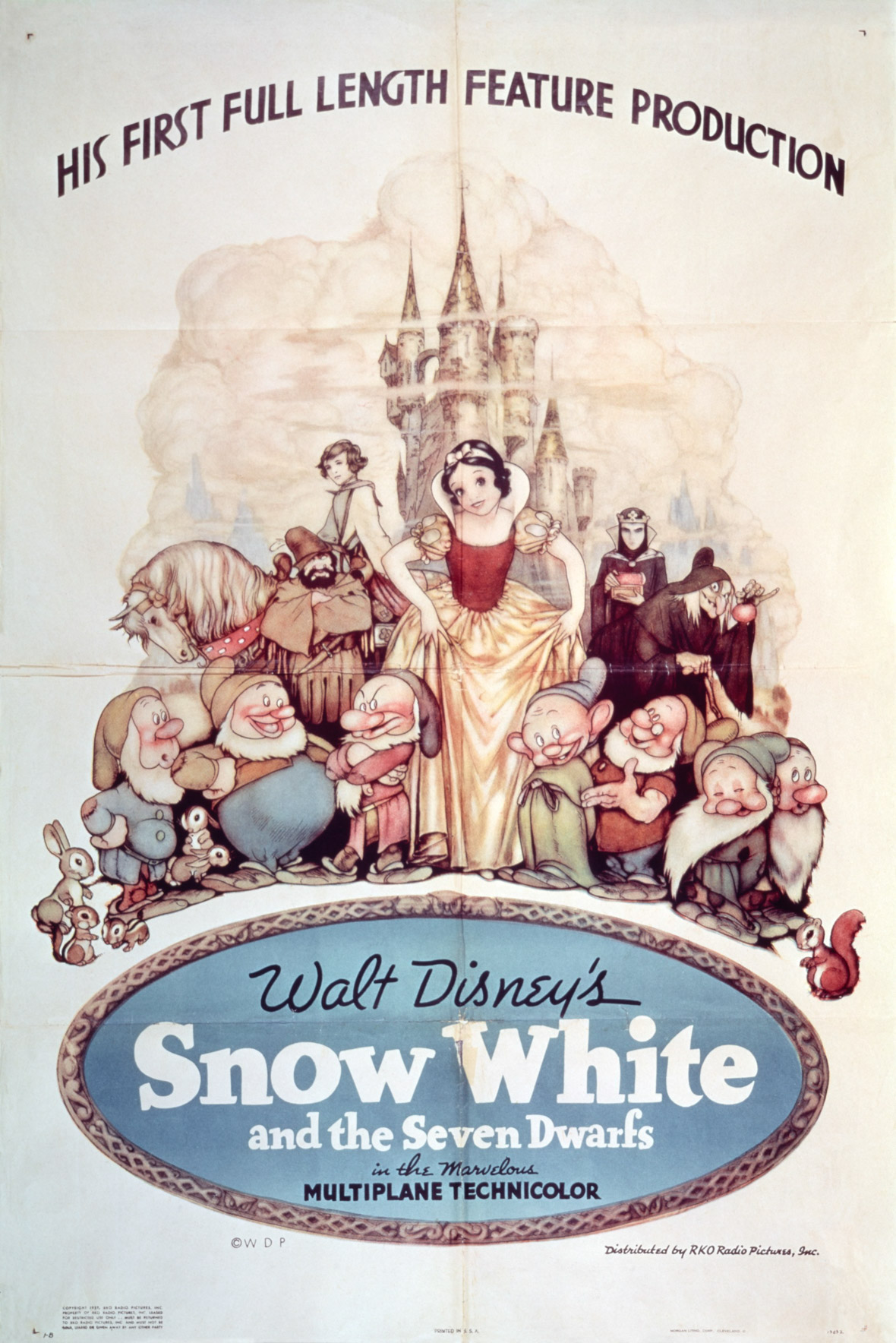
The culmination of Walt’s “bet” was the release of Snow White and the Seven Dwarfs in 1937. This film was not merely a cinematic achievement; it was a meticulously crafted brand statement, designed to captivate audiences and redefine the possibilities of animated storytelling. Its success was instrumental in solidifying the Disney brand for decades to come.
Technical Marvels and Artistic Excellence
Snow White was a marvel of its time, pushing the boundaries of animation technology. The multiplane camera, a revolutionary invention developed by Disney, added depth and dimension to the animation, creating a more immersive experience. The introduction of realistic character animation, conveying a full range of human emotions, was unprecedented. Each of the seven dwarfs was given a distinct personality, a testament to the studio’s growing expertise in character design and performance. The meticulous attention to detail in the backgrounds, the expressive voice acting, and the use of Technicolor all contributed to a visual and auditory feast that had never been seen before in animation. This commitment to artistic and technical excellence became a hallmark of the Disney brand.

Marketing Magic: Building Anticipation and Exclusivity
The marketing campaign for Snow White was as innovative as the film itself. Disney understood that to overcome the skepticism surrounding an animated feature, they needed to build significant anticipation and present the film as a must-see event. They employed a multi-pronged approach, focusing on building an aura of exclusivity and wonder.
- Pre-Release Buzz: Disney embarked on a sophisticated public relations campaign, showcasing the painstaking process of animation and the incredible talent involved. Articles, newsreels, and even sneak peeks were used to educate the public about the film’s unprecedented scale and artistry.
- Premiere Strategy: The premiere of Snow White was a grand affair, designed to lend it the prestige of live-action films. It was marketed not as a children’s cartoon, but as a full-fledged cinematic masterpiece.
- Merchandising and Brand Extension: While not as extensive as today, early merchandising efforts were also initiated, allowing the magic of Snow White to extend beyond the cinema. This laid the groundwork for Disney’s future prowess in cross-platform brand extension.
The success of Snow White was phenomenal, both critically and commercially. It proved that animation could indeed tell compelling, adult-oriented stories and resonate with a mass audience. This triumph validated Walt’s vision and established Disney as the undisputed leader in animated filmmaking, laying the foundation for the global entertainment empire it would become. The film was more than just a box office hit; it was the definitive brand launch for Disney as a creator of enduring, high-quality cinematic experiences.
Beyond Snow White: The Enduring Legacy of Early Disney Innovation
The success of Snow White was not an isolated incident but the catalyst for a sustained period of creative and technical innovation that further solidified the Disney brand. The studio didn’t rest on its laurels; instead, it used the momentum and financial success to invest in even more ambitious projects, consistently pushing the envelope of what was possible in animation. This continuous evolution became a core tenet of the Disney brand, promising audiences a constant stream of wonder and quality.
Establishing a Pipeline of Animated Masterpieces
Following the triumph of Snow White, Disney quickly followed up with other feature films that further cemented its reputation for storytelling and technical prowess. Pinocchio (1940), Fantasia (1940), Dumbo (1941), and Bambi (1942) are all considered classics, each pushing different aspects of animation. Pinocchio was praised for its complex character animation and sophisticated themes. Fantasia was an audacious experiment, blending classical music with abstract and narrative animation, showcasing the artistic versatility of the medium. Dumbo demonstrated emotional storytelling with minimal dialogue, while Bambi set new standards for realistic animal animation and environmental depiction. This consistent output of high-quality, diverse animated features created a predictable and reliable brand promise: if it was a Disney animated film, it would be an exceptional experience.
The “Disney Touch”: A Brand Identity Forged in Quality
The consistent quality and unique style of early Disney films became synonymous with the “Disney Touch.” This intangible element encompassed a range of characteristics that defined the brand:
- Moral Ambiguity and Redemption: Many early Disney films explored themes of good versus evil, but often with characters who grappled with their flaws before finding redemption, offering valuable life lessons.
- Memorable Music and Songs: The integration of catchy, emotionally resonant songs became a signature of Disney films, from the jaunty tunes of the dwarfs to the poignant ballads. This not only enhanced the viewing experience but also created incredibly marketable assets.
- Whimsical and Enduring Characters: Disney mastered the art of creating characters that audiences could connect with and love. Mickey Mouse was just the beginning; Snow White, Pinocchio, Bambi, and countless others became cultural icons, transcending their film origins to become beloved figures in the global consciousness.
- Impeccable Animation and Storytelling: The dedication to visual artistry and the ability to weave compelling narratives that appealed to both children and adults were paramount. This blend of technical mastery and heartfelt storytelling became the bedrock of the Disney brand promise.
The early decades of Disney animation were not just about making movies; they were about meticulously building a brand. Each film was an advertisement for the next, a testament to the studio’s commitment to excellence and innovation. The oldest Disney movie, Snow White and the Seven Dwarfs, was not just a film; it was the foundational stone of an empire, proving that animation could be a powerful storytelling medium and a potent brand-building tool, shaping entertainment and culture for generations to come.
aViewFromTheCave is a participant in the Amazon Services LLC Associates Program, an affiliate advertising program designed to provide a means for sites to earn advertising fees by advertising and linking to Amazon.com. Amazon, the Amazon logo, AmazonSupply, and the AmazonSupply logo are trademarks of Amazon.com, Inc. or its affiliates. As an Amazon Associate we earn affiliate commissions from qualifying purchases.