
The presence of black mold on walls is a common concern for homeowners and building managers, often leading to health issues and structural damage. While the visual identification of mold is the first step, understanding the underlying technology that aids in its detection, assessment, and remediation offers a more comprehensive and proactive approach. This article delves into the visual characteristics of black mold on walls, but more importantly, explores how technology is revolutionizing our ability to identify, monitor, and combat this pervasive issue.
The Visual Hallmarks of Black Mold: Beyond the Obvious
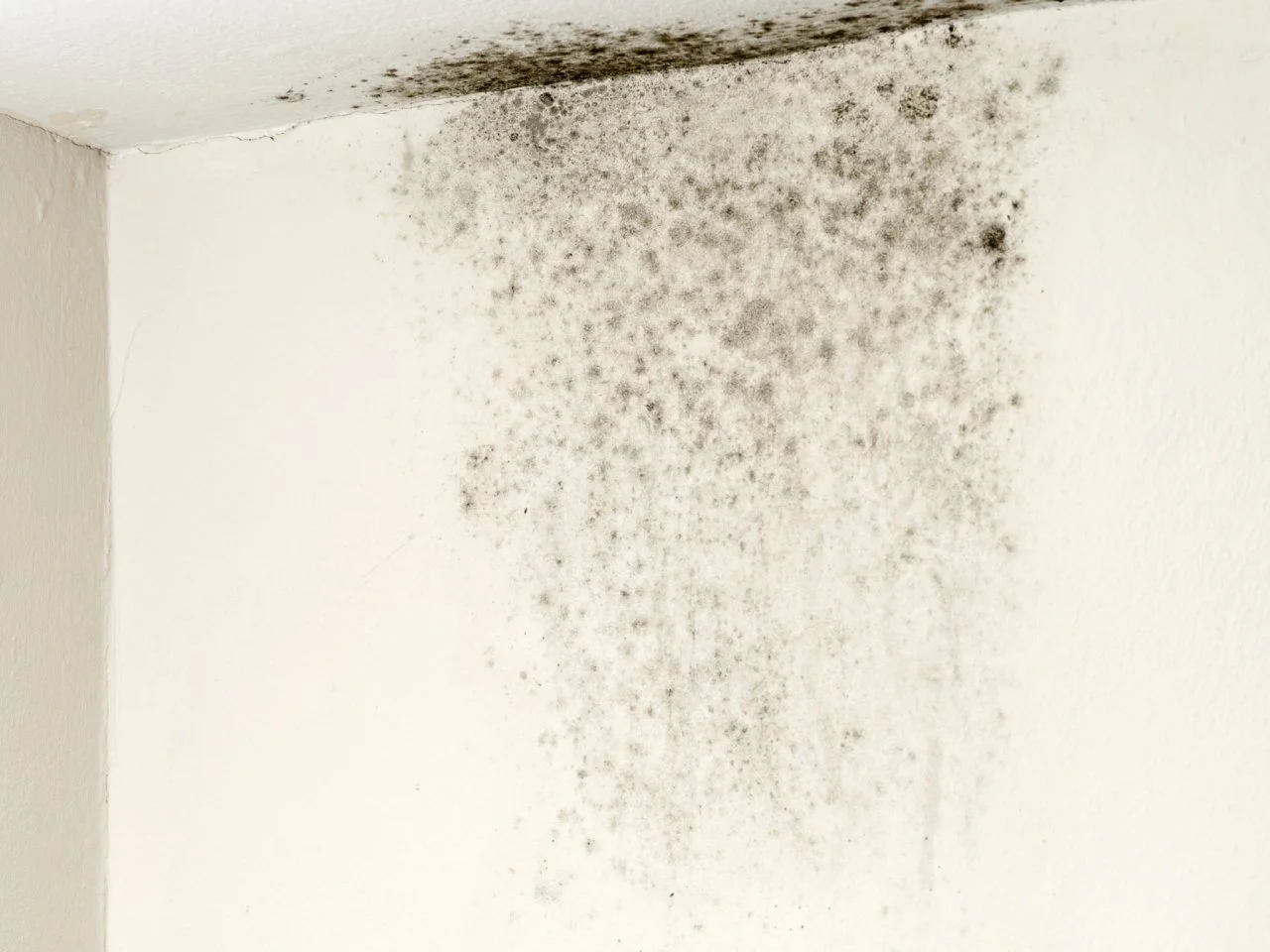
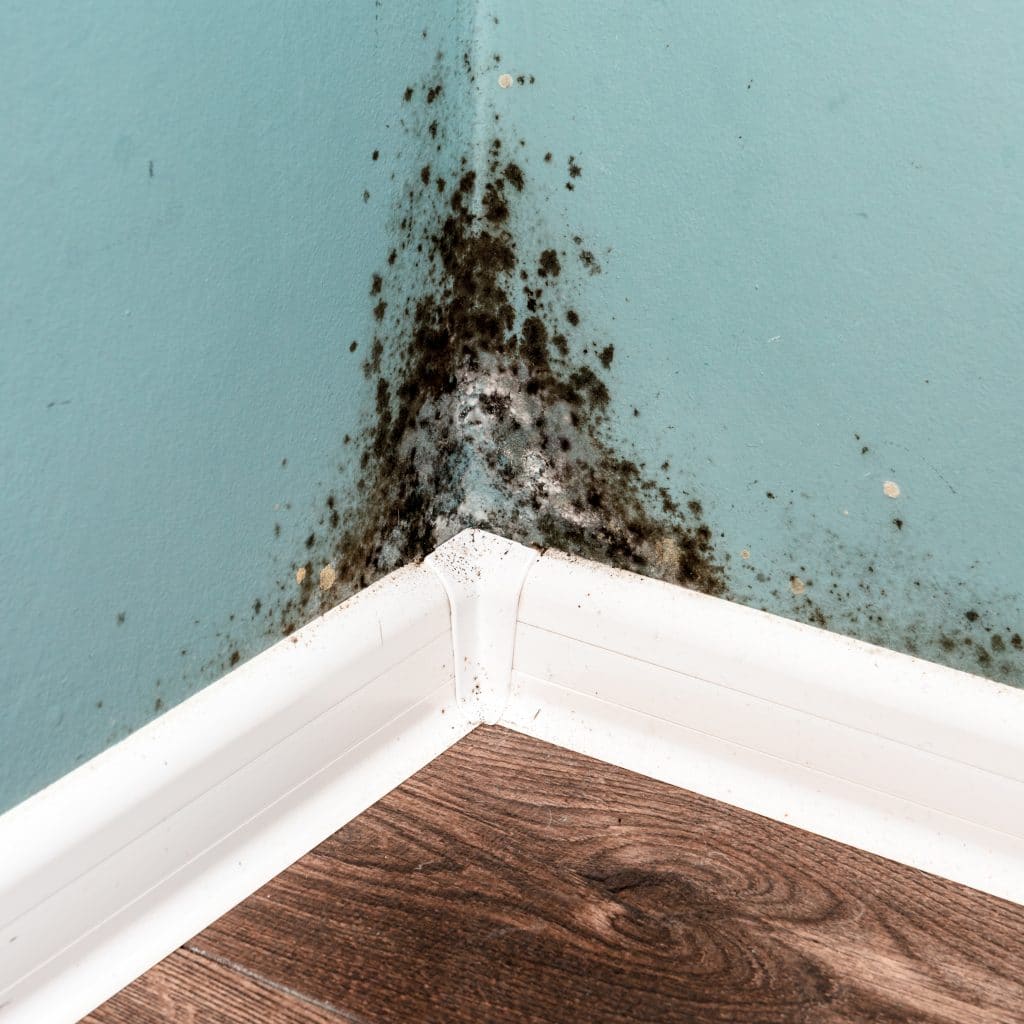
The term “black mold” is often used colloquially to refer to any dark-colored mold, but scientifically, it commonly refers to Stachybotrys chartarum, a type of mold notorious for its potential toxicity. However, it’s crucial to understand that color alone is not a definitive identifier. Many types of mold can appear black, and the actual color can vary from dark green to deep blue-black. The key lies in understanding the growth patterns and the environments that foster it.
Texture and Surface Appearance
One of the most telling visual cues, beyond color, is the texture. Black mold often has a slimy or wet appearance when it is actively growing in a damp environment. As it dries out, it can become powdery or fuzzy. This tactile characteristic is important, not just for visual assessment, but also for understanding the moisture levels, a critical factor in mold’s proliferation.
Subtle Variations in Color: While we often picture a stark black, it’s important to be aware of the spectrum. Shades can range from olive green to dark grey and deep brown. The surrounding wall material can also influence the perceived color. For instance, mold growing on a white wall will appear darker than the same mold on a darker painted surface.
Distinguishing from Stains and Paint Imperfections: A common challenge is differentiating actual mold growth from other wall imperfections. Water stains, for example, can leave behind discolored patches that might mimic mold. Similarly, peeling paint or efflorescence (a crystalline deposit of salts) on masonry can be mistaken for mold. Technology plays a vital role here in providing objective analysis.
Common Locations and Environmental Indicators
Black mold thrives in areas with high moisture and humidity. Recognizing these common problem zones is the first line of defense. Visually inspecting these areas regularly can help catch early infestations before they become widespread and visually significant.
Areas Prone to Moisture Intrusion:
- Bathrooms: Around showers, tubs, sinks, and behind toilets, where steam and water are abundant.
- Kitchens: Beneath sinks, around dishwashers, and near refrigerators with ice makers.
- Basements and Crawl Spaces: These areas are often damp and poorly ventilated, providing ideal breeding grounds.
- Around Leaks: Any area where water has leaked from pipes, roofs, or windows will be a prime target for mold.
- Window Sills and Frames: Condensation often accumulates here, especially in poorly insulated windows.
The Role of Humidity and Ventilation: The visible appearance of mold is directly linked to its environment. High humidity levels (consistently above 60%) create the perfect conditions for mold spores, which are ubiquitous in the air, to land and germinate on surfaces. Poor ventilation traps moisture, exacerbating the problem. Understanding these environmental triggers is crucial for preventative measures, and technological sensors can monitor these conditions.
Technological Aids in Mold Detection and Identification
While visual inspection is the initial step, relying solely on what we see can be misleading. Modern technology offers sophisticated tools that go beyond the naked eye to accurately identify and assess mold growth, providing crucial data for effective remediation.
Advanced Imaging and Sensing Technologies
The ability to detect mold, especially in its early stages or when hidden behind surfaces, has been significantly enhanced by technological advancements. These tools provide objective data that complements visual assessments and helps pinpoint the extent of the problem.
Infrared (Thermal) Imaging Cameras: These cameras detect temperature differences on surfaces. Mold growth, especially active growth, often indicates higher moisture content, which can lead to slightly cooler surface temperatures due to evaporation. Infrared cameras can reveal these subtle temperature anomalies, highlighting areas where moisture may be present and mold could be developing, even before visible signs appear. This is invaluable for identifying hidden water leaks or dampness within walls.
Moisture Meters: Digital moisture meters are handheld devices that measure the moisture content in building materials like drywall, wood, and concrete. By pressing the probes into the wall, users can get a quantitative reading. High moisture readings are a strong indicator of a problem, even if mold isn’t yet visible. Some advanced meters can detect moisture through non-conductive materials, offering a less invasive assessment.
Borescopes and Endoscopic Cameras: For inspecting the interior of walls or hard-to-reach areas like HVAC ducts, flexible endoscopic cameras (borescopes) are indispensable. These small cameras, often connected to a screen or smartphone, can be inserted through small holes to visually inspect for mold growth and water damage without significant demolition.
Microbiological and Chemical Analysis Tools
Beyond detecting the presence of moisture, technology allows for precise identification of the type of mold and its potential health implications. This is particularly important when dealing with suspected Stachybotrys chartarum.
Air Sampling and Analysis: Specialized devices can collect air samples within a building. These samples are then sent to laboratories for analysis, where the types and concentrations of mold spores in the air are identified. This helps determine if mold is actively sporulating and spreading through the air circulation system, which is crucial for assessing health risks and guiding remediation efforts.
Surface Swab and Bulk Sampling: Similar to air sampling, material samples can be collected from visible mold growth using sterile swabs or by taking small sections of the affected material. These samples are then analyzed in a lab to identify the specific species of mold present. This is critical for confirming the presence of toxic molds like Stachybotrys chartarum.
DIY Test Kits and Their Limitations: The market also offers DIY mold test kits. These typically involve air sampling or surface swabs that are sent to a lab for analysis. While convenient, their accuracy can vary, and professional testing often provides more comprehensive and reliable results, especially in complex situations. It’s important to understand the scientific principles behind these tests and their potential limitations.
Remediation Technologies: From DIY to Professional Solutions
Once black mold is identified and its extent assessed, the next crucial step is remediation. Technology plays a significant role in both DIY approaches and professional-grade solutions, ensuring effective removal and prevention of recurrence.
Containment and Air Purification Technologies
The primary goal during mold remediation is to prevent the spread of mold spores to other areas of the building. Advanced containment and air purification systems are essential for this purpose.
HEPA Filters and Air Scrubbers: High-Efficiency Particulate Air (HEPA) filters are designed to capture microscopic particles, including mold spores, that are released into the air during remediation. Air scrubbers are machines that draw air from the contaminated area, pass it through HEPA filters, and then recirculate clean air. These are fundamental tools for professional mold remediation to maintain negative air pressure and prevent cross-contamination.
Containment Barriers and Negative Air Machines: Professional remediation protocols involve creating physical barriers using plastic sheeting to isolate the contaminated area from the rest of the building. Negative air machines are then used to create negative air pressure within the contained area. This ensures that any air leakage is drawn into the containment zone, rather than escaping into unaffected areas, effectively trapping airborne spores.
UV-C Light Technology: While not a primary mold removal agent, UV-C light can be used as a secondary sterilization tool. UV-C light can kill mold spores and bacteria on surfaces by damaging their DNA. It’s often used in conjunction with other cleaning methods for added decontamination, particularly in HVAC systems and hard-to-reach areas.
Advanced Cleaning and Drying Technologies
The effective removal of mold and the subsequent drying of affected materials are critical to preventing regrowth. Technology offers efficient solutions for these processes.
Antimicrobial Cleaners and Biocides: While not solely technological, the development of advanced antimicrobial cleaning agents and biocides has been driven by scientific research. These products are designed to kill mold and inhibit its regrowth. It’s important to use these according to manufacturer instructions and to understand their efficacy and potential safety concerns.
Industrial Dehumidifiers and Air Movers: After water damage or cleaning, thorough drying is paramount. Industrial-grade dehumidifiers are significantly more powerful than typical household units and are designed to rapidly extract moisture from the air and building materials. Air movers (fans) are used to circulate air, accelerating the drying process and preventing moisture from being trapped within walls or under flooring.
Chemical-Free Remediation Techniques: Emerging technologies are exploring chemical-free methods for mold remediation. These can include specialized ozone generators (used with caution and expertise) or advanced thermal treatments that can kill mold without the use of harsh chemicals. However, these methods require careful application and understanding of their limitations and potential risks.
The Future of Mold Management: Predictive Analytics and Smart Home Integration
The ongoing evolution of technology is paving the way for more proactive and integrated approaches to mold management, moving beyond reactive remediation to predictive prevention.
Predictive Analytics and Environmental Monitoring
The ability to predict and prevent mold growth before it becomes a visible problem is the ultimate goal. This involves leveraging data and smart technologies.
IoT Sensors for Humidity and Air Quality: The Internet of Things (IoT) is enabling the widespread deployment of sensors that can continuously monitor crucial environmental parameters like humidity, temperature, and even airborne mold spore counts. These sensors can be integrated into smart home systems, providing real-time data and alerts to homeowners or building managers when conditions become favorable for mold growth.
Machine Learning for Mold Risk Assessment: By analyzing data from environmental sensors, building materials, historical weather patterns, and even maintenance records, machine learning algorithms can be trained to assess the risk of mold growth in specific areas of a building. This predictive analytics approach can flag potential problem zones before any visible signs of mold appear, allowing for targeted inspections and preventative measures.
Building Information Modeling (BIM) and Mold Prevention: In new construction and renovation projects, Building Information Modeling (BIM) can be used to integrate mold prevention strategies from the design phase. By modeling potential moisture pathways and ventilation systems, architects and engineers can design buildings that are inherently more resistant to mold growth, incorporating appropriate materials and building envelope designs.
Smart Home Integration and Automated Alerts
The integration of mold detection and monitoring systems into smart home ecosystems promises a new era of automated building health management.
Automated Alerts and Notifications: When integrated with smart home platforms, environmental sensors can trigger automated alerts and notifications. For example, if humidity levels consistently exceed a certain threshold in a bathroom, the system could alert the homeowner to check for leaks or improve ventilation. If a moisture sensor detects an anomaly, it could send an immediate notification, allowing for prompt investigation.
Remote Monitoring and Diagnostics: Smart home systems allow for remote monitoring of building health parameters. This means that building managers or homeowners can check the status of their property’s mold risk from anywhere via a smartphone app. This is particularly beneficial for vacation homes or large commercial properties.
Integration with Remediation Services: In the future, smart home systems could potentially integrate directly with professional mold remediation services. Upon detecting a significant mold issue, the system could, with user permission, automatically alert and even schedule an inspection by a qualified professional, streamlining the response process and minimizing potential damage and health risks.
In conclusion, while understanding what black mold looks like on walls is a crucial first step, the technological advancements in detection, analysis, remediation, and prediction offer a far more robust and effective approach to managing this common building issue. By embracing these technologies, we can move towards healthier, safer, and more resilient living and working environments.
aViewFromTheCave is a participant in the Amazon Services LLC Associates Program, an affiliate advertising program designed to provide a means for sites to earn advertising fees by advertising and linking to Amazon.com. Amazon, the Amazon logo, AmazonSupply, and the AmazonSupply logo are trademarks of Amazon.com, Inc. or its affiliates. As an Amazon Associate we earn affiliate commissions from qualifying purchases.