
In an increasingly digital world, the act of physically withdrawing money from a bank might seem like a relic of the past for some. Yet, cash remains an indispensable component of financial transactions globally, whether for daily expenses, emergencies, or simply personal preference. Understanding the various methods, associated procedures, and best practices for withdrawing money from your bank account is crucial for effective personal finance management. This guide aims to demystify the process, offering insights into secure, efficient, and intelligent ways to access your funds.
Navigating the nuances of bank withdrawals involves more than just swiping a card or filling out a slip. It encompasses an awareness of banking technologies, security protocols, and your own financial planning. From the convenience of an ATM to the personalized service at a teller window, each method has its advantages and limitations. By delving into these options, understanding potential fees, and prioritizing security, individuals can ensure their cash withdrawals are always smooth, secure, and align with their broader financial goals.
Understanding Your Withdrawal Options
Accessing your funds is straightforward, but banks offer several avenues, each suited for different needs and circumstances. Familiarizing yourself with these options empowers you to choose the most efficient and convenient method for your situation.
ATM Withdrawals: Convenience at Your Fingertips
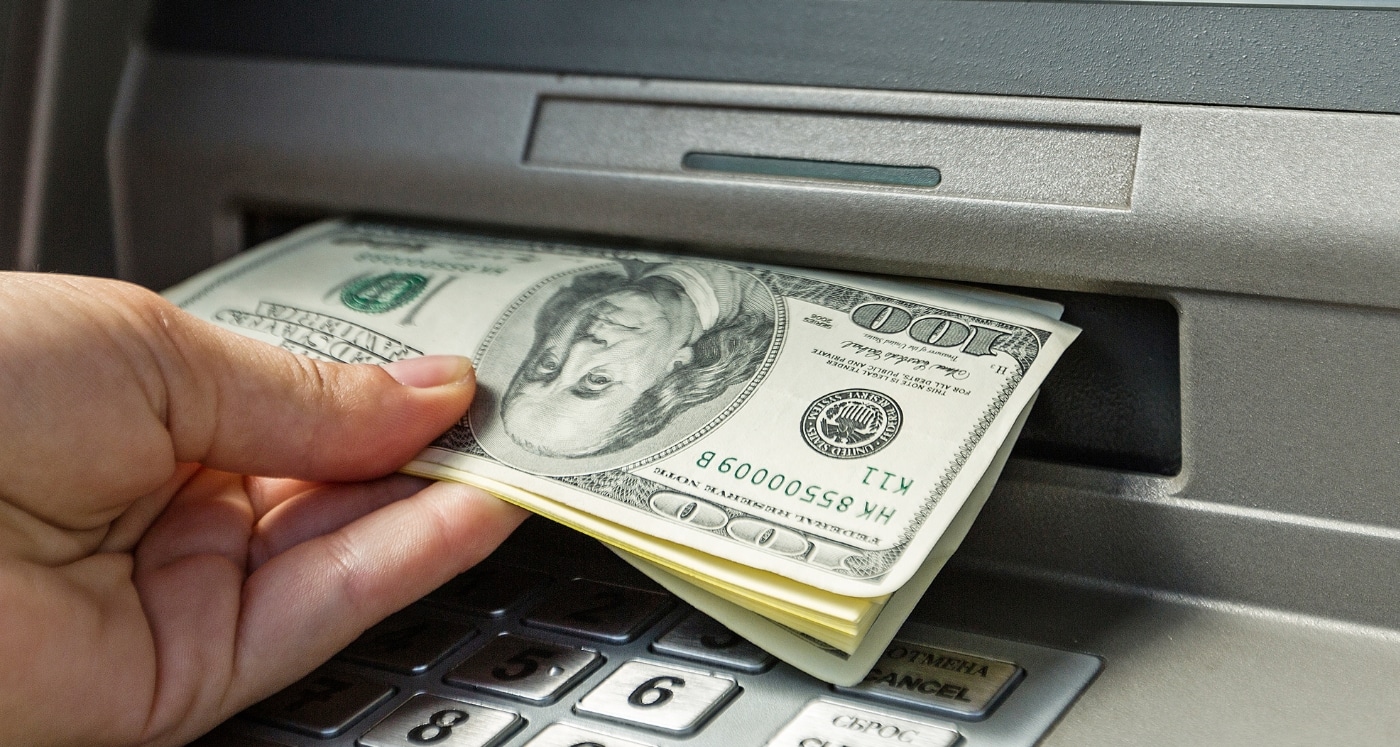
Automated Teller Machines (ATMs) are by far the most ubiquitous method for quick cash withdrawals. Available 24/7 at bank branches, retail locations, and various public spaces, ATMs provide unparalleled convenience. To use an ATM, you typically need a debit card linked to your checking or savings account and your Personal Identification Number (PIN).
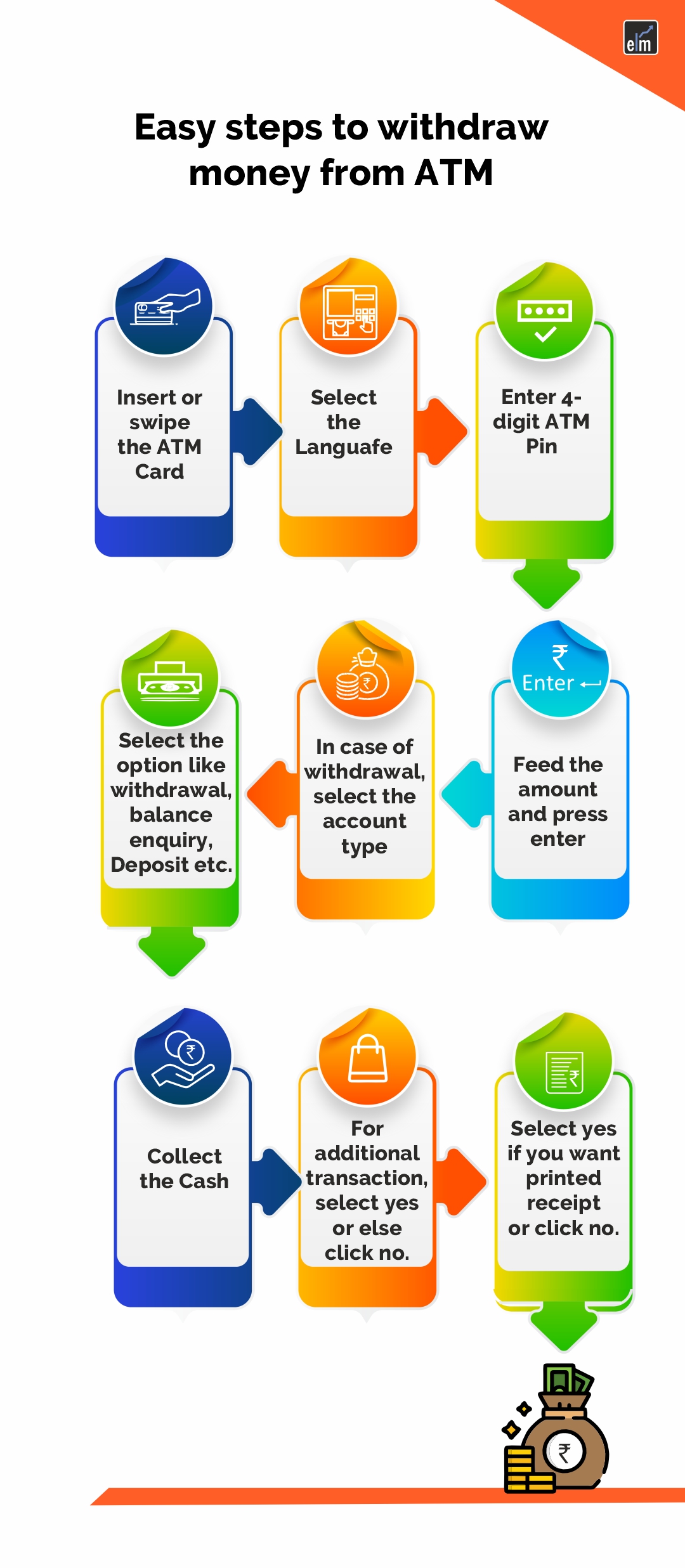
The process is generally intuitive: insert your card, enter your PIN, select “Withdrawal,” choose the account (checking or savings), enter the desired amount, and confirm. The machine will then dispense the cash and often a receipt. While incredibly convenient, ATMs usually have daily withdrawal limits set by the bank, which can vary significantly. It’s also vital to be aware of potential fees, especially when using an out-of-network ATM, which might incur charges from both your bank and the ATM owner.
For maximum convenience and to avoid fees, prioritizing ATMs within your bank’s network is advisable. Many banks also participate in surcharge-free networks (like Allpoint or MoneyPass), extending your access to free withdrawals beyond your bank’s immediate branches. Always check the ATM screen for fee disclosures before completing a transaction.
Teller-Assisted Withdrawals: The Personal Touch
For those who prefer face-to-face interaction, need to withdraw larger sums than an ATM allows, or require assistance with their transaction, visiting a bank teller is the traditional route. Teller services are available during bank operating hours at any branch.
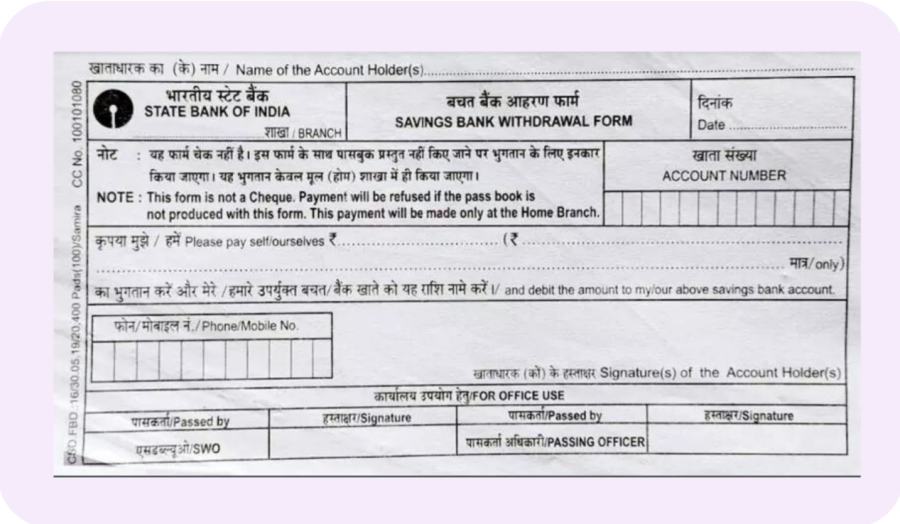
To withdraw money from a teller, you’ll typically need your debit card or account number, along with a valid government-issued photo ID (such as a driver’s license or passport). For some transactions, especially larger sums, you might also need to fill out a withdrawal slip. The teller will verify your identity and account details before processing your request.
Teller-assisted withdrawals offer several advantages: there are generally higher withdrawal limits compared to ATMs, you can often get specific denominations, and you have the opportunity to ask questions or conduct other banking services simultaneously. This method is particularly useful for substantial withdrawals where security and verification are paramount. It’s also the go-to option if your debit card is lost, stolen, or damaged, as long as you have proper identification.
Other Withdrawal Methods
While ATMs and tellers cover most needs, other less common methods exist for accessing your funds:
- Cash Back at Point of Sale (POS): Many retailers, particularly grocery stores and pharmacies, offer cash back with a debit card purchase. This allows you to get a small amount of cash without visiting a bank or ATM, often for a minimal fee or no fee at all.
- Bank Checks/Money Orders: If you need to pay someone in cash but want a secure record or a way to send money without directly handing over physical currency, issuing a bank check or a money order from your account is an option.
- Digital Wallet Withdrawals: Some advanced digital wallets or payment apps connected to your bank account allow you to withdraw cash at specific partner locations or ATMs using a QR code or NFC technology, bypassing the need for a physical card. This technology is still evolving but offers a glimpse into future withdrawal methods.
Navigating Withdrawal Limits and Fees
Understanding the parameters set by your bank and external factors is crucial to avoid unexpected issues when attempting to access your cash. Both withdrawal limits and potential fees can impact how and when you access your funds.
Daily and Transaction Limits
Banks impose withdrawal limits to protect both their customers and themselves from fraud and excessive cash handling. These limits typically apply on a daily basis and can vary significantly based on the type of account, your banking history, and the method of withdrawal.
- ATM Daily Limits: Most debit cards have a daily ATM withdrawal limit, which can range from a few hundred dollars to over a thousand. These limits are designed to mitigate losses in case of card theft or cloning. It’s important to know your specific card’s limit, which can usually be found in your account agreement, online banking portal, or by contacting your bank.
- Teller Withdrawal Limits: While less common, some banks may have internal policies for exceptionally large teller withdrawals, especially if they need to ensure sufficient cash reserves are available at that specific branch. Generally, teller withdrawals offer higher limits, often only restricted by the available balance in your account and the branch’s cash on hand.
- Debit Card Purchase Limits (Cash Back): If using the cash back option at a point of sale, there will typically be a lower limit on the amount of cash you can receive, often ranging from $20 to $100 per transaction.
If you anticipate needing to withdraw a sum exceeding your daily ATM limit, it’s best to plan ahead by either visiting a teller or contacting your bank to temporarily raise your limit (if permissible) or arrange for a special withdrawal.
Understanding ATM Fees (In-Network vs. Out-of-Network)
ATM fees can quickly erode the value of your withdrawal if you’re not careful. These fees primarily come in two forms:
- Surcharge Fees (from the ATM Owner): This is the fee charged by the bank or independent operator that owns the ATM you’re using. These fees are usually displayed on the ATM screen before you complete the transaction. Surcharge fees are most common when using an ATM that is not part of your bank’s network or a surcharge-free network.
- Foreign ATM Fees (from Your Bank): Some banks charge a fee for using an ATM that is outside of their network, in addition to any surcharge fee levied by the ATM owner. This is often referred to as a “foreign ATM fee.”
To minimize or avoid these fees, always prioritize using your bank’s ATMs or ATMs within a recognized surcharge-free network. Many banking apps have an ATM locator feature that can help you find the closest fee-free option. If you must use an out-of-network ATM, be aware of both potential fees before proceeding.
International Withdrawal Considerations
Withdrawing money while traveling abroad introduces an additional layer of complexity regarding limits and fees:
- Foreign Transaction Fees: In addition to ATM fees, your bank might charge a foreign transaction fee (typically 1-3% of the withdrawal amount) for international ATM withdrawals, even if the ATM itself doesn’t impose a surcharge.
- Dynamic Currency Conversion (DCC): When withdrawing money internationally, you might be offered the option to complete the transaction in your home currency (e.g., USD) rather than the local currency. While seemingly convenient, this process, known as Dynamic Currency Conversion (DCC), often comes with unfavorable exchange rates set by the ATM operator. It’s almost always better to choose to be charged in the local currency to get a better exchange rate from your bank.
- Notify Your Bank: Before traveling, inform your bank of your travel dates and destinations to prevent your card from being flagged for suspicious activity and potentially blocked. This ensures uninterrupted access to your funds.
Careful planning and awareness of these charges can save you a significant amount of money when accessing cash, especially when traveling.
Essential Security Measures for Safe Withdrawals
Security is paramount when dealing with your financial assets, particularly when physically withdrawing cash. Vigilance and adherence to best practices can significantly reduce the risk of fraud, theft, and other financial vulnerabilities.
Protecting Your ATM Card and PIN
Your debit card and PIN are the keys to your bank account via an ATM. Protecting them is your first line of defense:
- Memorize Your PIN: Never write your PIN down or share it with anyone. If you struggle to remember it, use a mnemonic device rather than storing it physically.
- Conceal Your PIN: When entering your PIN at an ATM or POS terminal, always cover the keypad with your free hand. This prevents “shoulder surfing” – where thieves attempt to view your PIN over your shoulder.
- Inspect the ATM: Before using an ATM, quickly check for any signs of tampering. Look for loose card readers, unusual overlays on the keypad, or tiny cameras. These could indicate a “skimming” device designed to steal your card information and PIN. If anything looks suspicious, do not use the ATM and report it to the bank.
- Keep Your Card Secure: Treat your debit card like cash. Store it in a secure wallet or purse and avoid leaving it unattended. If your card is lost or stolen, report it to your bank immediately to prevent unauthorized transactions. Many banks offer in-app features to instantly lock your card.
Vigilance During Teller Transactions
While generally more secure due to human interaction, teller transactions also require attention to detail:
- Verify Identity: Tellers are trained to verify your identity. Always have a valid, government-issued photo ID ready, even if you’re a regular customer. This is for your protection.
- Review Receipts: Always take and review your transaction receipt before leaving the counter. Ensure the amount withdrawn is correct and that the transaction details match your request.
- Discreet Handling of Cash: After receiving cash from a teller, discreetly place it into your wallet or bag before leaving the counter. Avoid openly counting large sums of money in public, which could attract unwanted attention.
- Be Aware of Surroundings: Just as with ATMs, be aware of people around you when entering and exiting the bank branch. If you feel uncomfortable, consider waiting or returning later.
Recognizing and Avoiding Scams
Fraudsters are constantly devising new ways to separate individuals from their money. Awareness is your best defense:
- Phishing/Vishing Attempts: Be wary of emails, texts, or phone calls purporting to be from your bank asking for your account number, PIN, or other sensitive information. Banks will rarely ask for such details unsolicited. If in doubt, contact your bank directly using a verified phone number or website.
- ATM “Helpers”: Never accept help from strangers at an ATM, even if they appear to be trying to assist you with a supposed machine error. This is a common tactic used to distract you while they swap your card or steal your cash.
- Emergency Scams: Be cautious of urgent requests for money, especially those claiming to be from family members in distress. Always verify the story through a separate, trusted contact method before sending any funds.
- Smash-and-Grab: Be aware of your surroundings, especially after dark. If you’re withdrawing a large amount, consider going with a companion or during daylight hours.
By integrating these security measures into your withdrawal habits, you can significantly mitigate risks and maintain the integrity of your financial assets.
Planning for Large or Unusual Withdrawals
While routine withdrawals are generally straightforward, accessing a substantial sum of money or making an out-of-the-ordinary transaction often requires additional planning and communication with your bank. Ignoring these steps can lead to delays, inconvenience, or even a denial of your request.
Notifying Your Bank in Advance
Banks operate with security protocols and cash management strategies designed for everyday transactions. A request for a very large cash withdrawal without prior notice can trigger internal alarms or exceed the branch’s immediate cash reserves.
- Why Notify? For amounts exceeding typical daily ATM limits or even several thousand dollars at a teller, it is highly recommended to notify your bank a day or two in advance. This allows the branch to ensure they have the requested funds available and can prepare for your visit. It also helps the bank identify legitimate large transactions versus potential fraudulent activity, thus speeding up your process.
- How to Notify: You can typically inform your bank by calling their customer service line, speaking with a branch manager, or sending a secure message through your online banking portal. Clearly state the amount, the approximate time of withdrawal, and the purpose (if requested, though usually not mandatory).
Proactive communication demonstrates responsible financial behavior and ensures a smoother, more efficient withdrawal experience, avoiding potential awkward situations or delays.
Required Documentation for Large Sums
Banks have a legal and ethical obligation to prevent money laundering, fraud, and other illicit activities. Consequently, large cash transactions are subject to stricter scrutiny and reporting requirements.
- Identity Verification: For any substantial withdrawal, expect to provide robust identification, typically one or two forms of government-issued photo ID (e.g., driver’s license, passport). This is standard procedure to confirm you are the legitimate account holder.
- Withdrawal Slip: You will almost certainly need to complete a withdrawal slip accurately, including the date, your account number, the amount, and your signature.
- Source of Funds/Purpose (Potentially): While less common for direct withdrawals from your own account, for extremely large amounts (e.g., tens of thousands), especially if it’s an unusual pattern for your account, a bank representative might ask about the purpose of the withdrawal or the source of the funds. This is part of their “Know Your Customer” (KYC) and anti-money laundering (AML) compliance. Be prepared to provide a reasonable explanation, but remember that banks cannot arbitrarily deny you access to your own funds without a legitimate, legally sanctioned reason.
- IRS Reporting: Be aware that cash withdrawals (and deposits) exceeding $10,000 in a single transaction or a series of related transactions within a 24-hour period are required by law to be reported to the IRS by the bank using a Currency Transaction Report (CTR). This is a regulatory requirement, not an indication of suspicious activity, but it’s important for individuals to understand the context.
Having all necessary documentation and being prepared to answer legitimate questions will help expedite the process and demonstrate your cooperation with banking regulations.
Alternatives to Large Cash Withdrawals
Sometimes, a large cash withdrawal isn’t the most practical or safest solution. Exploring alternatives can provide more secure and efficient ways to transfer or use significant sums of money.
- Wire Transfers: For sending large sums electronically to another individual or business, especially across different banks or internationally, a wire transfer is a secure and fast option. While fees apply, the funds are typically available within hours or a day.
- Cashier’s Checks (Certified Checks): If you need to make a payment for a large purchase (e.g., a car, down payment on a house) where the recipient requires guaranteed funds, a cashier’s check is an excellent alternative. The bank draws the funds directly from your account, issues a check from the bank itself, guaranteeing payment.
- Bank-to-Bank Transfers: For transferring funds between your own accounts at different banks, or to another individual’s account at the same bank, electronic transfers are often free and quick, bypassing the need for physical cash.
- Money Orders: For smaller payments where a personal check isn’t accepted, a money order is a secure, prepaid alternative available at banks and post offices.
Before opting for a large cash withdrawal, consider if one of these alternatives might be more appropriate, offering better security, traceability, and convenience for your specific financial need.
Optimizing Your Banking Habits for Withdrawals
Efficiently managing your cash withdrawals isn’t just about knowing how to get money; it’s about making smart choices that align with your overall financial health. By optimizing your banking habits, you can save on fees, enhance security, and ensure seamless access to your funds whenever needed.
Choosing the Right Bank Account
The type of bank account you hold significantly impacts your withdrawal experience. Different accounts come with varying features, fee structures, and access options.
- Checking Accounts: These are designed for everyday transactions, including frequent withdrawals. Look for checking accounts with no monthly fees, a wide network of surcharge-free ATMs, and perhaps even ATM fee reimbursements if you anticipate using out-of-network machines regularly. Some premium checking accounts might offer higher daily withdrawal limits.
- Savings Accounts: While savings accounts allow withdrawals, they are generally intended for longer-term savings and may have regulatory limits on the number of free withdrawals or transfers per month (often six per statement cycle for transfers and certain withdrawals, though cash withdrawals at an ATM or teller don’t always count towards this limit). Exceeding these limits can incur fees.
- Credit Union Accounts: Credit unions are member-owned financial institutions often known for lower fees and better interest rates. They may also participate in extensive shared ATM networks, offering broad access to cash without fees.
Carefully review the terms and conditions of your bank accounts, specifically focusing on ATM access, withdrawal limits, and any associated fees, to ensure they meet your cash access needs.
Leveraging Digital Banking Tools
Modern banking apps and online portals offer a suite of tools that can greatly enhance your withdrawal experience and financial management.
- ATM Locators: Most banking apps feature an ATM locator, allowing you to quickly find the nearest in-network or surcharge-free ATM, saving you time and money.
- Account Balances: Before heading to an ATM or teller, check your account balance through your banking app or online portal. This prevents insufficient fund issues and helps you plan your withdrawal amount accurately.
- Transaction History: Regularly reviewing your transaction history helps you track your spending, identify any unauthorized withdrawals promptly, and maintain financial awareness.
- Card Management: Many apps allow you to temporarily lock or unlock your debit card, report it lost or stolen, and even set spending limits. This provides an immediate layer of security if you misplace your card or suspect fraudulent activity.
- Alerts and Notifications: Set up alerts for withdrawals exceeding a certain amount, or for all debit card transactions. These real-time notifications can help you quickly spot and react to suspicious activity.
Embracing these digital tools can transform how you manage your funds, making withdrawals more informed, secure, and convenient.
Financial Planning and Cash Flow Management
Strategic financial planning extends beyond deposits and investments; it also encompasses how you manage your cash needs.
- Budgeting for Cash: Incorporate cash expenses into your budget. Knowing how much cash you typically need for various items (e.g., small purchases, tips, certain local vendors) helps you plan your withdrawals.
- Emergency Fund Access: While an emergency fund should ideally be in a high-yield savings account, ensure you have a clear plan for how to access some of that cash quickly if a true emergency arises, including knowing daily limits and alternative withdrawal methods.
- Minimize Unnecessary Withdrawals: Frequent, small withdrawals, especially from out-of-network ATMs, can accumulate significant fees. Try to consolidate your cash needs into fewer, larger withdrawals to save on transaction costs.
- Consider Cashless Alternatives: For transactions where cash isn’t strictly necessary, consider using debit cards, credit cards, or mobile payment apps. This not only offers convenience but also provides a digital record of your spending, which can be beneficial for budgeting and security.
By adopting a holistic approach to your banking habits, you can ensure that withdrawing money from your bank is always a seamless, secure, and financially intelligent part of your overall money management strategy. The digital age continues to reshape how we interact with our money, but the fundamental principles of access, security, and smart planning remain timelessly relevant.
aViewFromTheCave is a participant in the Amazon Services LLC Associates Program, an affiliate advertising program designed to provide a means for sites to earn advertising fees by advertising and linking to Amazon.com. Amazon, the Amazon logo, AmazonSupply, and the AmazonSupply logo are trademarks of Amazon.com, Inc. or its affiliates. As an Amazon Associate we earn affiliate commissions from qualifying purchases.