
In the bustling world of health supplements and skincare, ingredients are more than just chemical compounds; they are brand assets, marketing hooks, and cornerstones of corporate identity. Among the vast array of vitamins, Vitamin B3, available primarily as niacin and niacinamide (also known as nicotinamide), presents a fascinating case study in strategic branding and market differentiation. While biochemically distinct, their fundamental differences dictate radically divergent branding strategies, target consumer demographics, and product positioning. Understanding these nuances is critical for businesses aiming to carve out a distinct and profitable niche in an increasingly crowded marketplace.

This exploration delves beyond the chemical structures to examine how the inherent properties of niacin and niacinamide influence their brand narratives, marketing campaigns, and ultimately, their place in a company’s product portfolio and overall corporate identity.
Decoding the Core: Chemical Distinctions, Brand Perceptions
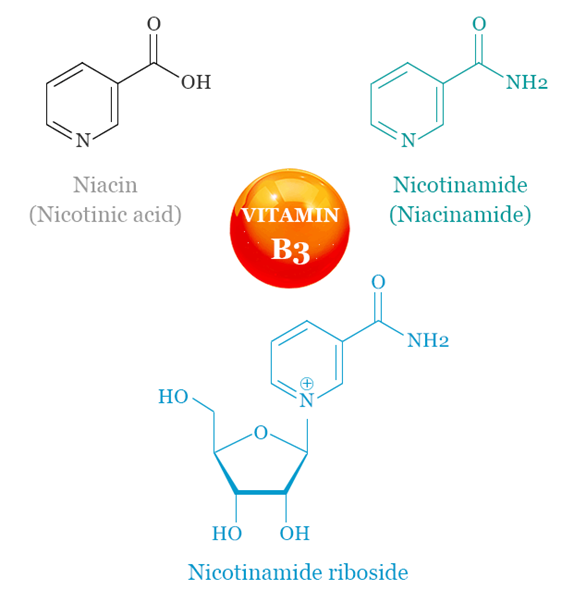
At a fundamental level, niacin and niacinamide are both forms of Vitamin B3, essential for various bodily functions, including energy metabolism and DNA repair. However, their molecular structures differ slightly, leading to distinct physiological effects that profoundly impact their marketability and brand positioning.
The Biochemical Reality Meets Market Realities
Niacin, or nicotinic acid, is historically known for its potent effects on cholesterol levels, particularly its ability to raise HDL (“good”) cholesterol and lower triglycerides. However, its most infamous side effect, the “niacin flush”—a temporary reddening, itching, and warmth of the skin—has become both a defining characteristic and a significant branding challenge. For consumers, this flush can be alarming and uncomfortable, demanding careful communication and expectation management from brands.
Niacinamide, on the other hand, is the amide form of niacin. Crucially, it does not typically cause the niacin flush, making it a “gentler” alternative. While it shares some of niacin’s general B3 benefits, its primary applications have expanded significantly beyond cholesterol management, particularly into the realm of skincare, where its anti-inflammatory and barrier-repairing properties are highly prized. These intrinsic differences are the raw material from which distinct brand identities are forged.
Initial Brand Impressions: From “Vitamin B3” to Differentiated Offerings
The initial brand impression for any B3-containing product hinges on which form is present. A product featuring “niacin” immediately conjures a specific set of associations, often related to cardiovascular health, potential side effects, and a more “medicinal” or potent profile. Conversely, a product highlighting “niacinamide” tends to evoke images of skin health, gentle efficacy, and broader wellness benefits, without the baggage of the flush.
For brand strategists, this initial perception is paramount. It influences everything from product naming and packaging design to the very tone of marketing copy. A brand choosing niacin understands it must address the flush head-on, framing it either as a sign of efficacy or providing solutions to mitigate it. A brand choosing niacinamide can focus on its versatility and gentle nature, positioning it for a wider audience without significant barriers to entry. This foundational understanding allows companies to build coherent brand narratives that resonate with their intended market segments from the outset.
The Niacin Paradox: Branding Around a “Flush”
Niacin’s efficacy in lipid management is well-documented, making it a valuable ingredient for certain health segments. Yet, the persistent challenge of the niacin flush dictates a unique and often complex branding strategy.
Managing the Niacin Flush: A PR and Marketing Tightrope Walk
For brands incorporating niacin, the flush is an unavoidable conversation. Marketing efforts must walk a fine line: acknowledging the flush without deterring potential users. Strategies include:
- Framing it as a “sign of activation”: Position the flush as an indicator that the product is working, turning a negative into a perceived positive.
- Providing clear instructions: Emphasizing dosage, timing (e.g., taking with food), and gradual introduction to minimize discomfort, showcasing the brand’s commitment to consumer well-being.
- Educating consumers: Offering detailed information on what to expect and how to manage the flush, building trust through transparency.
- Product innovation: Developing and branding “no-flush” or “extended-release” niacin variants (though often these forms might have different efficacy profiles for cholesterol management, which then becomes another branding point to address).
Successful brands manage the flush not as a flaw, but as a characteristic requiring informed usage, thereby fostering a sense of partnership with their consumers.
Target Market Niche: Cholesterol Management and Cardiovascular Health Branding
Niacin’s specific efficacy in managing cholesterol naturally leads to a branding strategy focused on cardiovascular health. Products containing niacin are often positioned towards an older demographic or individuals specifically seeking support for lipid profiles. The marketing language tends to be more clinical, authoritative, and benefits-driven, emphasizing scientific backing and specific health outcomes.
Brand visuals often incorporate elements of trust, stability, and medical authority, using colors and typography that convey seriousness and efficacy. Unlike more general wellness supplements, niacin-based products often aim for a more specialized, problem-solution branding, directly addressing a health concern rather than broad lifestyle enhancement. This targeted approach allows brands to speak directly to a specific pain point and offer a perceived expert solution.
Formulating Trust: Extended-Release and No-Flush Niacin Branding
The market has responded to the flush challenge with innovations like extended-release niacin and forms marketed as “no-flush.” These innovations present new branding opportunities.
- Extended-release niacin: Brands emphasize sustained action and reduced flush intensity, positioning these products as a superior, more tolerable version for those committed to niacin’s benefits. The branding often focuses on advanced formulation and convenience.
- No-flush niacin: While the “no-flush” claim is appealing, marketers must carefully navigate the distinction between truly avoiding the flush and potentially altering the efficacy for specific lipid benefits. The branding here often prioritizes comfort and general wellness, sometimes subtly shifting away from direct, high-dose cholesterol claims that are more associated with immediate-release niacin.
For companies, the decision to develop and brand these variants reflects a strategic choice to mitigate known brand weaknesses and expand market appeal, even if it means differentiating within their own product lines.
Niacinamide’s Ascent: Versatility, Skincare, and Broad Appeal Branding
Niacinamide’s absence of the flush, coupled with its wide-ranging benefits, has allowed it to become a superstar ingredient, particularly in the beauty and general wellness sectors, fostering a completely different branding ecosystem.
The Skincare Revolution: Niacinamide’s Branding Triumph in Cosmetics
Niacinamide has experienced a meteoric rise as a hero ingredient in skincare. Its ability to reduce inflammation, minimize pores, improve skin barrier function, and even diminish hyperpigmentation makes it incredibly versatile. This versatility is a brand strategist’s dream.
- “Multi-tasker” branding: Skincare brands highlight niacinamide as a single ingredient that addresses multiple concerns, simplifying routines and appealing to efficiency-conscious consumers.
- “Gentle efficacy” messaging: Its non-irritating nature allows brands to position it for sensitive skin types, broadening its appeal. This is a stark contrast to the caution often associated with stronger active ingredients.
- Ingredient transparency: The ingredient itself has become a branded keyword. Brands don’t just include it; they feature it prominently in product names, claims, and marketing materials, leveraging its growing reputation.
- Influencer marketing: Niacinamide’s positive reputation has been amplified by beauty influencers and dermatologists, creating an organic, peer-driven branding momentum that’s invaluable for market penetration.
For cosmetic companies, niacinamide isn’t just an additive; it’s a key brand differentiator and a significant driver of consumer trust and loyalty.
Dietary Supplement Positioning: General Wellness vs. Targeted Benefits
In oral supplements, niacinamide is often positioned for broader B3 benefits without specific high-dose, clinical claims for cholesterol management typically associated with niacin. Its branding in this context emphasizes:
- General health and well-being: Supporting cellular energy, nervous system function, and overall vitality.
- Non-irritating experience: Highlighting the absence of the flush as a primary benefit for those seeking B vitamins without discomfort.
- Stackability: Positioned as a safe and effective component within a multi-vitamin or alongside other supplements, appealing to consumers building comprehensive wellness routines.
The marketing language for niacinamide supplements tends to be more holistic, lifestyle-oriented, and less clinically intense than that for niacin. It aims for a wider demographic interested in foundational health rather than specific medical interventions.
“Gentle” and “Universal”: Crafting a Broad Consumer Appeal
The core brand attributes of niacinamide are “gentle” and “universal.” This perception allows brands to:
- Broaden target audiences: Appeal to almost anyone looking for skincare benefits or general B-vitamin support, from teenagers dealing with acne to adults focused on anti-aging or overall health.
- Create accessible products: The ease of use and low barrier to entry mean brands can develop products that are suitable for a mass market, not just specialized niches.
- Foster positive emotional connections: “Gentle” implies care, safety, and comfort, establishing a positive emotional brand connection that encourages repeat purchases and brand loyalty.
Niacinamide’s brand story is one of broad applicability, comfort, and versatile efficacy, positioning it as a fundamental building block for a wide array of health and beauty products.
Strategic Brand Portfolio Management: Niacin vs. Niacinamide in a Corporate Context
For supplement and cosmetic manufacturers, the existence of both niacin and niacinamide presents strategic opportunities for portfolio diversification and targeted market penetration. Companies often leverage both, but with distinct branding and marketing objectives.
Product Line Diversification: Meeting Diverse Consumer Needs
A shrewd corporate strategy often involves offering both forms of B3, but within clearly differentiated product lines.
- Dedicated Niacin Lines: These products are often positioned in the “serious health” or “therapeutic” segment, with clear warnings about the flush and a strong emphasis on cholesterol-lowering or circulatory benefits. The branding would lean towards scientific, trustworthy, and clinical.
- Niacinamide-Centric Products: These would populate the “general wellness,” “beauty,” or “sensitive care” segments. Their branding would focus on gentleness, versatility, and broad appeal, often appearing in multi-ingredient formulations.
This diversification allows a company to capture multiple market segments, from health-conscious individuals focused on specific medical indications to beauty enthusiasts seeking cosmetic improvements. Each product, while containing a form of B3, speaks to a different consumer need and psychological trigger.
Marketing Language and Visual Identity: Reinforcing Brand Differentiation
The packaging, claims, and overall visual identity are crucial in reinforcing the distinction between niacin and niacinamide products.
- Niacin Product Branding: Expect more subdued, professional packaging, often with clear dosage instructions and warnings. Language focuses on terms like “lipid support,” “cardiovascular health,” “doctor recommended,” or “scientifically formulated.”
- Niacinamide Product Branding: Packaging tends to be brighter, more aesthetically pleasing, especially in skincare. Language emphasizes terms like “skin barrier,” “anti-aging,” “blemish control,” “radiance,” “gentle,” or “daily wellness.”
Even the choice of colors, fonts, and imagery plays a role. Niacin products might use blues, whites, and greens suggesting medical purity or calm, while niacinamide skincare might feature pastels, minimalist designs, or imagery of glowing, healthy skin. These visual and linguistic cues are vital for immediate brand recognition and to guide consumer choice.
Building Brand Equity: The Long-Term Vision for B3 Derivatives
Ultimately, the strategic differentiation between niacin and niacinamide contributes to a brand’s overall equity. By consistently delivering on the promises made for each form, companies build a reputation for understanding specific consumer needs and providing targeted, effective solutions. A brand known for high-quality, effective niacin for cholesterol management, and simultaneously praised for its gentle, versatile niacinamide in skincare, demonstrates a sophisticated understanding of the market and the diverse applications of its ingredients. This dual-pronged approach showcases adaptability, innovation, and a commitment to serving a wide spectrum of health and beauty goals, reinforcing a strong, multifaceted corporate identity.

Conclusion
The seemingly simple question, “What’s the difference between niacin and niacinamide?” unlocks a complex world of brand strategy and marketing acumen. Beyond their biochemical variations, these two forms of Vitamin B3 embody distinct challenges and opportunities for businesses in the health and wellness sphere. Niacin, with its potent effects and the infamous “flush,” demands careful messaging, niche targeting, and innovation in formulation to manage consumer expectations and highlight its specific benefits. Niacinamide, by contrast, thrives on its gentleness and versatility, becoming a celebrated ingredient in skincare and a broad-appeal offering in general wellness supplements.
For any brand or company operating in this space, recognizing these intrinsic differences and translating them into coherent brand narratives, targeted marketing campaigns, and a strategically diversified product portfolio is not just an advantage—it’s a necessity. It ensures that products are not only effective but also understood, desired, and trusted by the diverse consumers they aim to serve, ultimately contributing to a robust and adaptable corporate identity in a competitive market.
aViewFromTheCave is a participant in the Amazon Services LLC Associates Program, an affiliate advertising program designed to provide a means for sites to earn advertising fees by advertising and linking to Amazon.com. Amazon, the Amazon logo, AmazonSupply, and the AmazonSupply logo are trademarks of Amazon.com, Inc. or its affiliates. As an Amazon Associate we earn affiliate commissions from qualifying purchases.