
When asking “what’s the biggest casino in the world,” the answer depends entirely on the metric one chooses to prioritize. In the high-stakes world of global finance and commercial real estate, “size” can be measured by physical square footage, the number of gaming positions, total asset valuation, or annual gross gaming revenue (GGR).
From a financial perspective, these massive complexes are not merely places to gamble; they are multi-billion-dollar integrated resorts (IRs) that serve as anchors for regional economies. They represent some of the most complex financial ecosystems on the planet, blending hospitality, retail, entertainment, and high-frequency financial transactions. This article explores the world’s largest casinos through the lens of business strategy, investment, and economic impact.
The Financial Landscape of the World’s Largest Gaming Destinations
To understand the scale of the world’s largest casinos, one must first understand the shift in the global economic center of gravity for gaming. For decades, the Las Vegas Strip was the undisputed capital of the industry. However, the early 21st century saw a massive capital migration toward Asia, specifically Macau, and a surprising expansion of tribal gaming in the United States.
Measuring Size: Square Footage vs. Revenue
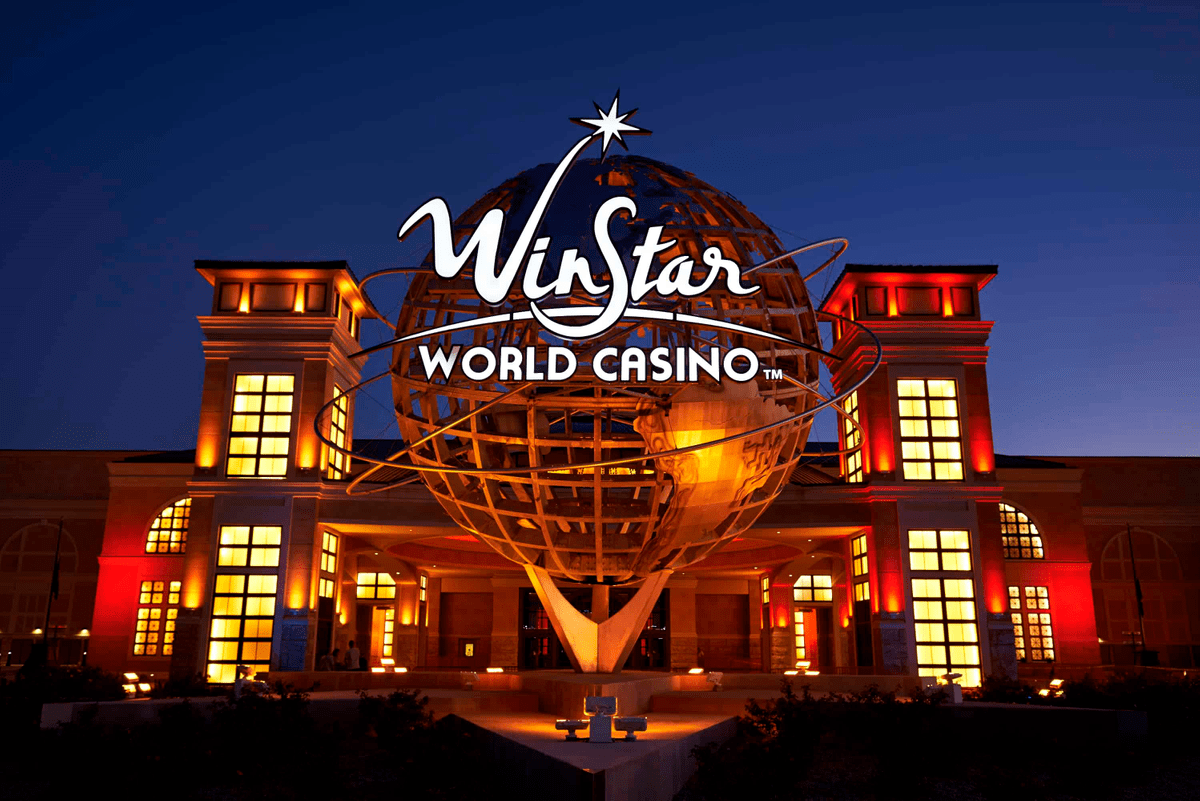
In the business of gaming, physical size often correlates with the capacity to generate cash flow. The “biggest” casino by square footage—the WinStar World Casino in Oklahoma—occupies a different niche than the “biggest” by revenue, such as the massive properties in Macau’s Cotai Strip. For investors, the latter is often more significant. While a property might boast 600,000 square feet of gaming space, its profitability is determined by its “win per unit” and its ability to attract high-net-worth “whales” versus high-volume “grind” players.
The Macau Influence: The Economic Engine of the East
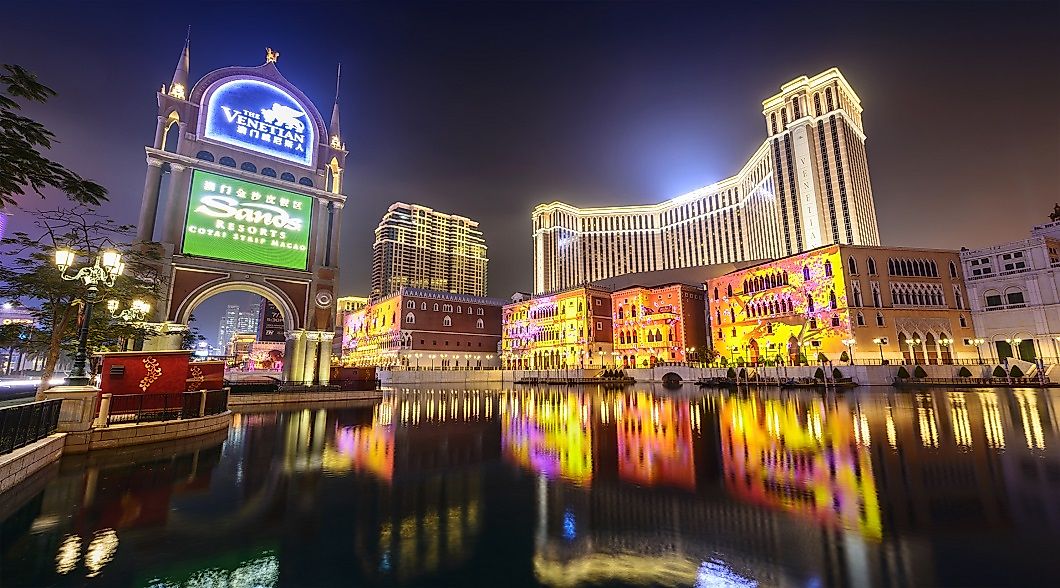
Macau remains the only place in China where casino gambling is legal, making it a financial anomaly and a powerhouse of liquidity. Before the global shifts of 2020, Macau’s gaming revenue frequently quintupled that of Las Vegas. The scale of the properties here, such as The Venetian Macao, reflects a massive capital expenditure (CAPEX) strategy designed to capture the growing middle class of mainland China and the ultra-wealthy elite of Southeast Asia.
The Crown Jewel: WinStar World Casino and Resort
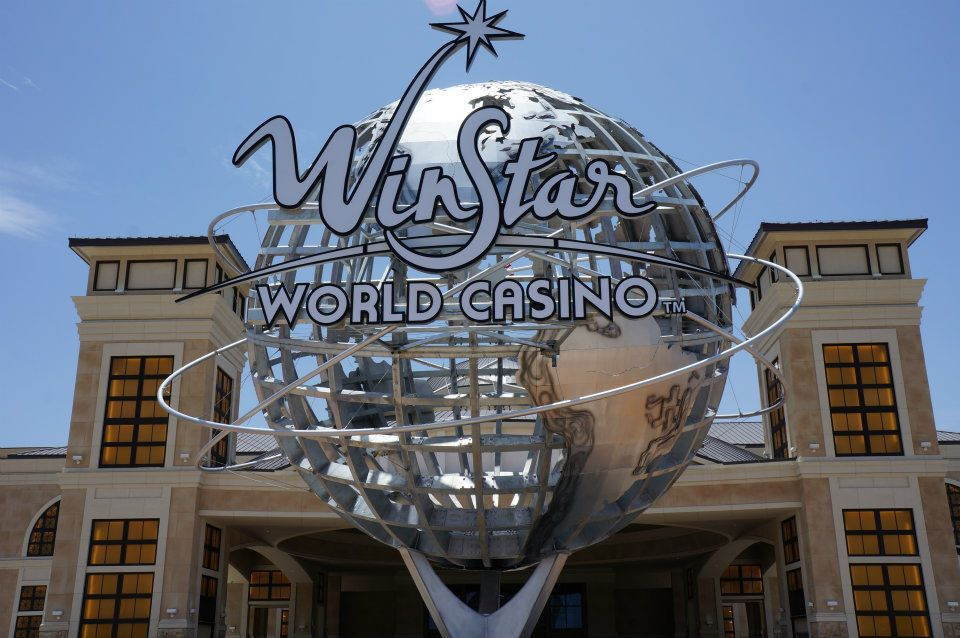
While many assume the world’s largest casino must be in Macau or Las Vegas, the titleholder by sheer physical dimensions is the WinStar World Casino and Resort in Thackerville, Oklahoma. Owned and operated by the Chickasaw Nation, WinStar represents the pinnacle of tribal gaming finance—a sector that has grown into a multi-billion-dollar pillar of the American economy.
The Business Model of a Tribal Gaming Giant
WinStar’s success is a masterclass in geographic arbitrage. Located just across the Texas border, it captures the massive Dallas-Fort Worth market, where casino gambling is restricted. By providing a “Las Vegas-style” experience within driving distance of a major metropolitan hub, the Chickasaw Nation has built a recession-resistant financial fortress.
The business model relies on high-volume electronic gaming machines (EGMs). With over 10,000 games spread across nine “city-themed” plazas, the property maximizes its yield per square foot. Unlike the high-volatility VIP baccarat model common in Asia, WinStar’s revenue is driven by steady, predictable volume from a loyal regional demographic.
Economic Impact on Regional Development
The financial footprint of WinStar extends far beyond the casino floor. The revenue generated is reinvested into the Chickasaw Nation’s diverse portfolio, which includes healthcare, education, and infrastructure. Furthermore, the casino acts as a primary employer in southern Oklahoma, supporting thousands of jobs and stimulating ancillary businesses in the hospitality and service sectors. This demonstrates how a single massive gaming asset can serve as a catalyst for regional macroeconomic stability.
The Venues of Cotai: Venetian and City of Dreams
Moving across the globe to Macau, the “biggest” casinos take on a different financial character. The Cotai Strip—a piece of reclaimed land connecting the islands of Coloane and Taipa—is home to some of the most expensive pieces of real estate ever constructed.
The Venetian Macao: An Architectural and Financial Marvel
Owned by Las Vegas Sands, The Venetian Macao held the title of the world’s largest casino for years and remains a titan in terms of revenue generation. Spanning 546,000 square feet of gaming space, it was built with a budget of approximately $2.4 billion.
From an investment standpoint, The Venetian Macao pioneered the “Integrated Resort” (IR) model in Asia. The strategy was to diversify income streams so that the property remained profitable even if gaming volumes fluctuated. By incorporating a 15,000-seat arena, 1.2 million square feet of convention space, and a massive luxury retail mall, the property captures “non-gaming revenue” that rivals its casino earnings. This diversification reduces the risk profile for shareholders and provides a more stable EBITDA (Earnings Before Interest, Taxes, Depreciation, and Amortization).
City of Dreams: Targeting the High-Yield Segment
Directly across from The Venetian is the City of Dreams, operated by Melco Resorts & Entertainment. While it may have a smaller physical footprint than WinStar, its financial density is staggering. The City of Dreams focuses on the premium mass and VIP segments. The property’s strategy involves high-end luxury branding—highlighted by the Morpheus hotel tower, an architectural feat that cost $1.1 billion alone. The focus here is on high-margin hospitality and ultra-high-limit gaming, showcasing how “size” in the casino world is often about the depth of the patrons’ pockets rather than the length of the hallways.
Investment Perspectives: The Future of Global Gaming Real Estate
For those looking at the “biggest” casinos through the lens of personal finance or institutional investment, the industry is currently in a state of evolution. The massive physical footprints of the past are being supplemented—and in some cases, challenged—by digital expansion and global diversification.
The Shift Toward Digital Diversification
The world’s largest gaming companies, such as MGM Resorts International and Caesars Entertainment, are no longer just focused on building the “biggest” physical box. They are aggressively investing in “iGaming” and sports betting platforms. The financial logic is clear: digital platforms have lower overhead, no physical capacity limits, and can reach customers anywhere.
This creates a hybrid valuation for these companies. An investor is no longer just buying a share of a building in Las Vegas or Macau; they are buying a share of a global technology and data platform. This shift has changed how “size” is perceived in the market, with “active user base” becoming a metric as vital as “square footage.”
Risk Management in the High-Stakes Casino Market
Investing in the world’s largest casinos carries unique risks. These include:
- Regulatory Risk: Changes in gaming laws or visa restrictions (particularly in Macau) can wipe out billions in market capitalization overnight.
- Geopolitical Tension: As US-China relations fluctuate, American operators in Macau (Sands, Wynn, MGM) face uncertainties regarding concession renewals.
- Capital Intensity: Maintaining a “world’s largest” status requires constant reinvestment. A property that fails to refresh its amenities can quickly lose its competitive edge, leading to “dead capital.”
Conclusion: The Magnitude of the Modern Casino
When we identify the biggest casino in the world, we are looking at a monument to modern capitalism. Whether it is the sprawling halls of the WinStar World Casino in Oklahoma or the opulent towers of The Venetian Macao, these properties are more than just venues for games of chance. They are massive economic engines, major employers, and complex financial instruments.
For the business professional or investor, these “behemoths of betting” represent a fascinating intersection of real estate, psychology, and global finance. The “biggest” casino is not just the one with the most slots; it is the one that most effectively leverages its scale to create a sustainable, diversified, and highly profitable ecosystem in an ever-changing global market. As the industry moves toward a more digital future, the definition of “size” will continue to evolve, but the allure of the massive physical resort remains a cornerstone of global commerce.
aViewFromTheCave is a participant in the Amazon Services LLC Associates Program, an affiliate advertising program designed to provide a means for sites to earn advertising fees by advertising and linking to Amazon.com. Amazon, the Amazon logo, AmazonSupply, and the AmazonSupply logo are trademarks of Amazon.com, Inc. or its affiliates. As an Amazon Associate we earn affiliate commissions from qualifying purchases.