
The question “What happened to Jon B?” is frequently searched by fans of 90s R&B, yet the answer lies not in a narrative of disappearance, but in one of strategic brand evolution. Jonathan David Buck, known professionally as Jon B, represents a fascinating case study in personal branding. In an industry notorious for chewing up and spitting out “flavor of the month” artists, Jon B has maintained a three-decade career by transitioning from a major-label powerhouse to a boutique, independent brand.
To understand what happened to Jon B is to understand the mechanics of brand equity, market positioning, and the pivot from mainstream visibility to niche dominance. This article analyzes how Jon B navigated the shifting landscapes of the music industry to remain a relevant and profitable personal brand in the 21st century.
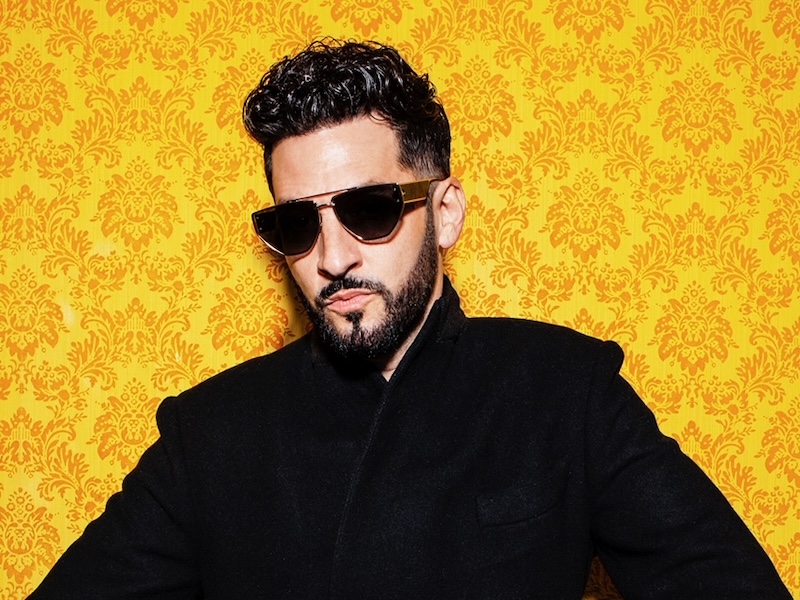
The Architect of 90s R&B: Establishing the Brand Identity
In the mid-1990s, the R&B landscape was dominated by vocal powerhouses and New Jack Swing pioneers. Jon B entered the market with a unique brand identity that was both familiar and disruptive. His initial success was not accidental; it was the result of a perfectly executed brand launch supported by one of the industry’s greatest “brand managers,” Kenneth “Babyface” Edmonds.
Finding the Unique Selling Proposition (USP)
Every successful brand needs a Unique Selling Proposition (USP)—something that distinguishes it from a crowded field of competitors. For Jon B, his USP was the “Blue-Eyed Soul” narrative, but with a degree of authenticity that had rarely been seen. While he was a white artist, his sound was indistinguishable from the most respected R&B acts of the time.
His debut album, Bonafide, wasn’t just a musical release; it was a brand statement. By collaborating with Babyface on the hit “Someone to Love,” Jon B’s brand was instantly “certified” by the R&B elite. This strategic association gave him immediate credibility within the African American community, a market segment that remains his most loyal consumer base today.
The Impact of “Cool Relax” on Brand Equity
If Bonafide introduced the brand, 1997’s Cool Relax solidified its equity. This era defined the Jon B aesthetic: sophisticated, smooth, and emotionally vulnerable. The brand was positioned as the “Thinking Man’s R&B.” Songs like “They Don’t Know” and “Are U Still Down” (featuring 2Pac) were masterclasses in market alignment.
The collaboration with 2Pac was particularly significant for his brand strategy. It aligned the “smooth R&B” brand with the “street-credible hip-hop” brand, expanding his reach without diluting his core identity. By the end of the 90s, Jon B had built a massive amount of brand equity—a reservoir of goodwill and recognition that he would lean on for the next twenty years.
Navigating the Shift: From Major Label Mainstream to Independent Niche
The early 2000s brought a seismic shift to the music business. The rise of digital piracy and the decline of the “superstar” era forced many artists to rethink their business models. Jon B’s departure from Epic Records marked a pivotal moment in his brand’s lifecycle.
The Transition to Independence (Vibezelect)
When the major label system no longer aligned with his creative or financial goals, Jon B made a strategic pivot that many legacy brands eventually face: going independent. He founded his own label, Vibezelect. This was a move from “Mass Market” to “Boutique.”
In branding terms, this transition allowed him to regain control over his Intellectual Property (IP). While his mainstream visibility decreased—leading many to ask “what happened?”—his profit margins per unit increased. He was no longer a cog in the Sony/Epic machine; he was the CEO of his own personal brand. This shift is a common trajectory for established brands that prioritize longevity and creative control over high-volume, low-margin mass distribution.
Maintaining Brand Consistency in a Changing Market
One of the biggest risks in personal branding is “brand drift”—changing the identity so much to fit current trends that you alienate your core audience. Throughout the 2000s and 2010s, Jon B remained remarkably consistent. While R&B moved toward “Trap-Soul” and heavy electronic production, Jon B stayed true to his signature “Vibezelect” sound—a mix of soul, jazz, and classic R&B.
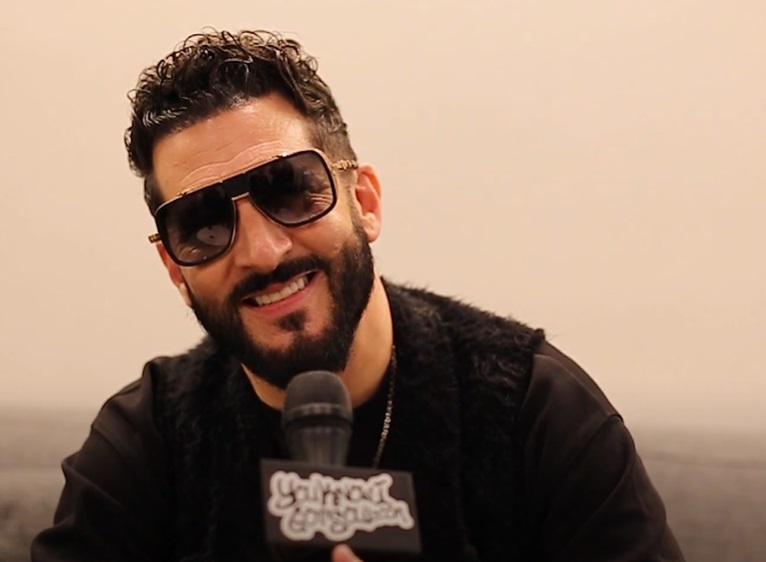
By refusing to chase fleeting trends, he protected his brand integrity. Fans knew exactly what to expect from a Jon B product. This consistency turned his audience from casual listeners into brand evangelists, ensuring that even without major radio play, his tours continued to sell out and his independent releases reached the Billboard charts.
Digital Resilience: Leveraging Social Media and Modern Platforms
The answer to “what happened to Jon B” is most visible on digital platforms. Like any modern corporate brand, Jon B had to adapt to the digital age. He successfully transitioned his legacy brand into a digital-first entity, utilizing social media to bypass traditional gatekeepers.
Cultivating the “Legacy Brand” Narrative
In recent years, Jon B has leaned into his status as a “Legacy Brand.” In marketing, a legacy brand relies on nostalgia while staying active enough to remain contemporary. Through platforms like Instagram and YouTube, he engages directly with a multi-generational fan base.
He uses these platforms not just to sell music, but to sell the lifestyle of his brand. By sharing behind-the-scenes content of his home studio and snippets of his live performances, he humanizes the brand. This transparency builds “Brand Intimacy,” a higher level of connection where the consumer feels a personal stake in the artist’s success.
Strategic Collaborations and Staying Relevant
A key brand strategy for legacy acts is the “Collaboration Refresh.” By working with younger artists who were influenced by his work—such as Don Toliver or Summer Walker—Jon B introduces his brand to a Gen Z and Millennial audience.
These collaborations act as a form of brand endorsement. When a trending modern artist samples a Jon B track or features him on a song, they are essentially providing a “stamp of approval” to a new demographic. This keeps the brand “cool” and prevents it from being relegated solely to the “oldies” category.
Lessons for Modern Personal Brands
The trajectory of Jon B’s career offers several high-value lessons for entrepreneurs, influencers, and corporate leaders looking to build a sustainable personal brand.
Authenticity as a Sustainable Asset
The most critical component of the Jon B brand has always been authenticity. In an era of “manufactured” stars, his genuine talent as a songwriter and producer acted as a moat around his brand. For any personal brand, technical proficiency and genuine passion are the best defenses against market volatility. If the “product” (the music/talent) is high quality, the brand can survive shifts in distribution and marketing.
Owning the Narrative and Direct-to-Consumer Engagement
Jon B’s move to independence highlights the importance of owning your distribution channels. In the modern economy, the closer you are to your customer, the more secure your brand is. By building a direct relationship with his fans through touring and social media, Jon B eliminated the need for a “middleman” (the major label).
For modern brands, this means building an email list, a dedicated social following, or a private community. When you own the connection to your audience, you are no longer at the mercy of an algorithm or a corporate executive. You can control the narrative of “what happened” to you by showing up daily in your customers’ feeds.
The Power of Niche Dominance
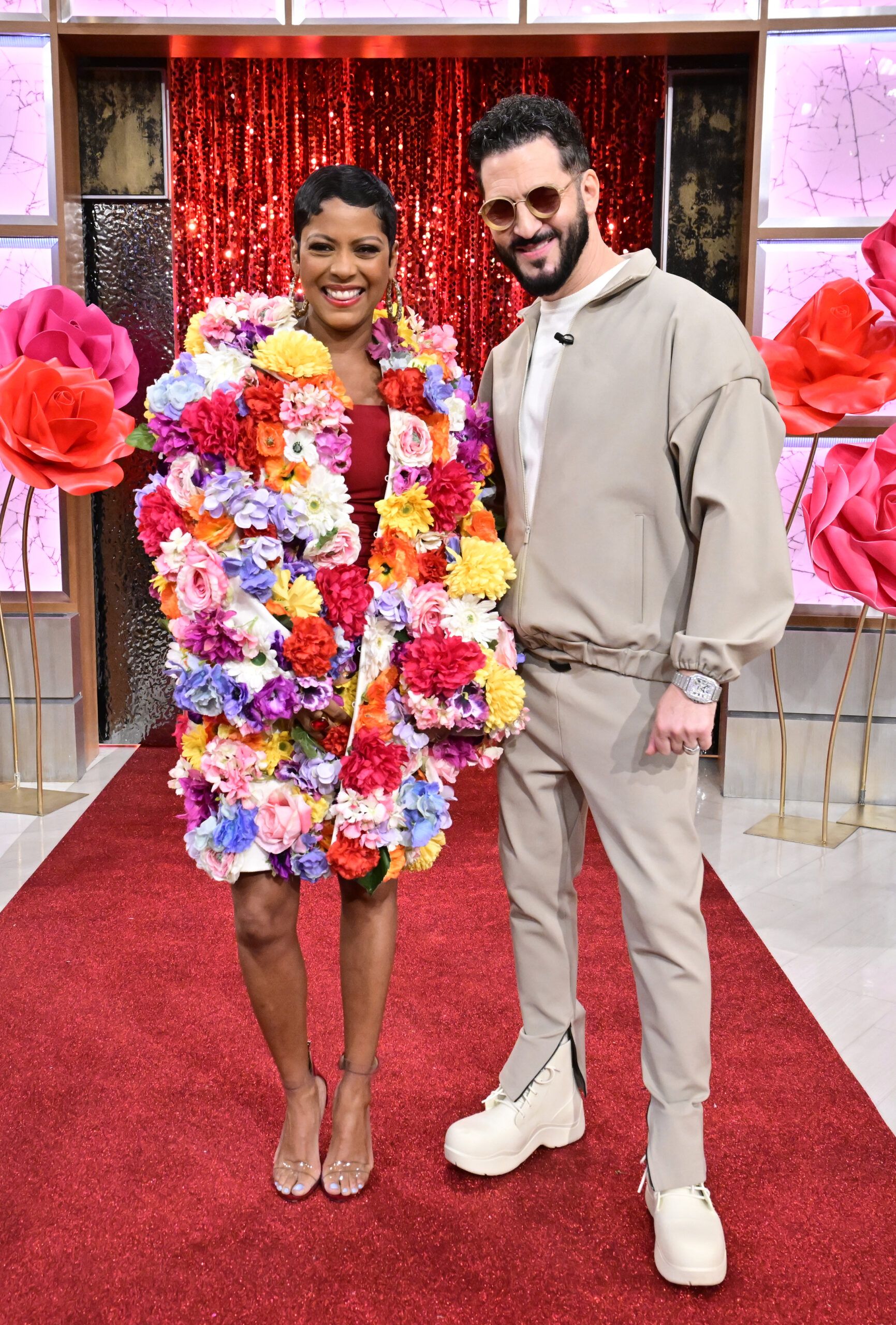
Finally, Jon B proves that you don’t need to be the biggest brand in the world to be successful; you just need to be the most important brand to a specific group of people. He successfully moved from “Global Pop Star” to “R&B Icon.” By dominating his specific niche, he has ensured a lifelong career with a steady income stream from royalties, touring, and appearances.
In conclusion, “what happened to Jon B” is that he grew up. He successfully navigated the difficult transition from a youth-oriented pop star to a respected elder statesman of soul. His journey is a blueprint for brand longevity: establish a strong USP, protect your brand equity, adapt to new technology, and never sacrifice your core identity for a passing trend. Jon B didn’t go anywhere; he simply evolved into a more sustainable, independent, and authentic version of the brand he started thirty years ago.
aViewFromTheCave is a participant in the Amazon Services LLC Associates Program, an affiliate advertising program designed to provide a means for sites to earn advertising fees by advertising and linking to Amazon.com. Amazon, the Amazon logo, AmazonSupply, and the AmazonSupply logo are trademarks of Amazon.com, Inc. or its affiliates. As an Amazon Associate we earn affiliate commissions from qualifying purchases.