
Understanding the average pay in Mexico is crucial for a variety of stakeholders, from individuals seeking employment and setting salary expectations to businesses looking to establish competitive compensation packages and investors evaluating economic potential. This exploration delves into the nuances of Mexican salary structures, the factors that influence them, and the practical implications for both employees and employers. While a single, definitive “average” can be misleading due to the vast disparities across regions, industries, and skill levels, we can paint a comprehensive picture by examining key statistics, contributing elements, and the evolving economic landscape.
Decoding the Numbers: A Look at Average Salaries in Mexico
The concept of an “average salary” in any country is an aggregate figure that masks significant variations. For Mexico, this is particularly true. Official statistics often provide a baseline, but it’s essential to understand what these figures represent and their limitations.
The National Minimum Wage and its Impact
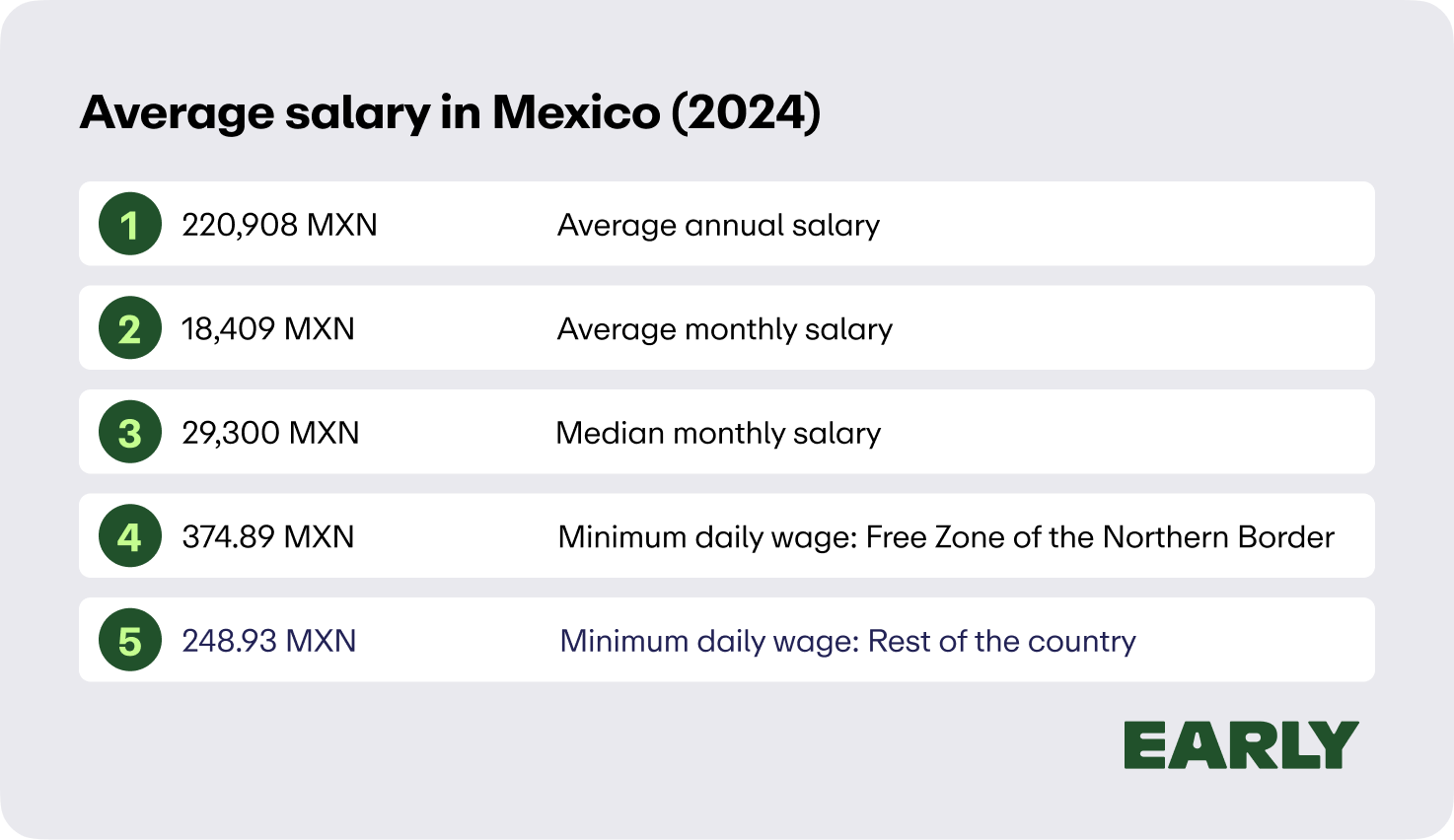
Mexico’s minimum wage is set by the National Minimum Wage Commission and is periodically updated. It’s important to note that there are two distinct minimum wage zones: Zone A (northern border states) and Zone B (the rest of the country). The minimum wage serves as a floor, and while many salaries are significantly higher, it provides a fundamental benchmark for the lowest paid workers and influences wage negotiations at the lower end of the spectrum. As of recent updates, the minimum wage in Zone A has been higher than in Zone B, reflecting the economic realities of border regions with closer ties to the U.S. economy.
Average Salaries by Sector and Industry
The most significant determinant of average pay in Mexico is the industry in which one is employed. High-demand sectors, particularly those with a strong international presence or requiring specialized skills, tend to offer considerably higher remuneration.
Manufacturing and Automotive Hubs
Mexico’s robust manufacturing sector, especially the automotive industry, is a major employer. Cities and regions with large manufacturing plants, particularly in the Bajío region (states like Guanajuato, Jalisco, and Querétaro) and northern border states, often report higher average salaries. These roles can range from assembly line workers to engineers, with compensation varying accordingly. While entry-level positions might be closer to the minimum wage, experienced technicians and engineers can command substantial salaries.
Technology and Digital Services
The growing tech sector in Mexico, with hubs like Mexico City, Guadalajara, and Monterrey, offers competitive salaries, especially for skilled professionals in software development, data science, cybersecurity, and digital marketing. While still developing compared to global tech powerhouses, the demand for these skills is driving up average compensation in this niche. Companies, both local and international with a presence in Mexico, are increasingly investing in talent, leading to attractive salary packages.
Tourism and Hospitality
Mexico’s thriving tourism industry, a significant contributor to its GDP, provides a wide spectrum of employment opportunities. Salaries in this sector can vary dramatically, from entry-level service roles in resorts and restaurants to management positions and specialized tourism services. Coastal tourist destinations and major urban centers with significant tourist traffic generally offer higher average pay for these roles compared to less tourist-dependent regions.
Finance and Professional Services
The financial sector, consulting firms, and other professional service providers, often concentrated in major economic centers like Mexico City and Monterrey, tend to offer some of the highest average salaries. Roles in banking, accounting, law, and management consulting typically require advanced degrees and specialized expertise, leading to more lucrative compensation.
Regional Disparities: A Crucial Differentiator
The geographical location within Mexico has a profound impact on average pay. The cost of living and economic activity are not uniform across the nation.
Mexico City and Major Economic Centers
As the capital and primary economic hub, Mexico City consistently reports higher average salaries across most industries. This is driven by the concentration of corporate headquarters, government institutions, and a diverse range of businesses. Similarly, cities like Monterrey (a manufacturing and industrial powerhouse) and Guadalajara (a growing tech and cultural hub) also tend to have above-average pay rates.
Northern Border States
The northern border states, due to their proximity to the United States and the presence of numerous maquiladoras (export-oriented assembly plants), often exhibit higher average wages, particularly in manufacturing and related sectors. The flow of goods and services across the border creates a dynamic economic environment that influences compensation.
Rural and Southern Regions
Conversely, many rural areas and southern states generally experience lower average wages. These regions may have economies more reliant on agriculture, traditional crafts, or informal labor, which typically offer less competitive compensation. The cost of living is also typically lower in these areas, which can partially offset the reduced earning potential.
Factors Influencing Salary Levels
Beyond industry and region, several other critical factors shape an individual’s earning potential in Mexico. Understanding these elements is vital for anyone negotiating a salary or assessing career prospects.
Education and Skill Specialization
The level of education and the specificity of one’s skills are paramount. Professionals with university degrees, postgraduate qualifications, and specialized certifications in high-demand fields like engineering, medicine, law, and advanced technology will invariably command higher salaries than those with vocational training or a high school diploma. Continuous learning and upskilling are therefore essential for career advancement and increased earning potential.
Experience Level
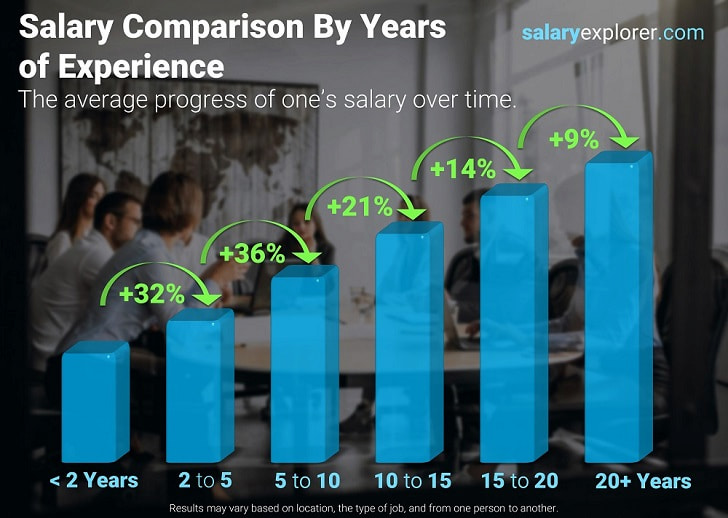
As with most labor markets globally, experience plays a significant role. Entry-level positions typically offer lower starting salaries, which increase with years of relevant work experience. Senior roles, management positions, and highly specialized expert roles demand a premium for the accumulated knowledge, leadership capabilities, and proven track record they represent.
Company Size and Type
The size and nature of the employer also influence pay scales. Large multinational corporations or well-established national companies often have more structured salary bands and can offer more competitive compensation packages, including benefits, compared to small and medium-sized enterprises (SMEs) or startups, which may have more limited resources. State-owned enterprises can also have distinct salary structures.
Economic Conditions and Inflation
The overall health of the Mexican economy, including its GDP growth, inflation rates, and exchange rates, directly impacts salary levels. Periods of economic expansion often lead to increased demand for labor and upward pressure on wages. Conversely, economic downturns or high inflation can erode purchasing power and may lead to stagnant or even declining real wages for some segments of the population. The interplay with the U.S. dollar is also significant, especially for those working in export-oriented industries or receiving remittances.
The Real Income Picture: Purchasing Power and Cost of Living
While nominal salary figures provide a baseline, understanding the real income and purchasing power is more insightful. The cost of living varies significantly across Mexico, meaning that a salary that might be comfortable in one city could be quite modest in another.
Cost of Goods and Services
Essential expenses such as housing, food, transportation, and healthcare have a direct impact on how far an individual’s salary stretches. Housing costs, in particular, are a major differentiator, with rental prices in Mexico City, Monterrey, and popular tourist destinations being considerably higher than in smaller towns or rural areas.
Benefits and Perquisites
Beyond base salary, employee compensation packages in Mexico often include a range of benefits. These can include mandatory social security contributions (IMSS and Infonavit), private health insurance, life insurance, meal vouchers (vales de despensa), savings funds, and sometimes profit-sharing. The value of these benefits can significantly enhance the overall compensation package and should be factored into any salary negotiation.
Remittances and their Economic Impact
Mexico is a major recipient of remittances from its citizens working abroad, particularly from the United States. These remittances contribute significantly to the household income of many families, especially in certain regions, and can influence local economic dynamics and the perception of average income. While not direct “pay” from Mexican employers, they are a vital component of the broader income landscape for many households.
Navigating the Mexican Job Market: Tips for Employees and Employers
For individuals seeking employment in Mexico and for businesses looking to attract and retain talent, a nuanced understanding of the salary landscape is indispensable.
For Employees: Strategies for Maximizing Earnings
- Research Thoroughly: Before applying for or accepting a position, conduct in-depth research into the average salaries for your specific role, industry, and location. Utilize online salary aggregators, industry reports, and professional networks.
- Highlight Your Skills and Experience: Clearly articulate your qualifications, unique skills, and the value you bring to a potential employer. Quantify your achievements whenever possible.
- Negotiate Effectively: Be prepared to negotiate your salary. Understand your market worth and be confident in stating your expectations, while also being realistic about the employer’s capacity.
- Consider the Full Compensation Package: Don’t just focus on the base salary. Evaluate the value of benefits, bonuses, and opportunities for professional development.
- Continuous Professional Development: Invest in acquiring new skills and certifications that are in demand within the Mexican job market. This will enhance your long-term earning potential.

For Employers: Building Competitive Compensation Strategies
- Benchmark Accurately: Regularly benchmark your salary offerings against industry standards and regional averages to ensure competitiveness. Consider using specialized salary survey data.
- Understand Local Nuances: Be aware of the cost of living and salary expectations in the specific regions where you operate.
- Offer a Comprehensive Benefits Package: Beyond base salary, a strong benefits package can significantly attract and retain talent. Consider health insurance, retirement plans, and other incentives.
- Foster a Positive Work Environment: A supportive and engaging work culture can be a powerful motivator, often offsetting slightly lower nominal salaries for some roles.
- Invest in Employee Growth: Providing opportunities for training and career advancement can increase employee loyalty and productivity, indirectly impacting your compensation strategy.
In conclusion, while pinpointing a single “average pay in Mexico” is an oversimplification, a detailed examination of regional disparities, industry-specific compensation, and influential economic factors provides valuable insights. The Mexican labor market is dynamic, with significant variations that reward specialized skills, experience, and strategic location. By understanding these complexities, both individuals and organizations can navigate the landscape more effectively and make informed decisions about careers and talent management.
aViewFromTheCave is a participant in the Amazon Services LLC Associates Program, an affiliate advertising program designed to provide a means for sites to earn advertising fees by advertising and linking to Amazon.com. Amazon, the Amazon logo, AmazonSupply, and the AmazonSupply logo are trademarks of Amazon.com, Inc. or its affiliates. As an Amazon Associate we earn affiliate commissions from qualifying purchases.