
The traditional image of a stalker—a shadowy figure following someone through dark alleys—has been largely superseded by a more pervasive, invisible, and technologically sophisticated reality. In the modern era, stalking has migrated into the digital ecosystem. As our lives become increasingly tethered to devices, the definition of what constitutes stalking has expanded to include a wide array of technological interventions, from malicious software to the misuse of everyday gadgets.
Understanding digital stalking, or cyberstalking, is no longer just a matter of legal concern; it is a critical component of digital literacy and personal cybersecurity. To navigate the current landscape safely, one must understand how technology is leveraged to monitor, harass, and intimidate, and what technical measures can be taken to prevent it.
The Architecture of Digital Stalking: Defining the New Frontier
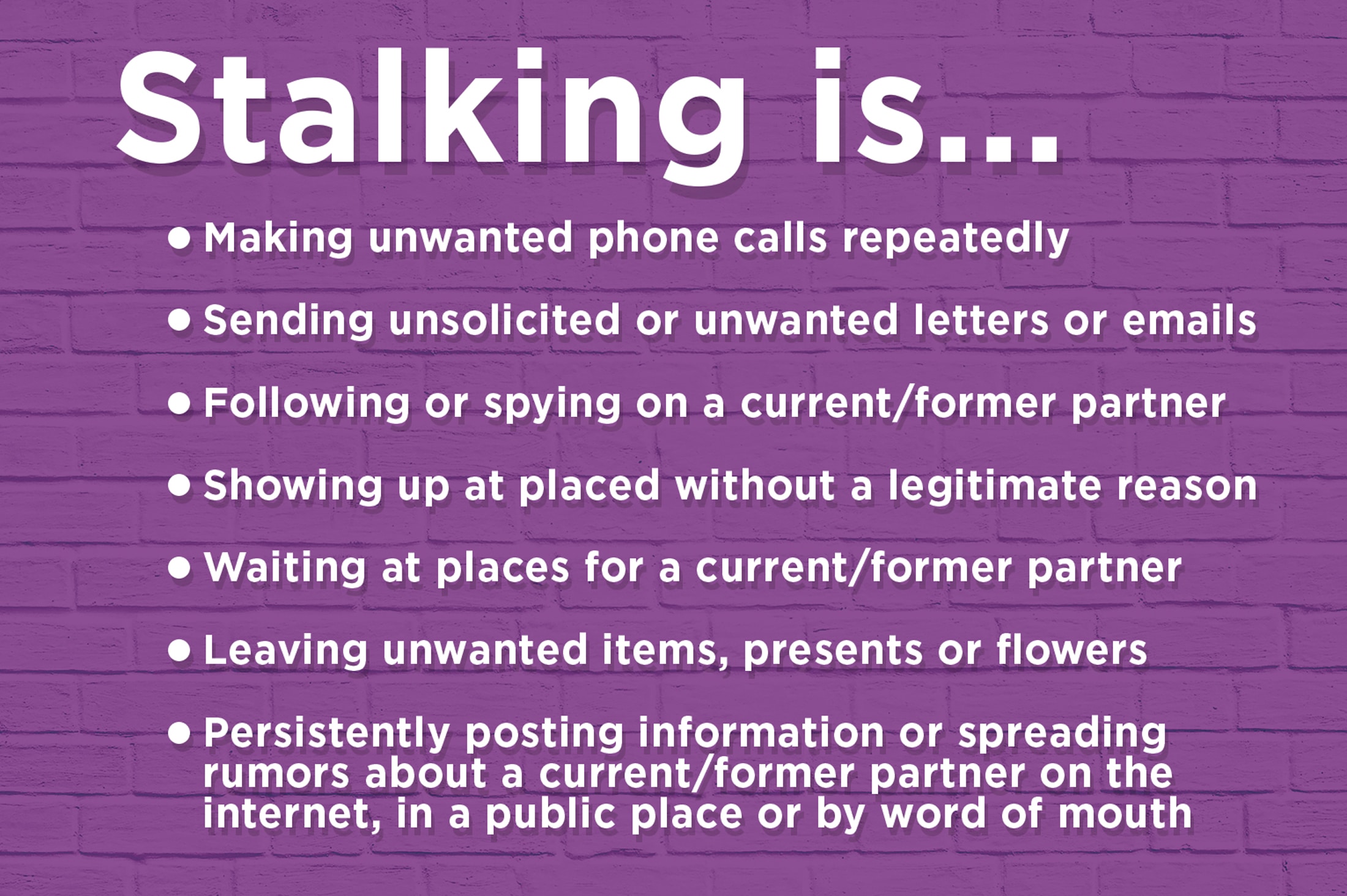
At its core, stalking is defined by a pattern of repeated, unwanted attention and contact that causes a reasonable person to feel fear or emotional distress. In the tech sector, this translates into “cyberstalking,” where the medium of harassment shifts from physical presence to digital persistence.
The Shift from Physical to Virtual Persistence
Digital stalking is characterized by its ubiquity. Unlike physical stalking, which is limited by geography and human stamina, digital stalking can occur 24/7 from anywhere in the world. It involves the use of the internet, email, social media, and hardware to track a victim’s location and activities. What constitutes stalking in this context is the “persistence” of the digital footprint. Whether it is a barrage of unwanted messages across multiple platforms or the constant monitoring of a person’s “active” status on messaging apps, the digital medium amplifies the intensity of the intrusion.
Legal Frameworks vs. Technological Reality
While laws like the Violence Against Women Act (VAWA) in the United States and similar directives in the EU have been updated to include electronic communication, technology often moves faster than legislation. Tech-based stalking frequently exploits “dual-use” technologies—tools designed for legitimate purposes that are co-opted for harassment. For example, a find-my-phone feature is a security tool for the owner but a stalking tool in the hands of an unauthorized user. This ambiguity creates a complex environment where technical intent is often harder to prove than physical presence.
The Threshold of Non-Consensual Monitoring
The defining line of digital stalking is often consent. In the tech world, this is frequently breached through “gaslighting” via smart home devices or unauthorized access to cloud accounts. When an individual uses technology to bypass privacy settings or exploit security vulnerabilities to keep tabs on another person without their explicit knowledge or permission, they have crossed into the territory of stalking.
The Tools of the Trade: Hardware and Software Exploitation
To understand what constitutes stalking today, one must look at the specific technologies used to facilitate it. These range from high-end “stalkerware” to consumer-grade tracking devices that have inadvertently democratized surveillance.
Stalkerware and Spyware
Stalkerware is a specific category of malware designed to monitor a person’s smartphone or computer without their consent. Unlike traditional viruses that aim to steal credit card numbers, stalkerware is personal. Once installed—often through physical access or a phishing link—it can record keystrokes, intercept SMS messages, record phone calls, and even activate the microphone and camera remotely. Because these apps often hide themselves from the application drawer, they represent a profound violation of digital privacy and are a primary tool in modern stalking.
The Rise of Bluetooth Tracking and IoT Devices
The release of low-cost Bluetooth trackers, such as Apple AirTags and Tile trackers, revolutionized the way we find our keys, but it also provided stalkers with a cheap, high-precision tool for physical tracking. By slipping a small disk into a bag or a car bumper, a stalker can monitor a victim’s movements in real-time via a smartphone app. Similarly, the Internet of Things (IoT) has introduced new vulnerabilities. Smart thermostats, connected cameras, and smart locks can be hijacked by an abusive individual to monitor when a person is home or to manipulate their environment remotely to induce fear.
OSINT and Social Engineering
Open Source Intelligence (OSINT) refers to the collection of data from publicly available sources. While used by cybersecurity professionals for threat intelligence, it is also a potent tool for stalkers. By aggregating data from social media, public records, and leaked databases, a stalker can build a comprehensive profile of a victim’s habits, frequent locations, and social circles. This “digital breadcrumbing” allows a stalker to appear as though they have omnipresent knowledge of the victim’s life.
Algorithmic Surveillance and the Ethics of Data Tracking
There is a fine line between the aggressive data collection used by modern corporations and the behavior of an individual stalker. Understanding what constitutes stalking requires an analysis of how automated systems and data-scraping algorithms can be weaponized.
Retargeting vs. Intrusive Monitoring
In the world of Brand Tech, “retargeting” is a common practice where ads follow a user across the web based on their browsing history. While some find this “creepy,” it is generally considered a marketing tactic. However, when these same mechanisms—such as tracking pixels and cookies—are used by an individual to monitor a specific person’s web activity, it shifts from marketing to stalking. The tech industry is currently grappling with how to prevent private individuals from using professional-grade data-mining tools for personal harassment.
The Role of Big Data in Predictive Stalking
Advanced stalkers may use data analytics to predict a victim’s behavior. By analyzing past check-ins on platforms like Foursquare (now Swarm), Instagram, or Strava, a stalker can identify patterns in a victim’s routine. This “predictive stalking” is a high-tech evolution of the practice, where the stalker doesn’t need to see the victim to know where they will be at 3:00 PM on a Tuesday. The ethical responsibility often falls on tech platforms to obfuscate this data or provide “privacy zones” (as seen in fitness apps like Strava) to protect users.
Social Engineering and Identity Theft
Stalking often involves an element of social engineering—the psychological manipulation of people into performing actions or divulging confidential information. In a tech context, this might involve “spoofing” a phone number to appear as a trusted contact or creating “sockpuppet” accounts to infiltrate a victim’s private social circles. When these technical deceptions are used to bypass a person’s digital boundaries, they constitute a sophisticated form of cyberstalking.
Protecting Your Digital Perimeter: Technical Defenses
Identifying what constitutes stalking is the first step; the second is implementing technical safeguards to harden one’s digital presence against intrusion.
Hardening Mobile Devices and Accounts
The smartphone is the most common vector for stalking. To defend against stalkerware, users should conduct regular audits of their installed applications, looking for unknown programs or apps with excessive permissions (e.g., a calculator app that requires access to location and microphone). Implementing Two-Factor Authentication (2FA) across all accounts—ideally using hardware keys like Yubikeys rather than SMS-based codes—is essential to prevent unauthorized access to cloud backups where sensitive data is stored.
Identifying “Red Flags” in System Behavior
Digital stalking often leaves technical traces. Unusual battery drain, unexplained data usage spikes, or a device that feels hot to the touch when not in use can be indicators of background surveillance software. Furthermore, users should be aware of Apple and Google’s recent cross-platform collaborations that alert users if an unknown Bluetooth tracker is moving with them. Learning how to trigger these “unknown tracker” alerts is a vital modern safety skill.
Encryption and Privacy-Centric Tools
To prevent data scraping and interception, the use of end-to-end encrypted (E2EE) communication platforms like Signal or ProtonMail is recommended. These tools ensure that even if a network is compromised, the content of the communication remains unreadable. Additionally, using a Virtual Private Network (VPN) can mask an IP address, making it more difficult for a stalker to determine a victim’s general physical location based on their internet activity.
The Future of Digital Security and Anti-Stalking Technology
As we look toward the future, the tech industry is beginning to take a more proactive stance against the tools that facilitate stalking. The evolution of AI and legislative shifts will play a major role in redefining digital safety.
AI as a Shield: Automated Detection
Just as AI can be used to scrape data, it is also being deployed to detect stalking behaviors. Machine learning algorithms are being developed to identify patterns of “coordinated inauthentic behavior” on social media, which can flag stalkers using botnets or multiple accounts to harass a single target. Future operating systems may include built-in “safety checks” that automatically scan for hidden tracking software or unusual background processes, providing a user-friendly way to maintain digital hygiene.
Legislative Trends in Tech Regulation
Governments are increasingly holding tech companies accountable for the misuse of their products. We are seeing a move toward “Safety by Design,” where companies must consider potential stalking vectors during the development phase of a product. This includes everything from limiting the precision of location sharing to ensuring that smart home devices have clear, physical indicators (like a light) when a camera or microphone is active.
Personal Data Sovereignty
The ultimate defense against digital stalking may lie in the concept of data sovereignty—the idea that individuals should have total control over their digital footprint. Technologies like decentralized identifiers (DIDs) and blockchain-based privacy protocols could eventually allow users to share only the minimum necessary data with apps, preventing the massive data silos that stalkers currently exploit.
In conclusion, what constitutes stalking has evolved from a physical act into a complex digital phenomenon. It is an intersection of malicious intent and technological capability. By understanding the tools—from stalkerware to OSINT—and implementing robust digital security practices, individuals can reclaim their privacy and safety in an increasingly connected world. The responsibility lies with both the user to stay informed and the tech industry to build systems that prioritize human safety over unfettered access.
aViewFromTheCave is a participant in the Amazon Services LLC Associates Program, an affiliate advertising program designed to provide a means for sites to earn advertising fees by advertising and linking to Amazon.com. Amazon, the Amazon logo, AmazonSupply, and the AmazonSupply logo are trademarks of Amazon.com, Inc. or its affiliates. As an Amazon Associate we earn affiliate commissions from qualifying purchases.