
When we ask the question, “What is ska music?” the immediate response often focuses on the syncopated “upbeat” rhythms, the walking basslines, and the celebratory brass sections. However, from a strategic perspective, ska is far more than a musical genre; it is one of the most resilient and recognizable brands in the history of global subcultures. For brand strategists, marketers, and designers, the evolution of ska provides a masterclass in how to build a visual identity, foster deep community loyalty, and navigate the complexities of cultural appropriation and commercial scaling.
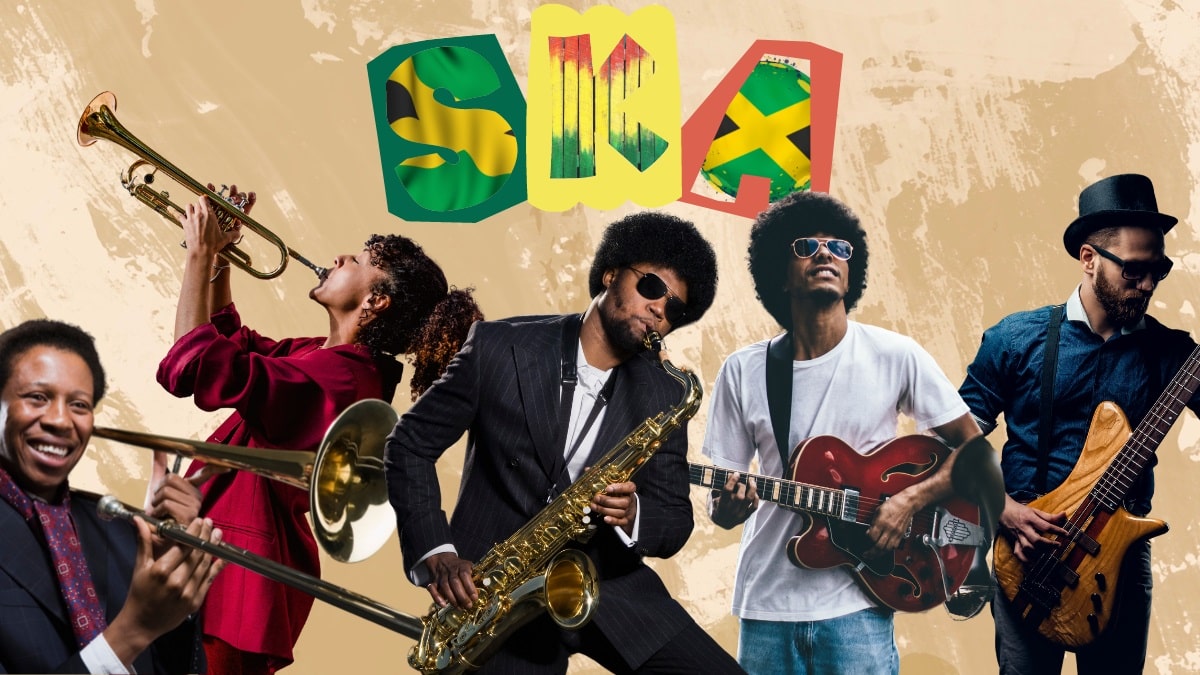
By examining ska through the lens of brand strategy, we can uncover how a specific sound transformed into a global aesthetic movement. From its origins in Jamaica to its commercial explosion in the United States, the “Ska Brand” has maintained a distinct identity while evolving across three distinct “waves.”
Understanding the Visual Language of Ska: A Case Study in Iconography
In the world of corporate identity, a brand is often defined by its “visual shorthand”—the colors, logos, and symbols that trigger immediate recognition. Ska music mastered this long before the digital age of branding. The visual identity of ska, particularly during its second wave, is perhaps the most cohesive and enduring example of “movement marketing” in music history.
The 2 Tone Movement and the Checkerboard Legacy
The most iconic visual associated with ska is the black-and-white checkerboard pattern. This was not merely an aesthetic choice; it was a profound statement of brand values. In late 1970s Britain, during a period of high racial tension, the 2 Tone record label utilized the checkerboard to symbolize racial unity—black and white people standing together on the same “board.”
For a brand, this is a lesson in Visual Semiotics. The pattern became a uniform for the audience. When a consumer wears a checkerboard tie or belt, they aren’t just wearing a pattern; they are signaling their alignment with the brand’s core values of inclusivity and anti-racism. Modern brands can learn from this by creating visual markers that represent a lifestyle or a moral stance rather than just a product feature.
The “Rude Boy” Persona as a Brand Archetype
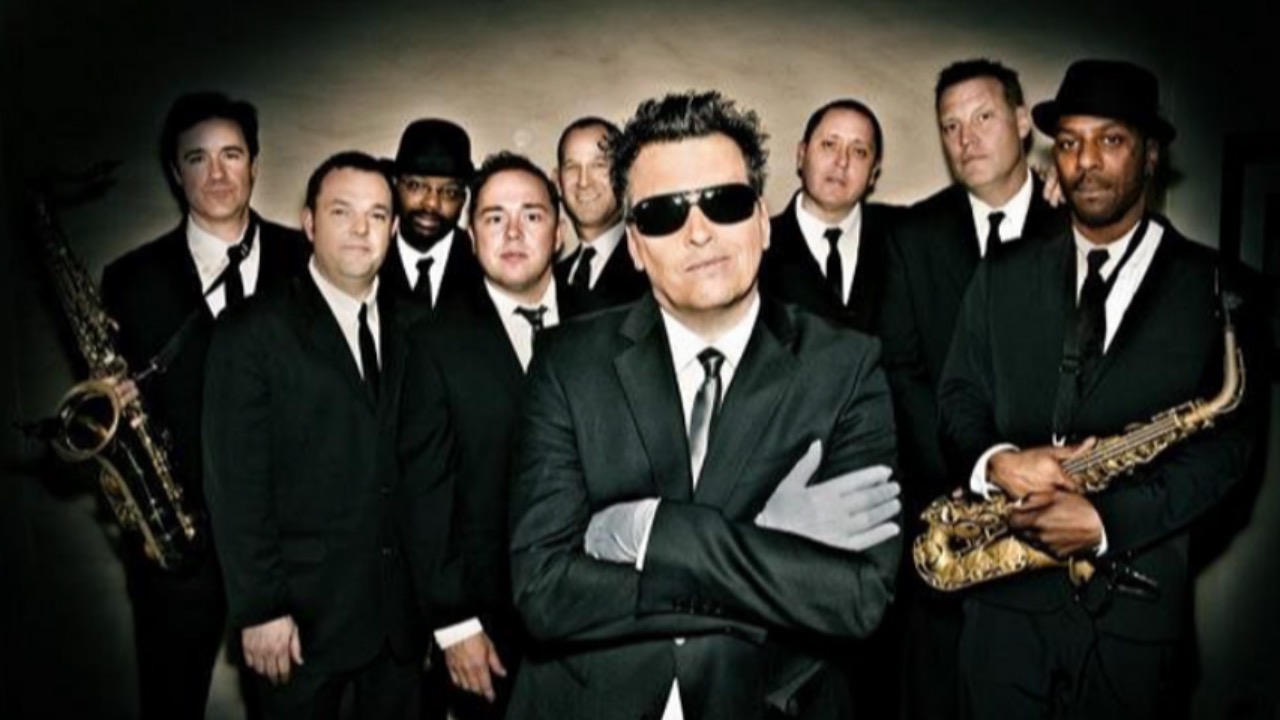
Every successful brand needs a “Hero” or a “Persona.” For ska, this was the “Rude Boy.” Derived from Jamaican street culture and later refined in the UK, the Rude Boy archetype—characterized by sharp suits, pork pie hats, and Doc Martens boots—provided a clear template for fans to follow.
In marketing terms, this is User Persona realization. By providing a clear aesthetic “uniform,” the ska movement made it easy for new participants to join the community. The brand wasn’t just something you listened to; it was something you became. This level of immersion is what modern lifestyle brands strive for: a state where the consumer’s personal identity is inextricably linked to the brand’s identity.
The Evolution of a Genre: How Brand Identity Navigated Three Waves
A brand that fails to adapt eventually dies. Ska’s longevity is due to its ability to pivot its “product” while maintaining its “core brand essence.” This evolution is traditionally categorized into three “waves,” each representing a different market entry strategy.
Jamaican Origins and Cultural Authenticity
The first wave of ska (1960s) was about Product Innovation. It was the sound of a newly independent Jamaica finding its voice by blending American R&B with traditional Mento and Calypso. During this phase, the brand was rooted in “Authenticity”—a key pillar for any modern brand. It was an organic movement that grew out of local demand and cultural pride. This stage teaches us that for any brand to survive long-term, it must have a solid foundation of genuine value and cultural relevance.
The British Revitalization: Branding Social Change
The second wave, or the “2 Tone” era (late 70s/early 80s), was about Market Segmentation and Social Impact. Bands like The Specials and The Selecter took the “original product” and re-branded it for a disillusioned British youth. They injected the music with political urgency.
In business terms, this was a “Brand Pivot.” By shifting the focus from pure entertainment to social commentary, the genre captured a new, passionate demographic. It proved that a brand could gain significant market share by taking a stand on social issues, provided that the stance was consistent with the brand’s history.

The American Third Wave: Commercialization and Mass Market Appeal
The third wave (1990s) saw ska move into the Mainstream Maturity phase. Bands like No Doubt and Reel Big Fish infused ska with punk and pop elements, making it more palatable for radio and MTV. This was the “Global Scaling” of the ska brand. While some “early adopters” (purists) felt the brand had become “diluted,” the third wave demonstrated how a niche subculture can be adapted for mass-market consumption through strategic partnerships with larger media entities.
Community-Led Branding: The Role of Subcultures in Longevity
What keeps ska alive decades after its commercial peak? The answer lies in Community Equity. Ska is a prime example of a “Bottom-Up” brand, where the fans—not a corporate marketing department—control the narrative and the growth of the community.
Fostering Loyalty Beyond the Music
Ska events are often described as more than concerts; they are “gatherings.” This sense of belonging is the pinnacle of brand loyalty. When a brand fosters a community where the members interact with each other (C2C) as much as they do with the brand itself (B2C), it creates a self-sustaining ecosystem.
In the digital era, this is seen in online forums, niche festivals like Supernova Ska Festival, and localized scenes. The lesson for brand managers is clear: your most valuable asset is not your product, but the community of advocates who keep it relevant during “off-seasons” of mainstream interest.
Merchandising the Lifestyle
Ska’s relationship with fashion—Fred Perry shirts, Harringtons, and Dr. Martens—is a masterclass in Brand Extension. These were not “official merchandise” items in the traditional sense, but through association, they became part of the ska brand package. This created a “Lifestyle Ecosystem.”
Successful brands today use this same strategy. They don’t just sell a single product; they curate a world of complementary products that reinforce the consumer’s commitment to the lifestyle. This creates multiple touchpoints for the brand and increases the “switching cost” for the consumer—leaving the brand means leaving an entire way of dressing and socializing.
Strategic Takeaways: Applying the Ska Blueprint to Modern Corporate Identity
How can a modern tech startup or a personal brand apply the “Ska Blueprint” to their own strategy? The history of this genre provides several actionable insights.
Emphasizing Values Over Products
The most enduring part of the ska brand is not its tempo, but its message of unity and resilience. When a brand’s identity is built on a set of values rather than a specific feature set, it becomes “future-proof.” Features can be replicated by competitors; a genuine commitment to a set of values and a unique cultural perspective cannot. Brands should identify their “checkerboard”—the simple, visual, and moral symbol that defines what they stand for in the eyes of their audience.
Creating a Recognizable Visual Shorthand
Ska teaches us that simplicity is the key to viral recognition. The black-and-white checkerboard is high-contrast, easy to replicate, and impossible to mistake. In an age of digital noise, brands need a high-contrast identity. Whether it’s a specific color palette (think Tiffany Blue) or a recurring design motif, having a “visual shorthand” allows your brand to occupy space in the consumer’s mind without requiring a high cognitive load.
Leveraging the “Niche-to-Mainstream” Pipeline
Finally, the “Three Waves” of ska illustrate the lifecycle of a disruptive brand. You start by perfecting a product for a niche, authentic audience (First Wave). You then refine the brand’s message to address a broader social or cultural need (Second Wave). Finally, you find ways to make that message accessible to the mass market without losing the “soul” of the original identity (Third Wave).
Understanding which “wave” your brand is currently in allows you to make better strategic decisions regarding marketing spend, product development, and partnership opportunities.
In conclusion, “What’s ska music?” is a question that leads us to the heart of what makes a brand iconic. It is the story of how a specific rhythm became a visual language, a social movement, and a global community. By studying the ska brand, business leaders can learn the art of building an identity that doesn’t just sell—but belongs.
aViewFromTheCave is a participant in the Amazon Services LLC Associates Program, an affiliate advertising program designed to provide a means for sites to earn advertising fees by advertising and linking to Amazon.com. Amazon, the Amazon logo, AmazonSupply, and the AmazonSupply logo are trademarks of Amazon.com, Inc. or its affiliates. As an Amazon Associate we earn affiliate commissions from qualifying purchases.