
For decades, the traditional rental market has operated on a financial model that necessitates the freezing of billions of dollars in “dead capital.” When a renter moves into a new apartment, they are typically required to provide a security deposit, often equivalent to one or two months’ rent. This money sits in an escrow account, stagnant and unproductive, providing no return to the renter and creating an administrative burden for the landlord.
Enter Obligo. At its core, Obligo is a financial technology solution designed to eliminate the need for traditional security deposits. By leveraging the principles of credit and modern financial tools, Obligo introduces a “deposit-free” living experience. For renters, it represents a liberation of liquid capital; for property managers, it is a sophisticated tool for risk management and operational efficiency. In the broader context of personal and business finance, Obligo represents a shift toward a more fluid, trust-based economy where creditworthiness replaces the need for locked cash.
The Financial Mechanics of Deposit-Free Living
To understand what Obligo is, one must first understand the financial friction it aims to resolve. In a traditional setup, the security deposit acts as a collateralized asset. However, it is an inefficient form of collateral because it is highly illiquid. Obligo replaces this physical cash with a “billing authorization.”
How the Credit-Backed Model Works
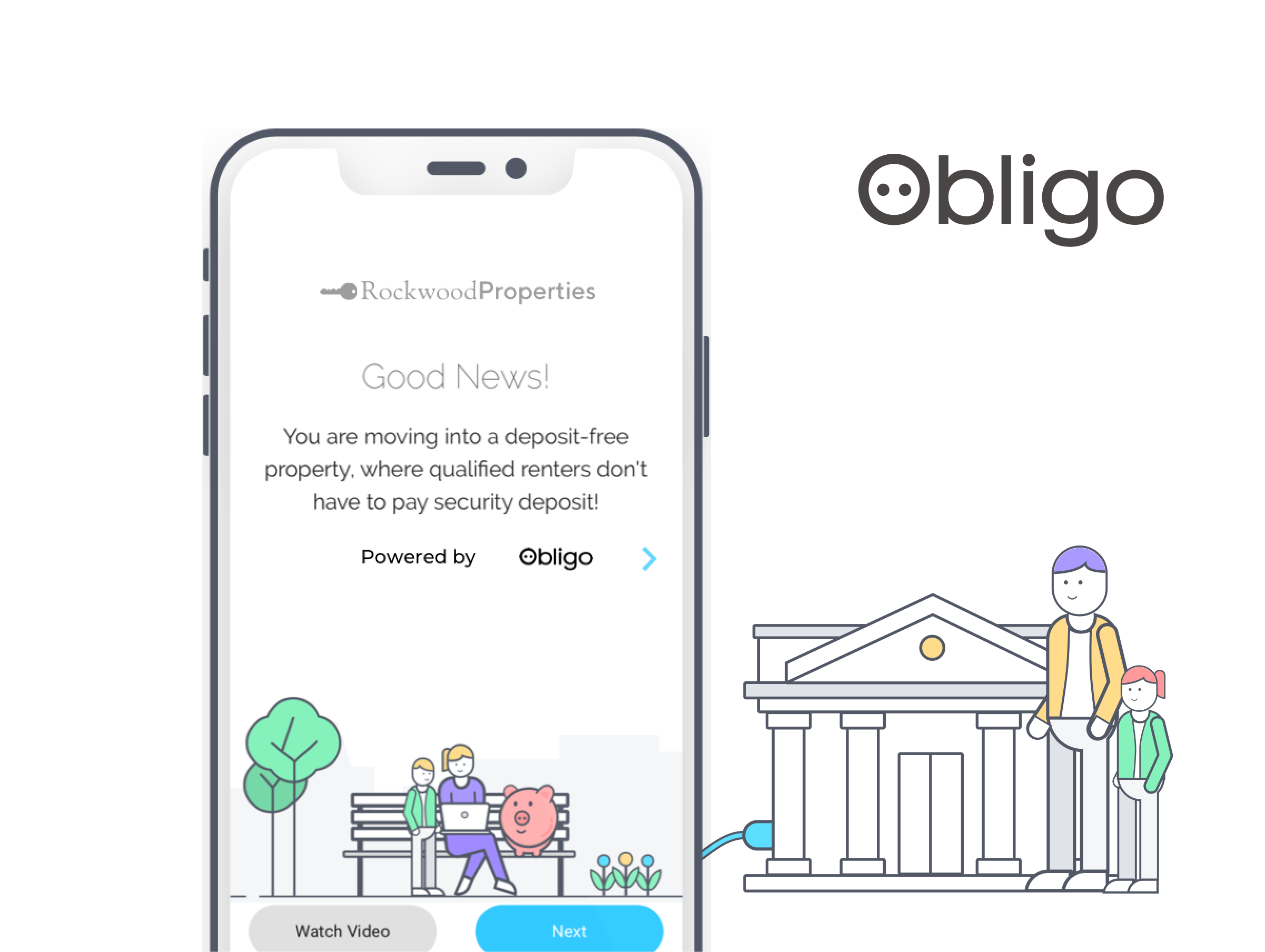
Obligo does not function as an insurance product in the traditional sense, nor is it a simple loan. Instead, it utilizes a sophisticated financial bridge. When a renter applies for a deposit-free move-in through Obligo, the company performs a secure “financial screening” by connecting to the renter’s bank account via Open Banking technology.
By analyzing the renter’s cash flow and financial history, Obligo determines their eligibility for a billing authorization. If approved, the renter does not pay a lump sum upfront. Instead, they provide Obligo with the authority to charge their bank account for any damages or missed rent at the end of the lease, up to a certain limit. This limit is the financial equivalent of a traditional security deposit, but the capital remains in the renter’s pocket until it is actually needed.
The Shift from Upfront Costs to Financial Flexibility
From a financial planning perspective, the “deposit-free” model converts a high-friction upfront capital expenditure into a low-friction service. Renters pay a small recurring fee or a one-time fee for the service, which is a fraction of the cost of a full deposit. This allows the individual to maintain a higher net liquidity at the start of a lease—a time when moving costs, new furniture, and utility setups usually drain personal reserves. By converting a large, idle asset into a manageable service fee, Obligo optimizes the renter’s personal balance sheet.
Benefits for the Modern Renter’s Wallet
The primary value proposition of Obligo within the niche of personal finance is the preservation of capital. In an era of high inflation and market volatility, the opportunity cost of a security deposit has never been higher.
Preserving Liquidity and Investing the Difference
Consider a scenario where a renter is asked for a $3,000 security deposit. In a traditional model, that $3,000 is effectively removed from the renter’s net worth for the duration of the lease—often several years. If that same $3,000 were instead invested in a high-yield savings account, a diversified index fund, or even used to pay down high-interest credit card debt, the financial trajectory of the individual changes significantly.
By using Obligo, the renter retains that $3,000. Even at a modest 5% annual return, keeping that money invested rather than sitting in a non-interest-bearing landlord escrow account yields a tangible financial gain. Obligo transforms the rental move-in process from a wealth-depleting event into a wealth-preserving one.
Building Financial Trust Without Large Cash Outlays
Obligo also acts as a bridge for individuals who may have strong cash flows but limited immediate savings. In the traditional financial world, “cash is king,” and those without a large surplus are often shut out of premium housing markets. Obligo changes this dynamic by prioritizing “trustworthiness” and “financial behavior” over raw cash collateral.
This democratization of the rental process allows individuals to allocate their capital toward other financial goals—such as emergency funds or retirement contributions—while still securing high-quality housing. It rewards positive financial habits and provides a pathway for renters to manage their liabilities more strategically.
A New Standard for Property Owners and Business Finance
While the benefits to the renter are clear, Obligo’s impact on the business finance side of real estate is equally profound. For property managers and institutional owners, the management of security deposits is a significant operational liability.
Streamlining Cash Flow and Reducing Administrative Burdens
Managing hundreds or thousands of individual escrow accounts is a logistical nightmare that carries heavy regulatory and compliance costs. Different jurisdictions have complex laws regarding where deposit money must be held, how interest must be calculated, and the timelines for returning funds.
Obligo digitizes and automates this entire vertical. By removing the physical handling of checks and the management of escrow accounts, property management firms can significantly reduce their overhead. In business finance terms, this is an optimization of the “Order-to-Cash” cycle and a reduction in administrative “soft costs.” When a claim is made at the end of a lease, Obligo pays the landlord immediately and handles the collection from the renter, ensuring that the property’s cash flow remains steady and predictable.
Risk Management and Loss Protection
In any rental business, the primary financial risks are “bad debt” and property damage. Traditional deposits are often insufficient to cover catastrophic damage or multiple months of unpaid rent. Obligo’s platform provides a structured framework for claims.
Because Obligo has already vetted the renter’s financial standing and holds a billing authorization, the likelihood of successful recovery is higher than in traditional “sue and collect” scenarios. Furthermore, the transparency of the platform reduces disputes. When the financial obligations are clear and the payment rails are pre-established, the property owner’s financial risk profile is significantly de-risked.
The Broader Impact on Personal Finance and Real Estate Markets
Obligo is part of a larger trend in fintech that seeks to eliminate “dead capital” from the global economy. When billions of dollars are locked in security deposits, that money is not circulating, not being invested in businesses, and not fueling consumer spending.
Democratizing Access to Housing
From a macro-financial perspective, the traditional deposit system creates a high barrier to entry that can stifle labor mobility. If a worker cannot afford the $4,000 required to move for a better-paying job because their previous $4,000 is still locked in an escrow account from their old apartment, the economy suffers.
Obligo facilitates “financial mobility.” By lowering the entry cost of housing, it allows individuals to move where their skills are most valued, without being held back by the timing of deposit returns. This fluidity is essential for a modern, dynamic economy. It treats housing not as a series of isolated financial hurdles, but as a continuous, manageable financial service.
The Evolution of Rental Liabilities
We are seeing a shift in how personal liabilities are structured. Historically, a liability (like the potential for apartment damage) had to be fully collateralized upfront. Today, thanks to companies like Obligo, we are moving toward a “just-in-time” financial model.
This model aligns with other modern financial tools like “Buy Now, Pay Later” (BNPL) or credit-line-based insurance. It recognizes that for a responsible consumer, a promise to pay backed by a transparent financial history is just as valuable as cash under a mattress. This evolution helps individuals maintain a more sophisticated approach to their personal balance sheets, focusing on cash flow and asset growth rather than the sequestration of funds for “what-if” scenarios.
Conclusion: The Future of Financial Flexibility
What is Obligo? It is more than just a tool for renters; it is a fundamental rethinking of how trust and capital intersect in the real estate industry. By replacing the archaic security deposit with a streamlined, credit-backed billing authorization, Obligo provides a dual benefit: it unlocks liquidity for the individual and optimizes operations for the enterprise.
In the world of money and finance, efficiency is the ultimate goal. The traditional security deposit is a monument to inefficiency—a relic of a time when we lacked the technology to assess risk in real-time. Obligo brings the rental market into the 21st century, ensuring that capital stays where it belongs: in the hands of the people, working toward their financial goals, while still providing the security and peace of mind that property owners require. As this model becomes the standard, the “frozen billions” of the rental market will continue to melt away, replaced by a more fluid, flexible, and financially sound ecosystem for all.
aViewFromTheCave is a participant in the Amazon Services LLC Associates Program, an affiliate advertising program designed to provide a means for sites to earn advertising fees by advertising and linking to Amazon.com. Amazon, the Amazon logo, AmazonSupply, and the AmazonSupply logo are trademarks of Amazon.com, Inc. or its affiliates. As an Amazon Associate we earn affiliate commissions from qualifying purchases.