
The name “Elphaba” evokes a potent mix of emerald green, defiant spirit, and a story that has captivated audiences worldwide. While the character of Elphaba Thropp, the Wicked Witch of the West from L. Frank Baum’s “The Wonderful Wizard of Oz,” has existed in literature for over a century, her contemporary iteration has become a formidable brand in its own right, primarily through the globally successful musical Wicked. This article delves into the brand journey of Elphaba, exploring how a complex, often misunderstood literary character has been transformed into a powerful and enduring brand, analyzing its strategic evolution, its impact on popular culture, and its sustained commercial success.

The Genesis of a Brand: From Literary Villain to Relatable Protagonist
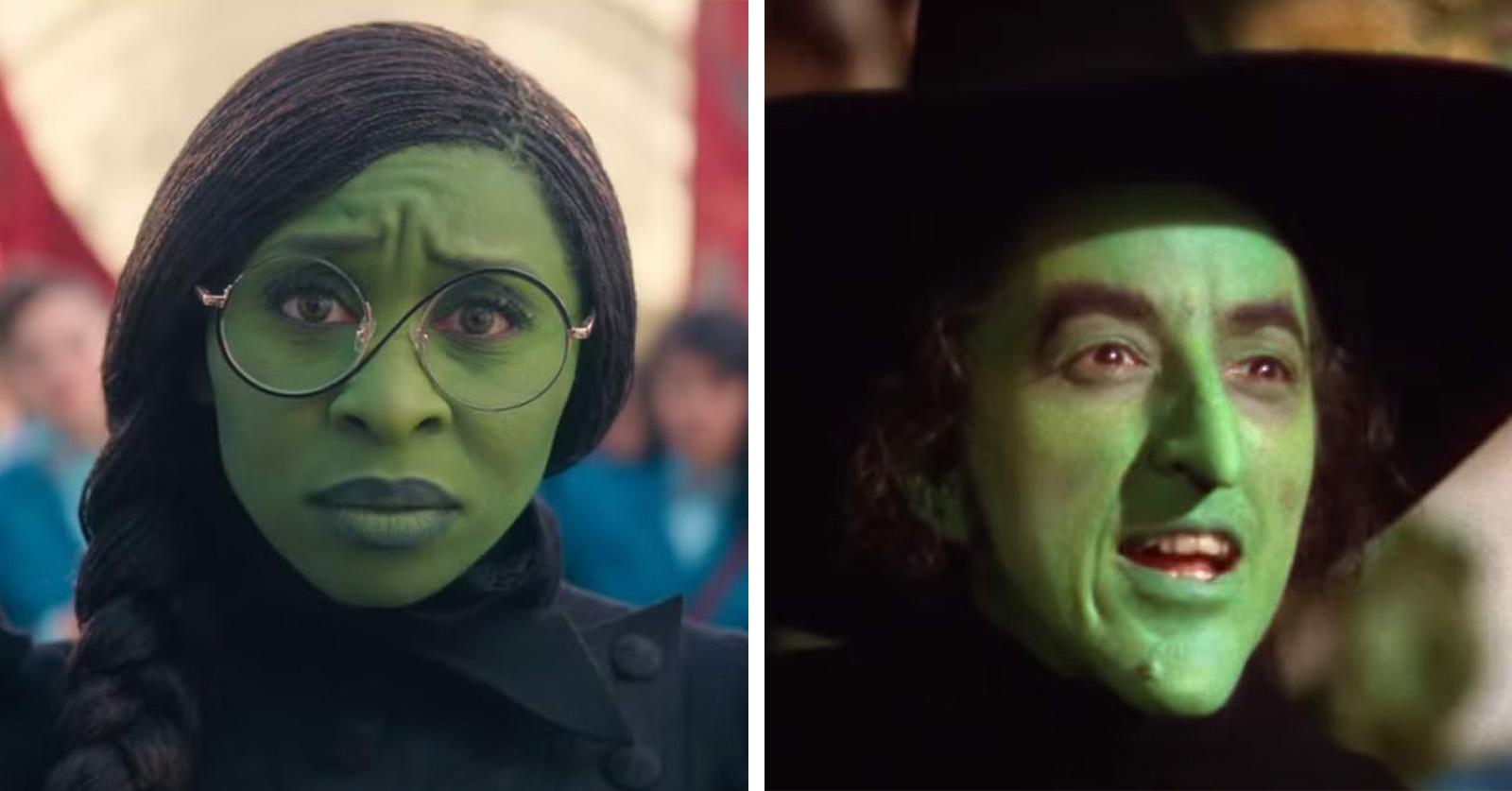
The initial conception of Elphaba in Baum’s 1900 novel, “The Wonderful Wizard of Oz,” painted her as a straightforward villain. Her depiction as a malevolent force, solely motivated by evil, was a common trope in children’s literature of the era. However, the subsequent reimagining by Gregory Maguire in his 1995 novel, “Wicked: The Life and Times of the Wicked Witch of the West,” marked a seismic shift. Maguire’s Elphaba was a nuanced, intelligent, and tragically misunderstood individual, whose actions were driven by a deep sense of justice and a rejection of societal prejudice. This reinterpretation laid the fertile ground for the brand’s future trajectory.
The Power of Reinterpretation: Shifting Perceptions
Maguire’s novel was pivotal in reframing Elphaba from a one-dimensional antagonist to a protagonist with a rich inner life and compelling motivations. This act of literary deconstruction allowed for a re-evaluation of her character, prompting audiences to question their preconceived notions and to empathize with her plight. The brand’s initial success was thus rooted in its ability to challenge established narratives and offer a fresh perspective on a familiar figure. This narrative reinvention is a cornerstone of successful brand building, where a compelling backstory and a departure from convention can create significant intrigue and engagement.
The Role of “The Untold Story”: Creating a Unique Value Proposition
The decision to focus on Elphaba’s “untold story” was a masterstroke in brand differentiation. By centering the narrative on the “wicked” witch, and exploring her experiences before Dorothy’s arrival, the brand carved out a unique space in the crowded landscape of Oz-related media. This approach offered a fresh perspective, appealing to audiences seeking more than just a retread of the classic tale. It positioned Elphaba as the central figure, granting her agency and a depth of character previously unexplored, thereby establishing a distinct value proposition for the brand.
The Broadway Phenomenon: Amplifying the Brand Through Strategic Storytelling and Design
The true explosion of the Elphaba brand, however, came with the 2003 Broadway premiere of the musical Wicked. The musical not only brought Maguire’s story to life but elevated it through a combination of powerful music, evocative lyrics, and striking visual design, transforming it into a cultural phenomenon. The strategic decisions made in adapting the novel for the stage were crucial in solidifying and expanding Elphaba’s brand identity.
Stephen Schwartz’s Musical Genius: The Sound of a Brand
The musical score by Stephen Schwartz is arguably the most potent engine of the Elphaba brand. Songs like “Defying Gravity” have become anthems of empowerment and self-acceptance, resonating deeply with audiences of all ages. The music not only tells Elphaba’s story but also imbues her with an emotional resonance that transcends the spoken word. This strategic use of music as a brand storytelling device has allowed Elphaba’s emotional arc and core messages to be internalized by audiences, creating a powerful and lasting connection. The sonic identity of the brand is inextricably linked to these iconic melodies.
Eugene Lee’s Scenic Design: The Visual Identity of Elphaba
The visual aesthetic of Wicked, particularly Eugene Lee’s breathtaking set design and Susan Hilferty’s iconic costume design, played a crucial role in establishing Elphaba’s visual brand. The imposing Emerald City, the shadowy corners of Shiz University, and Elphaba’s distinctive green skin and attire created an instantly recognizable and memorable visual language. This deliberate and cohesive design strategy ensures that Elphaba is not just heard but also seen, creating a powerful multi-sensory brand experience that lingers long after the curtain falls. The green hue itself has become a powerful signifier of the brand.
The Power of Dual Protagonists: Creating Relatability Through Contrast
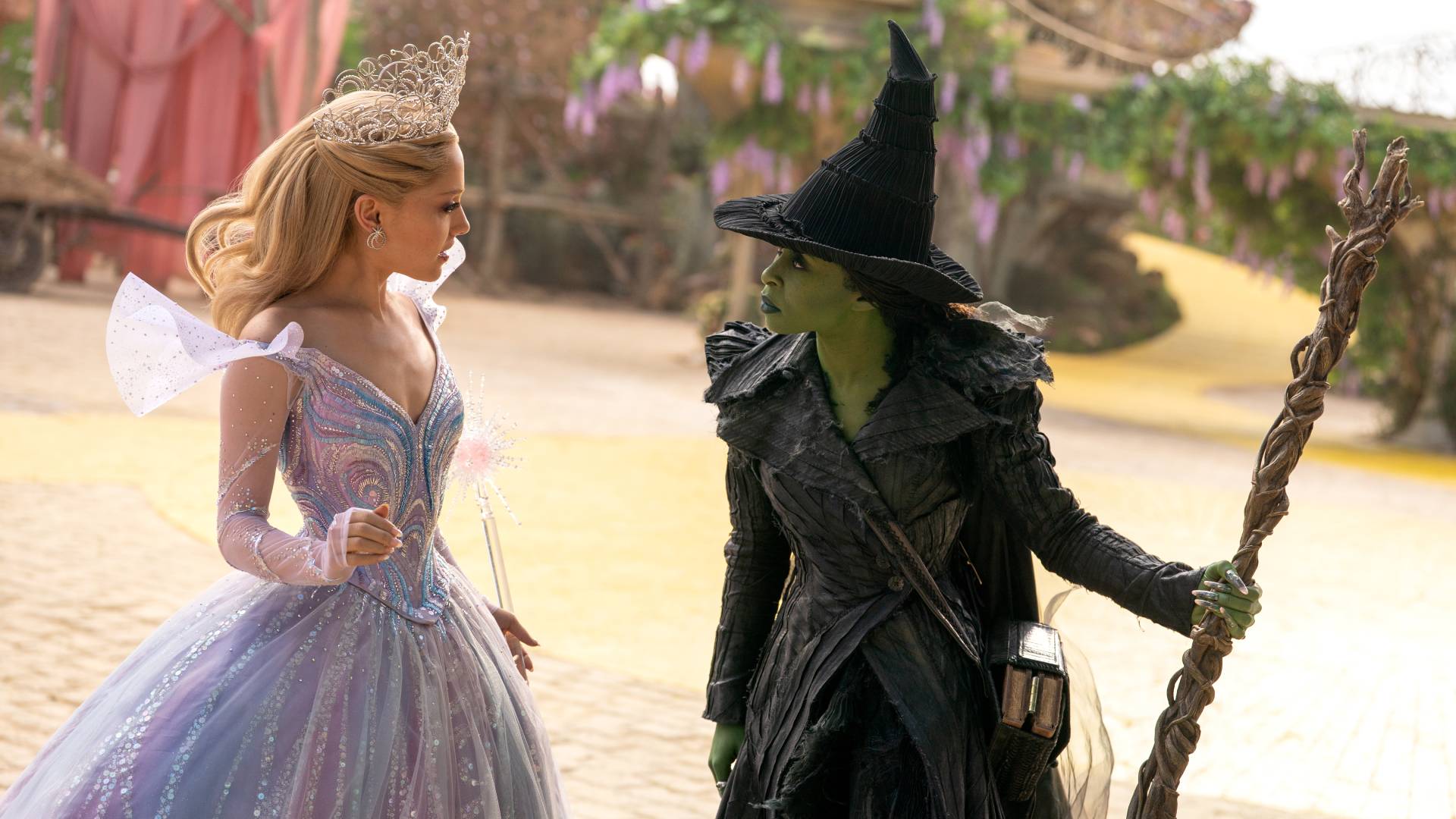
The decision to center the narrative not solely on Elphaba but on her complex relationship with Glinda the Good Witch was another strategic masterstroke. This dual protagonist approach allowed for the exploration of contrasting personalities, societal expectations, and the power of unlikely friendships. By placing Elphaba alongside Glinda, the brand was able to highlight Elphaba’s unique qualities through contrast, making her relatable and human. This dynamic also allowed for a broader appeal, offering different points of identification for various audience members. The brand’s success is, in part, a testament to the power of exploring complex interpersonal relationships.
The Global Brand: Sustaining Momentum Through Marketing and Merchandise
The enduring success of Wicked and the Elphaba brand is a testament to a well-executed global marketing strategy and the effective leveraging of intellectual property. The show’s ability to transcend geographical and cultural boundaries speaks to the universal themes at its core and the consistent brand messaging.
The “For Good” Message: Universal Brand Values
At its heart, the Elphaba brand champions themes of courage, individuality, questioning authority, and finding one’s own voice. The recurring message of “For Good,” which explores the idea that even perceived “wickedness” can have positive consequences, is a powerful and enduring brand ethos. This commitment to a clear and relatable set of values allows the brand to resonate with diverse audiences who connect with these universal aspirations. This strategic articulation of core values is fundamental to building a lasting and impactful brand.
Merchandise and Spin-offs: Expanding the Brand Ecosystem
The commercial success of Wicked has naturally led to a robust merchandise ecosystem. From soundtracks and cast recordings to clothing, toys, and even themed experiences, the Elphaba brand has successfully expanded its reach beyond the theatrical stage. This strategic merchandising not only generates revenue but also keeps the brand top-of-mind for consumers, reinforcing its presence in popular culture. The creation of spin-off novels and the ongoing anticipation for a film adaptation further demonstrate the brand’s capacity for sustained growth and adaptation.
International Adaptations: Global Brand Reach
The translation and adaptation of Wicked into numerous languages and its successful staging in major cities worldwide have cemented Elphaba’s status as a truly global brand. This international reach is a testament to the universality of the story and the strategic efforts to ensure cultural relevance while maintaining the core brand essence. The brand’s ability to connect with diverse audiences across different cultures speaks to the strength of its narrative and its carefully cultivated identity.
The Future of Elphaba: Enduring Legacy and Evolving Interpretations
The question “What happens to Elphaba?” extends beyond the narrative of the musical. It speaks to the brand’s enduring presence and its potential for future evolution. The successful legacy of Elphaba is a powerful case study in how a character can be revitalized and reimagined to resonate with new generations.
The Anticipated Film Adaptation: A New Chapter for the Brand
The long-awaited film adaptation of Wicked represents a significant new chapter for the Elphaba brand. The potential to introduce the story to an even wider audience, beyond theatregoers, could further solidify its cultural impact. The casting, direction, and creative choices for this adaptation will be critical in shaping the brand’s perception for a new era, ensuring its continued relevance and appeal. This is a pivotal moment for the brand, offering both immense opportunity and significant strategic challenges.
Elphaba as a Symbol of Empowerment: Sustained Brand Relevance
Beyond the theatrical and cinematic realms, Elphaba has evolved into a potent symbol of empowerment, particularly for those who feel like outsiders or are misunderstood. Her journey of self-discovery and her defiance of expectations resonate deeply in a world that often struggles with conformity. This symbolic power is a crucial element of the Elphaba brand’s longevity, ensuring its continued relevance and inspiring new interpretations and connections with audiences. The brand’s ability to serve as a cultural touchstone for themes of empowerment and resilience is a key indicator of its lasting impact.
In conclusion, the Elphaba brand is a remarkable example of how a complex character, through strategic reinterpretation, powerful storytelling, meticulous design, and effective marketing, can evolve from a literary figure to a global cultural phenomenon. Her journey from villain to icon is a testament to the enduring power of compelling narratives and the strategic cultivation of a brand that speaks to universal themes of identity, belonging, and defiance. The continued anticipation surrounding her future on screen and her persistent resonance in the hearts of audiences suggest that the story of Elphaba is far from over; it is a brand continuously redefining itself for generations to come.
aViewFromTheCave is a participant in the Amazon Services LLC Associates Program, an affiliate advertising program designed to provide a means for sites to earn advertising fees by advertising and linking to Amazon.com. Amazon, the Amazon logo, AmazonSupply, and the AmazonSupply logo are trademarks of Amazon.com, Inc. or its affiliates. As an Amazon Associate we earn affiliate commissions from qualifying purchases.