
In the volatile world of the Quick Service Restaurant (QSR) industry, few entities have managed to transcend the label of “fast food” to become a genuine lifestyle brand. Taco Bell, a subsidiary of Yum! Brands, has historically occupied a unique niche, but its recent strategic maneuvers signal a sophisticated evolution in brand positioning. When we ask “what’s new at Taco Bell,” we are not merely discussing menu rotations or seasonal ingredients; we are analyzing a masterclass in brand strategy, corporate identity, and the art of staying culturally relevant in a fragmented digital age.
Taco Bell’s current trajectory is defined by a shift from a functional provider of affordable meals to a lifestyle curator that thrives on hype, digital intimacy, and experiential marketing. By examining their latest initiatives, we can uncover the blueprint they are using to maintain dominance in the hearts and minds of Gen Z and Millennial consumers.
The Evolution of “Live Mas”: Transitioning from Fast Food to Lifestyle Brand
The slogan “Live Mas” has been the cornerstone of Taco Bell’s identity for years, but its application has recently undergone a radical transformation. The brand is no longer content with being a pitstop on a road trip; it aims to be a destination in its own right. This transition is characterized by an emphasis on the “experience” over the “product.”
Redefining the Customer Experience with Taco Bell Cantinas
One of the most significant physical manifestations of the “new” Taco Bell is the aggressive expansion of the Cantina concept. These are not your standard suburban drive-thrus. Taco Bell Cantinas are strategically placed in high-traffic urban centers like Las Vegas, New York, and Chicago. They feature open kitchens, custom menus, and, most notably, alcoholic beverages.
From a brand strategy perspective, the Cantina serves as a “halo” for the entire corporate identity. By offering a localized, “vibe-heavy” environment, Taco Bell successfully pivots away from the sterile, industrial feel of traditional fast food. These locations act as brand embassies where the “Live Mas” philosophy is lived out through social interaction, music, and premium design, effectively elevating the brand’s perceived value without alienating its core budget-conscious demographic.
Merchandising Culture: The Power of Apparel and Lifestyle Partnerships
Taco Bell has mastered the art of “brand extension.” What’s new in their strategy is the frequency and intentionality of their lifestyle collaborations. In recent years, we have seen everything from Taco Bell-themed wedding packages at their Las Vegas flagship to high-fashion collaborations with brands like Forever 21 and Crocs.
This is a calculated effort to weave the brand into the fabric of daily life. By creating limited-edition apparel and accessories, Taco Bell turns its customers into walking billboards. This strategy works because the brand doesn’t take itself too seriously; it leans into the “ironic” and “cult-classic” status it holds among its fans. This self-awareness is a critical component of their modern corporate identity, allowing them to participate in pop culture conversations as a peer rather than a corporate intruder.
Digital Transformation and the Omnichannel Brand Identity
In the modern marketing landscape, a brand is only as strong as its digital ecosystem. Taco Bell has moved beyond simple mobile ordering to create a comprehensive digital “universe” that prioritizes exclusivity and direct-to-consumer engagement.
The App as a Brand Hub, Not Just a Utility
The Taco Bell mobile app has become the primary vehicle for brand storytelling. “What’s new” here is the shift toward app-exclusive content and products. By locking certain fan-favorite items—like the Quesarito or specific “Big Box” deals—behind the digital wall of the app, Taco Bell incentivizes data collection and creates a sense of “insider” status for its users.
This digital-first approach allows the brand to control the narrative. The app isn’t just a place to buy food; it’s a place where the brand communicates its voice through quirky copywriting, early access to “drops,” and personalized recommendations. This creates a feedback loop where the brand can iterate its strategy in real-time based on user behavior, ensuring that their marketing remains hyper-relevant to their most loyal advocates.
Gamification and Loyalty: Cultivating a Digital Community
Taco Bell’s “Taco Bell Rewards” program is a case study in digital loyalty strategy. Unlike traditional punch-card systems, Taco Bell uses gamification to keep users engaged. The “Coin Drop” game within the app, which mimics the nostalgic physical coin games once found on their counters, is a perfect example of how the brand uses its heritage to drive modern digital engagement.

By rewarding engagement with “points” and “tiers,” the brand creates a psychological incentive for repeat visits. However, the true brand value lies in the community. Taco Bell often leverages its digital platform to let fans vote on which discontinued items should return to the menu (such as the Enchirito vs. Double Decker Taco). This “democratic” approach to product management makes the consumer feel like a stakeholder in the brand’s future, fostering a level of brand equity that competitors struggle to replicate.
Strategic Innovation: Product Drops as Marketing Events
In the world of Taco Bell, a new menu item is rarely just a meal; it is a “drop,” borrowing the language and energy of the streetwear and sneaker industries. This strategy relies on the psychology of scarcity and the “fear of missing out” (FOMO).
The “LTO” (Limited Time Offer) Psychology
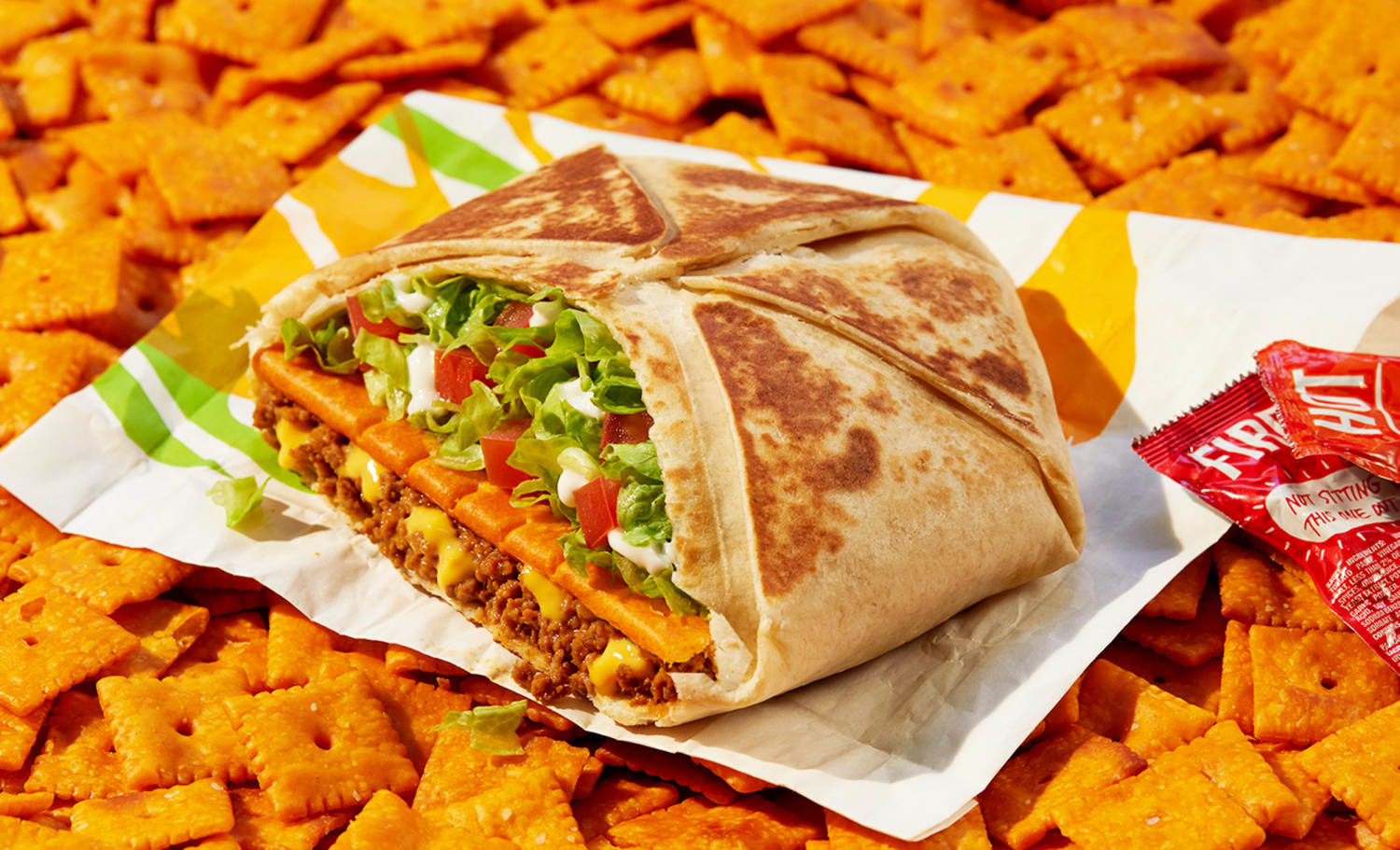
The core of Taco Bell’s marketing strategy is the constant rotation of Limited Time Offers (LTOs). From the return of the Mexican Pizza to the introduction of the Big Cheez-It Crunchwrap, these items are designed to create a spike in social media conversation and foot traffic.
The brand strategy here is twofold: first, it keeps the menu from feeling stagnant; and second, it provides a recurring reason for news outlets and influencers to talk about the brand. The “Mexican Pizza Saga”—which involved a viral petition, celebrity endorsements from the likes of Doja Cat, and an eventual musical—showcases how Taco Bell can turn a menu supply chain issue into a global brand victory. They didn’t just bring back a product; they responded to a “cultural movement” that they helped orchestrate.
Collaborations: Cross-Industry Synergies that Drive Hype
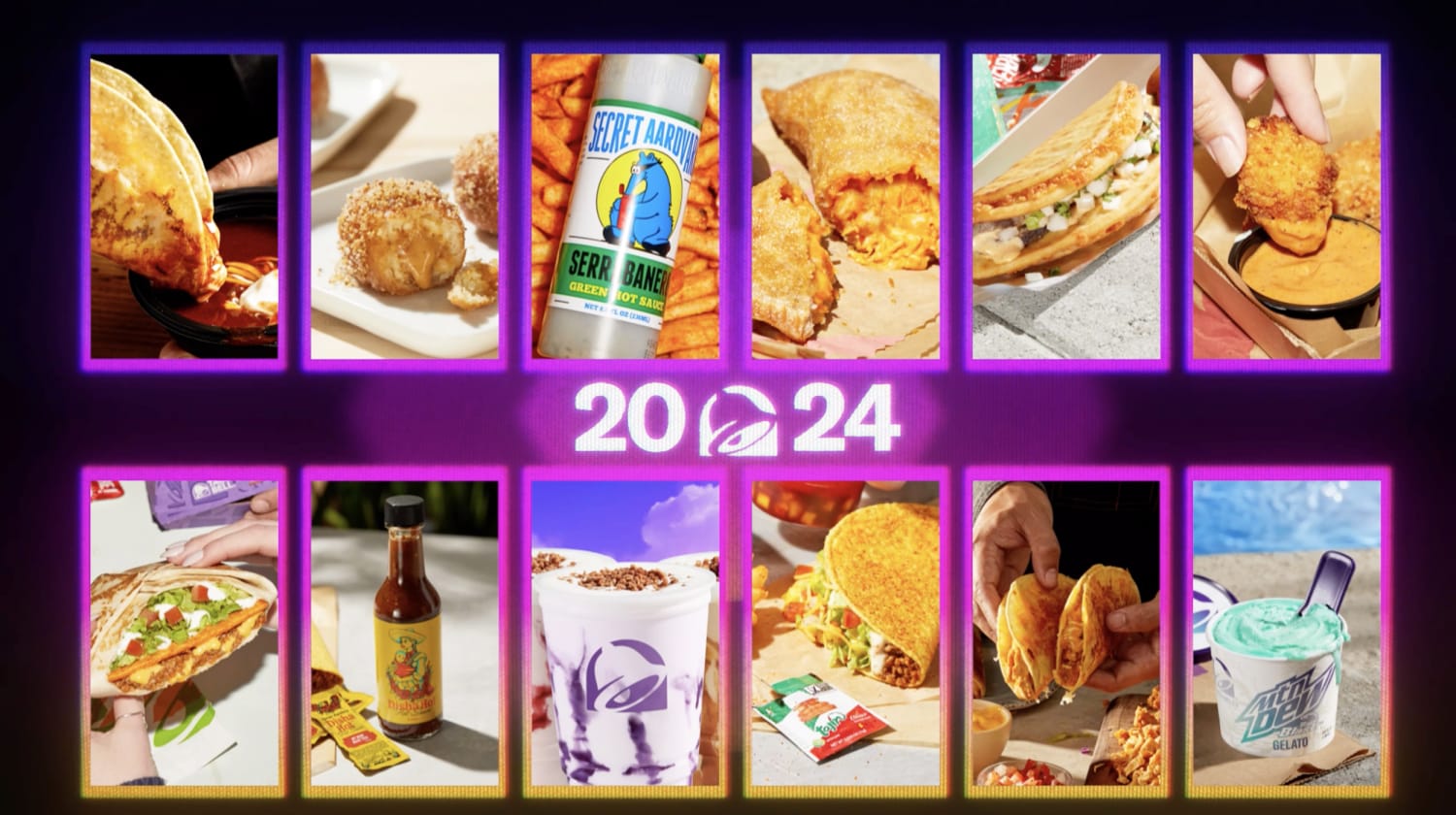
Taco Bell’s recent foray into “collab culture” is perhaps its most potent growth lever. Whether it is partnering with Mountain Dew for the legendary Baja Blast (which has its own cult following) or collaborating with Milk Bar for a “Strawberry Bell Truffle,” these partnerships allow Taco Bell to borrow the brand equity of other giants.
These collaborations serve as “news moments.” They allow the brand to break out of the “food” category and enter the “entertainment” or “lifestyle” categories. By aligning with brands that share a similar demographic, Taco Bell reinforces its identity as an innovative, boundary-pushing entity that isn’t afraid to experiment.
Sustainable Growth and the Future of the Corporate Identity
As the brand looks forward, what’s new at Taco Bell is an increasing focus on longevity through social responsibility and global consistency. A brand cannot survive on hype alone; it must have a foundation of values that resonate with the modern “conscious” consumer.
Inclusivity and Social Responsibility as Brand Pillars
Taco Bell has leaned heavily into its reputation as one of the most vegetarian-friendly QSRs. Their “Veggie Crave” menu and easy-to-navigate customization options are not accidental; they are a direct response to the growing demand for plant-based and inclusive dining options.
Furthermore, through the Taco Bell Foundation and the “Live Mas Scholarship,” the brand has positioned itself as an advocate for the ambitions of young people. By investing in the education and passions of their demographic, they are building long-term emotional loyalty. This is a “pull” strategy rather than a “push” strategy—instead of just selling products, they are investing in the community that buys them, thereby strengthening the brand’s social capital.
Maintaining Brand Consistency in a Global Market
As Taco Bell expands into international markets like the UK, India, and China, the challenge lies in maintaining the “irreverent” brand voice while adapting to local tastes. The brand strategy involves a “Glocal” approach—global consistency in brand feel, but local relevance in product offering.
For instance, in the UK, the brand focuses more on the “adventure” of Mexican-inspired food, which is less ubiquitous there than in the US. In India, the menu is heavily adapted to local vegetarian preferences and spice profiles. Despite these regional tweaks, the visual identity—the purple bells, the modern architectural lines, and the digital-first service—remains consistent. This global coherence ensures that the Taco Bell brand is recognizable and aspirational, regardless of the geographic location.
In conclusion, “what’s new at Taco Bell” is a relentless pursuit of cultural relevance through strategic brand evolution. By blending experiential retail, digital gamification, and high-energy product drops, the brand has successfully navigated the transition from a legacy fast-food chain to a modern lifestyle icon. Their strategy proves that in the modern economy, the most valuable currency isn’t just the product itself, but the story the brand tells and the community it builds around that story.
aViewFromTheCave is a participant in the Amazon Services LLC Associates Program, an affiliate advertising program designed to provide a means for sites to earn advertising fees by advertising and linking to Amazon.com. Amazon, the Amazon logo, AmazonSupply, and the AmazonSupply logo are trademarks of Amazon.com, Inc. or its affiliates. As an Amazon Associate we earn affiliate commissions from qualifying purchases.