
Understanding the true market value of your vehicle is a critical financial step, whether you’re planning an upgrade, seeking to downsize, or simply looking to free up capital. In the dynamic landscape of automotive transactions, CarMax has emerged as a prominent player, offering a distinctive approach to car valuation and sales. This article delves into the financial intricacies of determining your car’s worth through CarMax, comparing it against other avenues, and equipping you with the insights to make a financially sound decision. Far beyond a simple appraisal, we explore the economic factors at play, helping you maximize your return and manage your personal finances effectively.

The Financial Fundamentals of Vehicle Valuation
Before approaching any buyer, including CarMax, a foundational understanding of how vehicle values are determined is essential. A car is a depreciating asset, and its worth is influenced by a complex interplay of factors, market forces, and perceived condition. Grasping these financial underpinnings empowers you to interpret offers, negotiate effectively, and make informed choices that align with your broader financial goals.
Factors Influencing Your Car’s Market Value
Several key financial and practical elements collectively dictate what a car is worth on the open market. Each plays a role in the supply-demand equation and ultimately, the cash offer you might receive.
- Make, Model, and Trim Level: Certain brands and models retain their value better than others due due to reputation for reliability, fuel efficiency, or desirability. Higher trim levels, often equipped with premium features, command a higher price point initially and can hold a slightly better percentage of their value, though their absolute depreciation in dollar terms might be higher.
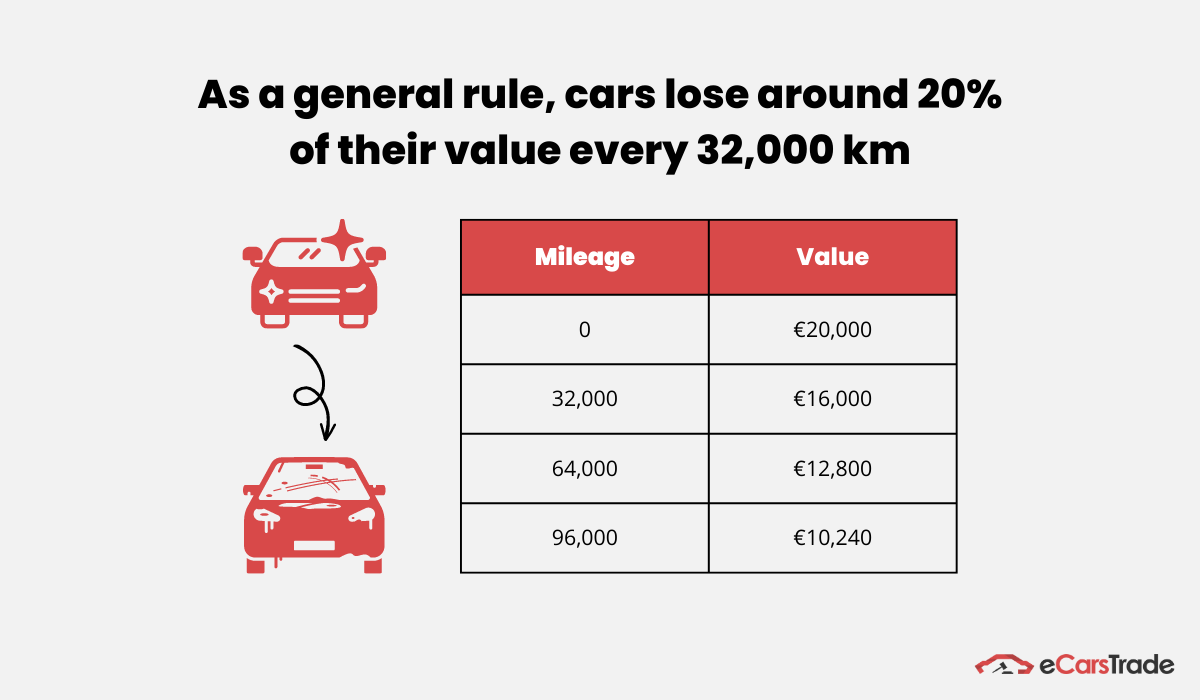
- Mileage: This is perhaps the most significant determinant of a car’s financial depreciation. Lower mileage generally correlates with less wear and tear and a higher perceived remaining lifespan, thus commanding a higher price. There are psychological thresholds (e.g., crossing 100,000 miles) that can significantly impact buyer interest and valuation.
- Condition (Interior & Exterior): Beyond mere aesthetics, the condition reflects the car’s maintenance history and potential future repair costs for a new owner. Dents, scratches, torn upholstery, and excessive wear on controls detract from value. A well-maintained vehicle, both cosmetically and mechanically, translates into a higher financial offer.
- Maintenance History: A comprehensive, documented service history provides tangible proof of regular upkeep, assuring potential buyers of the car’s mechanical integrity. This transparency can significantly boost confidence and, consequently, the offer price, acting as a form of financial security for the buyer.
- Location and Market Demand: Regional economic conditions and local preferences can influence demand. A sports car might fetch more in a sunny climate than in a colder region, for instance. High demand for a particular model in your area can drive up its market value, offering you a better financial outcome.
- Optional Features and Upgrades: Features like navigation systems, sunroofs, advanced safety packages, and premium sound systems, while often expensive when new, can enhance resale value, particularly for newer vehicles. However, excessively customized modifications might appeal only to a niche market, potentially limiting its broad financial appeal.
The Depreciation Curve and Its Impact
Understanding the depreciation curve is crucial for any car owner making financial decisions. A new car typically loses a significant portion of its value (often 20-30%) within its first year and continues to depreciate rapidly over the next two to three years. This accelerated loss of value is primarily due to the transition from “new” to “used” status, initial mileage accumulation, and wear.
After the initial steep drop, the rate of depreciation tends to stabilize, though it continues throughout the vehicle’s life. This financial reality means that selling a car after only a couple of years typically results in a substantial financial loss relative to its purchase price. Conversely, holding onto a vehicle for a longer period allows you to extract more utility from your initial investment, and the percentage loss of its remaining value slows down. When CarMax evaluates your vehicle, they are factoring in where your car sits on this depreciation curve, assessing its remaining useful life and desirability in the used car market to formulate a financially viable offer for them.
CarMax’s Valuation Model: A Distinct Financial Approach
CarMax has carved out a unique niche in the automotive market by streamlining the car selling process, offering what they term an “instant offer.” This model is designed for convenience and transparency, presenting a fixed cash offer valid for seven days. From a financial perspective, understanding how CarMax arrives at its valuation is key to assessing if their offer aligns with your personal finance objectives.
The Instant Offer Mechanism: Convenience vs. Value
The “instant offer” is CarMax’s signature financial tool. You bring your car in for a quick, professional appraisal, and within minutes, you receive a no-obligation cash offer. This process is highly attractive for sellers prioritizing speed, ease, and certainty over potentially higher, but less assured, returns from private sales.
From a financial standpoint, the instant offer provides immediate liquidity and removes the burdens of marketing, negotiating, and dealing with potential buyers. This convenience has a financial value in itself – it saves you time, effort, and potentially money on detailing or minor repairs you might undertake for a private sale. However, like any business, CarMax needs to turn a profit. Their offer will inherently include a margin for their operational costs, reconditioning expenses, and profit when they resell the vehicle. Therefore, their offer is typically competitive but not necessarily the highest possible price you could achieve, especially compared to a meticulously managed private sale.
How CarMax Positions Itself in the Automotive Market
CarMax’s business model is strategically positioned to appeal to a specific segment of the market: those who value efficiency, transparency, and a hassle-free experience above all else. They aim to be a high-volume buyer and seller, relying on standardized processes and a robust pricing algorithm.
Their financial success hinges on several factors:
- Predictive Analytics: CarMax leverages extensive market data, including sales trends, depreciation rates, and regional demand, to generate offers that are competitive enough to attract sellers while ensuring profitability. This data-driven approach minimizes risk and maximizes financial efficiency in their inventory acquisition.
- Streamlined Operations: By standardizing the appraisal and purchasing process, CarMax reduces overheads and increases transaction speed, allowing them to process a high volume of vehicles efficiently. This operational efficiency contributes to their ability to provide competitive offers.
- Reconditioning and Resale: After purchasing a vehicle, CarMax invests in reconditioning to bring it up to their retail standards. Their financial model accounts for these reconditioning costs, ensuring that the final resale price covers their initial purchase, refurbishment, and a profit margin. They also categorize cars that do not meet their retail standards and sell them via wholesale auctions, still aiming for a profitable return.
For a seller, CarMax represents a financial intermediary that simplifies a complex transaction. It’s a trade-off: guaranteed, quick cash at a slightly lower potential market value versus the time, effort, and uncertainty of other selling methods that might yield a higher absolute return. Understanding this dynamic is crucial for evaluating their offer within your personal financial strategy.
Maximizing Your Car’s Worth Before Selling
While CarMax’s appraisal process is thorough, there are strategic financial decisions you can make prior to your visit that can positively influence their offer. These actions focus on improving the car’s perceived value and reducing potential reconditioning costs for the buyer, thereby increasing the financial attractiveness of your vehicle.
Strategic Maintenance and Minor Repairs
Before you even think about an appraisal, consider the financial impact of your car’s mechanical and cosmetic state. Proactive, minor investments can often lead to a greater return on your CarMax offer.
- Routine Maintenance Records: Ensure all scheduled maintenance, oil changes, tire rotations, and fluid flushes are up-to-date and documented. A well-organized file of service records signals to CarMax that the car has been responsibly cared for, reducing their perceived risk and potential future repair costs. This documentation acts as a financial asset.
- Addressing Warning Lights: Illuminated check engine lights or other warning indicators are immediate red flags for any buyer, including CarMax. While a major repair might not be financially justifiable, understanding the issue and addressing minor ones (e.g., a loose gas cap) can prevent a significant reduction in the offer. Get a diagnostic check to know if a small fix could save you hundreds or thousands on the offer.
- Minor Cosmetic Fixes: Small dents, scratches, or chips can be surprisingly inexpensive to repair if done professionally. Similarly, replacing a cracked windshield or a broken taillight is often a cost-effective investment that improves the car’s overall financial appeal. However, be judicious; major bodywork or extensive paint jobs are unlikely to yield a positive financial return on investment when selling to a dealer like CarMax, who has access to more cost-effective repair channels.
Presenting Your Vehicle for Optimal Financial Return

First impressions significantly impact perceived value. A clean, well-presented car suggests a cared-for asset, which can translate into a better financial offer.
- Thorough Cleaning and Detailing: Invest in a professional detail or dedicate time to thoroughly clean your car, both inside and out. Remove all personal belongings. Shampoo carpets, wipe down surfaces, clean windows, and vacuum meticulously. The aim is to present a vehicle that looks and smells well-maintained, giving the impression of higher intrinsic value.
- Tire Condition: Tires are a significant expense for any new owner. Ensure your tires have adequate tread depth and are properly inflated. While you may not need to buy new tires for an older car, ensuring they are not excessively worn can prevent a reduction in the offer.
- Fluid Levels and Engine Bay: Check and top off all essential fluids (oil, coolant, washer fluid). While not a major factor, a clean engine bay, free of excessive grime, can subtly suggest a car that has been maintained and shows attention to detail, contributing to a better overall impression and potentially a higher offer.
- Gather Essential Documentation: Have your title, registration, service records, and owner’s manual readily available. This demonstrates organization and provides the appraiser with all necessary information to expedite the process, conveying a sense of transparency and reducing the perceived transaction risk.
By strategically addressing these points, you present your vehicle in the best possible light, signaling to CarMax that it is a well-maintained asset and potentially minimizing the reconditioning costs they would incur, which in turn, can lead to a more favorable financial offer for you.
Comparing CarMax to Alternative Selling Avenues
While CarMax offers a compelling proposition of speed and convenience, it’s financially prudent to compare their offer against other available selling methods. Each avenue presents a different balance of potential return, effort, and risk, impacting your overall financial outcome.
Dealership Trade-Ins: The Net Financial Benefit
Trading in your car at a dealership when purchasing a new one is often perceived as the most convenient alternative to a direct sale. From a financial perspective, the key is to look at the “net cost” of your new car after the trade-in, rather than solely the trade-in value itself.
- Tax Savings: In many states, trading in a car reduces the taxable amount of your new vehicle purchase, leading to immediate tax savings. This effectively increases the financial value of your trade-in, as you’re saving money you would otherwise pay in sales tax. This is a significant factor often overlooked when comparing offers.
- Negotiation Complexity: Dealers often combine the new car price and the trade-in value into a single negotiation. This can make it difficult to determine if you’re getting a fair price for both transactions. It’s often advisable to negotiate the new car price separately before introducing the trade-in.
- Lower Outright Value: Like CarMax, dealerships need to profit from your trade-in. Their offer will typically be lower than a private sale value, as they need to recondition the vehicle and resell it at a profit. However, the tax savings can sometimes bridge this gap, making the net financial benefit competitive.
Private Sales: Weighing Higher Returns Against Effort and Risk
Selling your car privately usually yields the highest potential financial return, as you cut out the intermediary’s profit margin. However, this comes with a significant increase in personal effort and financial risk.
- Maximized Profit: By selling directly to an end-user, you can often command a price closer to the retail market value, resulting in more money in your pocket.
- Time and Effort Investment: A private sale demands significant time and effort. This includes preparing the car (cleaning, minor repairs), advertising, fielding inquiries, scheduling test drives, negotiating, and handling paperwork. The opportunity cost of your time should be factored into the financial assessment.
- Financial and Security Risks: Private sales carry risks, including potential scams, dealing with unreliable buyers, and security concerns during test drives. Managing payments and ensuring legal transfer of ownership also requires careful attention to avoid future financial liabilities.
- No Tax Advantage: Unlike a trade-in, a private sale does not offer any sales tax benefits on your next vehicle purchase.
Online Marketplaces and Auction Sites
Modern technology has introduced hybrid options that sit between traditional dealerships and full-blown private sales, offering varying degrees of convenience and potential return.
- Online Platforms (e.g., eBay Motors, Autotrader, Facebook Marketplace): These platforms connect private sellers with a vast audience of potential buyers. They offer the potential for higher returns than dealership offers but still require the seller to manage the listing, communication, and negotiation. Some platforms offer services to facilitate transactions or provide temporary insurance, reducing some of the inherent risks of a purely private sale.
- Online Cash Offer Services (e.g., Vroom, Shift, Carvana): Similar to CarMax, these companies provide instant online offers for your vehicle. You input your car’s details, receive an offer, and if accepted, they often arrange pickup. These services blend the convenience of CarMax with potentially competitive offers, though their specific valuation algorithms might differ. From a financial standpoint, it’s always wise to get quotes from multiple sources to compare the best cash offer.
- Online Auctions: For certain specialty vehicles or those requiring significant repairs, online auctions might be an option. However, these are generally geared towards dealers and experienced buyers, and getting a fair market value can be challenging for an individual seller.
Ultimately, the choice of selling avenue depends on your personal financial priorities. If speed, certainty, and minimal effort are paramount, CarMax or similar online cash offer services are highly appealing. If maximizing your financial return is the primary goal and you’re willing to invest the time and manage the risks, a private sale might be more suitable. A trade-in offers a balance, especially with the potential tax benefits.
Financial Planning for Your Next Vehicle Purchase
Selling your current vehicle, regardless of the method, is typically a precursor to acquiring another. The financial decisions you make during the sale process directly impact your budget and options for your next car. Leveraging your CarMax offer intelligently can be a strategic move in your broader financial planning.
Leveraging Your CarMax Offer in a New Acquisition
The cash offer from CarMax provides immediate, liquid funds that can be strategically deployed. This financial flexibility is one of the distinct advantages of selling to CarMax.
- Cash Down Payment: The cash from CarMax can serve as a substantial down payment on your next vehicle. A larger down payment reduces the principal amount you need to finance, leading to lower monthly payments, less interest paid over the life of the loan, and potentially better loan terms from lenders. This is a sound financial strategy for minimizing overall vehicle ownership costs.
- Negotiating Power: Having cash in hand, rather than a trade-in to negotiate, can simplify the purchasing process for your new car. You become a cash buyer, which can give you stronger leverage when negotiating the purchase price of your next vehicle, as dealers often prefer straightforward cash deals over complex trade-in scenarios.
- Bridge Financing/Gap Coverage: If you sell your car to CarMax and then take some time to find the right new vehicle, the cash acts as bridge financing. It prevents you from being rushed into a decision and provides a financial buffer. Furthermore, if your existing car loan balance exceeds its market value (you’re “upside down”), the CarMax offer, while not covering the full deficit, provides a concrete amount to reduce that negative equity, making your next financial step more manageable.
Budgeting and Financing Considerations
Effective budgeting is paramount when planning for a new vehicle. Your CarMax offer becomes a crucial component of this financial blueprint.
- Determine Your Affordability: Before even looking at cars, establish a clear budget based on your income, expenses, and savings goals. Consider not just the purchase price, but ongoing costs like insurance, fuel, maintenance, and registration. Your CarMax proceeds directly impact how much you’ll need to finance.
- Loan Pre-Approval: If you plan to finance, secure a loan pre-approval before you shop. This clarifies your borrowing capacity, interest rate, and monthly payment expectations, giving you a strong financial baseline. Your CarMax cash can then be applied to reduce the loan amount, improving your debt-to-income ratio and potentially securing even better rates.
- Assess Total Cost of Ownership (TCO): Look beyond the sticker price. Research the TCO for potential new vehicles, which includes depreciation, insurance, fuel, maintenance, and repairs over several years. A car with a slightly higher purchase price but lower TCO might be a better financial decision in the long run.
- Consider Lease vs. Buy: With your CarMax cash in hand, you also have the option to consider leasing. While not an ownership model, a portion of the cash could be used as a cap cost reduction on a lease, lowering your monthly payments. Analyze the financial implications of both options based on your driving habits, desire for new features, and long-term financial plans.
By thoughtfully integrating your CarMax offer into your overall financial strategy, you can make a more informed and advantageous decision regarding your next vehicle, ultimately strengthening your personal financial position.
In conclusion, understanding “what’s my car worth at CarMax” transcends a simple number; it’s a deep dive into personal finance, market dynamics, and strategic decision-making. CarMax offers a valuable financial tool for those seeking convenience and certainty in selling their vehicle. By grasping the financial factors that drive vehicle valuation, preparing your car optimally, and comparing the CarMax offer against other selling avenues, you can ensure that you are making the most financially advantageous choice for your specific circumstances. Whether you use the proceeds for a down payment, investment, or simply to improve your cash flow, a well-informed transaction with CarMax can be a positive step in your financial journey.
aViewFromTheCave is a participant in the Amazon Services LLC Associates Program, an affiliate advertising program designed to provide a means for sites to earn advertising fees by advertising and linking to Amazon.com. Amazon, the Amazon logo, AmazonSupply, and the AmazonSupply logo are trademarks of Amazon.com, Inc. or its affiliates. As an Amazon Associate we earn affiliate commissions from qualifying purchases.