
Understanding the current state of Dow futures is a critical exercise for investors, traders, and financial enthusiasts alike. While the precise real-time number fluctuates by the second, grasping what Dow futures represent, how they move, and where to find their current levels offers invaluable insight into market sentiment and potential future direction. They serve as an early warning system, a crystal ball, and a barometer for the broader economic climate, all rolled into one dynamic financial instrument.
Understanding Dow Futures: More Than Just a Number
Dow futures, specifically the E-mini Dow ($YM) futures contract, are often the first indicator investors check before the regular stock market opens. They offer a continuous trading window, often reflecting global news and investor sentiment long before the opening bell rings on Wall Street. To truly appreciate their significance, one must first understand what index futures are and their particular role in relation to the venerable Dow Jones Industrial Average.
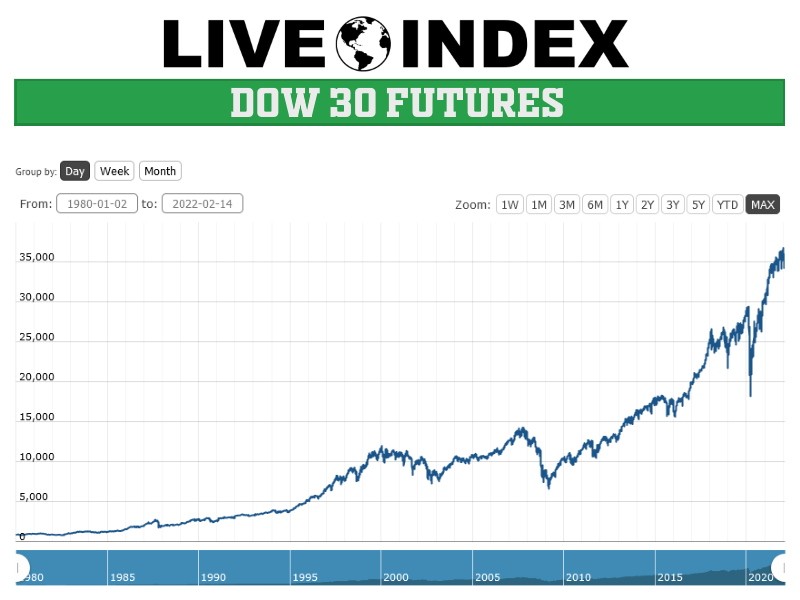
What Are Index Futures?
Index futures are financial derivative contracts that obligate the buyer to purchase, or the seller to sell, a specified stock market index at a predetermined price on a future date. Unlike individual stock futures, which track a single company’s shares, index futures track the performance of an entire market index. The E-mini Dow futures contract, for instance, is based on the Dow Jones Industrial Average (DJIA), an index comprising 30 large, publicly traded companies based in the United States.
These contracts are highly liquid and trade almost around the clock, providing a continuous pulse of market activity. They allow investors to speculate on the future direction of an index without having to buy all the underlying stocks. For traders, they offer opportunities for leverage and hedging against existing portfolios. Critically, because they trade outside regular market hours, their price movements often signal how the broader market might open once the conventional trading session begins.
The Significance of Dow Futures (YM)
The Dow Jones Industrial Average has long been considered a bellwether for the U.S. economy and corporate health. Consequently, its associated futures contract, the E-mini Dow (trading symbol YM on the CME Globex exchange), carries significant weight. Its movements reflect expectations for the upcoming trading day, influenced by a myriad of factors ranging from overnight economic data releases from Asia and Europe to pre-market earnings reports from major corporations, and even geopolitical developments.
A rising Dow future value typically suggests that investors anticipate a positive opening for the Dow Jones Industrial Average and potentially the broader market. Conversely, a falling Dow future indicates bearish sentiment, signaling a likely downturn at market open. This predictive power makes monitoring Dow futures a crucial daily ritual for many financial professionals and engaged individual investors. They are not merely a reflection of the past; they are a forward-looking indicator of market mood.
How Dow Futures Reflect Market Sentiment
Dow futures are more than just a pre-market indicator; they are a real-time thermometer for global investor sentiment. Their movements throughout the extended trading hours are driven by a dynamic interplay of economic news, corporate announcements, and geopolitical events, offering a continuous narrative of market expectations.
Predicting the Open
One of the primary uses of Dow futures is to forecast the opening direction of the Dow Jones Industrial Average. When futures contracts are trading significantly higher or lower than the previous day’s closing price for the underlying index, it often suggests a gap up or down at the market open. For instance, if Dow futures are up 150 points an hour before the NYSE opens, it’s a strong indication that the DJIA itself will likely open higher by a similar margin. This information is critical for day traders planning their strategies, as well as long-term investors assessing the overall market outlook for the day. It allows for pre-emptive adjustments to trading plans and portfolio assessments.
Reacting to Global Events
Because Dow futures trade almost continuously, they are highly sensitive to events occurring anywhere in the world, at any time. A major economic report from China, a central bank announcement in Europe, or a significant political development overnight in the U.S. can instantly impact Dow futures prices. This responsiveness makes them an excellent gauge of how global investors are processing new information and what that might mean for U.S. equities. For example, an unexpected interest rate hike in a major economy overseas could send Dow futures lower, reflecting concerns about global growth, even before U.S. markets officially open. This continuous feedback loop provides a constant pulse on the market’s collective anxiety or optimism.
Where to Find Real-Time Dow Futures Data
Given the rapid fluctuations of futures markets, knowing where to find reliable, real-time data is paramount. The “right now” in “what are the Dow futures at right now” emphasizes the need for up-to-the-minute information. Fortunately, several platforms and services cater to this need, offering varying levels of detail and accessibility.
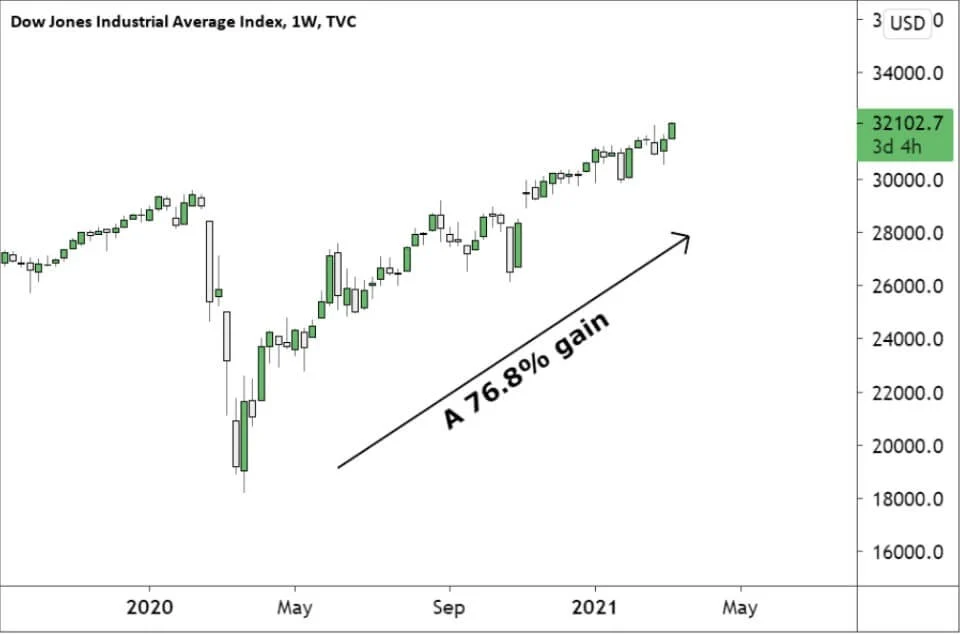
Financial News Outlets
Many major financial news websites provide real-time or near real-time quotes for Dow futures. Websites like Bloomberg, Reuters, CNBC, Fox Business, Wall Street Journal, and Yahoo Finance typically have dedicated sections for futures data. These platforms often display the current price, net change, percentage change, and sometimes even charts showing intraday movements. While some services may offer slightly delayed data for free users, professional subscriptions often unlock truly real-time streaming quotes. This is usually the easiest and most accessible way for a casual investor to get a quick snapshot.
Brokerage Platforms
For active traders and investors, brokerage platforms are often the go-to source. Platforms from brokers like Charles Schwab, Fidelity, TD Ameritrade (now Schwab), Interactive Brokers, E*TRADE, and others provide live streaming futures data directly within their trading interfaces. These platforms offer not only the current price but also depth-of-market data, historical charts, technical analysis tools, and the ability to execute trades directly. For those who actively trade futures or need the most precise and immediate data for their investment decisions, their brokerage platform is an indispensable tool.
Dedicated Futures Exchanges
For the most granular and authoritative data, one can go directly to the source: the exchanges where these contracts are traded. The CME Group (Chicago Mercantile Exchange), for example, is where E-mini Dow futures are listed and traded. While their main website might offer some summary data, professional data providers and terminals (like Bloomberg Terminal or Refinitiv Eikon) connect directly to exchange feeds, offering the fastest and most comprehensive data available, often favored by institutional traders and quantitative funds.
Interpreting the Movement: What Does it Mean for Investors?
Simply knowing the current price of Dow futures is only half the battle; the true value lies in interpreting what that movement signifies for your personal investment strategy and the broader market. The implications can vary significantly depending on your investment horizon and risk tolerance.
Short-Term Trading vs. Long-Term Investing
For short-term traders (day traders, swing traders), the precise “right now” value of Dow futures is critical. A significant pre-market move can dictate their entire trading strategy for the day. If futures are strongly positive, they might look for long opportunities in specific sectors or stocks. If futures are sharply negative, they might prepare for short sales or hedge existing positions. Their decisions are directly influenced by these immediate price signals, focusing on exploiting intraday volatility.
For long-term investors, the daily fluctuations of Dow futures are less about immediate trading decisions and more about understanding the underlying sentiment. A consistent trend in futures over several days or weeks might signal a shift in market psychology—perhaps increasing optimism about economic recovery or growing concerns about inflation. While a single day’s movement might not prompt a portfolio rebalance, sustained trends can inform decisions about dollar-cost averaging, rebalancing, or adjusting asset allocation in the months ahead. It’s about taking the market’s pulse, not reacting to every heartbeat.
Risk Management and Volatility
Dow futures are also a powerful indicator of market volatility. A rapidly swinging futures market, even outside regular hours, suggests an environment of heightened uncertainty and risk. Such conditions can lead to wider price gaps at market open, more erratic intraday movements, and increased potential for both gains and losses. Investors should pay attention to how volatile futures are, as it can be a harbinger of a turbulent trading session for the underlying stocks. This awareness allows for better risk management, prompting investors to consider tighter stop-losses, reduce position sizes, or even sit on the sidelines during periods of extreme uncertainty.

Incorporating Dow Futures into Your Investment Strategy
Monitoring Dow futures is not just for professional traders; it’s a valuable practice for any engaged investor looking to stay informed and make more strategic decisions. While you might not trade futures directly, their insights can significantly enhance your overall market awareness.
Firstly, use them as an early warning system. Checking Dow futures before the market opens gives you a head start, allowing you to mentally prepare for potential volatility or a strong trend. This can prevent emotional reactions to sudden market shifts once the bell rings.
Secondly, leverage them for sentiment analysis. Are futures consistently holding gains or repeatedly selling off after positive news? This helps you gauge the market’s underlying strength or weakness beyond just looking at the daily close of the DJIA. It reveals how investors are truly feeling about future prospects.
Finally, consider them a tool for portfolio context. Even if you’re a long-term investor focused on individual stocks, understanding the broader market context provided by Dow futures can inform when to deploy new capital, when to trim overextended positions, or when to simply hold steady. A strong bullish trend in futures might support adding to growth stocks, while a bearish trend could suggest a more defensive posture or an opportunity to accumulate value stocks at lower prices.
In essence, while you won’t find a static answer to “what are the Dow futures at right now” due to their constant movement, the journey of understanding how to find that information and what it means is far more valuable. It equips you with a powerful lens through which to view the dynamic world of investing, helping you make more informed, confident decisions in pursuit of your financial goals.
aViewFromTheCave is a participant in the Amazon Services LLC Associates Program, an affiliate advertising program designed to provide a means for sites to earn advertising fees by advertising and linking to Amazon.com. Amazon, the Amazon logo, AmazonSupply, and the AmazonSupply logo are trademarks of Amazon.com, Inc. or its affiliates. As an Amazon Associate we earn affiliate commissions from qualifying purchases.