
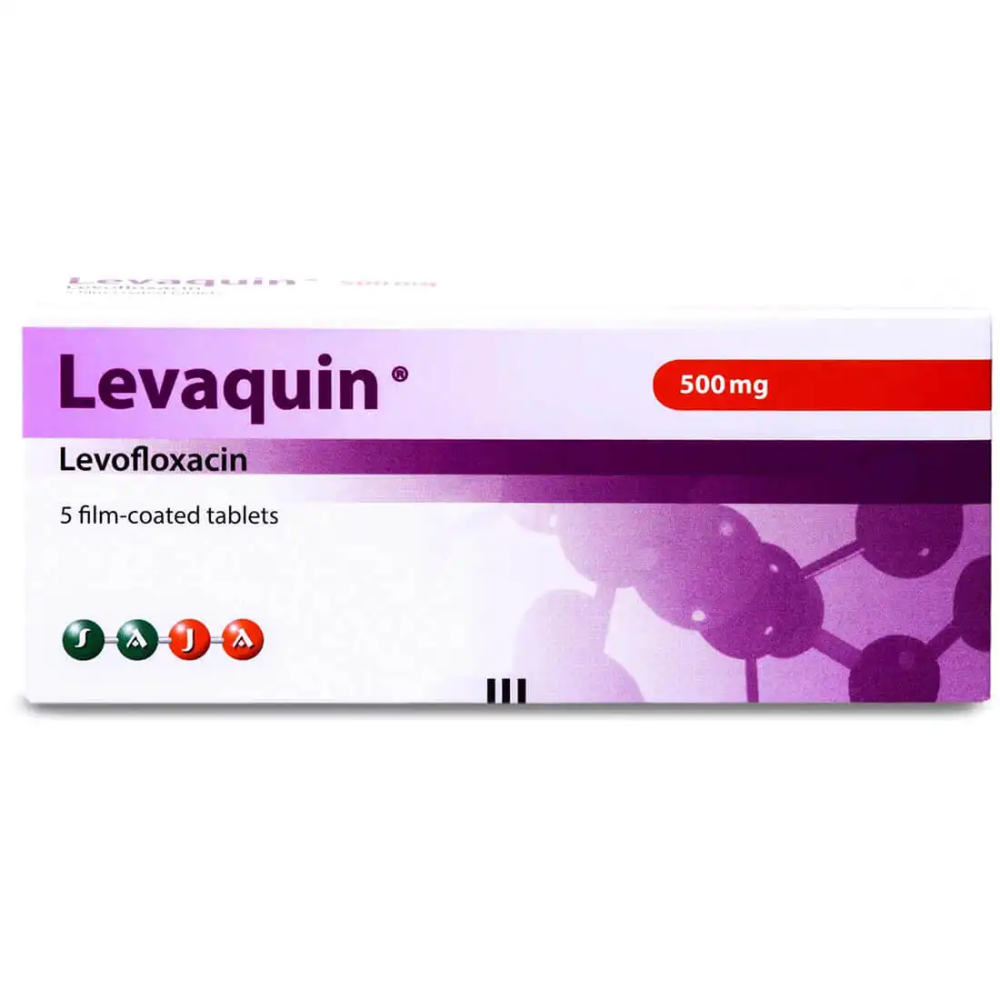
Levaquin, known scientifically as levofloxacin, represents a significant advancement in the field of antibacterial therapy. Its efficacy against a broad spectrum of bacterial infections stems from its sophisticated mechanism of action, which itself is a product of intensive scientific research and technological innovation. Understanding what Levaquin is used for requires delving into the technological underpinnings that enable its powerful therapeutic effects and how these are integrated into modern healthcare delivery. This exploration will focus on the scientific principles behind Levaquin, its role within the broader technological landscape of infectious disease management, and the digital tools that inform its judicious use.

The Molecular Engineering of Bacterial Combat: Understanding Levaquin’s Mechanism
At its core, Levaquin’s utility lies in its precisely engineered molecular structure, which allows it to selectively target and inhibit essential bacterial processes. This is a prime example of how advanced chemical synthesis and biochemical understanding, both fruits of technological progress, translate into potent medical interventions.
DNA Replication Disruption: Targeting Bacterial Survival Machinery
Levaquin belongs to the fluoroquinolone class of antibiotics. This classification itself points to the technological evolution of antibiotic development. Fluoroquinolones were developed through decades of research aimed at finding compounds that could effectively kill bacteria by interfering with fundamental processes necessary for their survival and replication. The primary target of Levaquin is bacterial DNA gyrase and topoisomerase IV. These enzymes are crucial for DNA replication, transcription, repair, and recombination.
- DNA Gyrase and Topoisomerase IV: These enzymes function as molecular scissors and reassemblers, managing the supercoiling and untangling of bacterial DNA as it undergoes replication. Without their proper functioning, the bacterial chromosome would become hopelessly tangled, preventing cell division and ultimately leading to cell death.
- Inhibition Pathway: Levaquin binds to these enzymes while they are engaged with bacterial DNA, forming a stable complex. This complex effectively traps the enzymes, preventing them from completing their tasks and leading to the accumulation of DNA breaks. The disruption of DNA integrity is a highly effective bactericidal mechanism, meaning it actively kills bacteria rather than just inhibiting their growth.
The Chirality Advantage: Levofloxacin’s Specificity
A key technological aspect of Levaquin is its stereochemistry. Levaquin is the pure S-(-)-isomer of ofloxacin, a racemic mixture that was previously used. The development of chiral separation technologies and enantioselective synthesis allowed for the isolation and production of the more potent and safer S-isomer.
- Chiral Molecules: Many organic molecules, including drugs, exist as stereoisomers – molecules with the same chemical formula but different spatial arrangements of atoms. These different arrangements can lead to vastly different biological activities and side effect profiles.
- Enhanced Potency and Reduced Side Effects: Research and technological advancements in analytical chemistry and synthetic organic chemistry enabled scientists to identify that the S-(-)-isomer of ofloxacin possessed significantly greater antibacterial activity and a potentially better safety profile compared to the R-(+)-isomer or the racemic mixture. This led to the development of levofloxacin as a distinct and superior therapeutic agent. The ability to isolate or synthesize specific enantiomers is a testament to the sophistication of modern pharmaceutical technology.
Broad-Spectrum Efficacy: Targeting Diverse Bacterial Threats
The technological design of Levaquin results in a broad spectrum of activity against a wide array of Gram-positive and Gram-negative bacteria, as well as atypical pathogens. This versatility makes it a valuable tool in combating numerous infections.
- Gram-Positive Bacteria: Levaquin is effective against certain Gram-positive bacteria such as Streptococcus pneumoniae, a common cause of pneumonia and meningitis, and Staphylococcus aureus (though resistance can be an issue).
- Gram-Negative Bacteria: Its efficacy extends to many Gram-negative bacteria, including Escherichia coli, Haemophilus influenzae, and Klebsiella pneumoniae, which are frequent culprits in urinary tract infections, respiratory infections, and abdominal infections.
- Atypical Pathogens: Levaquin is particularly noted for its activity against atypical bacteria like Mycoplasma pneumoniae and Chlamydia pneumoniae, which lack cell walls and are resistant to many other antibiotics. This highlights its importance in treating community-acquired pneumonia and other respiratory infections.
Levaquin in the Digital Age: Leveraging Technology for Optimal Antibiotic Stewardship
The application of Levaquin in modern medicine is not solely reliant on its chemical properties. The digital revolution has profoundly impacted how antibiotics are prescribed, monitored, and managed, enhancing their effectiveness and mitigating the risks of resistance.
Precision Medicine and Diagnostic Technologies
The concept of precision medicine, driven by advancements in genomics, proteomics, and advanced diagnostics, plays a crucial role in determining when Levaquin is the most appropriate choice.
- Microbiological Diagnostics: Rapid and accurate identification of the causative pathogen is paramount. Technologies like polymerase chain reaction (PCR), mass spectrometry (e.g., MALDI-TOF MS), and automated microbial identification systems allow for faster and more precise determination of the bacteria involved in an infection. This information, coupled with susceptibility testing, guides the selection of the most effective antibiotic, including Levaquin.
- Susceptibility Testing: Sophisticated automated systems and molecular assays can quickly determine if a particular bacterial strain is susceptible or resistant to Levaquin. This ensures that the antibiotic is only used when it has a high probability of success, thereby improving patient outcomes and conserving the antibiotic’s effectiveness.
- Genomic Insights: While not yet routine for every prescription, ongoing research into bacterial genomics can identify specific resistance mechanisms that might predispose a patient to treatment failure with Levaquin. As genomic sequencing becomes more accessible, it will further refine the personalization of antibiotic therapy.
Electronic Health Records and Clinical Decision Support Systems
The widespread adoption of Electronic Health Records (EHRs) and sophisticated Clinical Decision Support Systems (CDSS) has revolutionized antibiotic prescribing practices.
- EHR Integration: Levaquin’s prescription information, patient history, allergies, and co-morbidities are all captured within EHRs. This comprehensive digital record allows healthcare providers to quickly access all relevant information needed to make an informed prescribing decision.
- CDSS Functionality: CDSS integrated with EHRs can flag potential drug interactions, suggest appropriate dosages based on renal function (crucial for fluoroquinolone dosing), alert prescribers to known allergies, and even recommend alternative antibiotics if Levaquin is deemed less suitable for a particular patient profile or local resistance patterns. Some systems are designed to promote guideline-adherent prescribing, guiding clinicians towards the most evidence-based options.
- Antibiotic Stewardship Programs (ASPs): Many hospitals and healthcare systems leverage technology to support their ASPs. This includes using data analytics from EHRs to track antibiotic usage patterns, identify areas of overuse or misuse, and implement targeted interventions. Levaquin, being a potent antibiotic, is often a focus of these stewardship efforts.
Telemedicine and Remote Patient Monitoring
The rise of telemedicine and remote patient monitoring further integrates technological advancements into the management of infections treated with Levaquin.
- Remote Consultations: Telemedicine platforms allow for remote consultations, enabling healthcare providers to assess patients with suspected infections and, based on symptoms and available diagnostic data, prescribe Levaquin when appropriate. This increases access to care and can expedite treatment initiation.
- Wearable Devices and Sensors: While still evolving, wearable devices and remote sensors can monitor vital signs such as temperature, heart rate, and oxygen saturation. Changes in these parameters can indicate treatment response or deterioration, allowing for timely adjustments to therapy, including the continued use or discontinuation of Levaquin.
- Digital Adherence Tools: For patients requiring longer treatment courses, digital tools such as smart pill bottles or mobile applications can help improve medication adherence, ensuring that Levaquin is taken as prescribed to achieve optimal therapeutic outcomes.
Considerations and Future Directions: Technological Evolution in Antibiotic Use
While Levaquin remains a valuable therapeutic agent, its use is also influenced by ongoing technological developments aimed at optimizing antibiotic efficacy and combating resistance.
The Evolving Landscape of Antibiotic Resistance and Technological Solutions
The emergence and spread of antibiotic resistance is a major global health challenge, and it directly impacts the utility of antibiotics like Levaquin. Technological innovation is at the forefront of addressing this crisis.
- Rapid Diagnostic Technologies for Resistance: Developing faster and more accurate ways to detect resistance mechanisms directly from patient samples is a critical area of research. Technologies that can identify specific genes conferring resistance within hours rather than days will revolutionize how antibiotics are prescribed, moving closer to truly personalized therapy.
- Phage Therapy and Novel Antimicrobials: Research into alternative therapeutic modalities, such as bacteriophage therapy (using viruses that specifically infect and kill bacteria) and the development of entirely new classes of antibiotics, represents the next frontier. These technologies aim to bypass existing resistance mechanisms or offer entirely novel ways to combat bacterial infections.
- AI in Drug Discovery and Resistance Prediction: Artificial intelligence (AI) is increasingly being employed to accelerate the discovery of new antibiotic compounds and to predict the emergence and spread of antibiotic resistance. Machine learning algorithms can analyze vast datasets of genetic, chemical, and clinical information to identify potential drug candidates or patterns of resistance that human researchers might miss.
Advancements in Drug Delivery and Formulation
Beyond the active pharmaceutical ingredient itself, technological innovations in drug delivery can enhance the efficacy and safety profile of medications like Levaquin.
- Targeted Drug Delivery Systems: Future developments may involve more sophisticated drug delivery systems that can more effectively concentrate Levaquin at the site of infection, potentially reducing systemic exposure and minimizing side effects. This could involve nanoparticles, liposomes, or other advanced formulations.
- Improved Oral Bioavailability and Formulation: Ongoing research may lead to improved oral formulations of levofloxacin or related compounds with enhanced bioavailability, potentially allowing for even more convenient and effective outpatient treatment.

The Role of Data Science and Predictive Analytics
The sheer volume of data generated in modern healthcare, from clinical trials to real-world patient outcomes, presents an opportunity for data science and predictive analytics to inform antibiotic use.
- Real-World Evidence (RWE) Analysis: Analyzing RWE from EHRs and other sources can provide invaluable insights into the long-term effectiveness and safety of Levaquin in diverse patient populations. This data can inform updated clinical guidelines and prescribing practices.
- Predictive Modeling for Infection Outbreaks: Advanced statistical models and AI can help predict the likelihood of infection outbreaks in specific settings or populations, allowing for proactive antibiotic management and resource allocation, ensuring that effective treatments like Levaquin are available where and when they are needed most.
In conclusion, understanding “what’s Levaquin used for” extends beyond a simple list of indications. It requires appreciating the technological journey from molecular design and targeted synthesis to its integration within a sophisticated digital healthcare ecosystem. Levaquin exemplifies how scientific ingenuity, powered by technological advancements, provides potent tools for combating bacterial infections. As technology continues to evolve, so too will our ability to deploy such powerful antibiotics judiciously, effectively, and safely, ensuring they remain vital weapons in our ongoing fight against infectious diseases.
aViewFromTheCave is a participant in the Amazon Services LLC Associates Program, an affiliate advertising program designed to provide a means for sites to earn advertising fees by advertising and linking to Amazon.com. Amazon, the Amazon logo, AmazonSupply, and the AmazonSupply logo are trademarks of Amazon.com, Inc. or its affiliates. As an Amazon Associate we earn affiliate commissions from qualifying purchases.