
The landscape of sports media has undergone a seismic shift over the last decade, transitioning from traditional cable dominance to a fragmented ecosystem of podcasts, streaming services, and social media influence. Perhaps no figure embodies this transition more clearly than Mike Golic. For over two decades, Golic was the quintessential voice of ESPN Radio—a reliable, jovial, and “everyman” presence that anchored the morning routines of millions.
However, when his tenure at the “Worldwide Leader in Sports” came to an abrupt and somewhat unceremonious end, many fans were left asking: What happened to Mike Golic? From a brand strategy perspective, Golic’s journey is not just a story of a career transition; it is a masterclass in personal branding, corporate identity, and the art of professional reinvention. By analyzing his trajectory, we can uncover vital lessons on how to build, protect, and evolve a brand in a volatile market.

The Foundation of a Legacy: Building the Golic Brand at ESPN
To understand what happened to Mike Golic, one must first understand the brand equity he built over twenty years at ESPN. Golic did not just report the news; he cultivated a specific persona that resonated with a massive, loyal demographic.
The Power of the “Relatable Pro” Persona
The core of the Mike Golic brand was relatability. As a former NFL defensive lineman, he possessed the “pro” credentials, but his on-air personality was far from the intimidating athlete archetype. He was the guy who liked donuts, talked about his kids, and engaged in self-deprecating humor. In branding terms, Golic occupied the “Everyman” archetype. This was a strategic positioning that made him indispensable to advertisers. Brands like Subway or Nutrisystem gravitated toward him because consumers saw him as a trusted friend rather than a distant celebrity.
Synergy and the Multi-Platform Strategy
Golic’s brand was amplified by the synergy of the “Mike & Mike” show. By pairing him with Mike Greenberg—the neurotic, “green” intellectual—ESPN created a brand contrast that appealed to a wide spectrum of listeners. This partnership was a textbook example of brand complementary. While Greenberg handled the polished delivery, Golic provided the soul and the grit. Together, they became a flagship brand for ESPN, proving that a consistent, daily presence across radio and television could create a level of brand loyalty that few individuals achieve.
The Deconstruction of a Corporate Identity: Navigating Career Transitions
Every brand faces a “pivot point” where external market forces or internal corporate restructuring demand a change. For Golic, this began with the dissolution of “Mike & Mike” and continued through his eventual exit from ESPN. This period serves as a cautionary tale about the risks of brand dependency.
When the Corporate Brand Outshines the Personal Brand
One of the greatest challenges for any professional operating within a large organization is maintaining a distinct identity. For years, the “Golic brand” and the “ESPN brand” were virtually indistinguishable. However, when ESPN decided to shift its corporate strategy toward a more “opinion-heavy” and “rotational” talent model, Golic found himself at odds with the new direction. The corporate brand (ESPN) was evolving, and it no longer prioritized the stable, long-form morning show format that Golic pioneered. This mismatch highlights a critical brand strategy lesson: if your personal brand is too tightly tethered to a corporate platform, you become vulnerable to that platform’s strategic whims.
The Risks of Brand Dependency
The transition from “Mike & Mike” to “Golic & Wingo” was an attempt to maintain the Golic brand under a new configuration. However, brand chemistry is difficult to manufacture. By the time Golic’s contract was nearing its end, the landscape had shifted. ESPN was looking to cut costs and skew younger. Golic’s departure was not a reflection of a “failed” brand, but rather a reflection of a corporate entity seeking a different identity. For Golic, the “what happened” was a forced decoupling from the infrastructure that had sustained his visibility for two decades.
The Pivot: Re-establishing the Golic Brand in the Independent Era
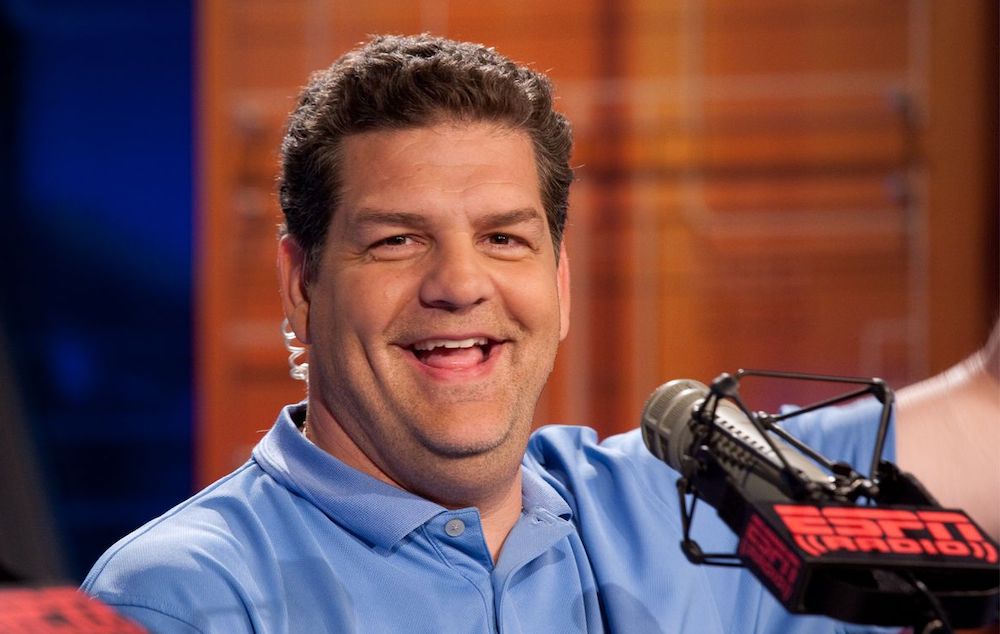
After leaving ESPN in early 2021, Golic did not disappear. Instead, he embarked on a strategic rebranding effort that prioritized autonomy, digital expansion, and partnership diversification.
Leveraging Niche Authority and Social Equity
The first step in Golic’s post-ESPN life was reclaiming his voice. Without the constraints of a corporate “morning show” clock, he was able to leverage his social equity—the goodwill he had built with fans over 20 years. He began appearing on various platforms, from The Dan Le Batard Show with Stugotz to various NFL podcasts. By doing so, he signaled to the market that his brand was mobile. He wasn’t just “Mike Golic from ESPN”; he was “Mike Golic, the Sports Authority.” This shift from platform-dependent to platform-agnostic is a vital move for any modern personal brand.
Diversifying the Portfolio: DraftKings and Beyond
Golic’s most significant strategic move was his partnership with DraftKings. In the modern sports media landscape, gambling platforms have become the new “networks.” By joining DraftKings to host “Golic and Smetty” (with Jessica Smetana) and later “GoJo and Golic” (with his son, Mike Golic Jr.), he successfully transitioned into the digital-first era.
This move solved several branding challenges:
- Generational Appeal: By partnering with his son and younger co-hosts, he refreshed his brand for a younger audience without losing his core identity.
- Monetization: He moved from a salary-based corporate model to a partnership-based model, which is often more lucrative and flexible.
- Content Ownership: Digital platforms allow for more creative control, enabling Golic to maintain the “authentic” tone that his fans originally fell in love with.
Lessons in Brand Longevity for Modern Professionals
The story of Mike Golic provides a blueprint for how to handle professional disruption. Whether you are a corporate executive or a freelance creator, his evolution offers three key branding takeaways.
Authenticity as a Sustainable Asset
Many media personalities “play a character.” When the show ends, the brand dies because the character no longer has a stage. Golic’s brand survived because it was built on a foundation of authenticity. Because “Radio Golic” was essentially the same person as “Real-Life Golic,” his audience followed him across platforms. In branding, authenticity isn’t just a buzzword; it is a form of insurance against market volatility. If people like you rather than the version of you on a specific network, you will always have a market.
Owning the Distribution Channel
One of the major shifts in Golic’s strategy was the move toward podcasting and digital streaming. In the old model, the network owned the audience. In the new model, the creator owns (or at least shares) the audience. Golic’s transition highlights the importance of “owning your rails.” By building a presence on YouTube, social media, and independent podcast feeds, Golic ensured that no single corporate decision could ever “cancel” his brand again.
The Power of Family and Legacy Branding
A unique aspect of Golic’s rebranding has been the integration of his family—specifically Mike Golic Jr. This is a brilliant brand expansion strategy. By creating a “family brand,” Golic has managed to pass the torch to a new generation while remaining relevant himself. It transforms his personal brand into a legacy brand. This multi-generational approach creates a sense of continuity and trust that is rare in the transient world of sports media.
Conclusion: The Resilient Brand
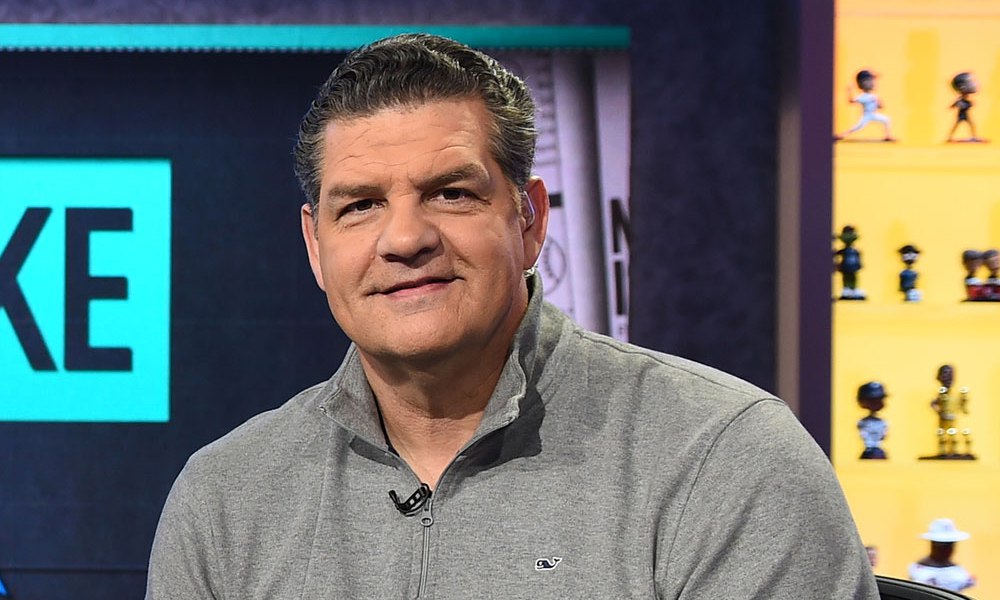
So, what happened to Mike Golic? He didn’t fade away; he evolved. He moved from being a cog in a massive corporate machine to being the CEO of his own personal media empire. His journey from the peak of ESPN to the forefront of the digital betting and podcasting world is a testament to the power of a well-constructed personal brand.
In an era where job security is an illusion and platforms are constantly changing, Mike Golic’s career serves as a reminder that your brand is your most valuable asset. By staying authentic, diversifying your platforms, and maintaining a relatable persona, you can navigate even the most tumultuous professional waters. Mike Golic didn’t just survive the end of his ESPN era; he used it as a springboard to build a more flexible, autonomous, and modern brand that is prepared for the future of media.
aViewFromTheCave is a participant in the Amazon Services LLC Associates Program, an affiliate advertising program designed to provide a means for sites to earn advertising fees by advertising and linking to Amazon.com. Amazon, the Amazon logo, AmazonSupply, and the AmazonSupply logo are trademarks of Amazon.com, Inc. or its affiliates. As an Amazon Associate we earn affiliate commissions from qualifying purchases.